Fuel guage added

The fuel guage in the Sherwood has been a bit like a Cessna .. for those who fly or flew Cessnas … you never trust them and always dip the tanks before flight (not easy on the high wing Cessnas)

The original electronic fuel guage I installed years ago failed before test flying as it simply refused to calibrate. calibration was achieved by means of the fuel entering a small hole in a ling tube arrangement that fed into the bottom of the tank. The resistance,I guess, then gave you a degree of ohms based calibration for the 6 or so LED lights.

A short while after fitting the second it became slightly optimistic and pessimistic , by that I mean, show it some fuel and it always said FULL .. fly for 30 mins and it seemed to think you were in air 😊

So, for all time, I’ve simply performed the hugely accurate ‘open the tank and look in’ technique .. which doesn’t need power ..doesn’t really need calibrating and has served the test of time !
Fadt forward to the recent rebuild and the LAAs insistence that a fuel guage be fitted. At first I was reluctant to try and retro fit the large alloy backplate and see through tube that TLAC fitted so some later models but, forced with the LAA directive and there being no real obvious alternative, I have fitted it this evening.

It turned out to be easier than I thought, there being 2 threaded holes in the tank, one at the top and one at the bottom. These were fitted with the tapered brass bit rings that allowed the clear tube to be warmed and slipped over and suitable clamps applied.

A hole was drilled in the dashboard and the tube fed through. I’d opted to not use the large alloy arm that TLAC supplied as my (long ago fitted) panel didn’t lend itself to have this retro fitted.

Nevertheless, the tube fitted neatly on the right hand side of the P2 panel- so I should be able to see the top 6” or so even with a passenger run situ.

Having drained the tank to fit the brass fittings, I then put a quantifiable amount in, 20L from my new Jerry can.

This gave a very satisfactory measure at pretty much top of the dashboard level. I’d expected lower, so lifted the tail but, after bobbing a little, it settled pretty much at top level again.

So it looks like I won’t get to measure full to top but I will know exactly when 20L left and, once I’ve drained a bit, will set the 10L mark as well.

This should provide e visual reference when I open the tap and dump from the new upper tank too.

All the above said, I have hatched a plan to devise and submit a MOD for a good old fashioned cork float … the sheer visuality of a wire suspended cork slowly going down or bobbing up has that tactile visuality that appeals !

Mike, at Priory is an expert on all things ‘original’ and has given some great advice …

Maintenance schedules

Ah to only have to worry about regular maintenance and oil changes and not major rebuilds and the like !

Looking forward to the days I can be flying and then just taking a little time out to check plugs and change oil and clean filters .. the simple pleasures in aviating life ❤️

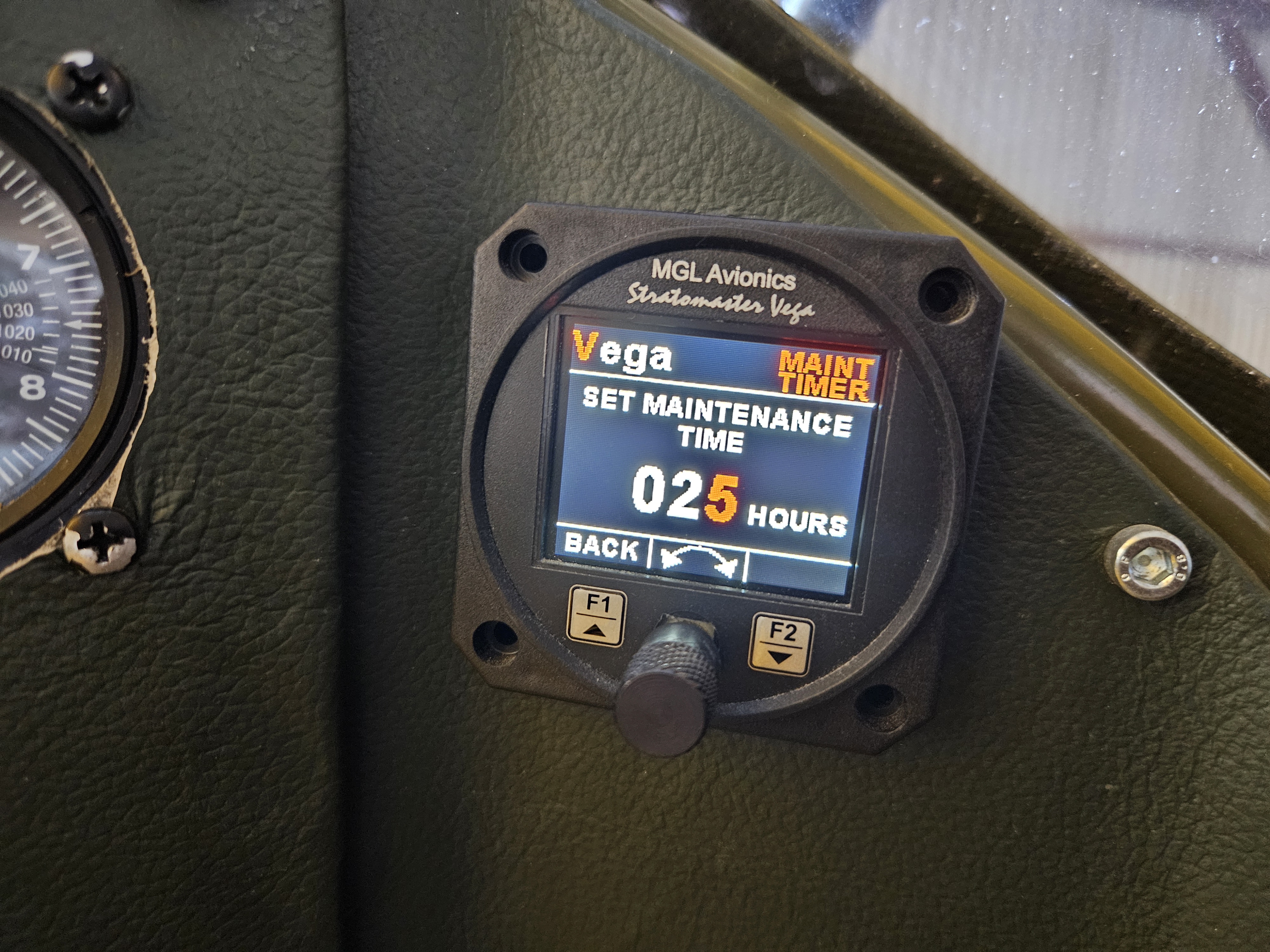
Ive got 2 maintenance timers. One in the rear P1 cockpit on the old ‘green screen’ MGL multiple instrument which also does the hobbs full timer count ..but i also have one on the relatively new Colour MGL that is in the front cockpit and gives a super clear display of revs. It also is way easier to see than instruments in the rear cockpit due to natural line of sight.

I generally have set maintenence and pil change schedules to a fixed 25 hours .. the manual says you can go 50 and 100 which you innately do on 25 x schedules but it’s so easy to work on why wouldn’t you chekx more frequently

Waiting …

That gap … when the inspection is done… the updates post the inspection have been done and it’s been rechecked .. and you are now awaiting formal LAA release for test flying ..

The last time this happened was just after the build .. all intervening sign offs have only required the inspector and then off you go .. this one, following a more significant update and work, is getting an oversight from the Chief inspector.

I remember the ‘gap’ awaiting the first release for testing… an odd mixture of frustration (because I wanted to just get her tested after the 4 year build) and anxiety (because a sign off would mean i would HAVE to get on and put all those nuts, boots, wood, metal and fabric into the air for the first time).

You then get what my good friend Andy Brown talks about…Imposter Syndrome .. im not a qualified engineer, ive never done anything like this before, were all those late late nights leaving me too tired to check and re check everything, what would friends and family think when this all turned out to be a long 4 year unmitigated disaster and waste of time and money !

This time, the wait is more aligned with the frustrating trait .. the weather is always a factor and we seem to be in a spell of warm and relatively calm weather… so each morning and each evening feels like ‘lost’ opportunity.

The garden hasn’t had so much attention and tidying up home garage and base hangar after all the bits and pieces ive needed during the rebuild is a diversionary task that inevitably leaves you looking skyward and checking winds !

Ive mapped our the first 4 or 5 flight schedules to get a sequence in my mind and test things quickly and efficiently.

Im not going to fuel the new top tank initially (it’s had its leak test on the ground) but can be eliminated from the initial flight and so cut down the list of ‘variables’ to contend with on that first return to the air.

The initial flight can then focus on new main tank, new upper starboard wing, repaired upper port, new trim tab and general handling. The planned duration ot this one is simply ONE circuit.

That’s going to be about 3-5 minutes but will allow a quick cool down ground check before running the 2nd and 3rd where I introduce the other tank for powered leak checks.

Post the leak checks i can get both tanks covered over in Oratex.

In the meantime .. it’s time to ‘fettle’ .. thay word all pilots use when the work is never ending .. always something to do..

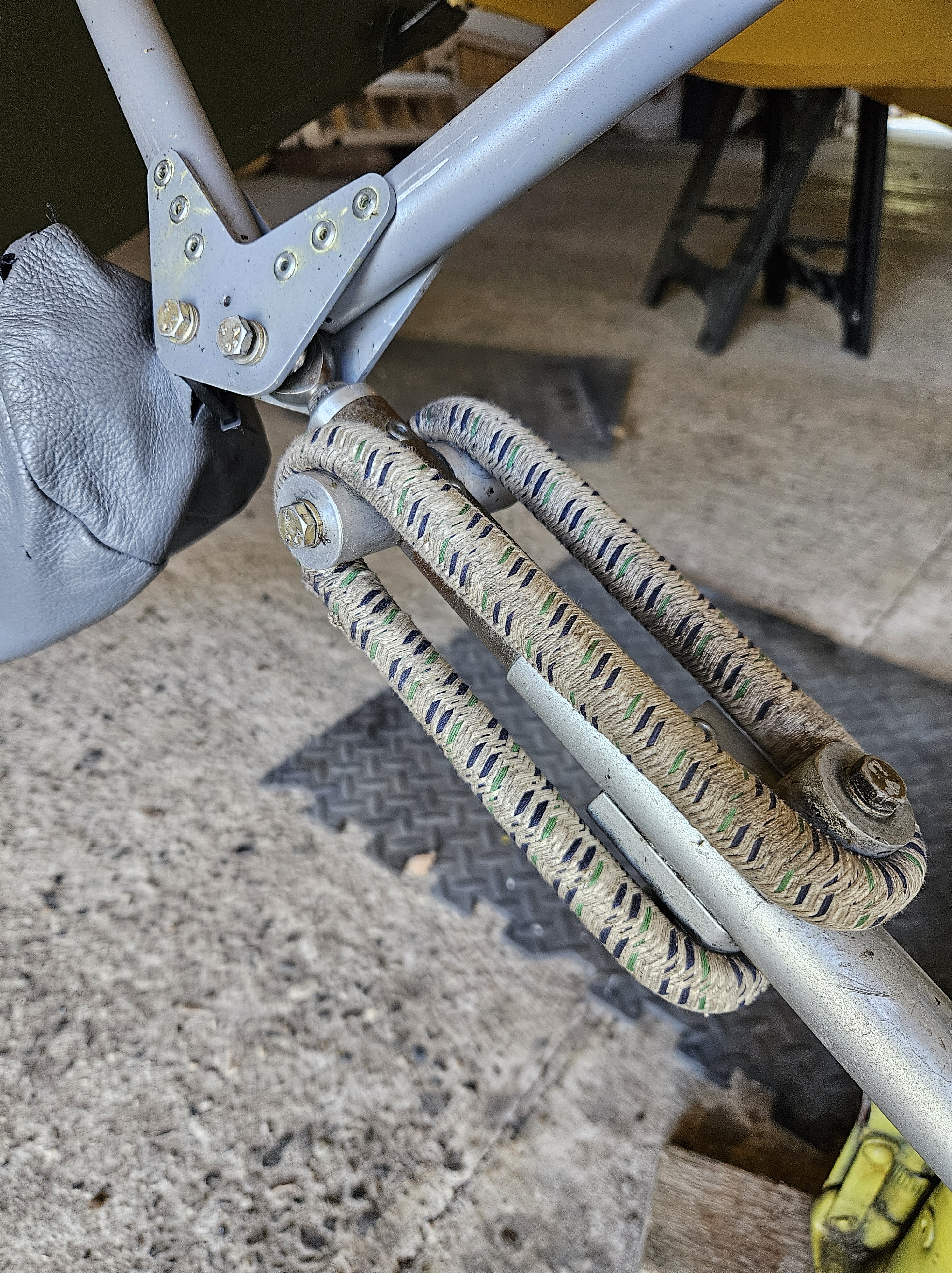
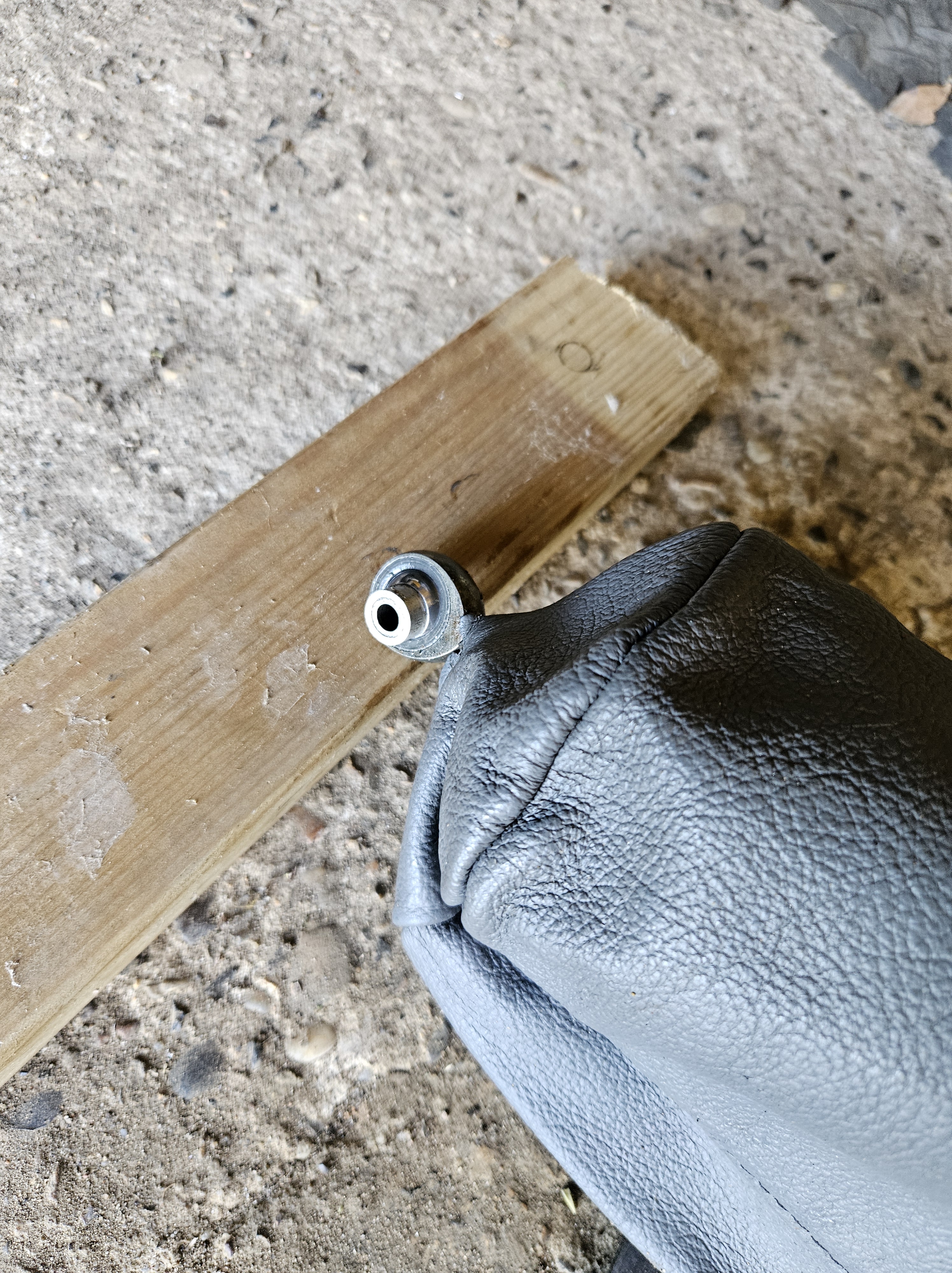
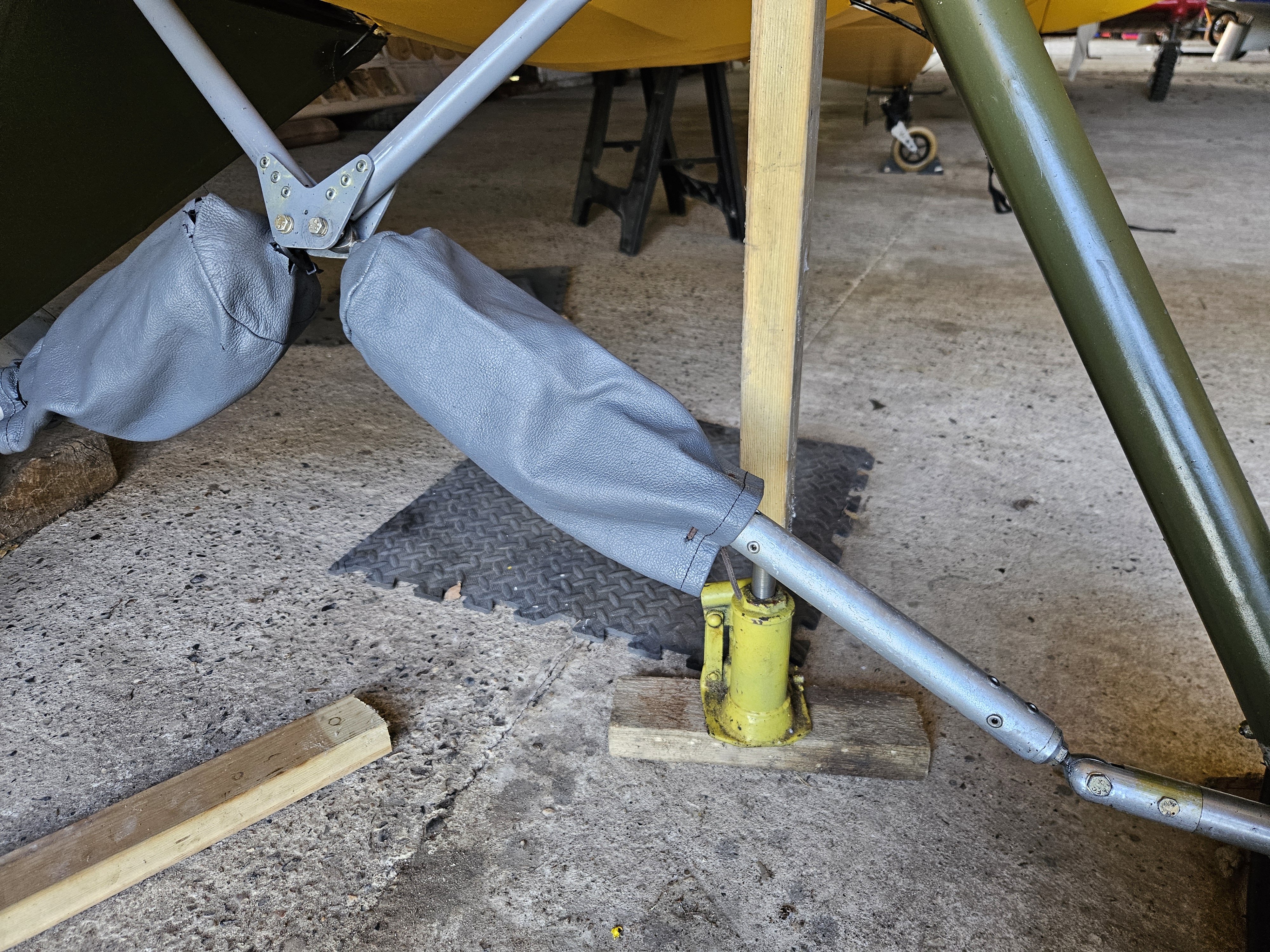
In this case it’s get the leather boot over one of the legs that has been left open for some time. I’d left if off to check any ingress of smoke oil but all is fine. To slip the boot on you need to jack the aircraft up and undo the centre bolt on the leg mount.. not an easy task (first tjme) but ive done it many times and jacking at the top of the leg works just fine .. ot also let’s you check brakes and free running of the wheel.

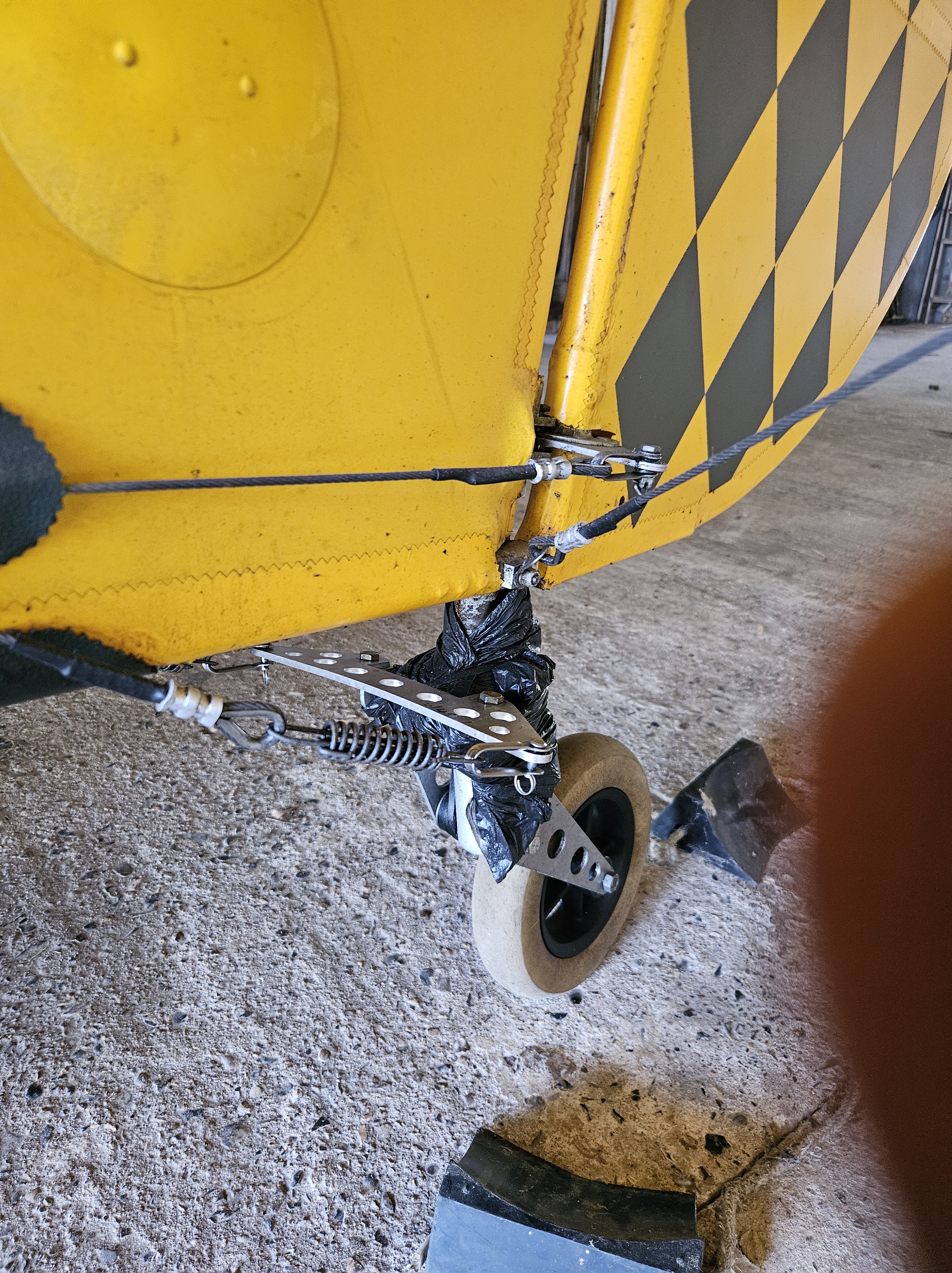
Another ‘fettle’ is the tailwheel. During the recovery we had put a strop on the top arm of the tailwheel and bent it slightly as we jiggled the aircraft back onto its main gear. This was a pretty cheap item to replace and took all of 10 minutes to do but id decided to not reconnect the steering cables. This makes it way easier to get in and out of the hangar and also pirouette on the ground runs on a fairly narrow turning area.

Its a quick job just to remove the pin spring lock and connect up again .. shame as I used to love the control the Stampe SV4 had with its pop out tail steering. This is where the rudder movement provides a ‘slaved’ degree of follow …but then the cables (usually spliced into the main rudder feeds) reach their limit and the wheel won’t turn any more… in some cases the tail mechanism allows the movement to ‘snap out’ usually against a ball bearing and it goes full castoring until it clicks in again .. really neat idea !

I haven’t got that ! And James (Milne) assures me that I will eventually learnt the skills of blipping the throttle and using rudder to coax an aircraftto turn sharper circles!

I know my problem with this ‘prop threatening’ manoeuvre… it’s that i instinctively hall back on the stick on the ground when taxying.. so planting the tail firmly in position

When you blip the throttle .. with full up .. it just loads the tail even more!

Ive got to be braver and use neutral and even forward stick with power to unload the tail whilst also applying a load of rudder … a evening test session beckons !

Blog at WordPress.com.

Up ↑