Rotax – Progress

Now I have the shiny new permit for 12 months.. time to consider 2026.

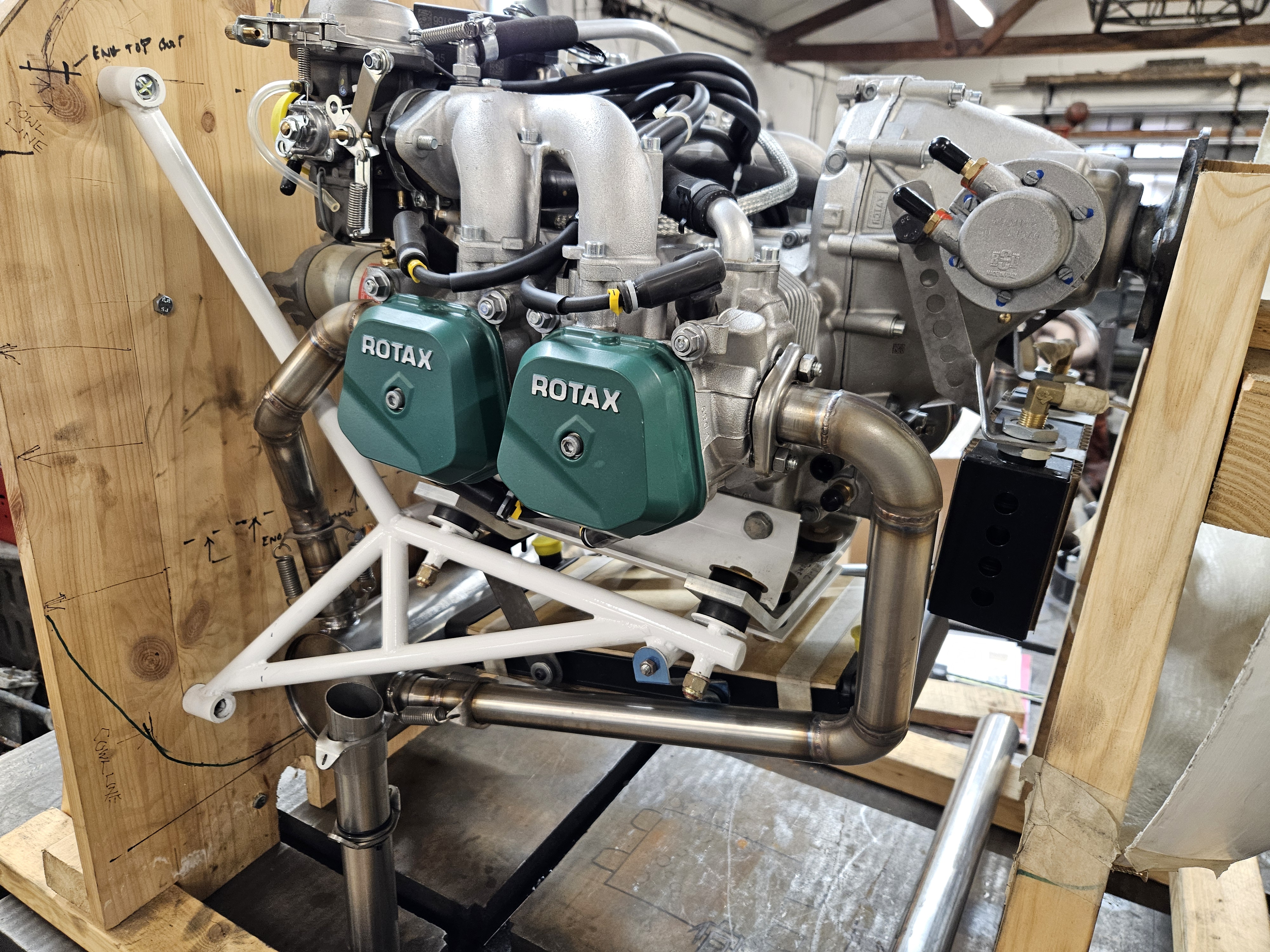
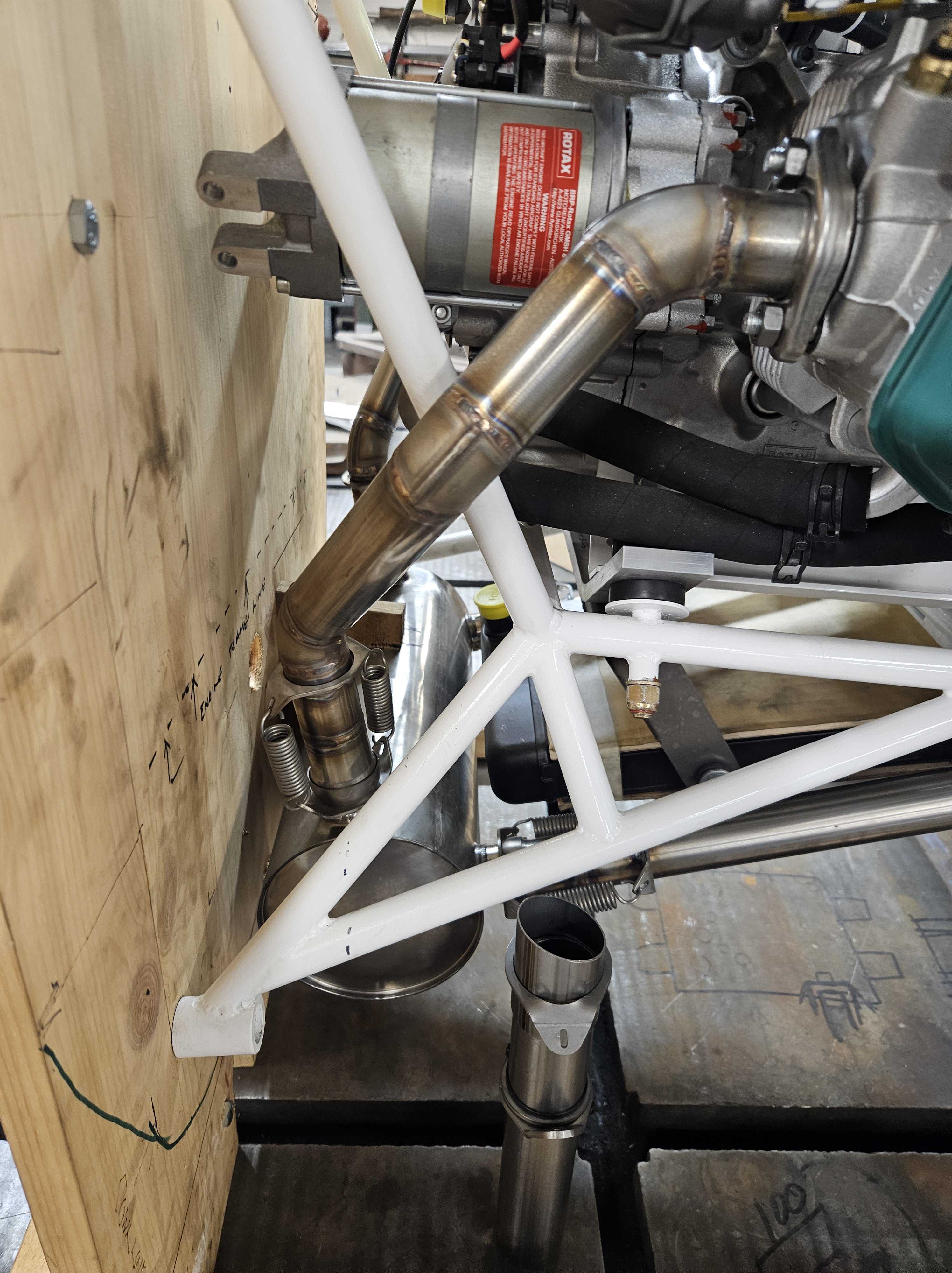
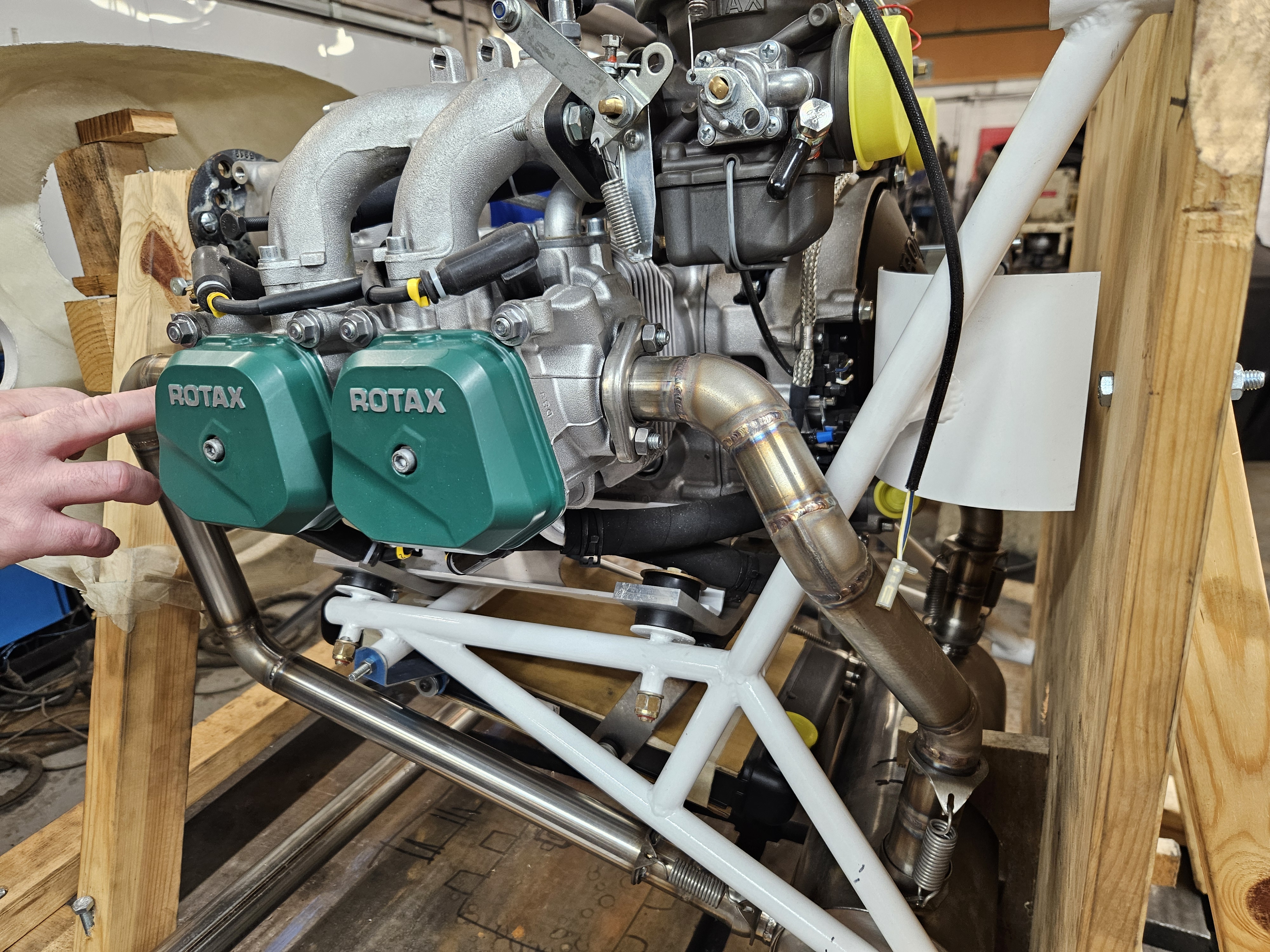
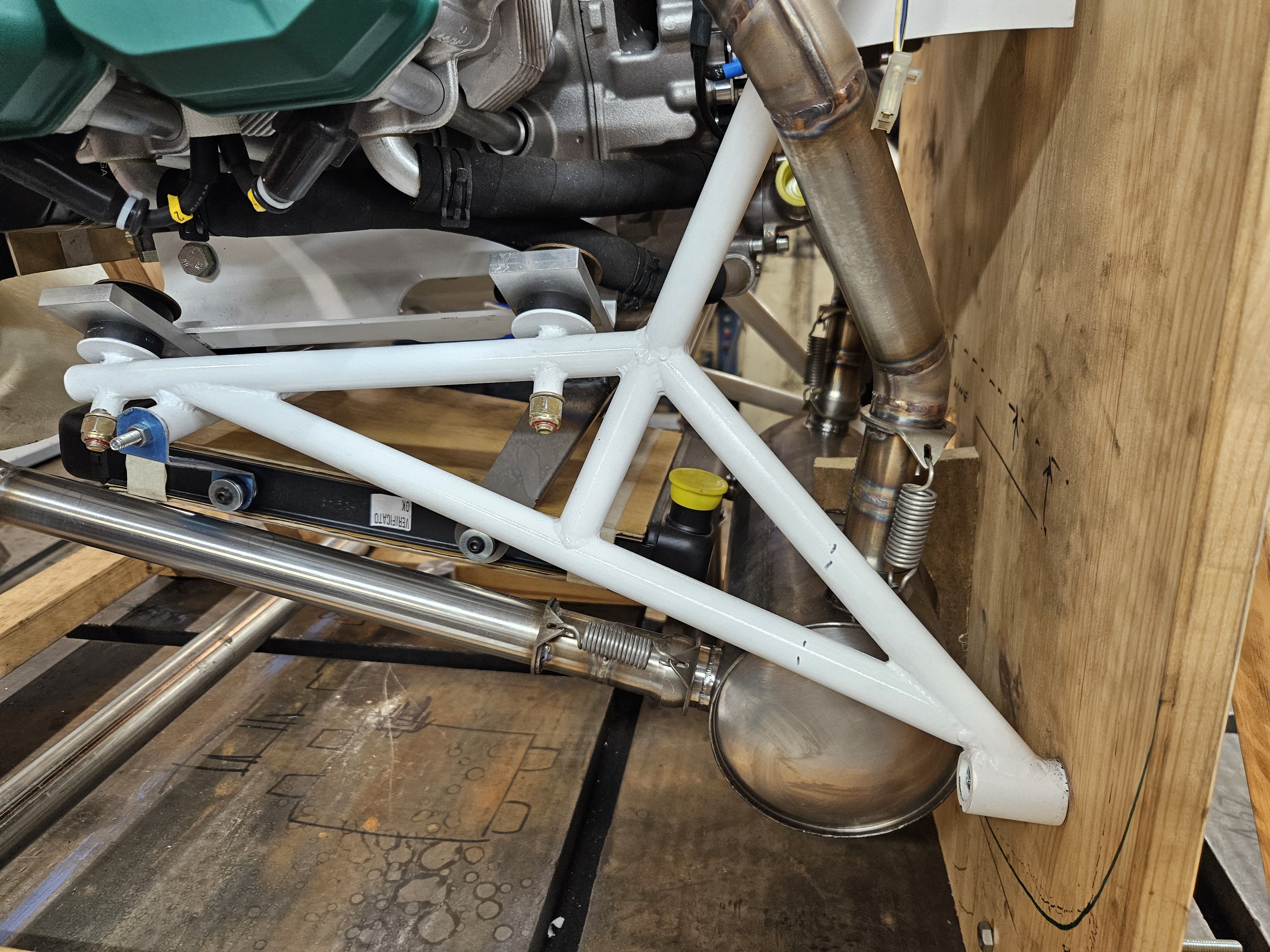
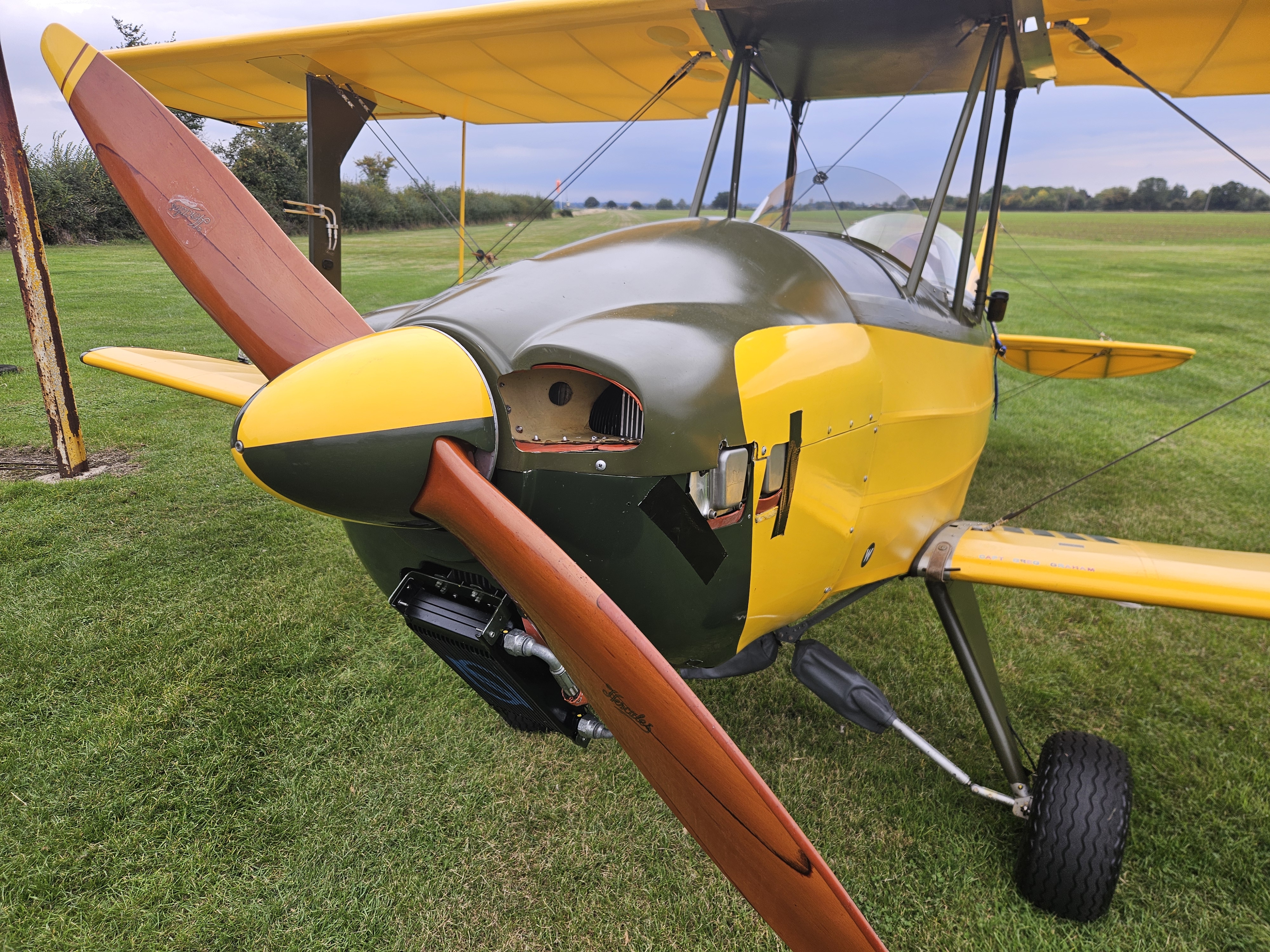
The great work by Competition Fabrications has got the exhaust pipes neatly tucked in and both oil and water coolers neatly positioned

Next stage is to consider what options there are for cowls

The ideal would be nice curved alloy ones but price could be expensive … need to get some measurements to progress planning

The depth of the planned eProp is much less than the Hercules wooden one so that brings the front cowl much closer in and closer to those hot exhaust stacks

Ideally we need a hinged top surface cowl .. that can open both sides and secures against bulkhead and nose cowl

Permit awaiting and impending storm

Waiting for the full permit .. BUT LAA have signed off and approved the repairs and the test flying that accompanied it !

With a hefty storm (Benjamin) on the way .. there was a smallish window on Sunday to get a last flight in before wind and rain spoiled the next 7 to 10 days 😞

With the new (front) battery in the start was pretty much instant .. but drizzle was definitely just a few minutes away ..

Decided to make it a pretty quick and short session.. once pul temps were up to 50 and the preceding aircraft had landed (such a quiet strip.. and you go to line up and someone’s on long final!).

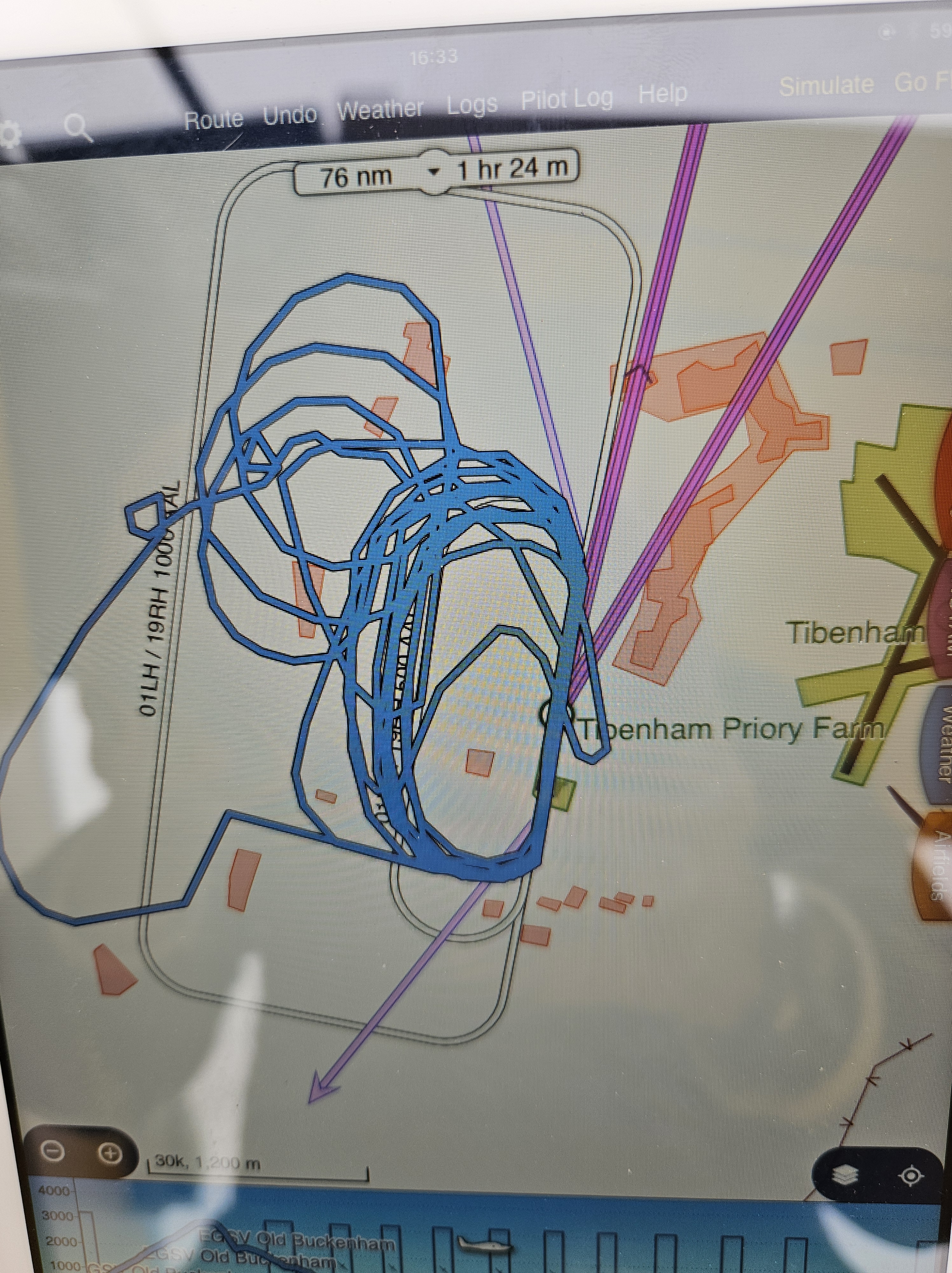
So, with 2 teardrops from 01 (take off) and 19 (loop back) to land back the other way, and repeat the other way … managed 4 landings in 9 minutes .. bringing the total landings for the Ranger to 436 to date.

VNE – to dive or not to dive – that is the question

I conducted the air test recently. A cockpit full of cut down LAA air test forms (14 pages therein) .. all reduced in side to A5 and clipped onto the clipboard so that the open cockpit flight didn’t spray it over the Norfolk countryside like confetti !

This gave me all the 100s of checkpoints for the flight test that I could capture for the subsequent manual form completion on the ground (quite why we havent got an editable version of this or an online Database escapes me)

Strapped in and headed off for a tight climb up to 3,000′ and then power back and into the dive ..

I remember the first one of these i did in a Stampe SV4C over La Rocque on the SE corner of Jersey, my inspector Bob Wright sitting in the front with a big checklist .. shouting what he wanted next.

I started at 3,500 over the sea and actually ran out of height before we got to VNE as i chickened out of the hard push required and we had to do it all again .. Bob laughing away up front !

This one over the flat Norfolk countryside i pushed over and altimeter started to unwind.. the noise builds and wind rushes ever faster as you tuck yourself behind the windscreen and keep a good eye on engine revs to prevent overspeeding.

I started to ease out at 87mph and felt that was fine.

Im never going to go that fast between now and the next flight test in 12 months time.

Dutifully submitted all the numbers to the LAA only to have pushback on the VNE. Why handnt I done it and yes, I needed to reach manufacturer’s VNE of 100.

Today, on a pretty cold October day, ive just nipped up to 3,000 .. pushed harder and reached my paint marked 100 on the ASI

Updated details sent in, hopefully for the reissue of the FULL permit (currently flying on a temporary one to allow test flying)

As you may surmise .. im not a great fan of the VNE test

  • Yes the manufacturer has set this limit to demonstrate a ‘top end’ limit
  • Do I EVER fly anywhere near that limit in all my general day to day flying
  • NO
  • Maybe just over 50% of that speed is normal and achievable cruise speed with the current approved engines.
  • So why do we expect pilots to push the airframe to that once per year ?
  • Is artificially stressing the aircraft once per year deemed a good thing ?
  • Its not like a benign stall test that you can do at height and have loads of margin for recovery
  • At the bottom of the dive you have the potential for significant things to happen
  • Your margin and recovery options are, by virtue of that round out speed, limited
  • Recovering needs to be gentle and controlled and I would argue that recovery is another significantly critical phase of this manoeuvre
  • If a pilot does this only ONCE every 12 months surely we are failing the ‘recency’ measure the LAA put so much faith in ?

Anyway, rant over, one whinge isn’t going to change the world.

Battery uplift

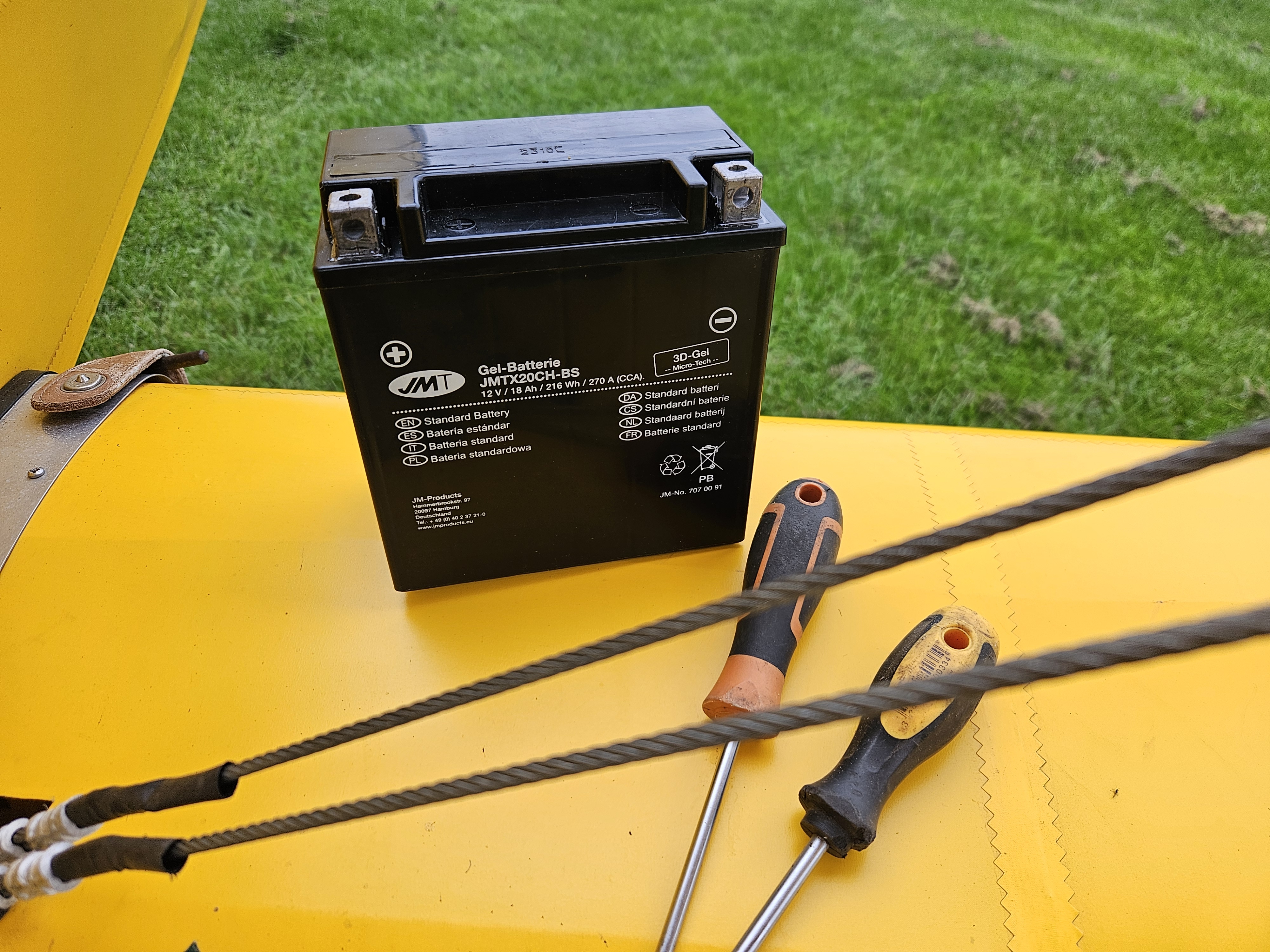
So, as the colder days begin.. the battery had decided to play up and starting has become a slight ‘fingers crossed’ affair !

Way back when I put the first battery in i selected a motorcycle unit that fitted neatly into the TLAC kit supplied tray.

This was mounted in front of the passenger seat but, on getting around to weight and balance, I realised I needed a lump of lead in the tail to get CofG in right place.

Having made a small mount for the lead and fixed it.. the LAA decided they didn’t like a lump of lead in the tail that could head forwards in a nose in crash so rejected my plan.

I then realised that the lead weighed the same as the battery I had, so had the brainwave of removing this pointless excess weight and putting the battery in the tail with a proper supplied battery mount. So, nice and secure but hey presto I didn’t need any additional weight to achieve equilibrium.

This meant I needed to run quite long power cables up to the starter solenoid and also an earth to the engine… and this, over time, proved problematic as the power loss over some 4-5m of cable was evidential

I started to look at the lead into the fin post idea but then hit on the idea of using the priginal front battery location AS WELL and connecting the batteries together… in series..

This gave superb starting and you just had to breathe on the push button starter and boom into life !

Roll forward through the years ..and motorcycle batteries aren’t great. They definitely have a shelf life after which you simply need to cycle them.

I checked back on the one that i had in the front yesterday and it’s 5 years old !

The £100 ish to replace far outweighs the disappointment of a none start !

The tail one i believe was done after I got to the UK and, the last time I did it, I made a small cut out Oratex panel that will allow easier replacement (the whole side of the aircraft being one complete piece of Oratex).

Flight Test

So, after a few ‘fettling’ sessions as they are known.. where you fine tune this and tweak that ..you reach a point and a day.. where aircraft, engine, weather and time all co align and you can carry out the flight test.

The Light Aviation Association (LAA), the governing body for homebuilt and other registered aircraft, have a plethora of forms and process that you need to follow on a regular basis to ensure your annual update is up to spec

Add into this the fact that yiu have had ‘an upset’ and this brings in additional checks and balances

All very sensible stuff to ensure you have ticked every box and thought of as many eventualities you can.

The ‘changes’ to my aircraft, post the incident, meant that I needed a full flight test. 14 pages of check items to run through.

I cut all these 14 pages into manageable half pages so that I could have them on my knee board in the cockpit and then attempt to capture all key information during the test flight.

The problem with lots of bits of paper in a small open cockpit is that its a bit blowy and tricky to keep your notes !

The initial power out climb was a very long slow orbit slowly climbing at a constant attitude for nearly 5 minutes.

The old overheating of the cylinders was pretty much gone and I timed each 500′ ad it went.. turning out to be about 600feet per minute

Once I reached 3,000′ it was getting quite chilly and so all temps were looking absolutely fine. I then captured all the vakue on the way up and then eased the throttle back and into a dive

The aim of the dive is to check VNE .. ie never exceed speed .. which is 100mph.

Blog at WordPress.com.

Up ↑