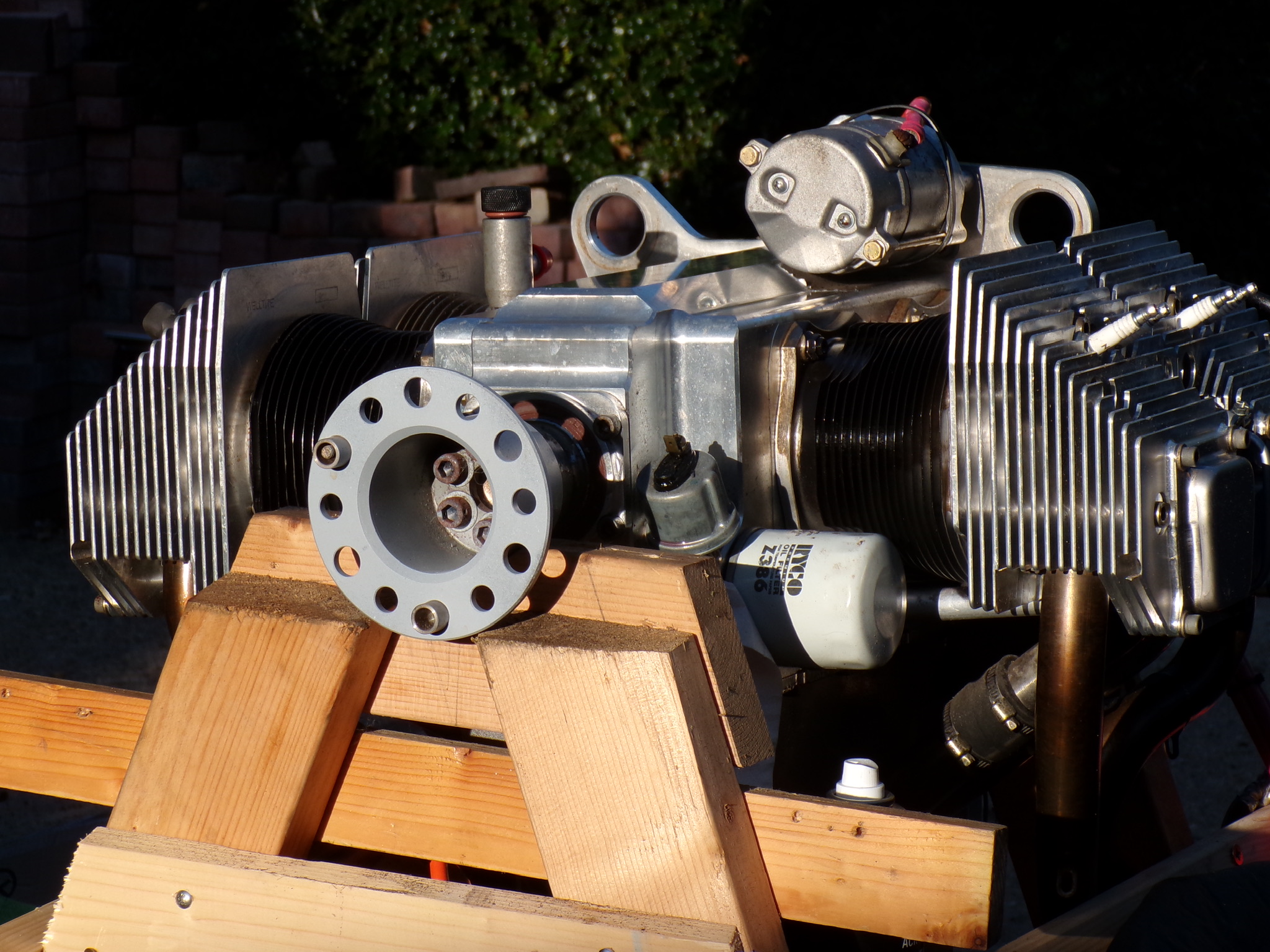
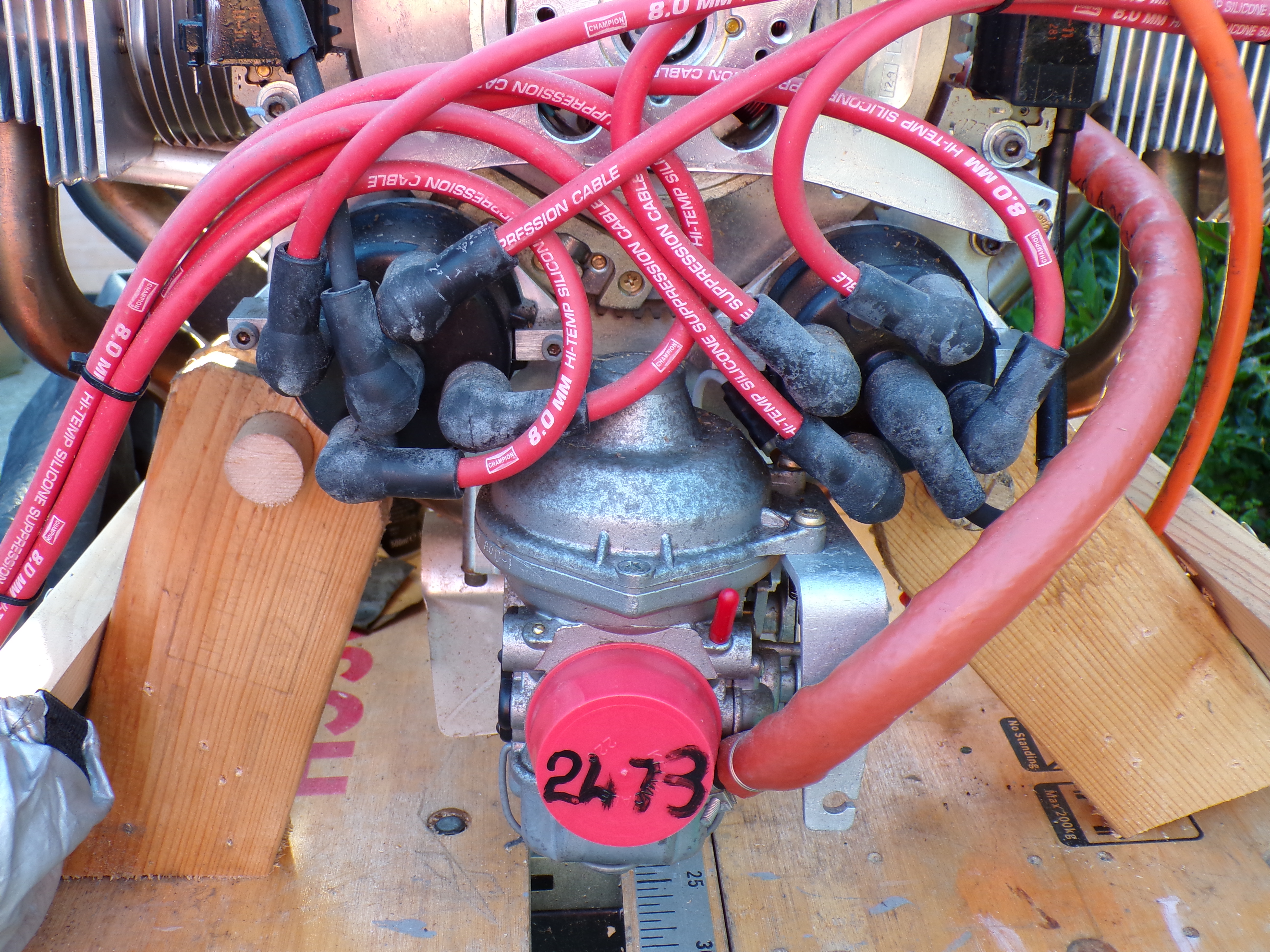
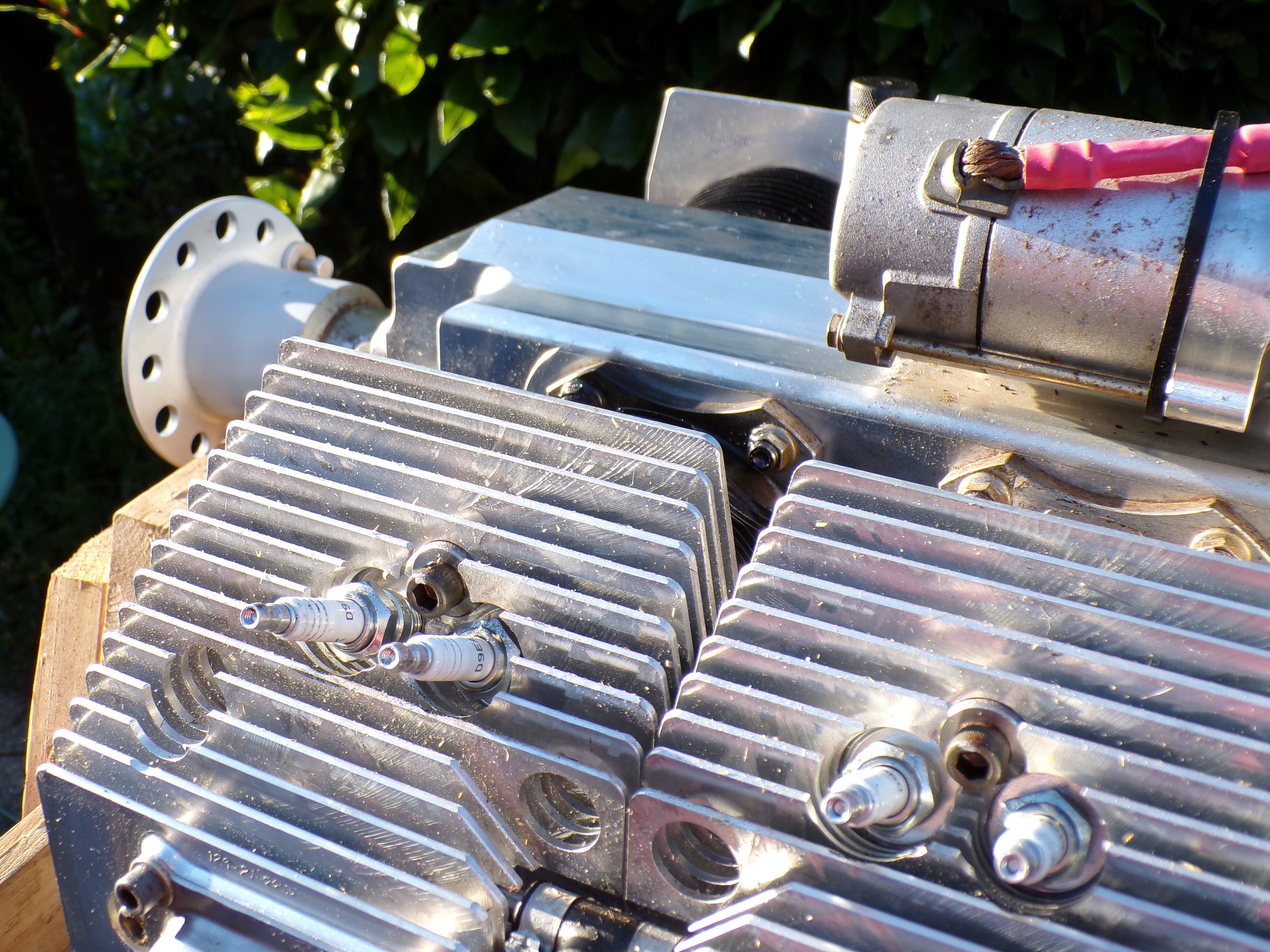
My second Jabiru 2200, bought fromShetland, has reached 50 hours and has just had its second oil change
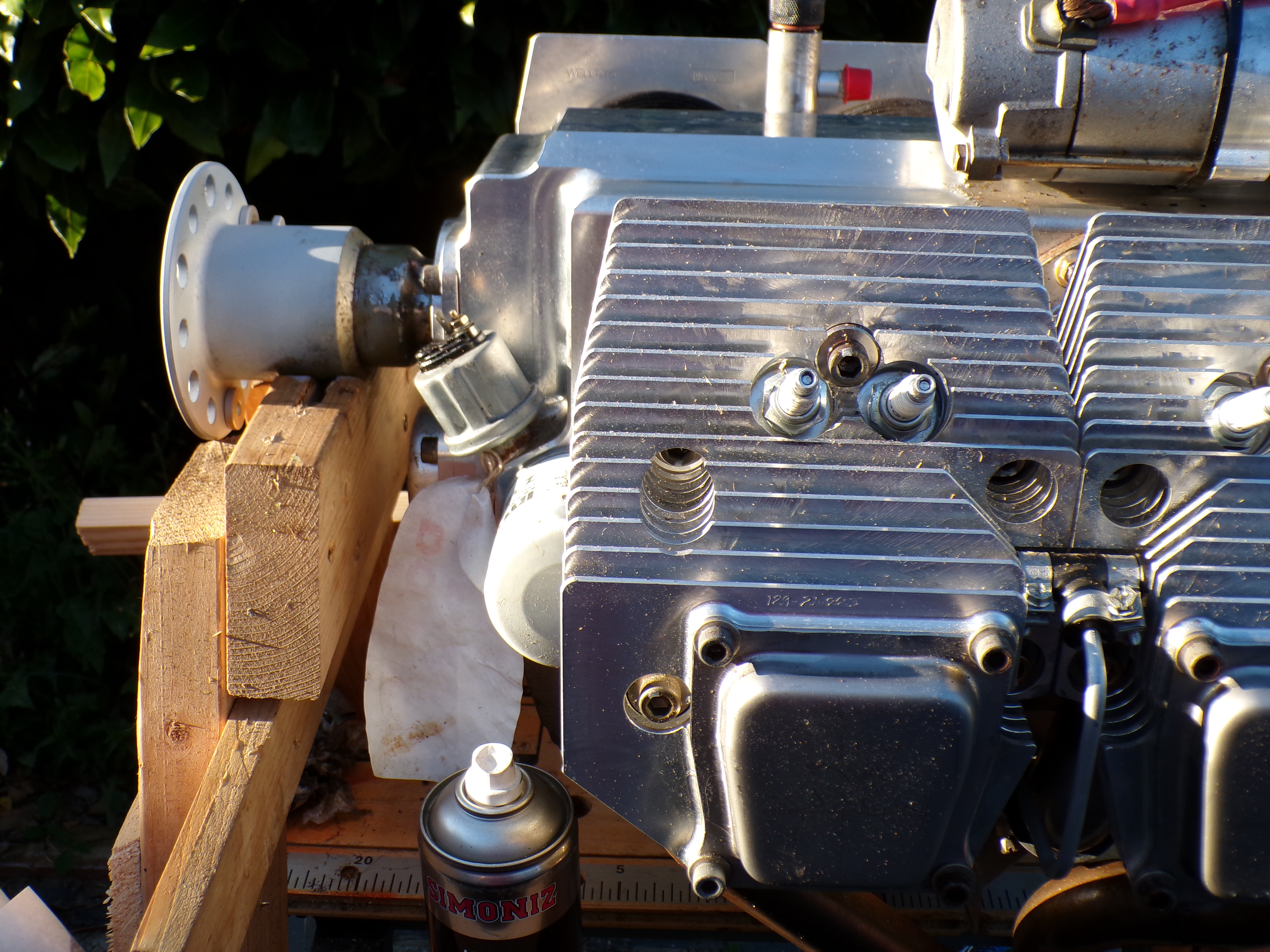
It’s proving to be a great engine ..as I continue to pre prep the Rotax 912

A mile of runway can take you anywhere

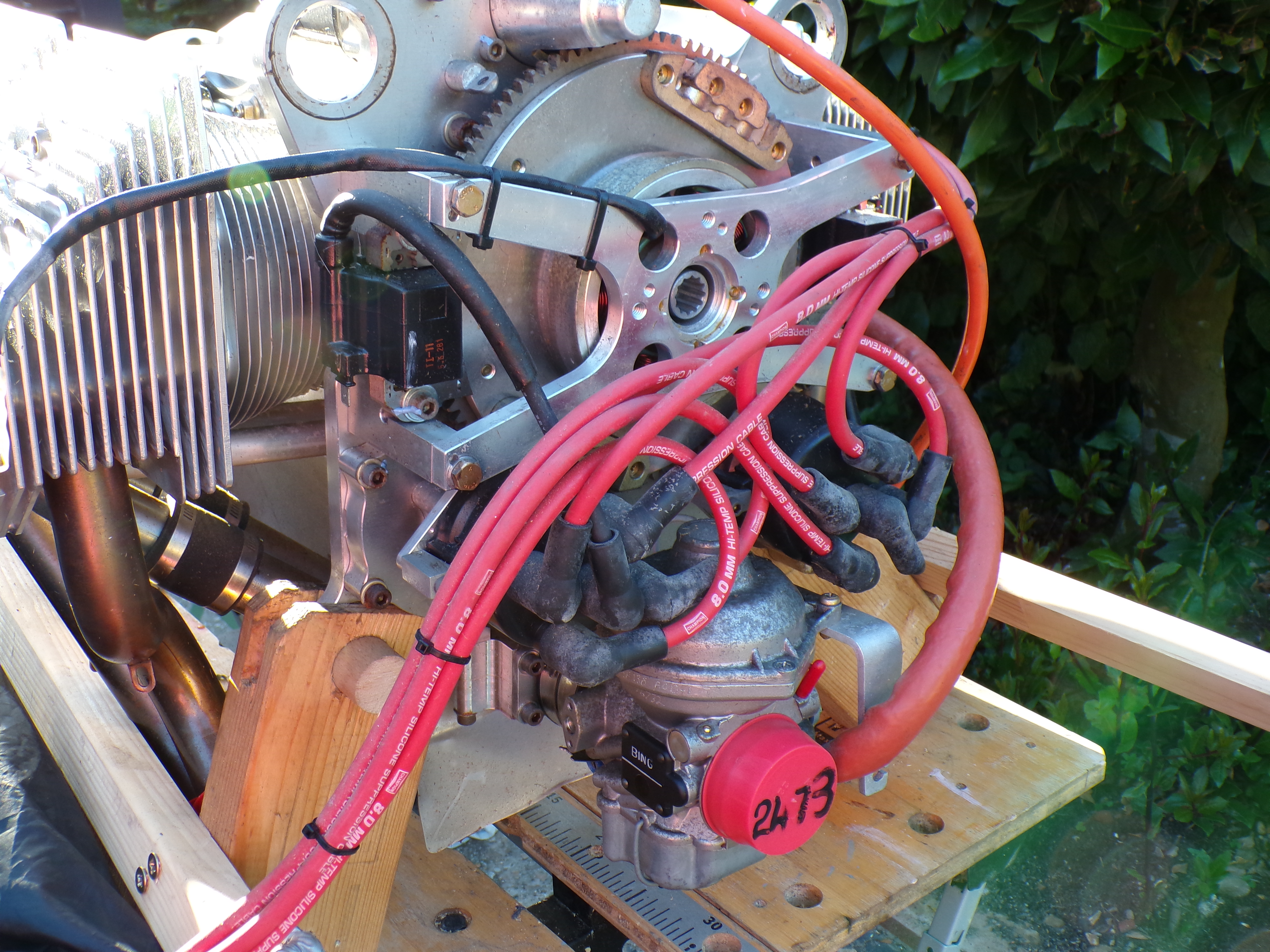
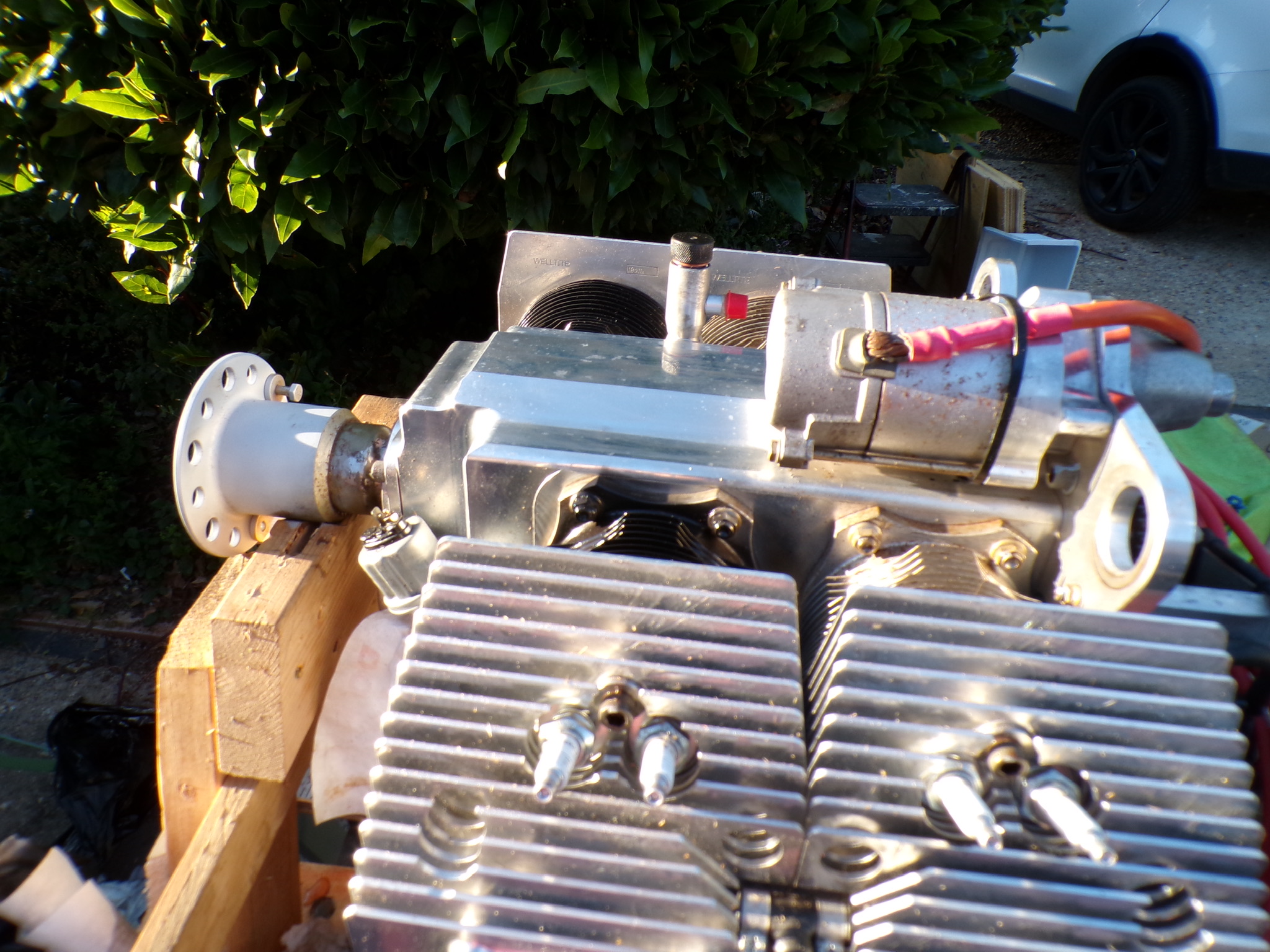
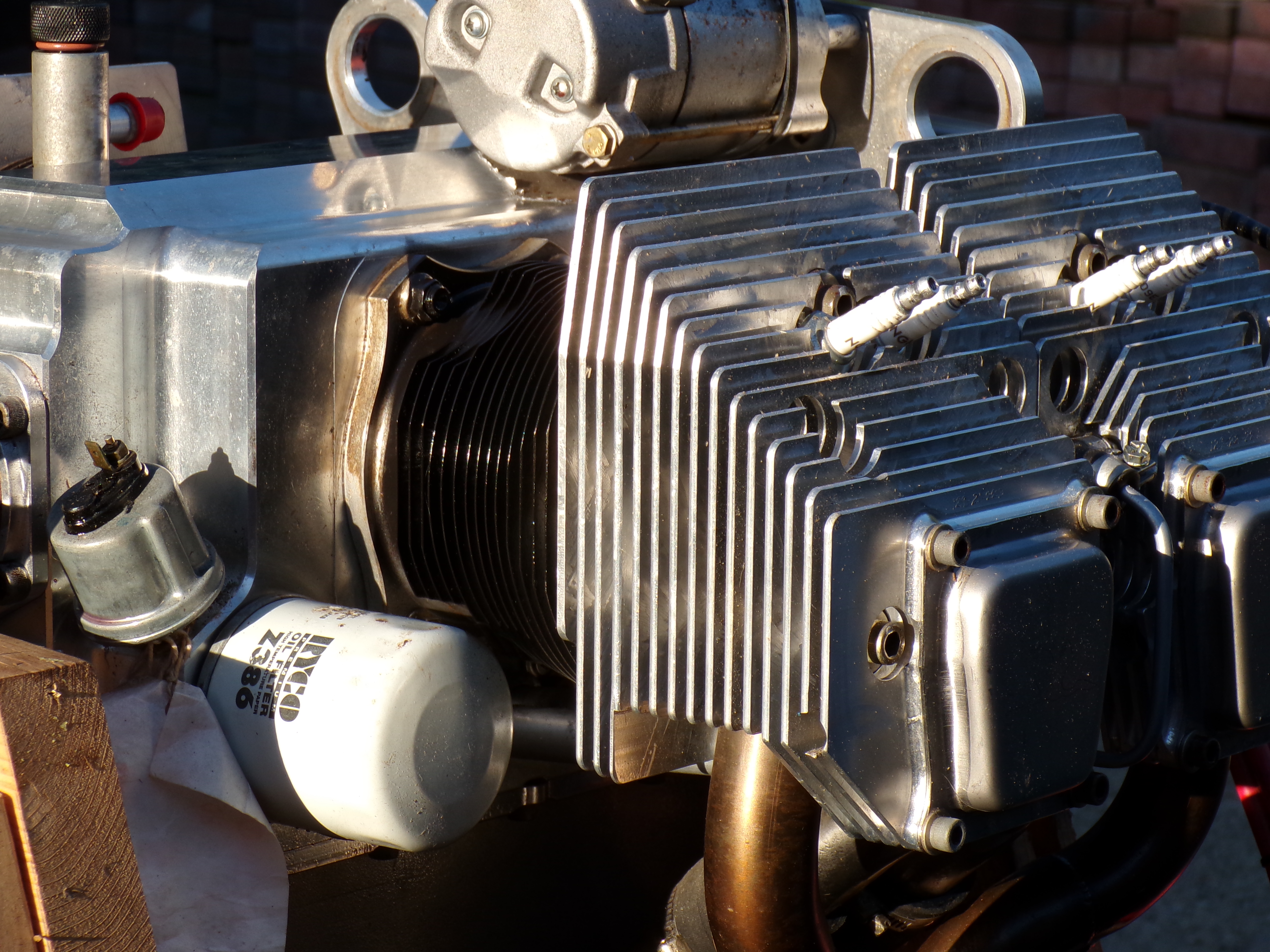
My second Jabiru 2200, bought fromShetland, has reached 50 hours and has just had its second oil change
It’s proving to be a great engine ..as I continue to pre prep the Rotax 912

Some shots of one of the many test flights conducted in the early days.
This one with my son Sam, who helped not only in many parts of the construction but also in logging various bits on test flights.
Flying the Ranger 2 up has never been super fast but Sam is pretty light so it used to nip around ..even though I had yet to put the wing root fillets in place !
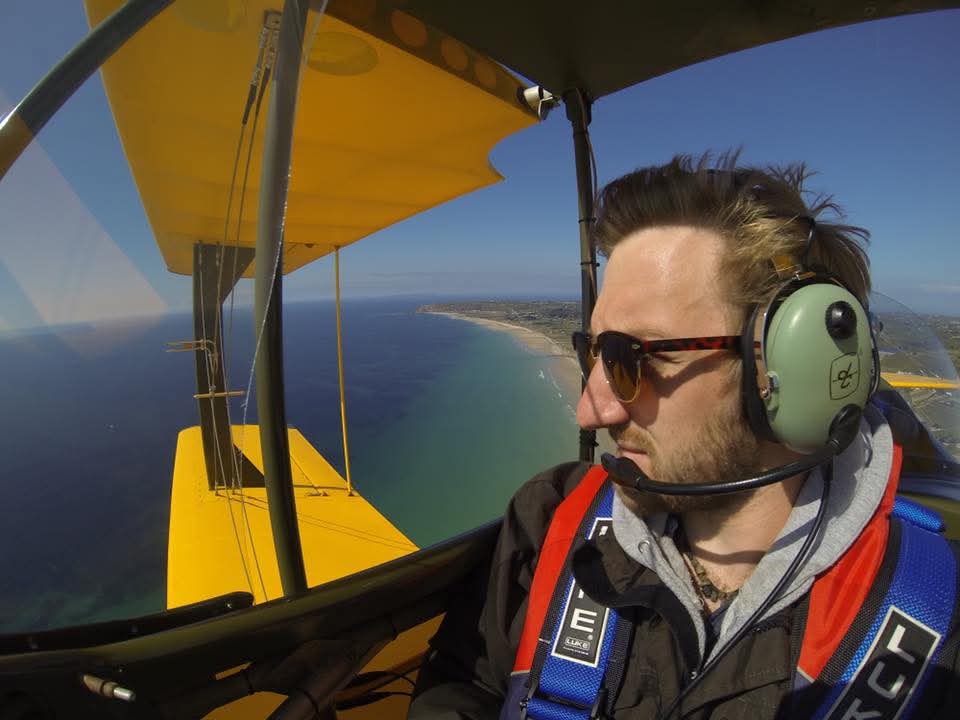
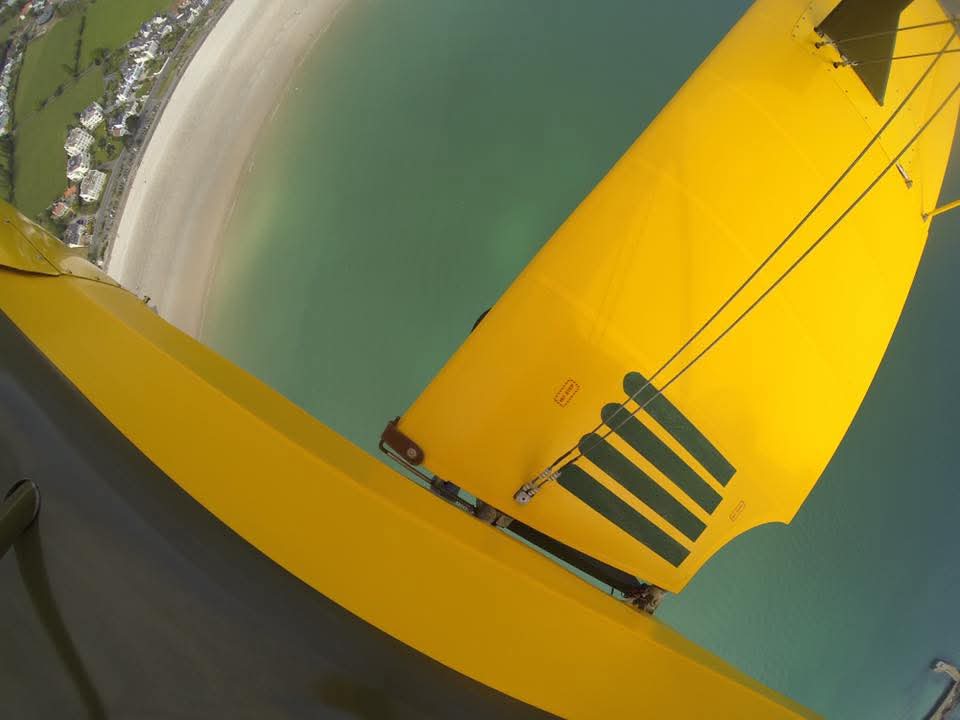
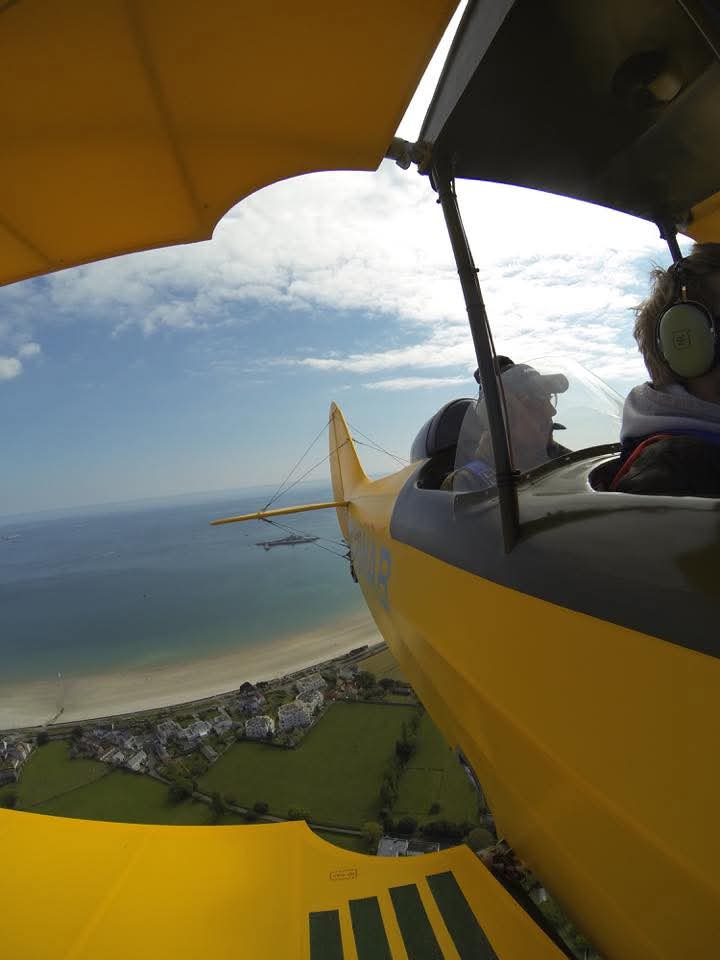
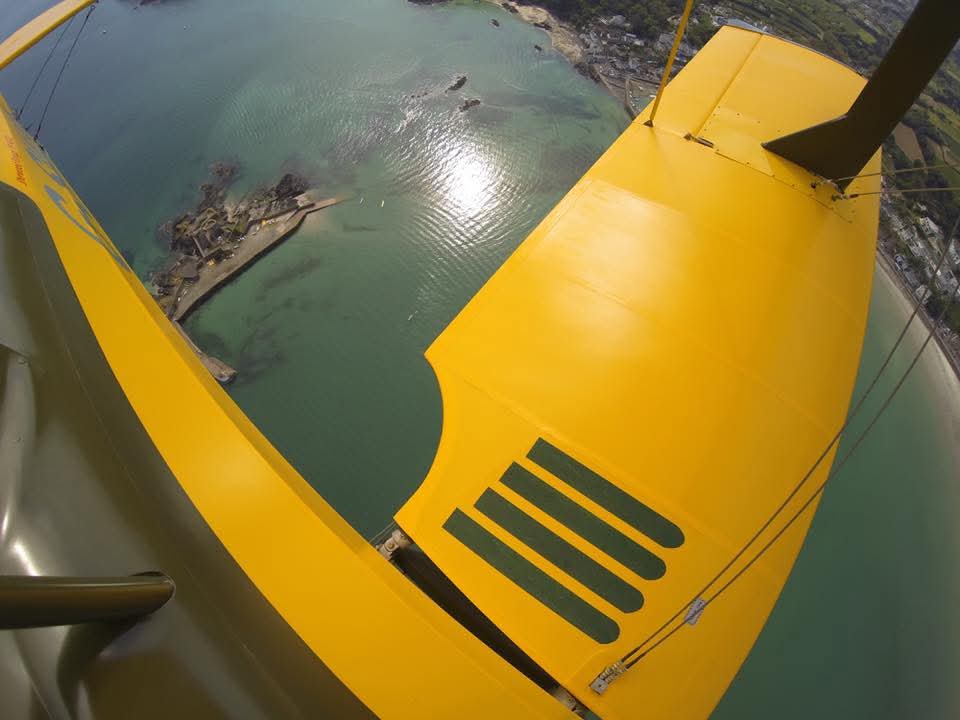
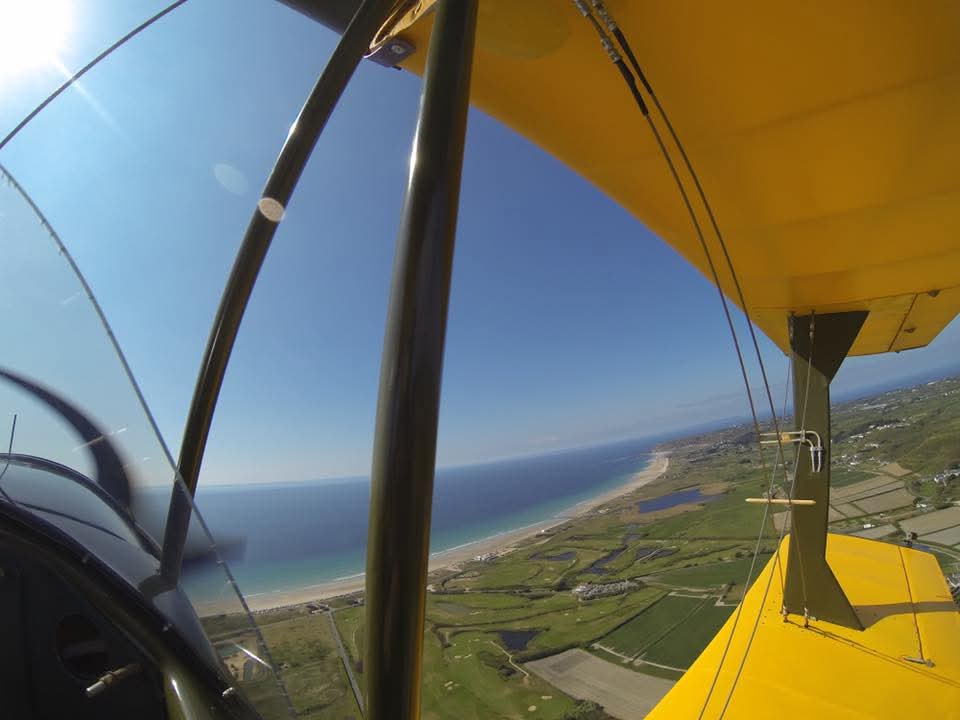
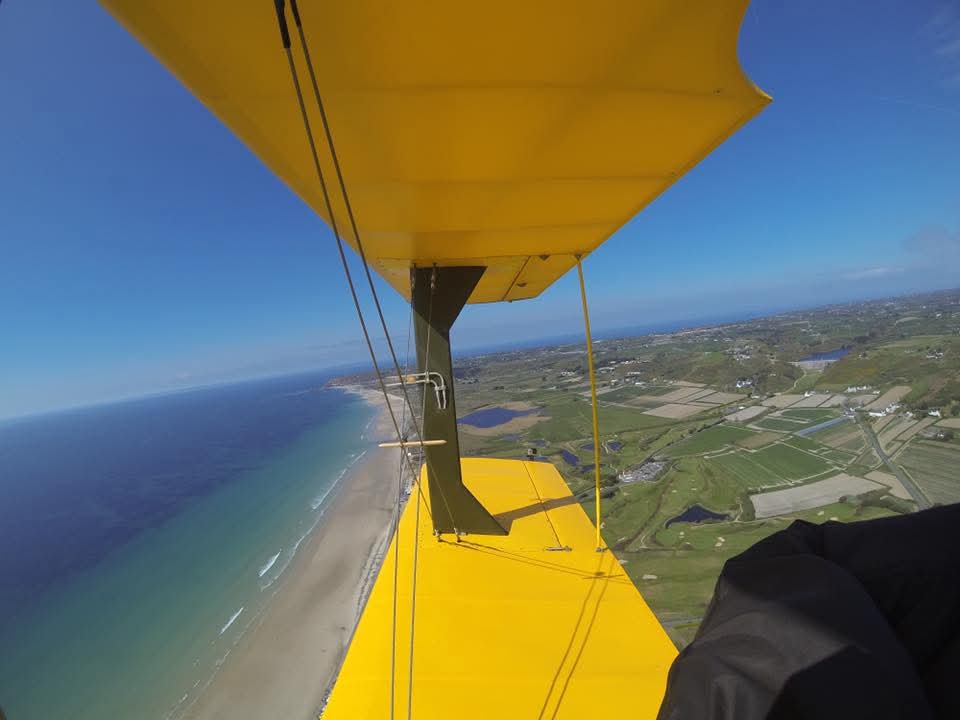
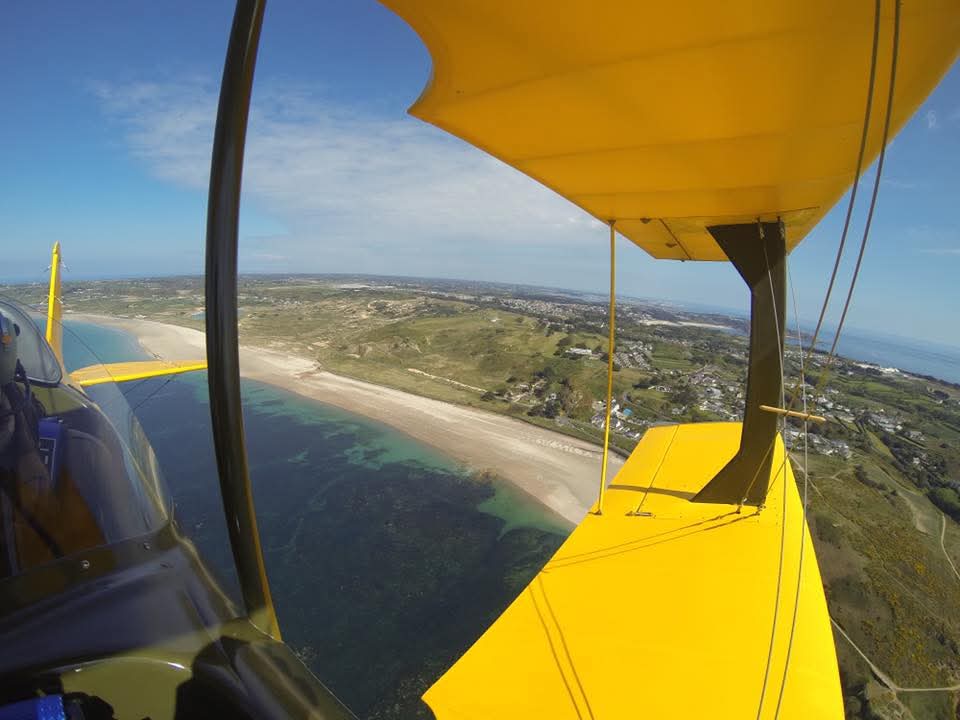
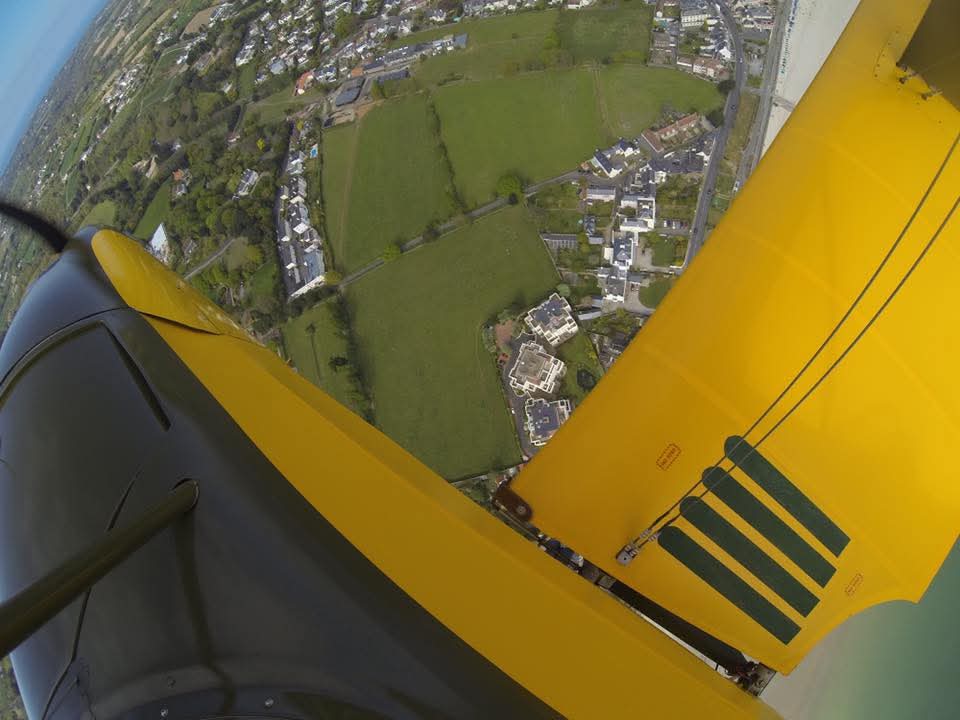
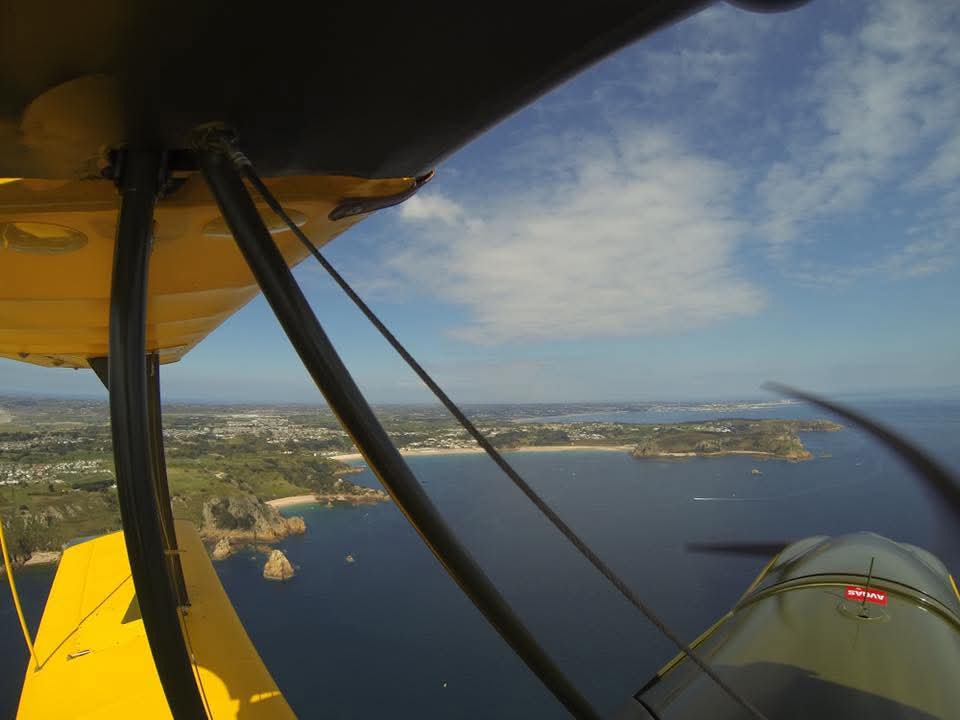
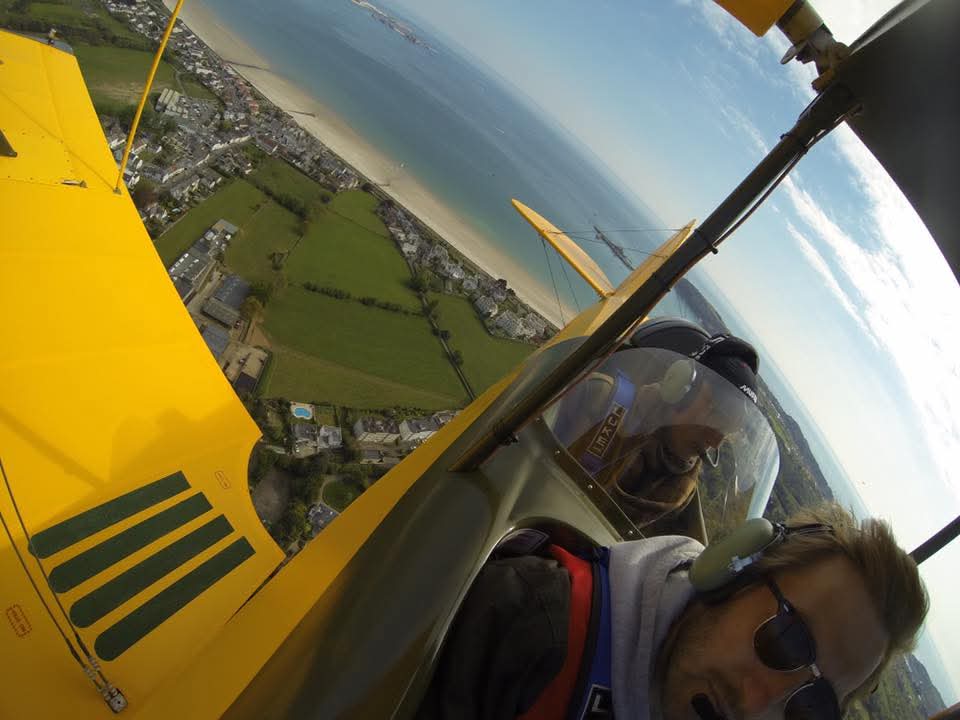
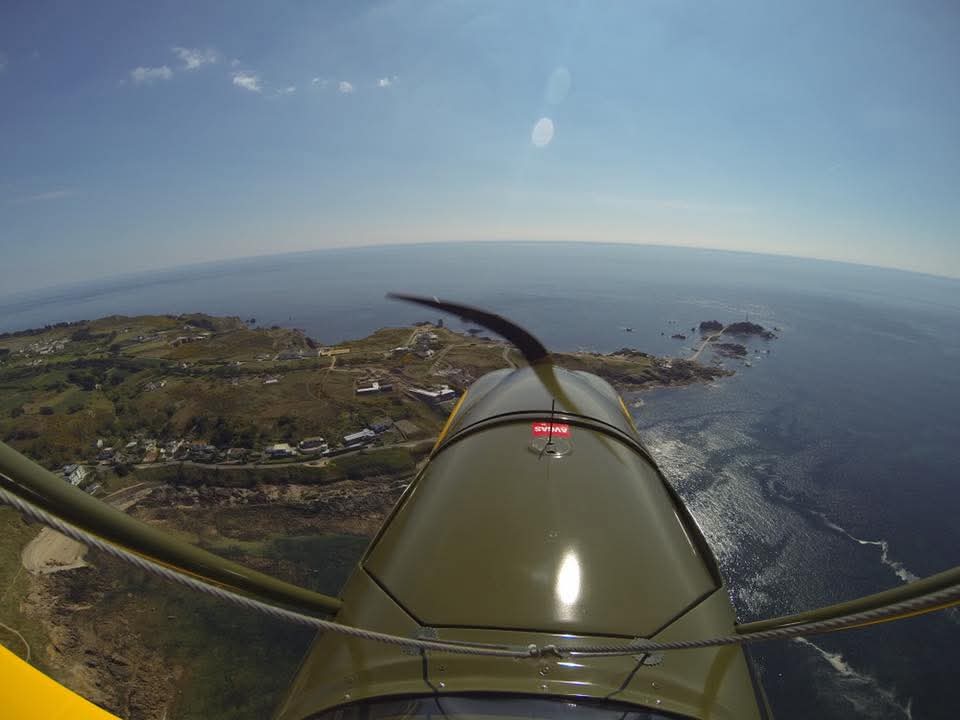
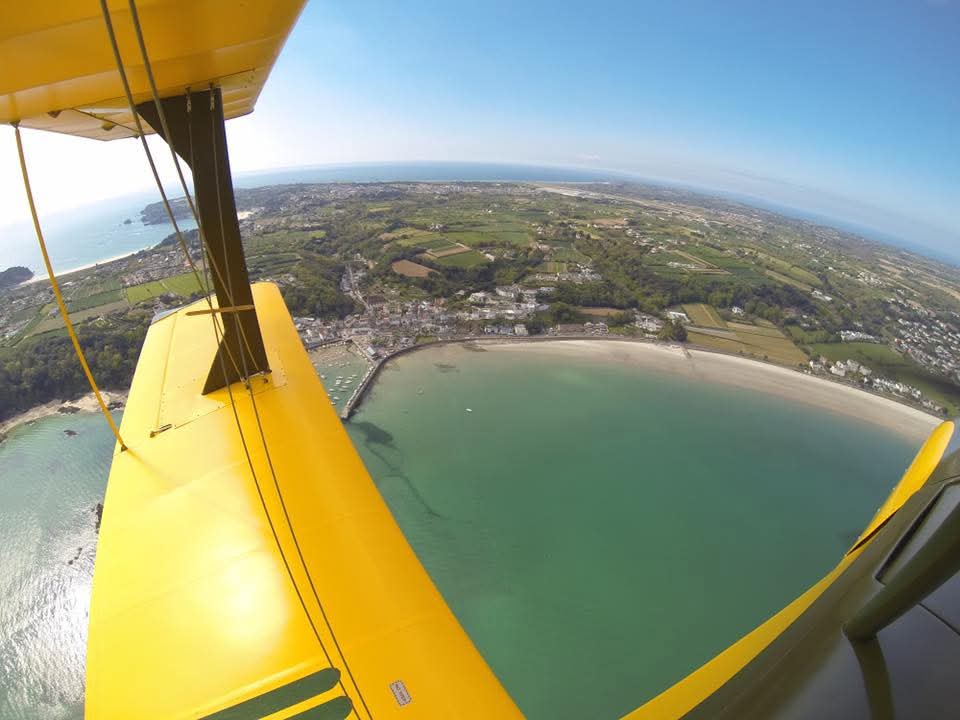
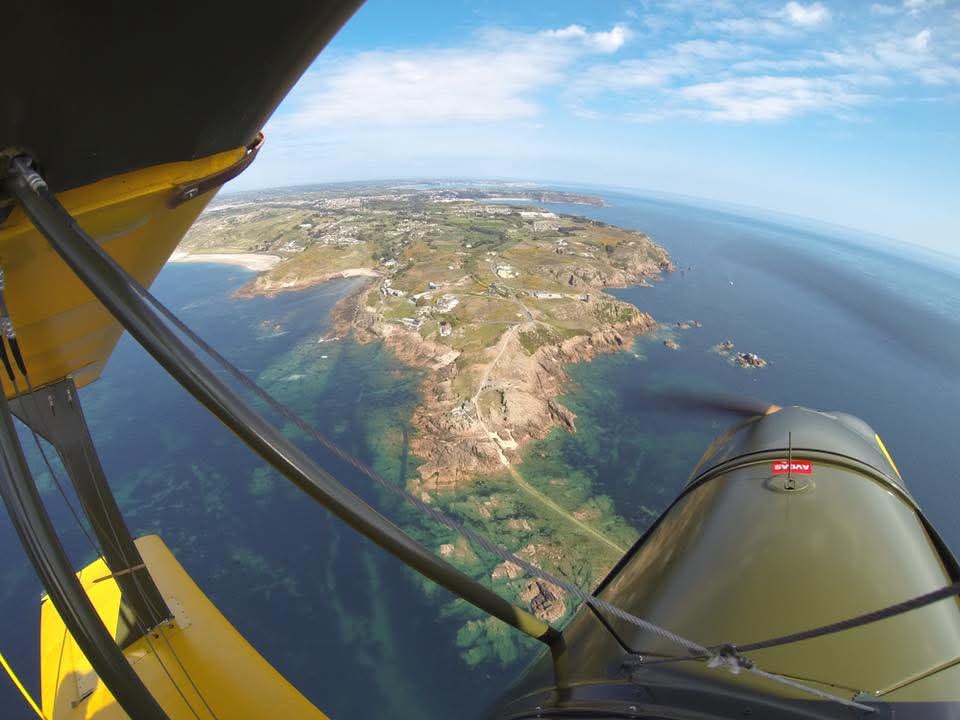
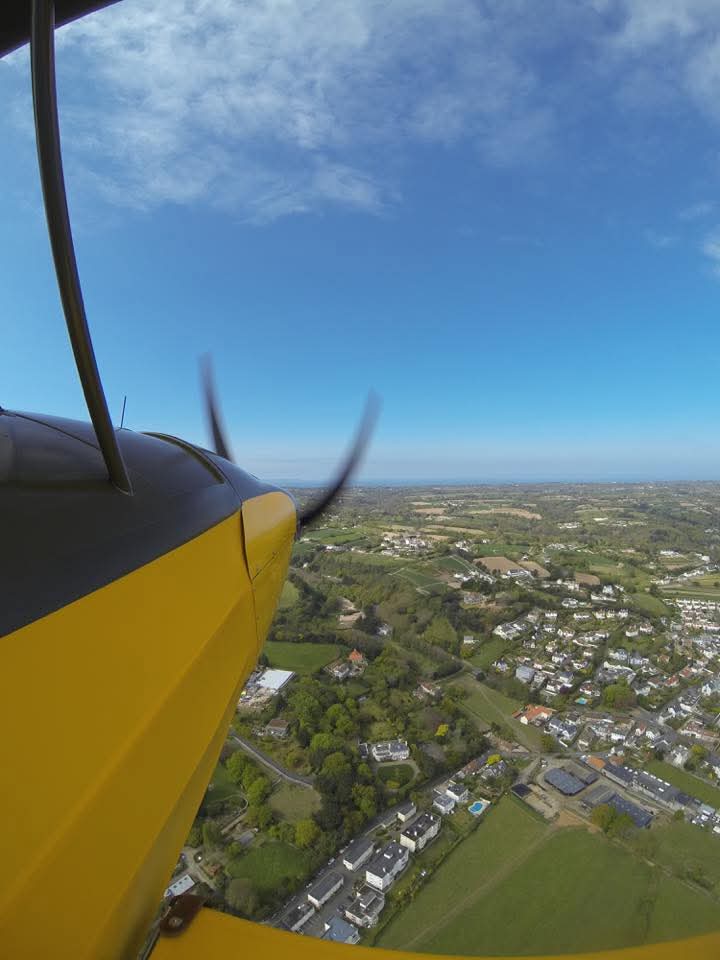
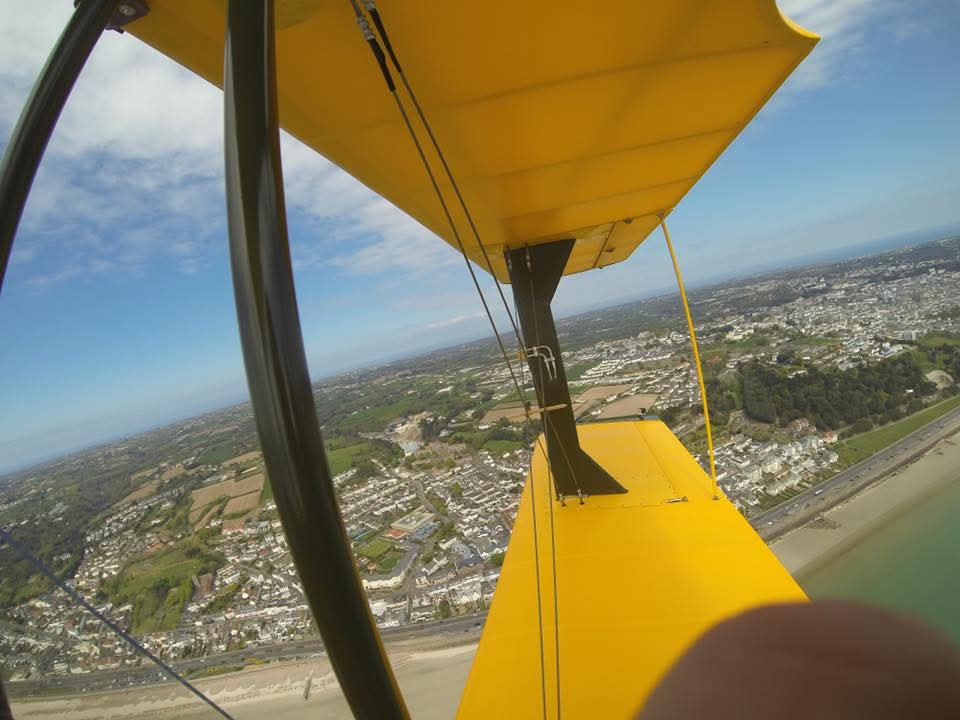
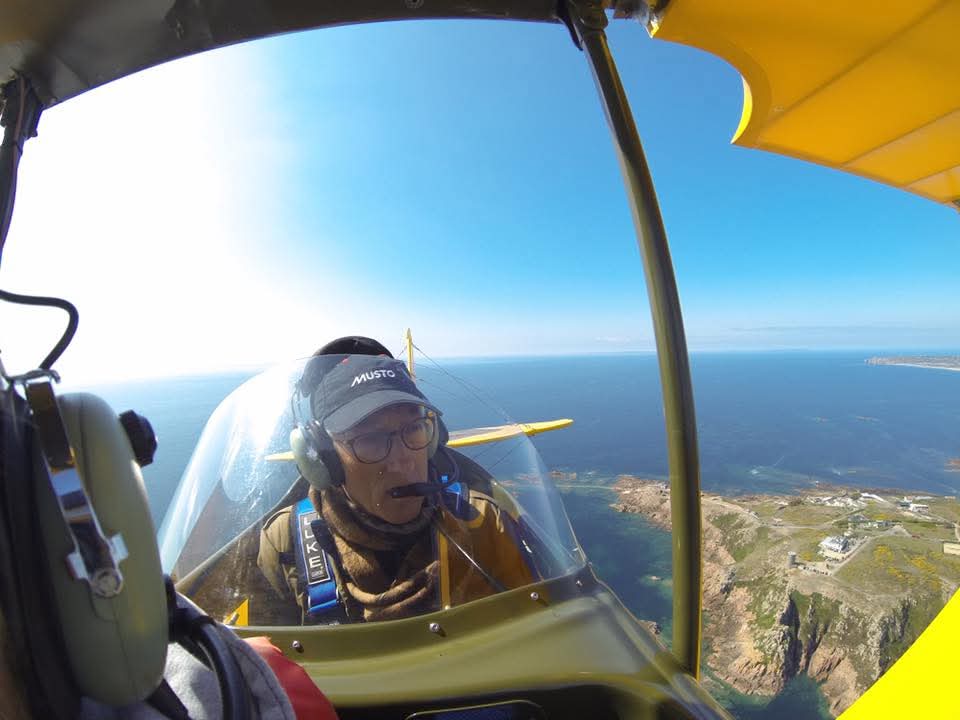
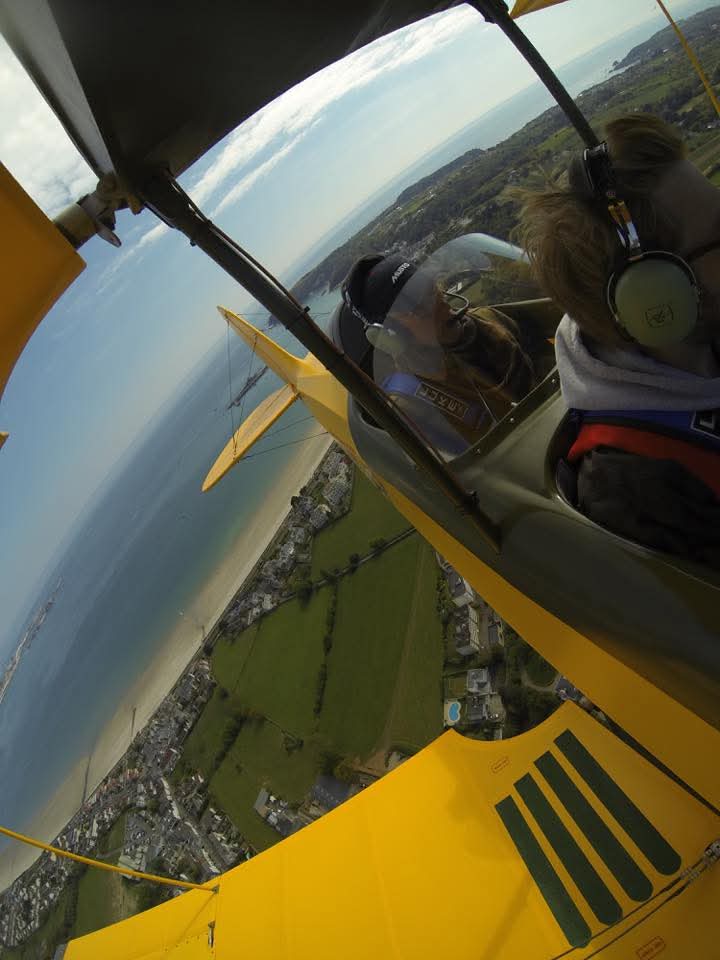
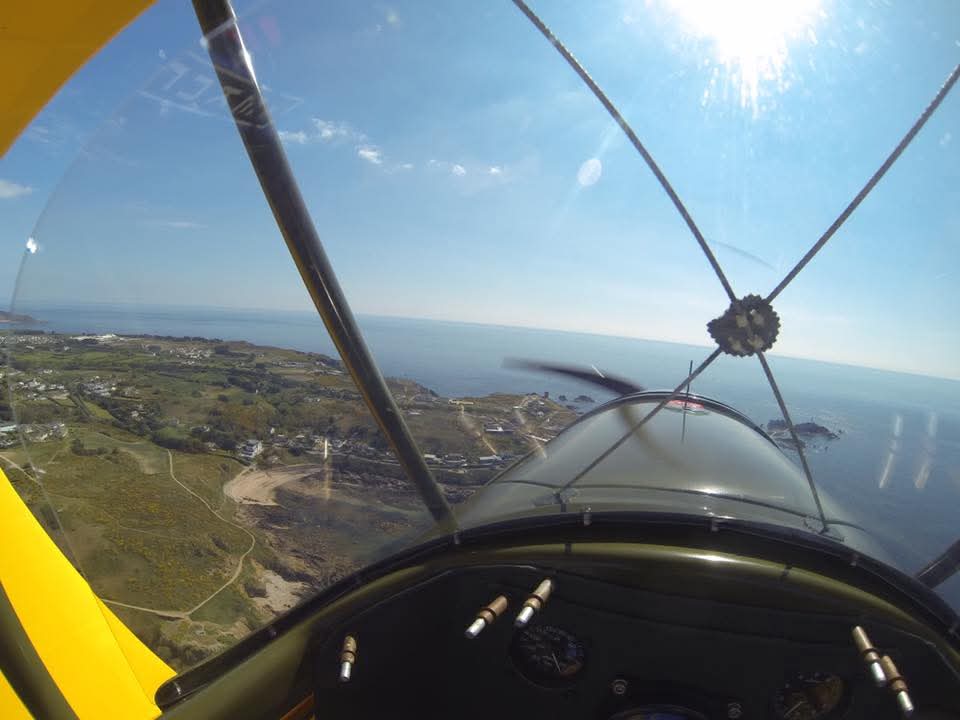
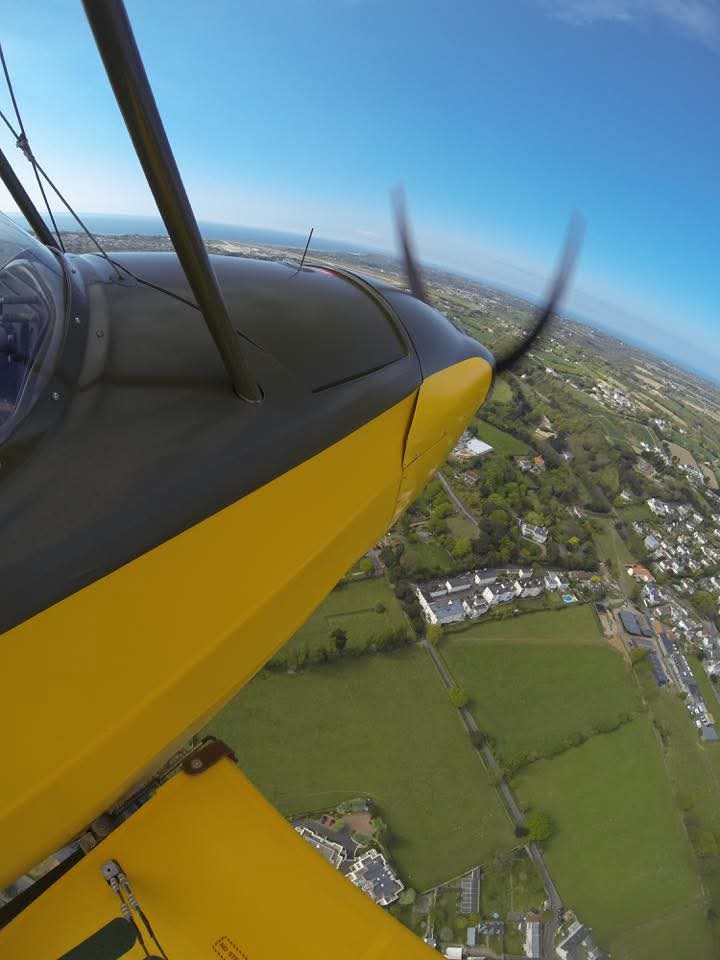
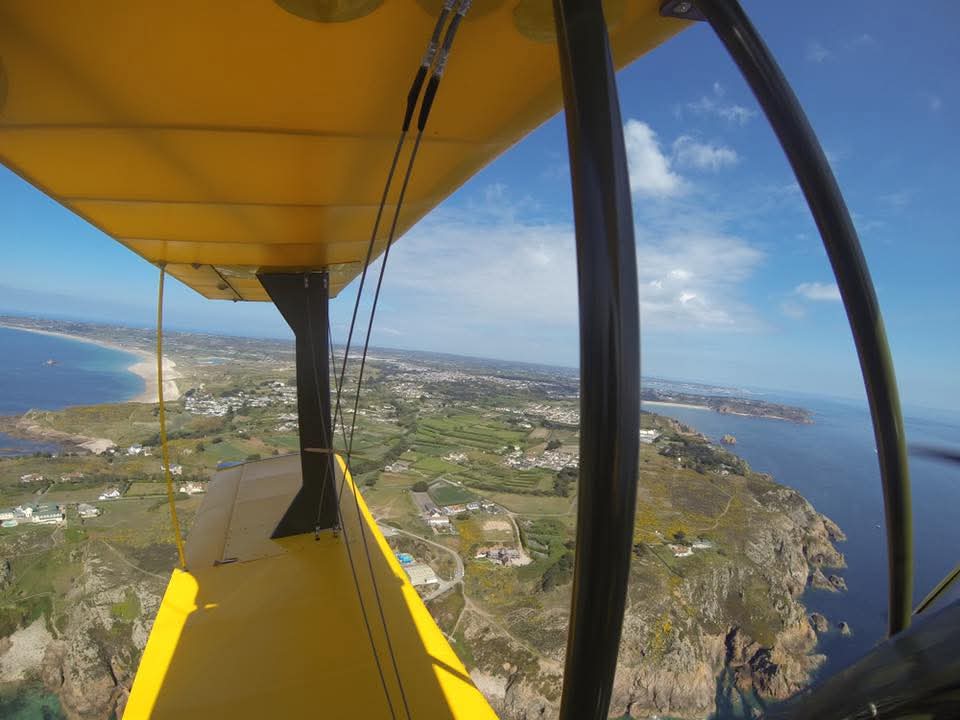
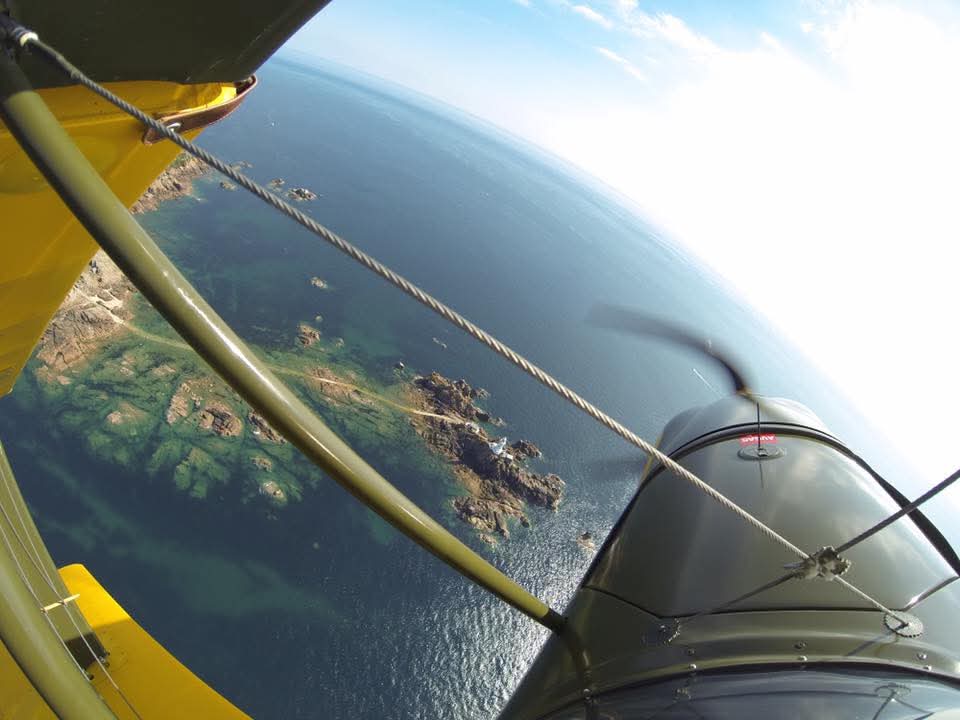
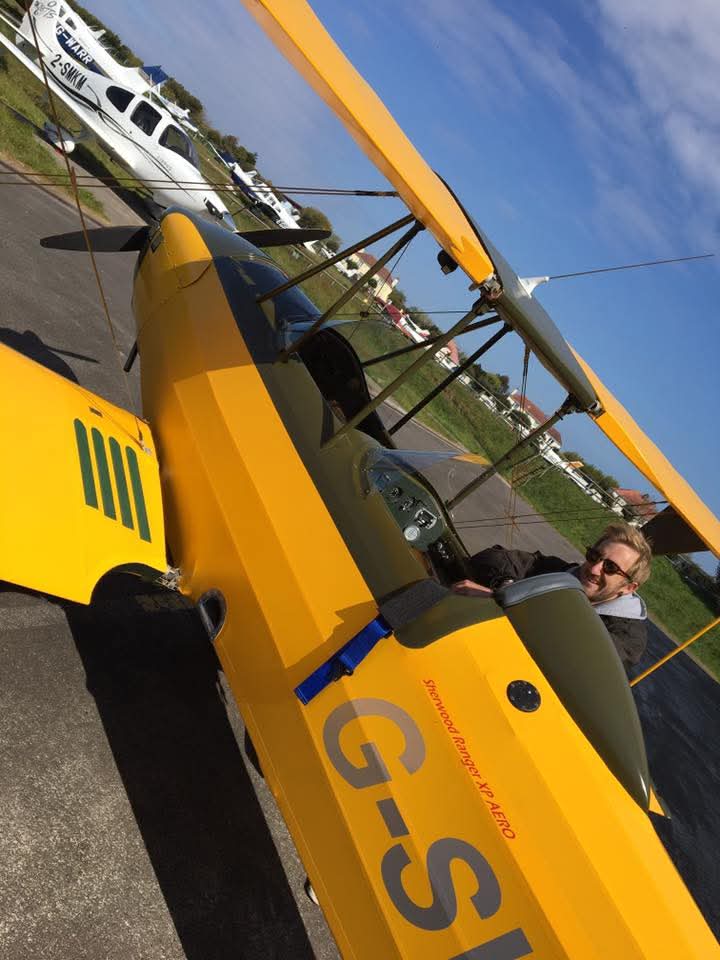
Nice little crosswind on finals as I came in right behind the Priory Farm L5 Cub

Niw the engine radiators and exhaust are in place in the mock up jig we need to get much more accurate measurements for the proposed cowls.
The recent photos from Christophe in France have been a great help and will defiantly assist the next steps over here in England
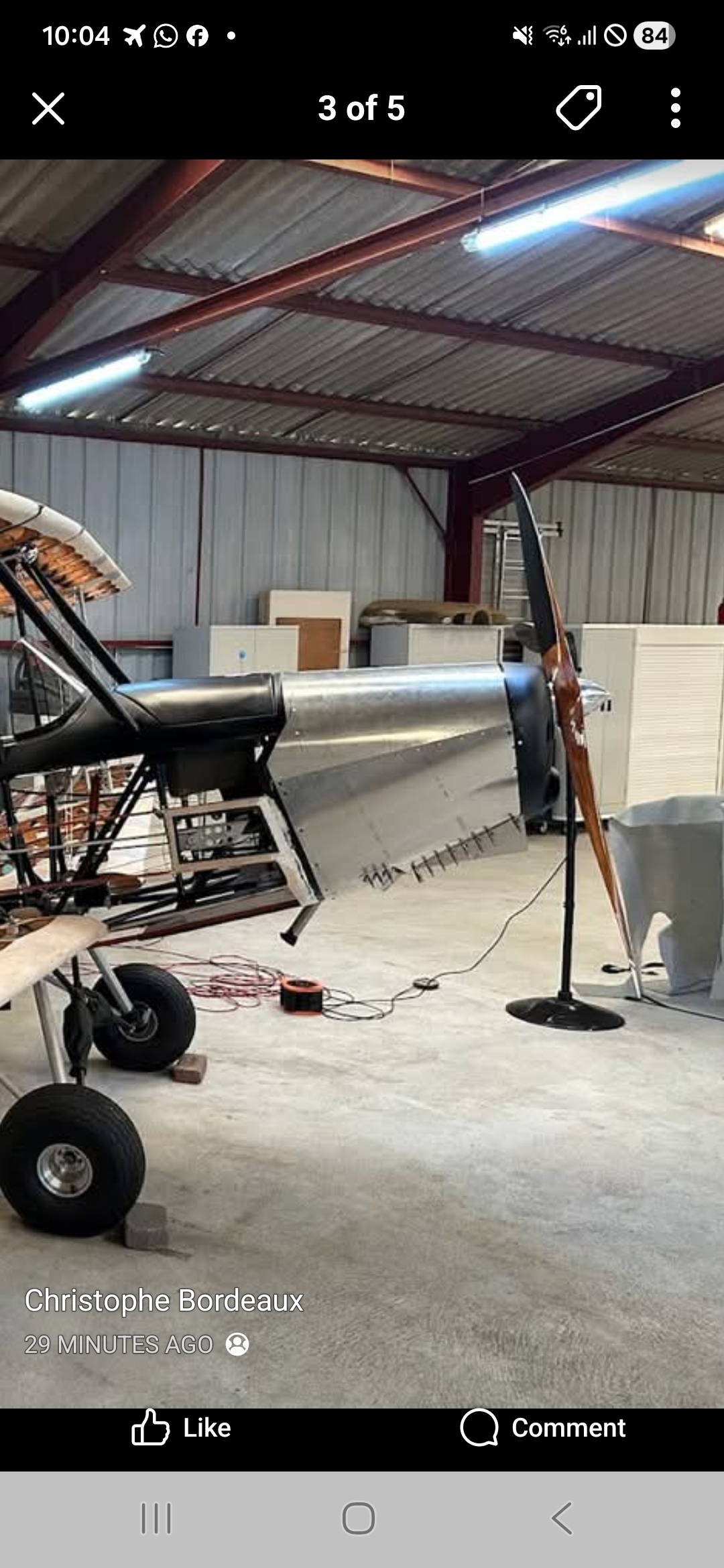
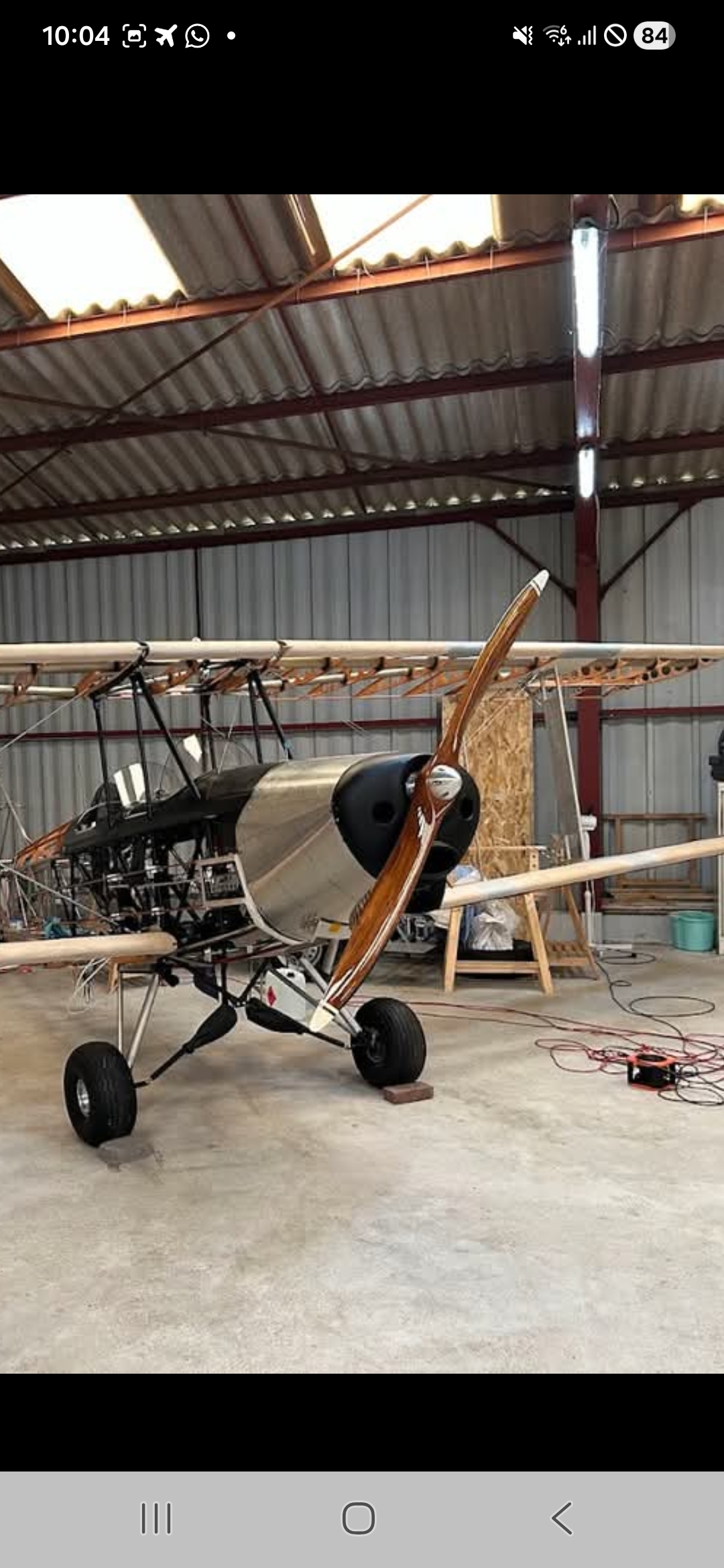
The best way to get accurate measurements is to remove the Jabiru engine and so provide a better access to the clear bulkhead areas
I normally remove the engine from the engine frame but this time it seemed better to take the engine plus frame as one
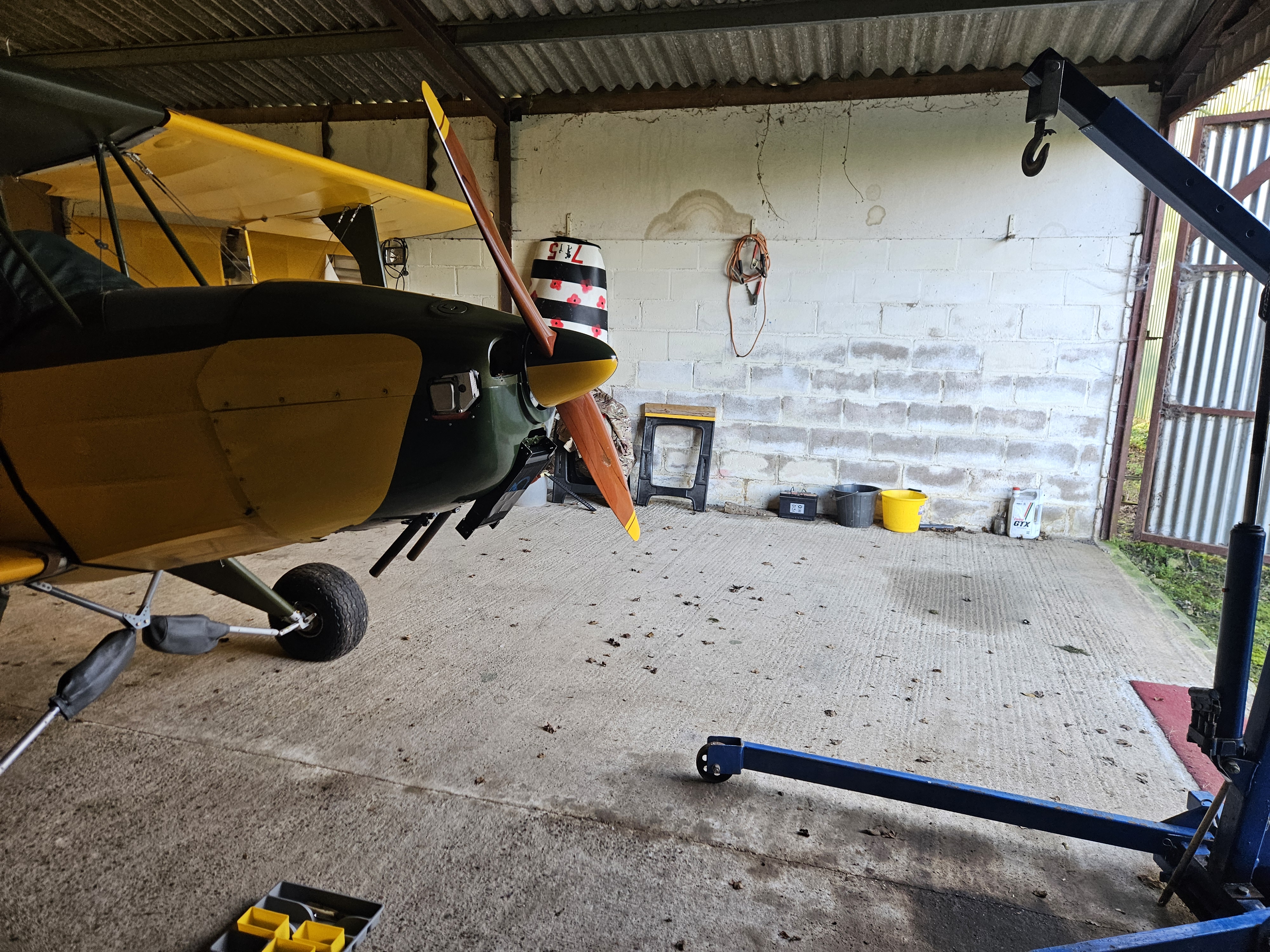
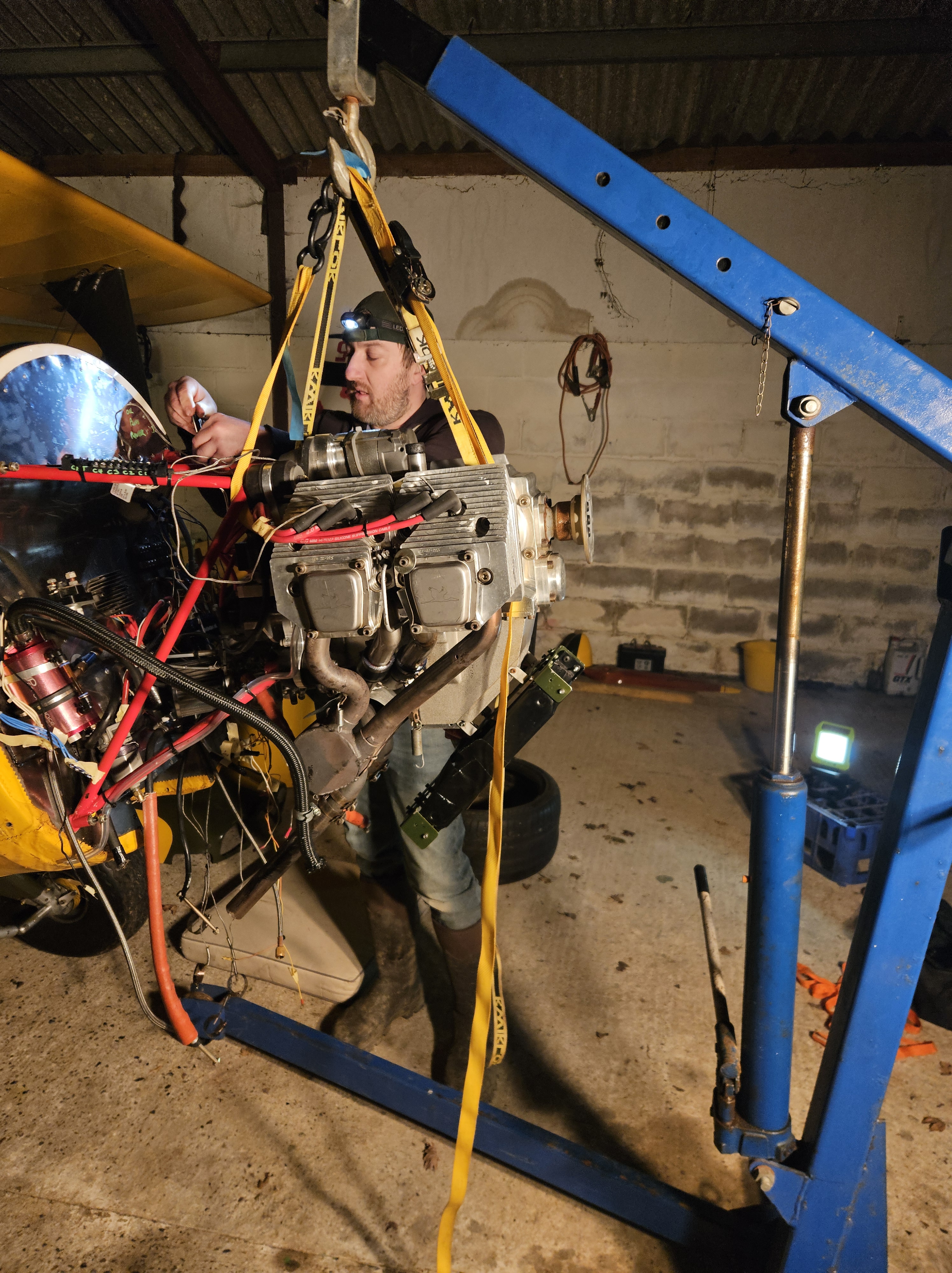
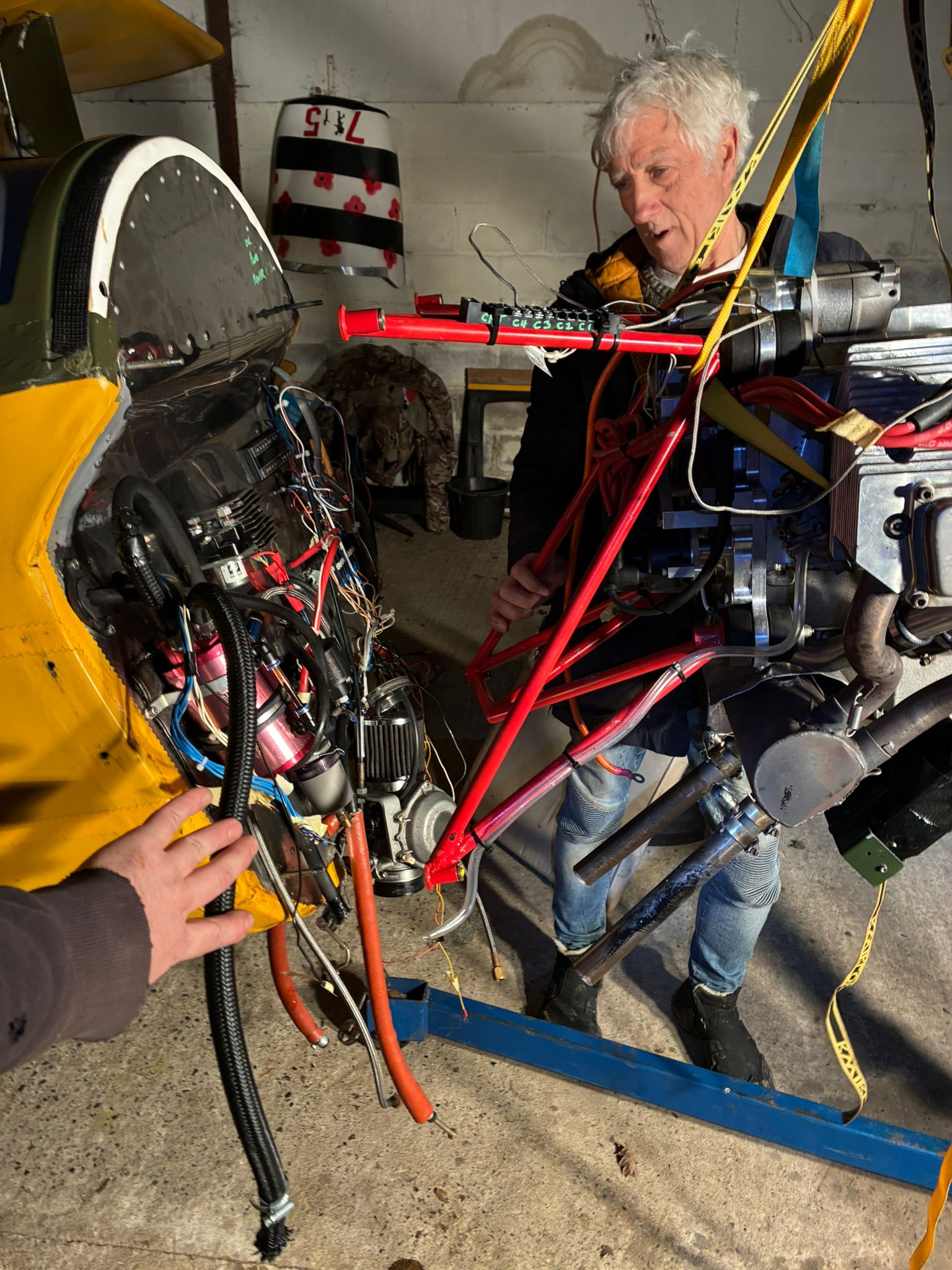
Tricky keeping the exhaust and oil radiator in situ and taking it down to floor level safely.
Post this removal, the guys from Competition Fabrication will measure after which I can refit the Jabiru whilst the cowls are built

Its a time of tidying up and making sure ive got copies of things before deleting!
Way back … this was a series of shots that the factory put out to show jist what you received when you embarked on such a programme !
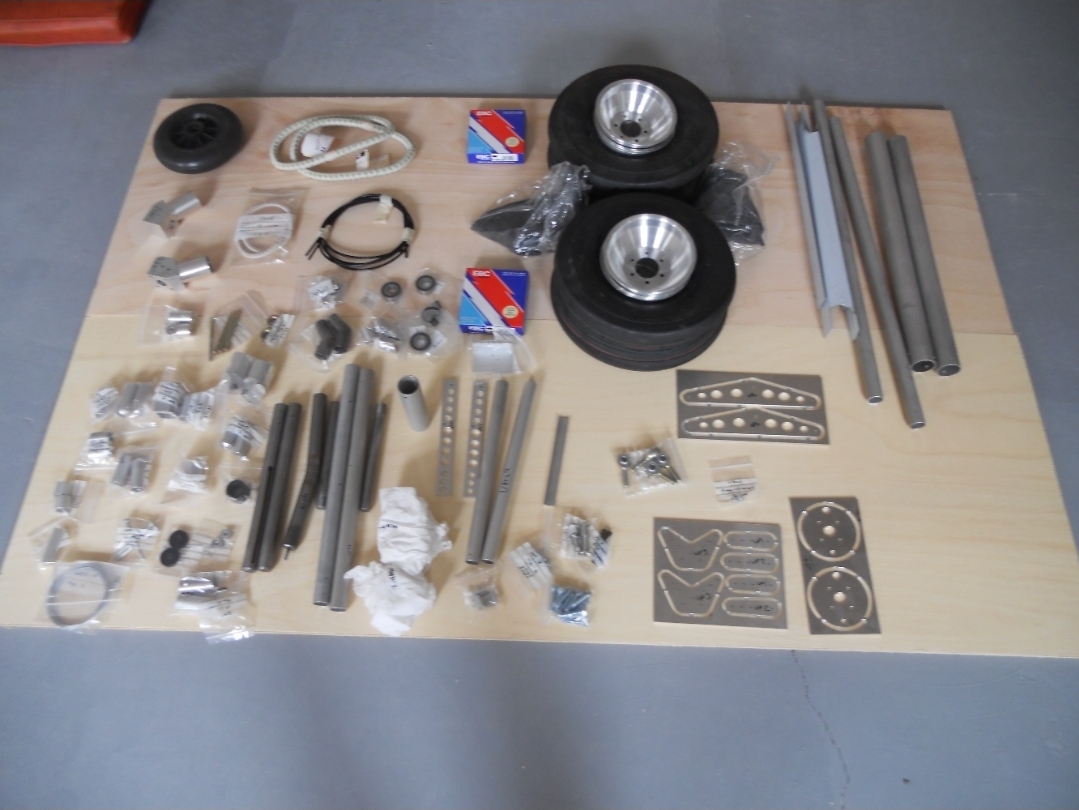
The undercarriage with plates and bolts and tyres and tubes … now, 10 years on, some of these bits have been replaced .. a bent leg (following a tow by the Jersey Airport firecracker over a speed bump !) .. at least 3 sets of new tyres .. all that taxying at Jersey wore the tyres out …
Plus done new rubber bungees post the baby oil from the smoke system making them all floppy!
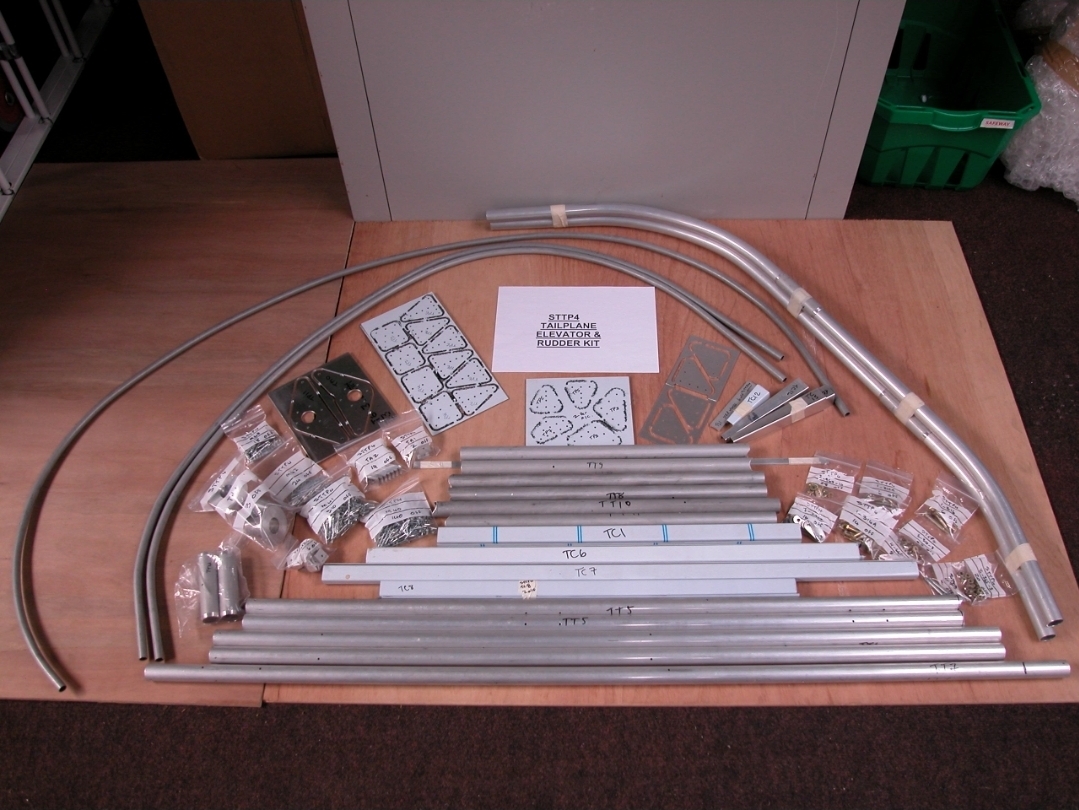
Elevator parts … i ended up thinking I needed to use the whole curved trailing edge ! .. so I now officially have the largest Sherwood Ranger elevator ! Great .. flies hands off !
wow , that was cold up there today
About minus 3 at 3,000’
Low pass of the field as pretty wet

Over the years ive lost many caps.
The first was over our house in Jersey .. flying with my son … pulling the aircraft around to stay in focus on the house, your instinct is to pull your head back and start to look for the ground to the side and below you.
Eventually, you bring your head back into line and, invariably, raise your eye line
This has the effect of getting a smidgen of wind under the peak ..and woosh … the cap is gone
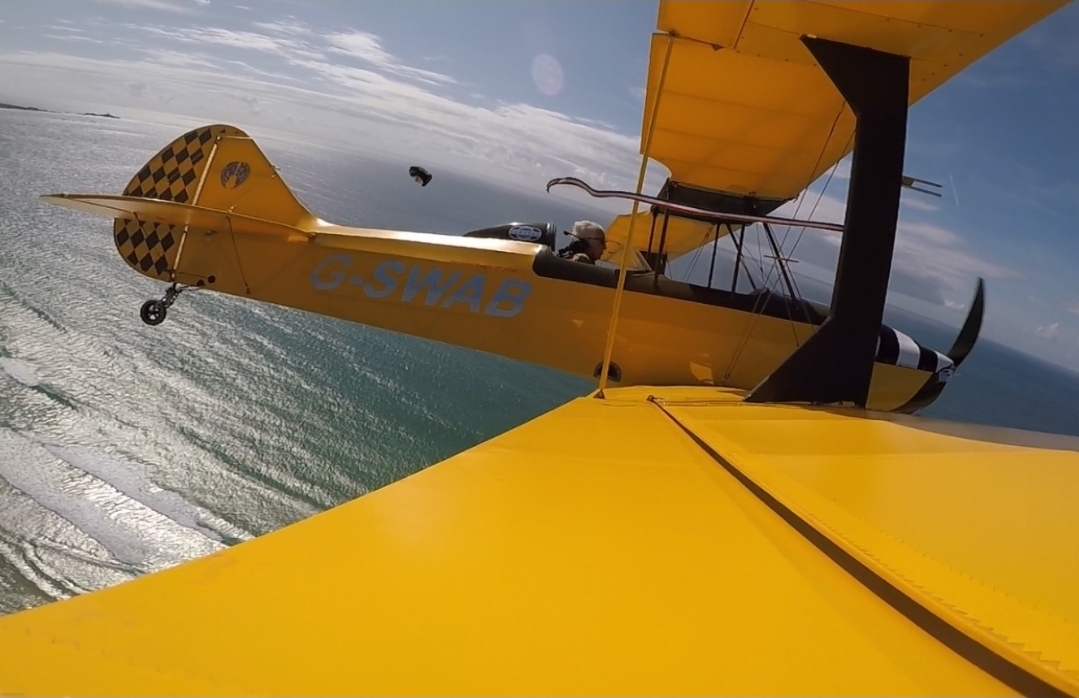
The first one ended in a field and was never found
The one in the pictire above was in the bay of St Ouen just off runway centreline. Id been asked by a local commercial pilot if I could do a fly by of his wedding reception.
Stupidly (ney Honestly) I advised ATC that I was doing 2 fly pasts, offshore, N of the runway centreline. At the hold and about 2 minutes to the scheduled reception time, ATC advised they were holding me whilst they decided if this constituted a ‘flying display’ !
Minutes passed … and eventually I was cleared to line up
Pulled up and right.. a sort of part heading towards Guernsey, and could see people just coming out for the reception. I peeled over and around (this era was pre smoke .. which sort of would have classed as a ‘display’)
I think this was one of the first time I flew through my own prop wash in the Ranger. It was VERY pronounced and getting a rather large dip whist about 500m offshore was quite alarming …
Pulling up and away into a turn and this shot shows what happened to the cap ! Never to be found again !
A more recent one was in Norfolk .. about September 2025 … just departing with my son and into the circuit and turning to see who was departing behind us .. cap went and I thought oh no not another …
As I looked around.. in the small rear view mirror I have for the smoke system, I could see the cap was wrapped around the tailplane rigging!..
We pulled around onto a long gentle curved approach..trying to keep the cap in situ
All was fine until the round out .. and the change in air flow and reduction in power ..and off it flew.
We touched and I left my son in the front on tickover on the ground whilst I ran back and jumped the ditch and across the field to retieve !
First save ! ❤️
Ive been tracking all landings since the build and its approaching 500 … but not quite there yet !
As at this morning I needed 54 to make it to the 500
Planned some teardrops out and back to speed up the circuit times but then realised id be passing a couple of houses on both outbound and loop back to the opposite approach.. so they woukd get the noise both ways ..
Rather than attract some adverse feedback I opted to do around half and mix with some full size .(normal) circuits..
Just as I got in i discovered that a mouse had managed to chew it’s way through my cap that I leave in the aircraft ! So, a very cold flight of 26 circuits with a blast of icy cold air and only a small headset to fend off the blast !

John and I had discussed a formation sequence a few weeks ago but he saw we had a nice weather window this week, so we planned to meet and pre brief.
We agreed method of lead and follow… when and what frequency to switch to and what actions to take if anything went a bit odd.
John’s new 360 camera was a great new add on and so we were using this flight as a pre test
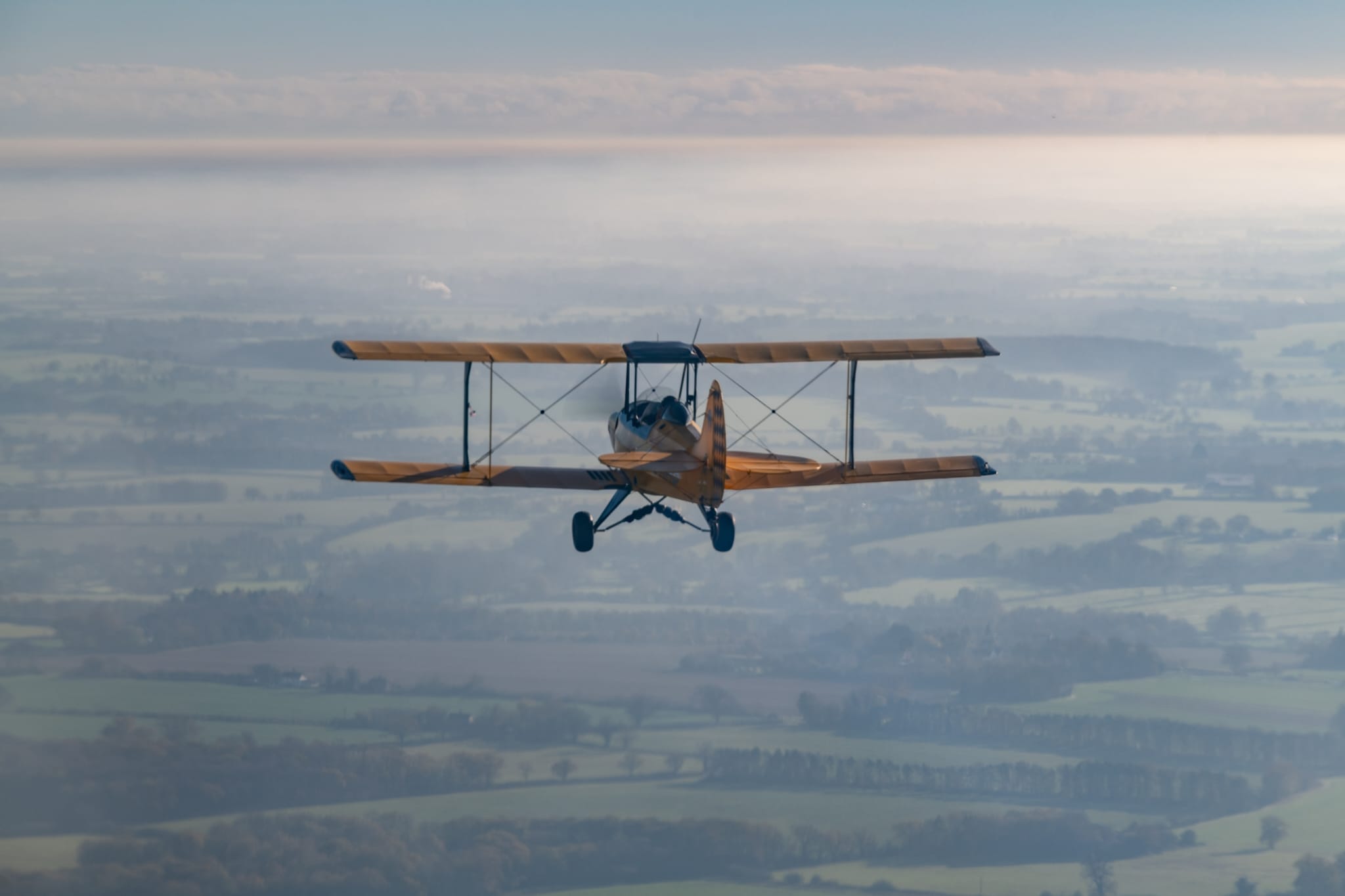

Another classic Autumnal weekend with cold and damp mornings.
Saturday was blowing a fair bit across so decided to wait until Sunday.
I had a small maintenance job to do first, so put the heat gun inside the cowl and put the top cowl loosely in position.
This would capture all the warm air inside the cowls and warm the sump, oil and carb as well as heads.
The small repair job took about 5 minutes, I have 2 RPM guages.. one is the original multi MFA unit (green and black display), then other is a newer version but dedicated to JUST RPM. The 2nd (newer) one had been in about 4 years or so, had started to go on and off intermittently.
I had traced it to a bad crimp on a ring connector that was one side of the 1 amp fuse. Undoing the fuse to save pulling the panel forward, gave easy access to allow a new ring connector to be cramped on.
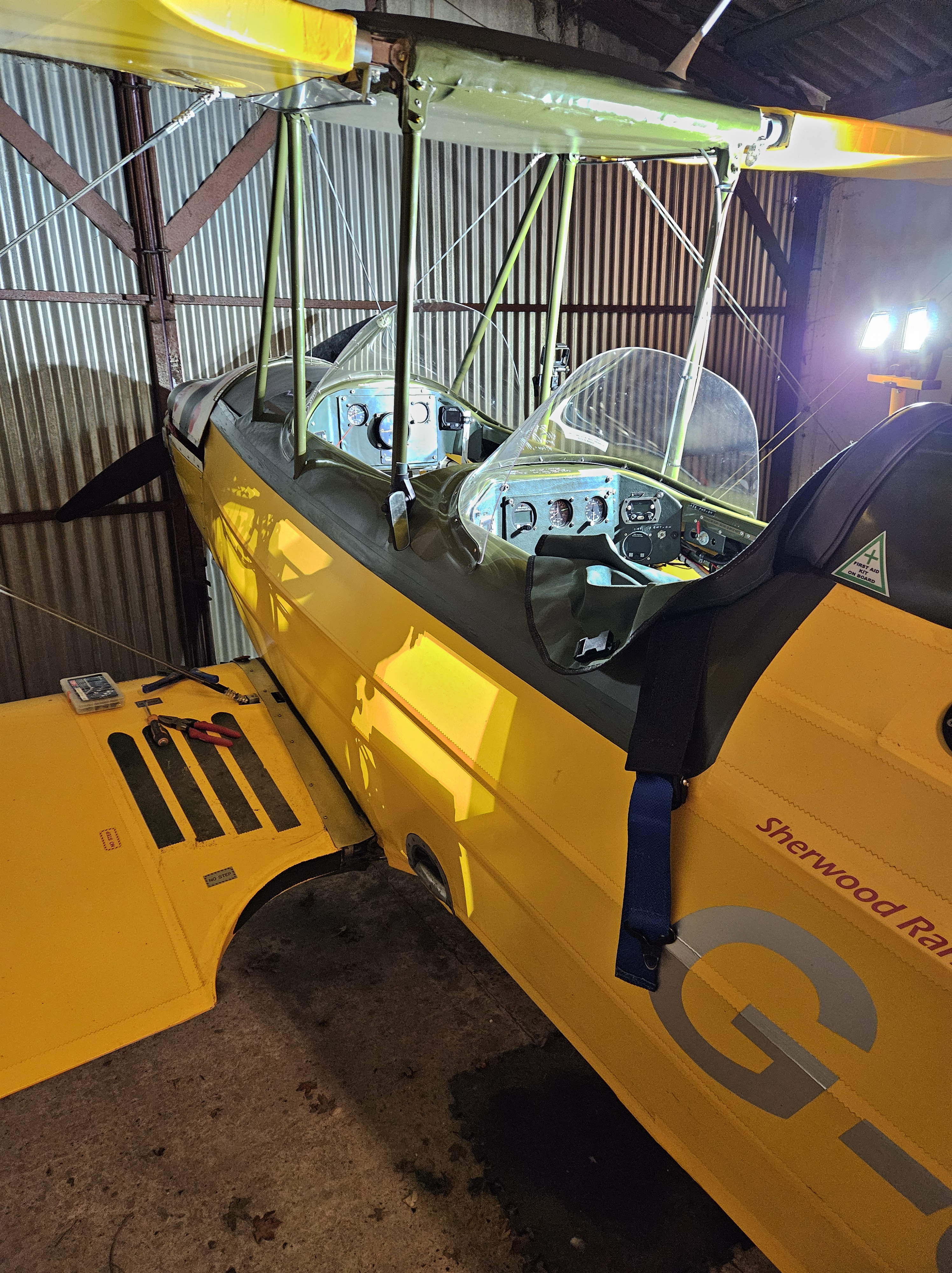
5 minutes had clasped so quickly screwing the top cowl on, pull out (with Bob’s assistabce) and she started on first turn of the blade !

