Its really handy being based at such a busy small strip like Priory Farm as many people pop by and we have a wealth of great knowledge across all sorts or skills around light aircraft.
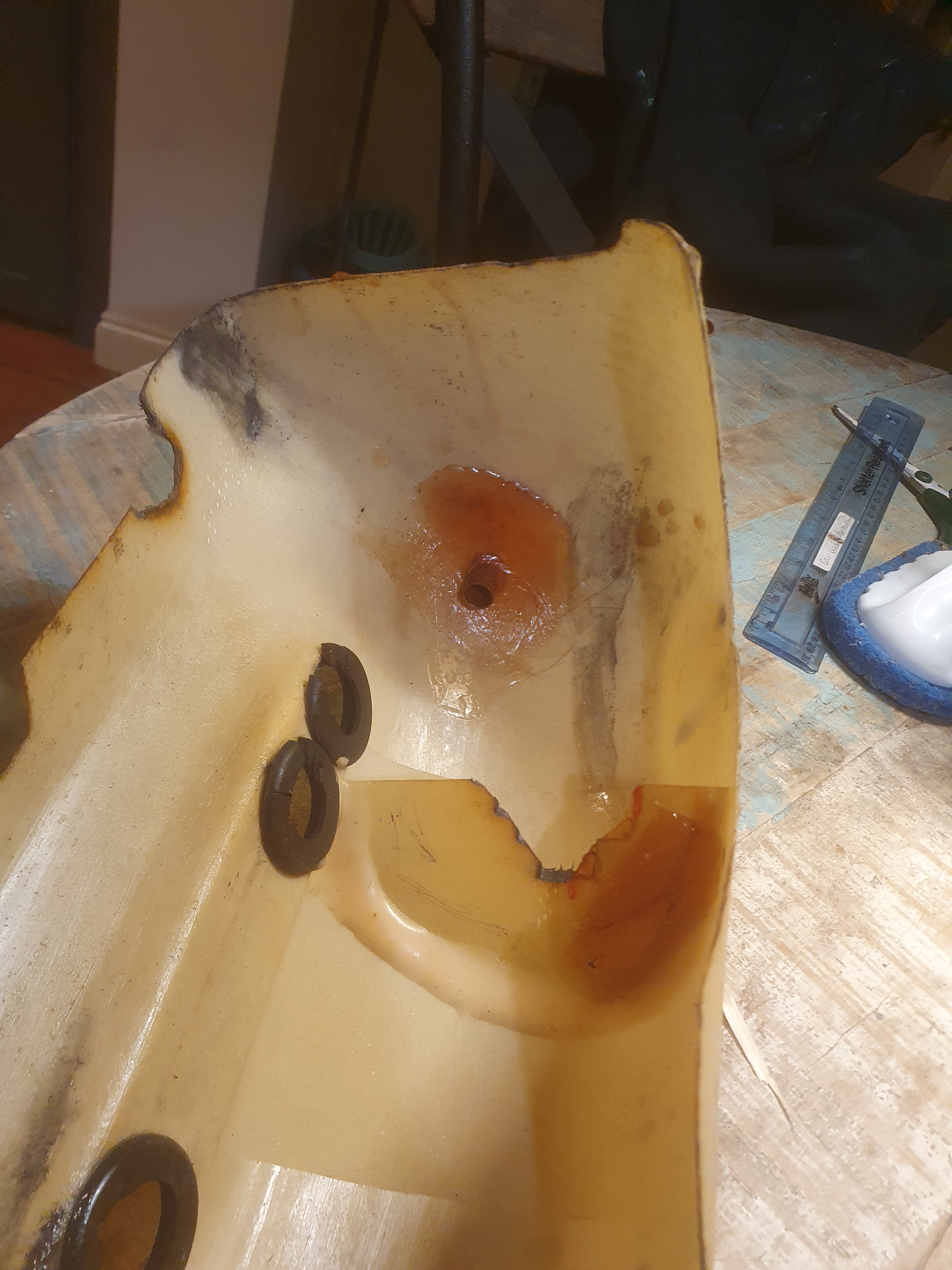
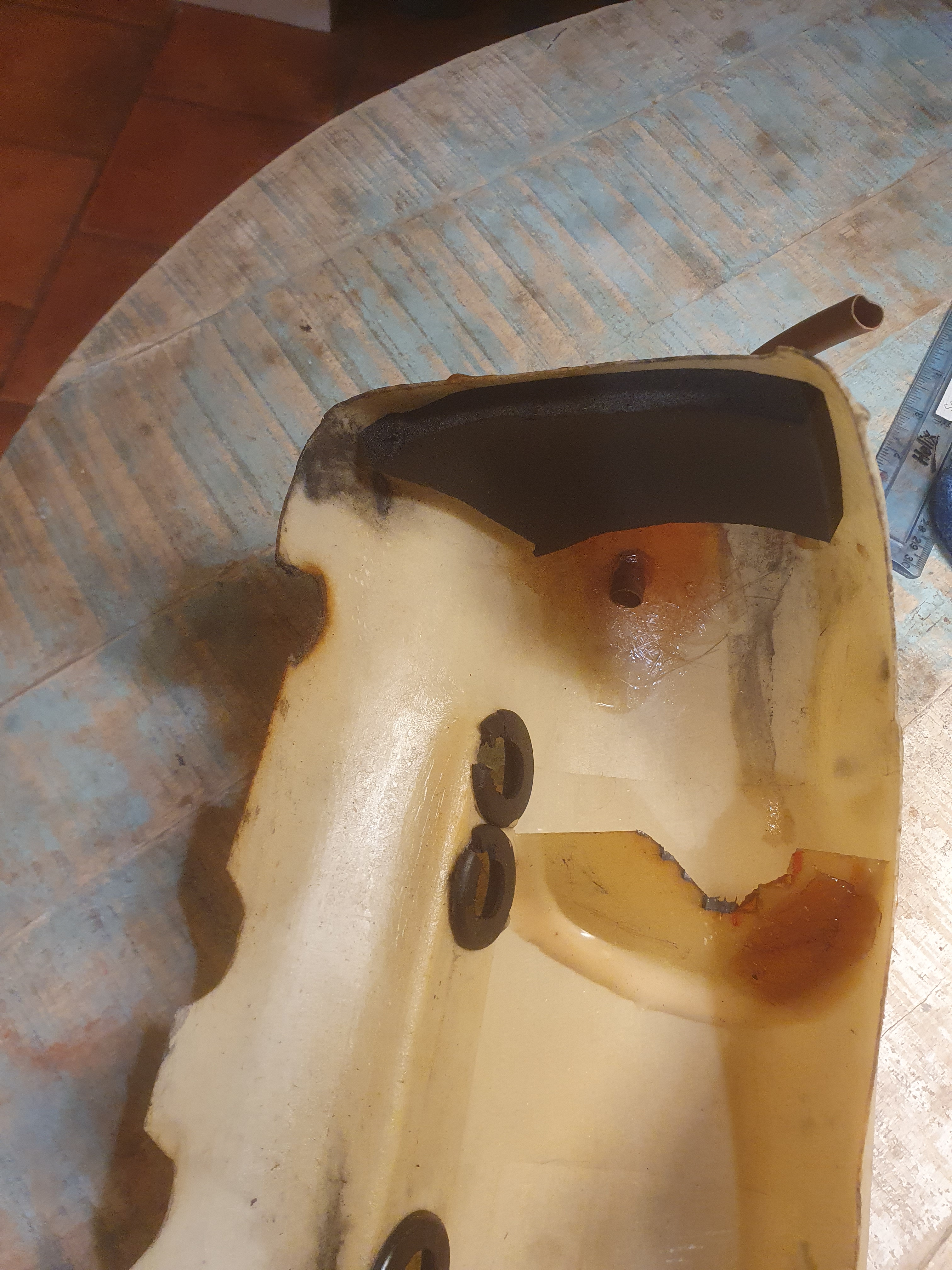
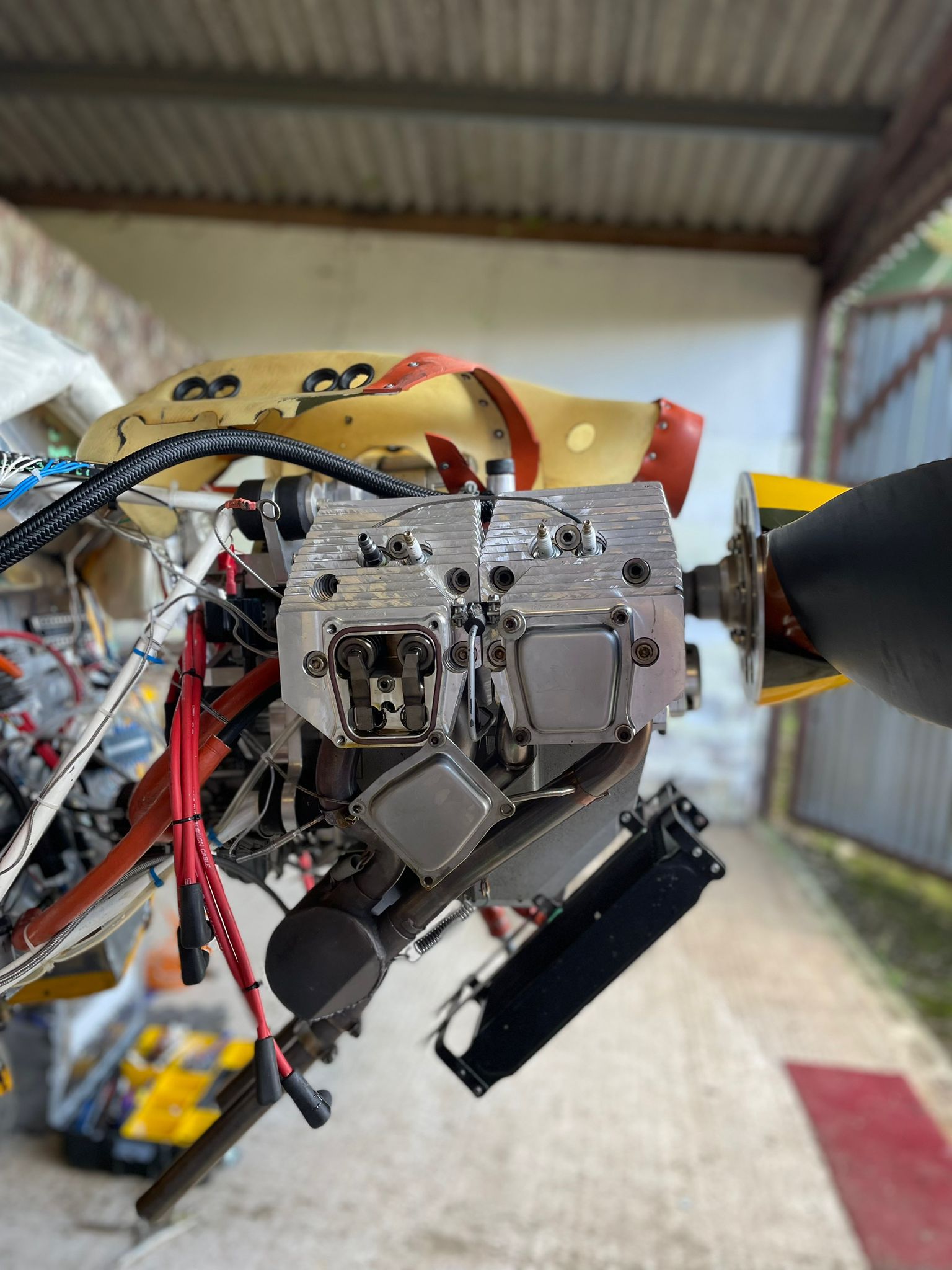
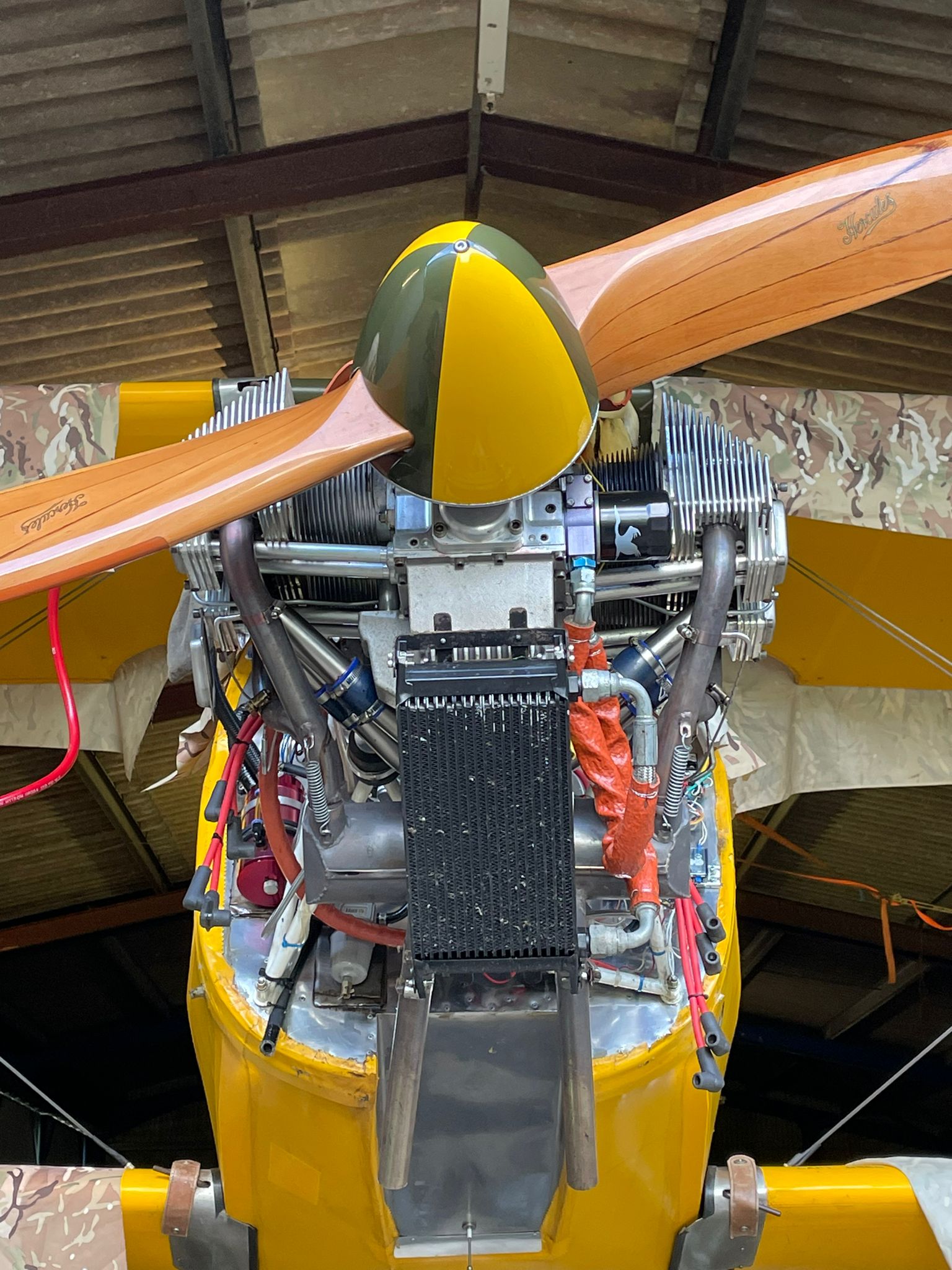
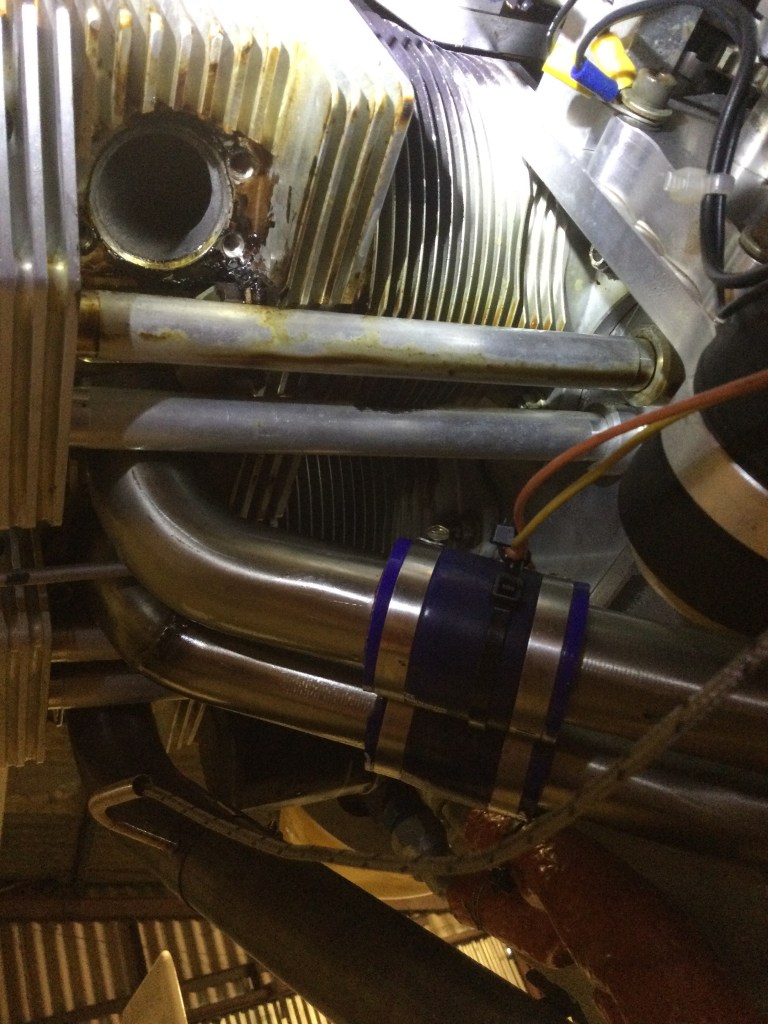
One such ‘pop in’ is Clive who has great experience of Jabirus and spotted that one of my cooling ducts had a gap at the back that you could just squeeze your fingers through.
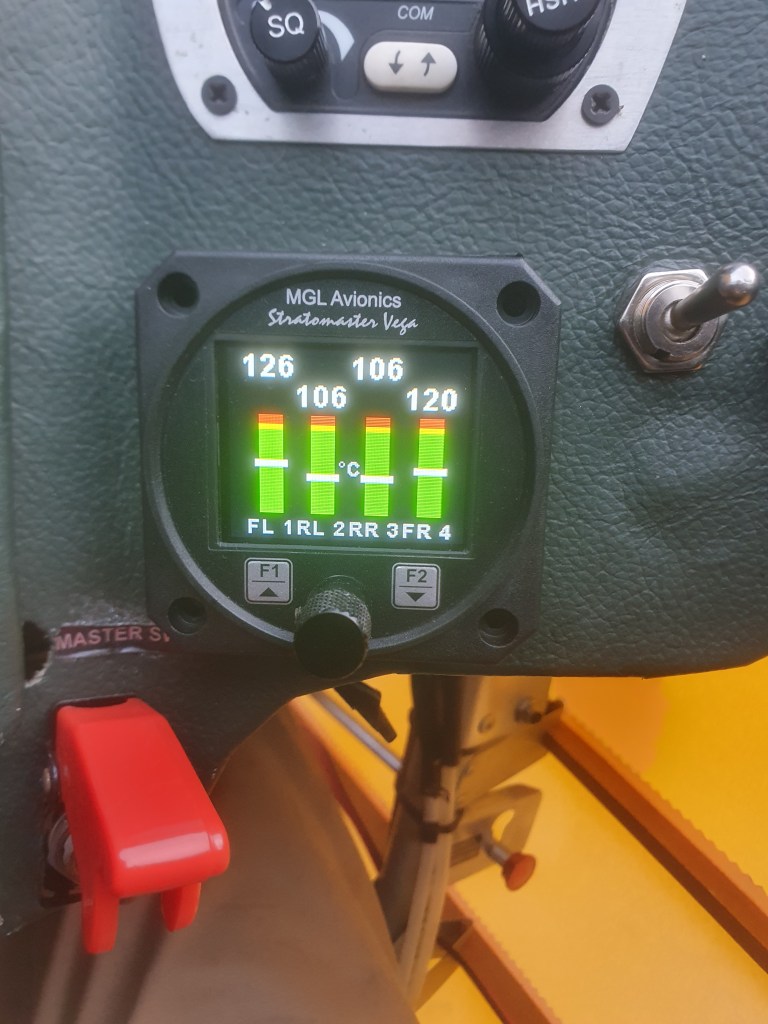
This would mean that the air, being squeezed through the front cowl ducts would effectively whizz through..and, having got a ‘shiny’ new multiple 4 way CHT monitor .. I can see that Rear Left Cylinder Head (number 4) is running colder that the others
Clive.. very kindly said he would drop some heat resistant padding next time he was passing .. fast forward to last weekend and in zooms a lovely slick RV .. and touches down at Priory .. out steps Clive with 4 pieces of this rubber of varying sizes! What a gentleman !
Duly secured .. will monitor the difference before adding more… small steps and check each step 😉
So ..you know that time .. when the kids say .. can I borrow the car ..and your 1st and 2nd thought is Nooooo .. then you think ok .. but don’t go far .. let me know when you get there… pull over if it gets too hard …
.. Brown house .. can I borrow the ‘plane … 2nd solo flight in it for Will Brown .. 1 hour 45 later .. after travelling around East Anglia … ❤️
Not really heard it from the ground… sounds quite nice 👍
Saturday 27th and Sunday 28th January saw a great fly out to Norwich airport and a visit of the Air Traffic Control centre there .
Norwich Aviation Centre had worked with the Priory Farm group to arrange 2 groups of 5-6 light aircraft to fly the short hop North and land at Norwich. Rob from NAC had managed all the planning on the meet and greet..making it super easy for us visiting aircraft to land, and be marshalled safely to the light aircraft parking and then through the security gate to NAC offices for a nice warming coffee ..it WAS a cold day .. especially in an open topped aircraft .. I had 6 layers on top that day !
Ian McDowell had very kindly arranged to handle 2 sets of visitors to the excellent tower facilities where we had a chance to meet and chat with the voices behind the radio calls we often make in the region.
Being a fully active airfield ..vs a small grass strip made for some different approaches and procedures but all went off very well.
Short video of me landing long … at over 1,800m there was no point in landing on the piano keys to vacate at the far end … the hold off was quite interesting for about 1/2 mile before chopping the throttle to land and pull off at Delta
It’s been a busy time with work and also a lot going on around home so great to finally get signoff from the annual anda short flight back to base.
With some fresh locking wire on the turnbuckles … James not liking my slightly’limp’ efforts … it’s time to see if the batteries are still up to giving a good start …
Started first couple of turns and settled into a nice rhythmic hum in the ever cooling (and darkening !) Norfolk skyline
The departure had been slightly delayed by getting 4 other aircraft out of the hangar.. and then carefully putting them back .. thanks Will for the hand 😊
The wind looked to be picking up its strength from the South meaning a headwind all the way home .. also, with a mainly E, W runway .. it was going to be a pain to taxy all the way down to the upwind end, backtrack and then line up. The taxiway is pretty short but has the advantage of a tree line on the S side so slightly sheltering the breeze.
Oil up to 48 so started to pull forward past the line of parked cars and then brake .. final check of wind, oil 50, into wind aileron and full power .. tail up almost immediately, followed by main .. always a joy to open up post some down time … just past the sheltering tree line before crabbing to take account of the side breeze … and climb away.
Settling into the now well setting sun at around 1200’ to maintain a listening watch on Norwich and spot that the ground speed is a mere 42 ! Windier than I thought
Decided not to thrash her but just cruise at 12-1500’ at 2,700 RPM … and feel glad I’ve started wearing gloves ❤️👏
Overhead turn back at Priory to check field condition as so waterlogged in surrounding fields … happy with the descending right turn and power coming back all the way to an almost 3 pointer in a quite dark, soft, strip …
The annual is nearly there … a few things came to light that required completion …
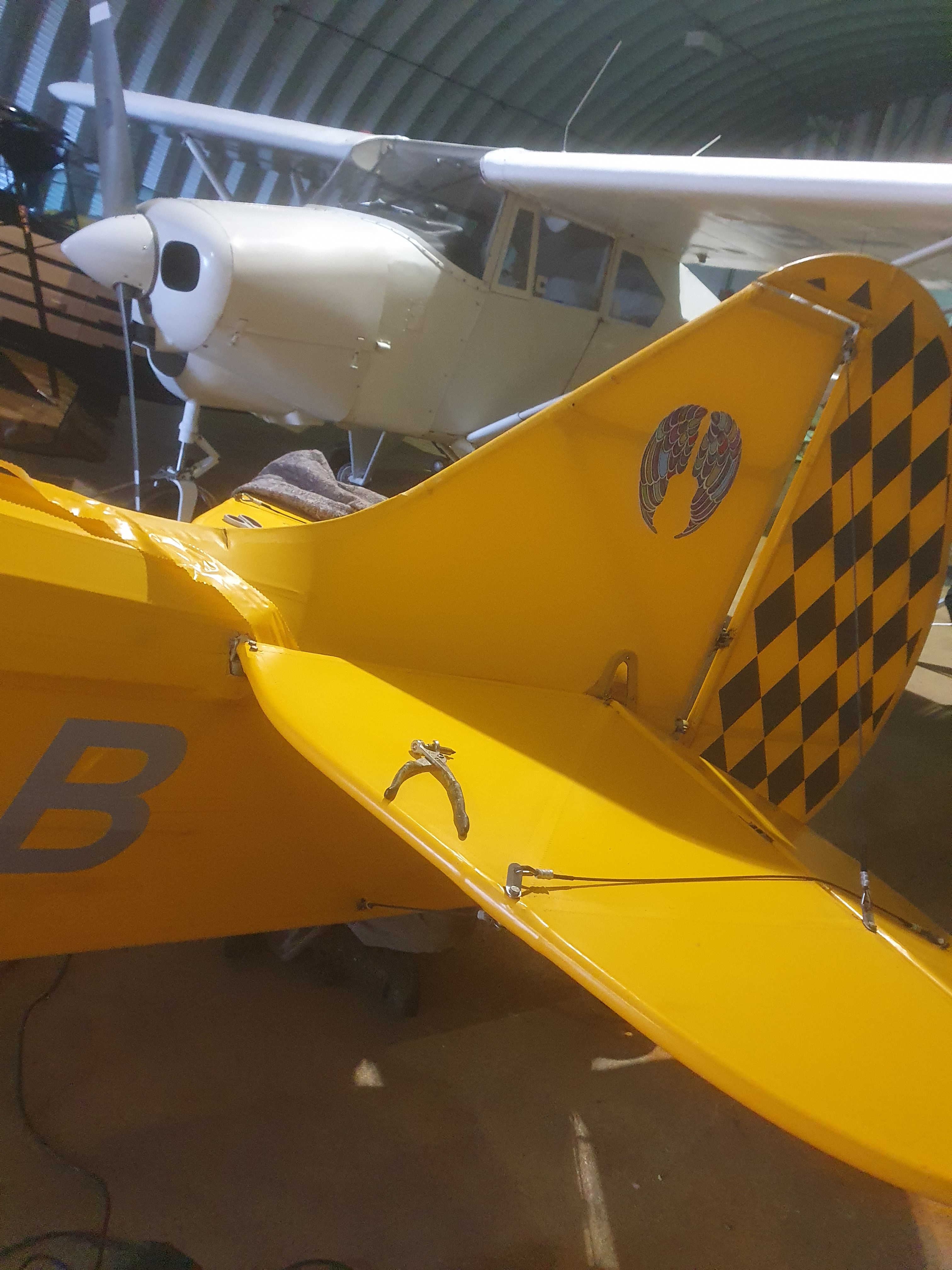
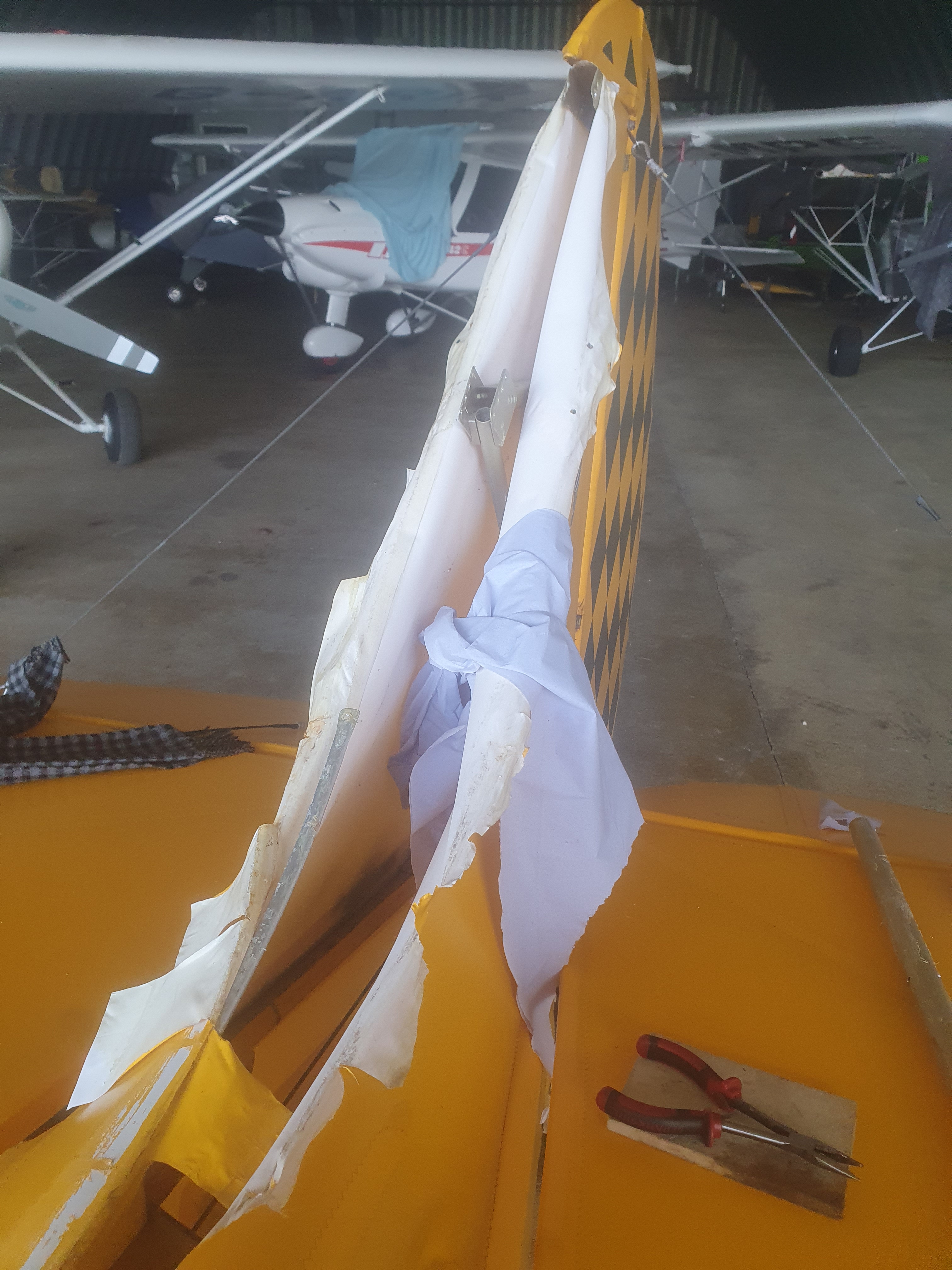
Renewing the fin post leading edge had made the upper rear pair of tail bracing wires slightly slack. These can normally be very easily tightened by removing a washer from under the tang… a really clever and simple way of increasing the distance and so tightening up he brace.
The problem was, that I had no remaining washers and so I would either need to re manufacture new slightly shorter cable or, do 2 turns on the cable to tighten … hey presto and even enough to put a washer back under.
We also located some small cuts and one longer 4” cut in the underside. I have no idea how the longer one got there but some of the smaller ones were from protruding edges on the footwells. I’ve now put doubler tape overlaps on these now.
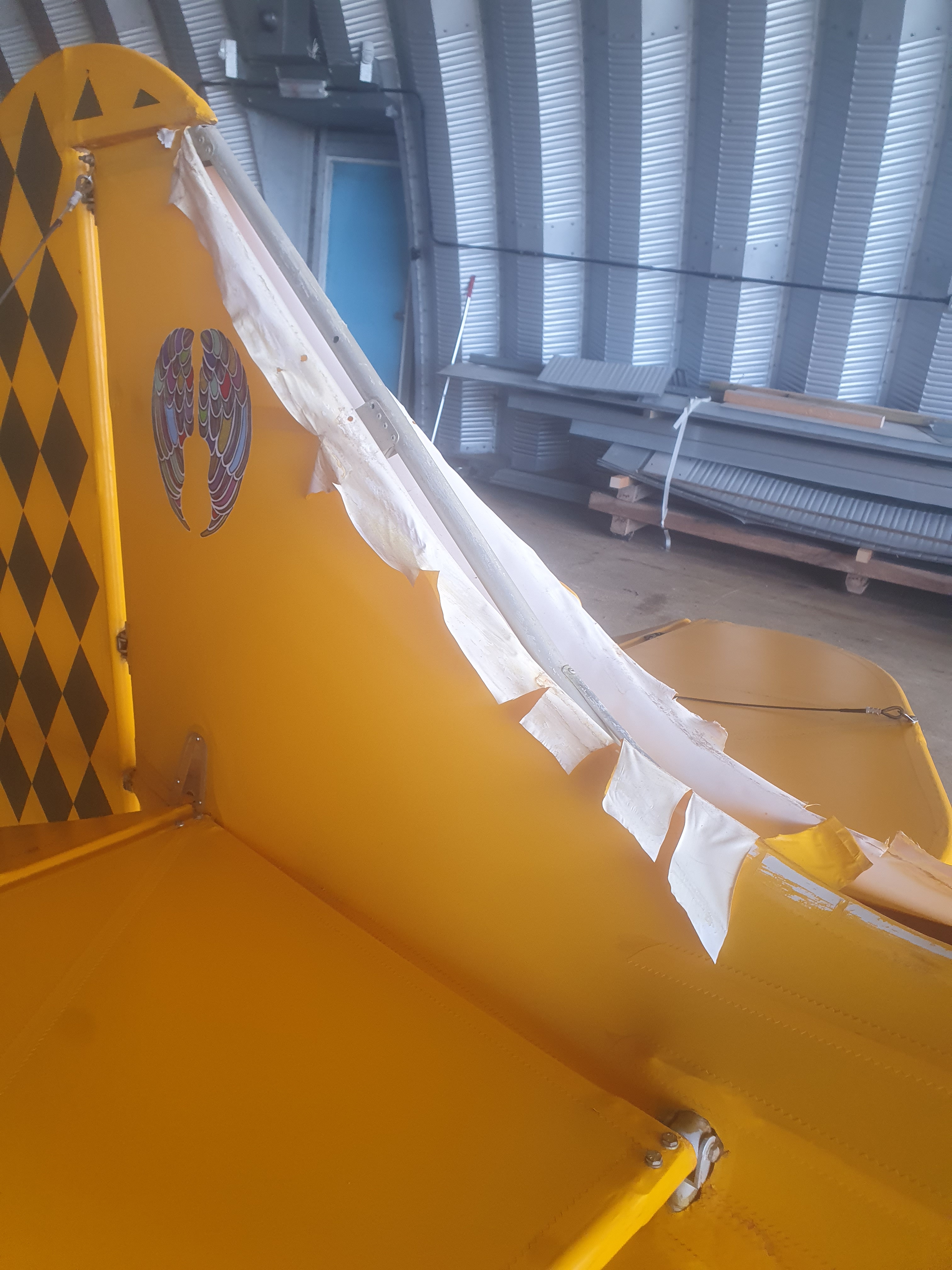
We also found that some of the tape overlays I’d completed last year had not stuck as well as they should. This was probably due to the cold and damp hangar I applied the glue in. Def NOT ideal situations to apply glue.
Re applied sections and new freshly glued edges with a good use of heat gun to warm the entire area.
The final piece was to increase the amount of up and down elevator which was found to be about 2-3 degrees short of full throw. This is achieved by removing the spacer washers from one side of the stop bolt (located at the bottom of the front joystick) to the other side of the bracket.
With 2-3 degrees more up and down I’m going to have to take it steady the first few flights post the annual.
Just checked and its over 8 years ago when I first glued the fin and turtle deck covering on… not an easy task as it was 1 long piece per side.
My old post shows the details and (quite handily) the exact temperatures I used at the time.
I wasn’t expecting to undo it … ever .. but, needs must and with some judicious use of the heat gun and easing it off at around 160′ to remove the top pinked doubler strip
Then, similarly ease the overlaps off that were put on so long ago ..
Once the rib had been replaced I cleaned down the previously glued areas of overlap and applied fresh hotmelt glue
Some of the overlap had doubled over at the edge and stuck fast so trimmed a couple of mm off to neaten the edge.
Then, using the heat gun, heat the material overlap and new fin glue edge and press down with the heat matting.. making sure I was pulling it as taught as I could.
The bond was super strong.. and the remainder of the fin started to tighten.
I then left it to cool … overheating at this stage could pull the ‘just bonded’ overlaps.
Pleasantly surprised that the Oratex was so forgiving to a fairly major movement and return !
It’s always good to get the annual test done and dusted but it’s also a time where things might crop up .. it might be recent or it might not …
A few things came up and one particular one was a bit of a pain ..
A while back I wanted to fit a go pro mount and had seen some really good ‘tail looking forward footage.. so drilled a mount and all was well
Unfortunately this is a ‘non standard’ mod so I can either somehow do all the official stress test analysis and load testing and submit to the LAA for approval or … remove and replace it !
As approvals are not the fastest thing to go for I opted to remove and replace the single bar fin leading edge
I’ve not undone the Oratex much before and it was stuck like rock .. judicial use of the heat gun to remove the wide pinked cut band overlay and then start to get the edge of the material loose
An earlier post in this blog shows how I feathered the overlap on each side of the fin to ease the complex curves .. this all needed releasing now
All the time I was thinking I didn’t want to over stress the removal as I was intending to put it back and re tape the join cover
The factory had the replacement material in stock but NOT a trimmed and pilot holed part.
TLACs Emma raised a works order for part T53 .. the final leading edge and 20 minutes later I was in front of the cutting tool with the amazing Chris
Part duly cut .. 2 pilot holes .. and lined up in the now open fin area.. clecos applied and drill through the 6 x M62 large rivets and 6 M41s
Just need to get the 2 new lower brackets paired and shaped and aligned for pilot hole marking and drilling
Last task of the prep work for the annual .. the LAA now want a mass of captured data and settings and measurements..
I’ve not captured the engine leak down test before but The Light Aircraft Company kindly leant me their leakdown test kit
We have a compressor at home and so read up about getting the prop to Top Dead Centre TDC, removing each rocker cover so we can see when the valves were compressing (opening) and lifting (closing) and both closed
Connecting up the pressure test .. introducing it to the exhaust cylinder .. having removed the spark plug
Pressure released to 80 and check leak down in 2nd gunge.. 70 or more on all 4 cylinders .. Great … 👍
Time for the annual flight test .. a sort of normal flight and then a long climb up through 1,000, 2,000 to just over 3,000′ and time the climb
Getting about 500fpm and, at the top of the climb … decide to to the stall checks
A couple of reducing to tick over and holding back on the stick to get to the stall … slight buffet at around 40 and then slow mush at 35
Then … push the nose over and down to check VNE .. max descent speed … listed at 100mph … after a fair descent .. and no drama .. I chickened out at 95mph
Post the flight I thought it sensible to check for leaks and engine bits
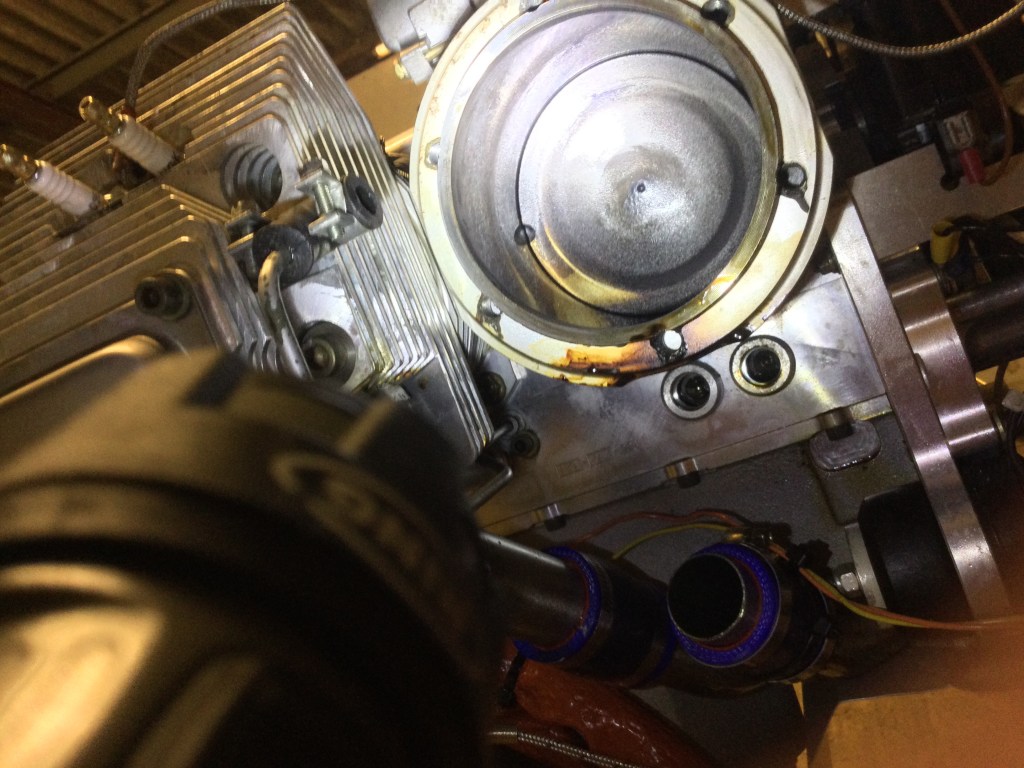
On analysis I spotted a small smear on the outside of the rear left pushrod tube guide
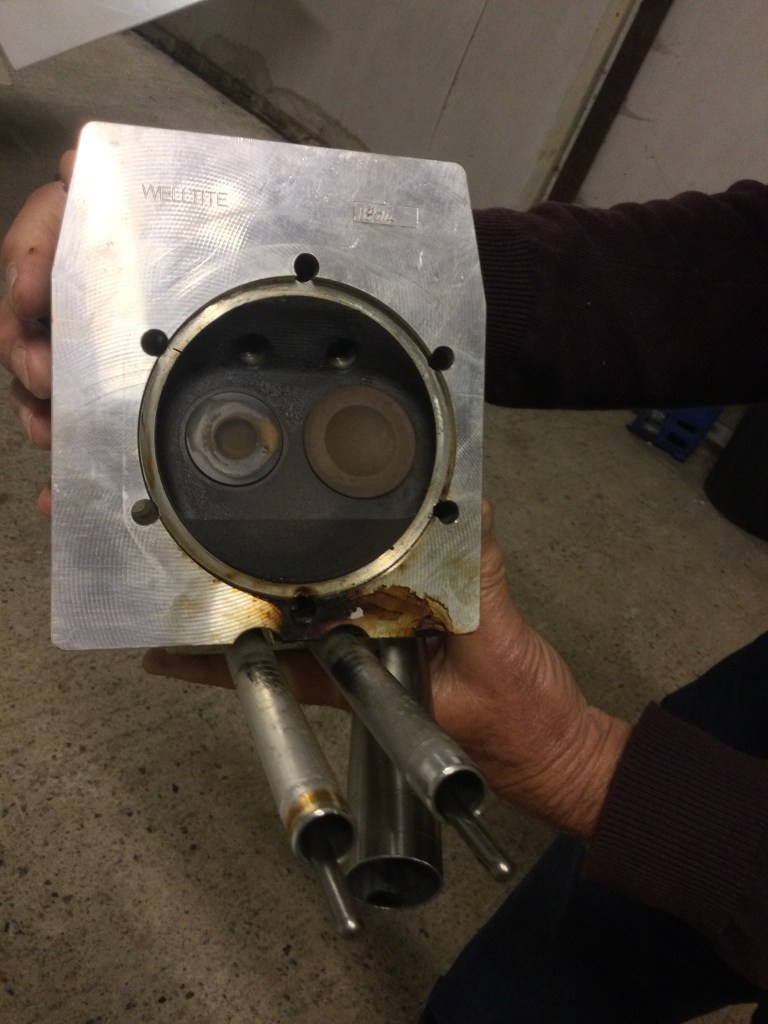
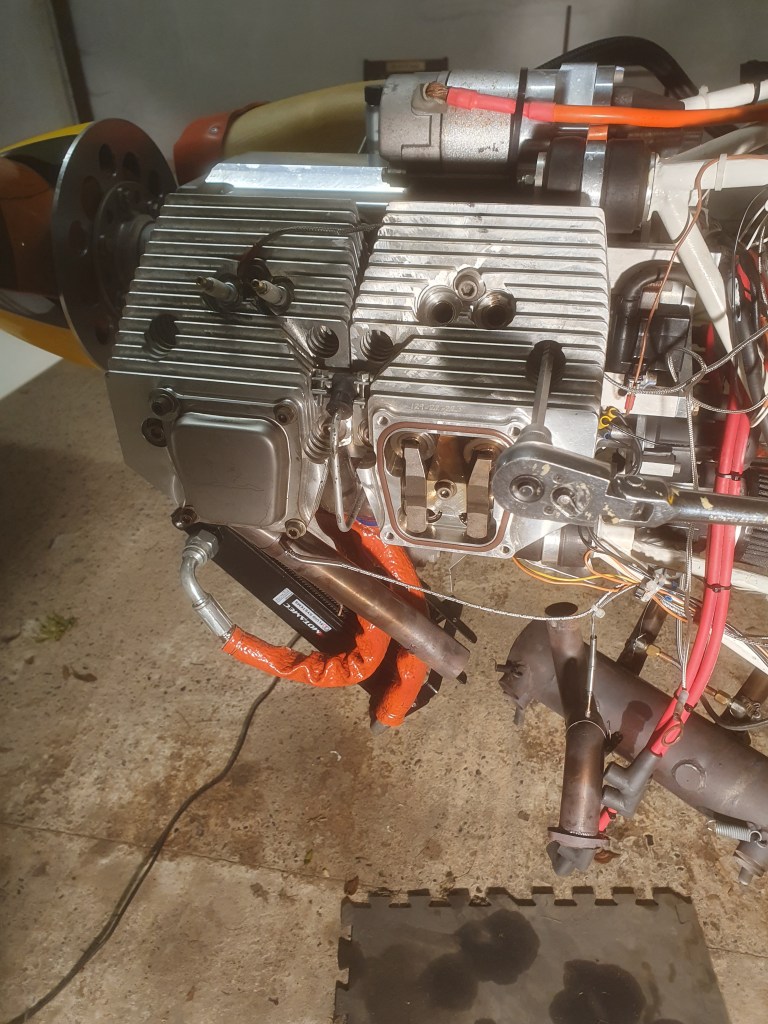
After taking the rocker cover off I couldn’t really see anything obvious so rang Kev the specialist and opted to remove the head and check
On removal I could see small trace of oil on the lower bolt area .. 6 bolts hold the head in place
Removed and cleaned down with some wire wool which easily cleaned all the head faces and bolts and fins
Put it all back together … very careful to make sure no rubbers were nipped and rotated as the head was tightened down
Tightening the head down in prescribed sequence
Ground run and all CHTs spot on ! Great to get fix … flight test next
Reckon the problem was waiting 5 hours before first torque check.. so plan to torque check every flight or 1 hour for the first 5 hours
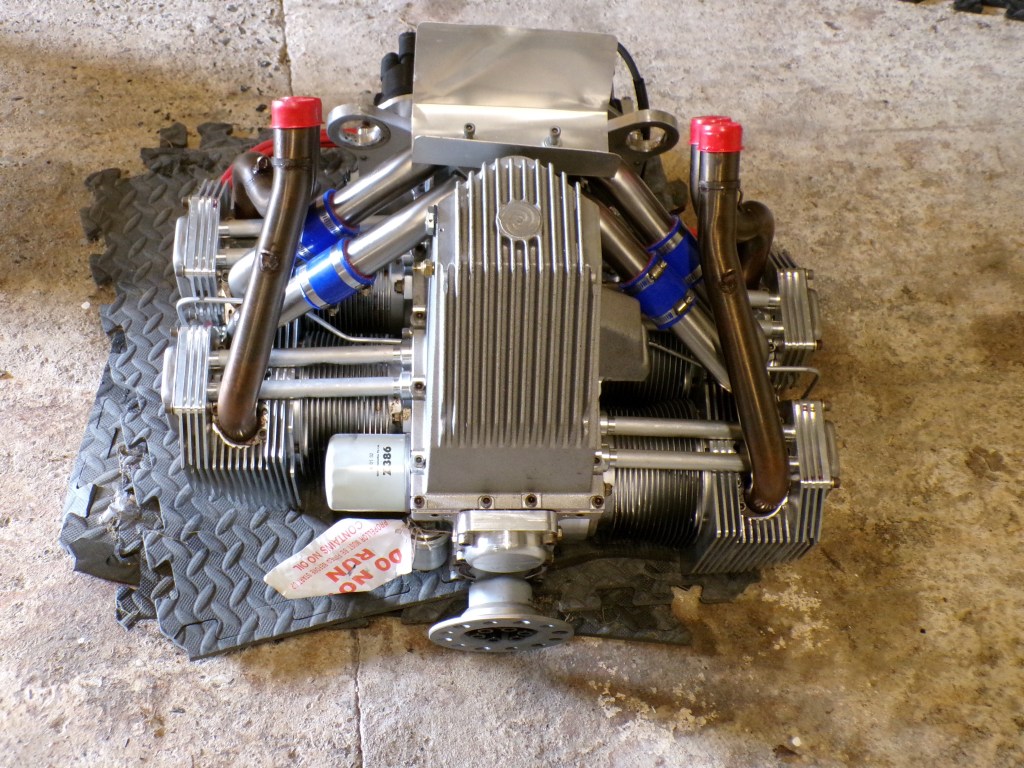
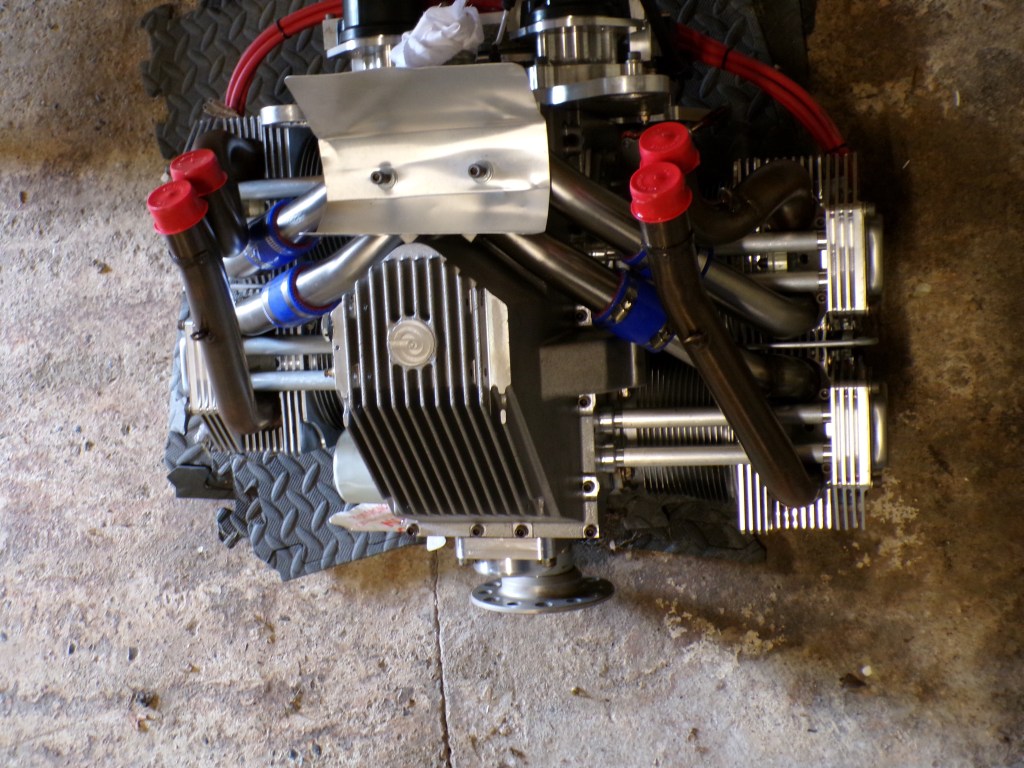
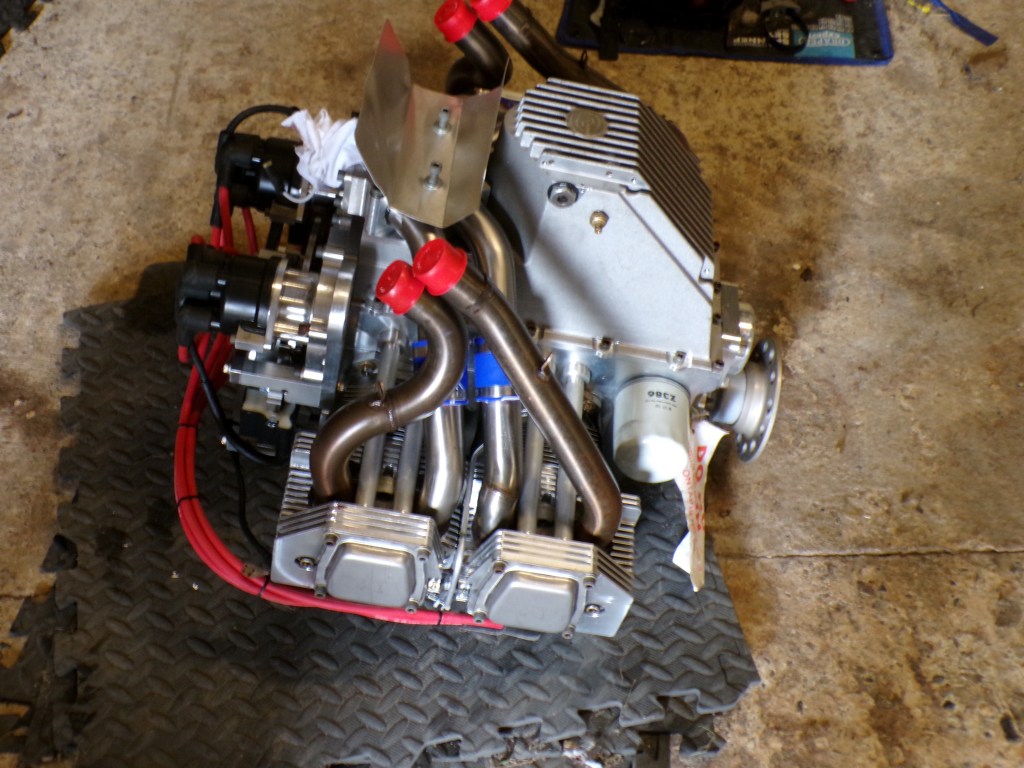
I’ve not written about why I have sourced and fitted another Jabiru 2200 but I had a slight issue with my previous … it dropped a valve seat and then had an unexplained issue with a piston which decided to dismantle itself
Slight problem was we were 2 up, Will was in his second only time in the rear (as part of my training to get him to soloing) and we were 1,100’ N of the field
The wind was between 5-8 Southerly and so an immediate turn back .. with almost zero power but a still running engine was initiated ..throttling back to try to analyse the issue
We both calmly discussed the issue … Will initially saying ‘Your aircraft’ … having already made the turn for home within seconds of the first rough running
I had Wills work bag on my lap in the front .. so space was at a premium and I certainly couldn’t hold the stick and throttle and fly with the bag … so elected to hand back to Will and govern throttle and course whilst he flew
We ran through the guage readings as we inexorably descended, now downwind, back towards an impossible to reach threshold.
Having exhausted options as to what was wrong … fuel, mags, switches, nothing … I advised to tighten the harness straps right up as we would probably not make the field
A minute or so passed and almost impossibly the very shallow float angle and supreme lift ..and it looked like we had a great chance of just making the field
Will held off to perform an almost perfect 3 pointer … and I advised to kill the mags … the ‘plane rolled to a silent stop a few feet into the upwind end of the runway we had just departed from
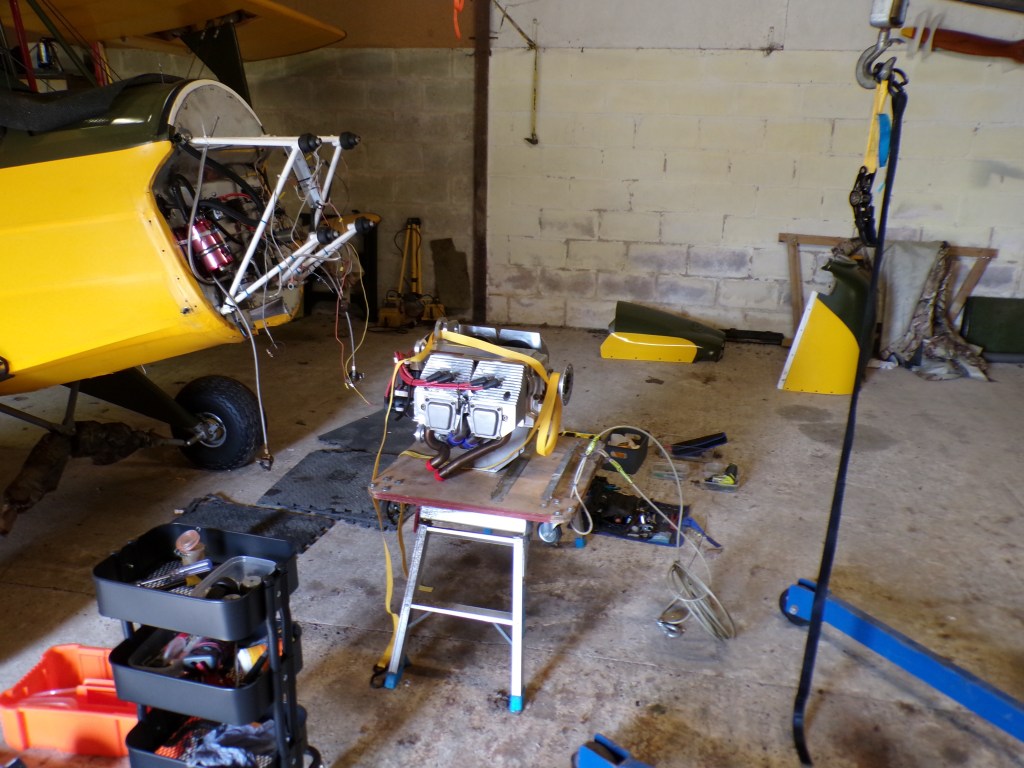
Engine was inspected as it cooled and removed that afternoon to drive up to Yorkshire for tests
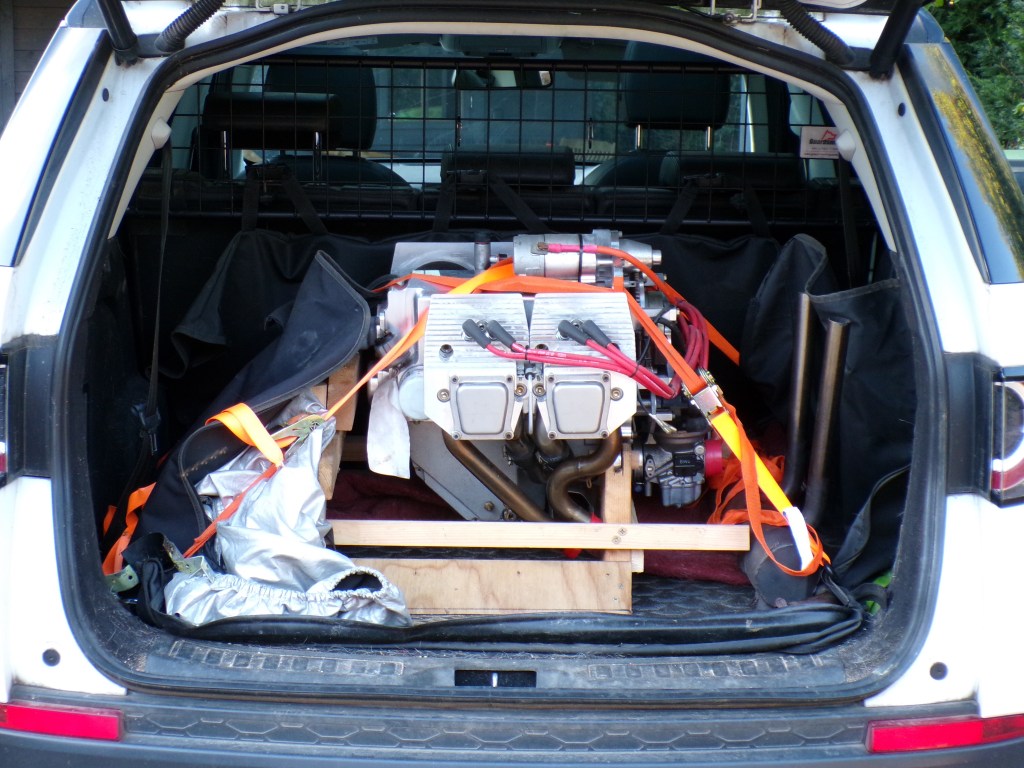
As the rebuild ..new valve seat, new piston, liner, rings, valve, push rod and Conrod was going to take a while I sourced the spare .. all the way from Shetland
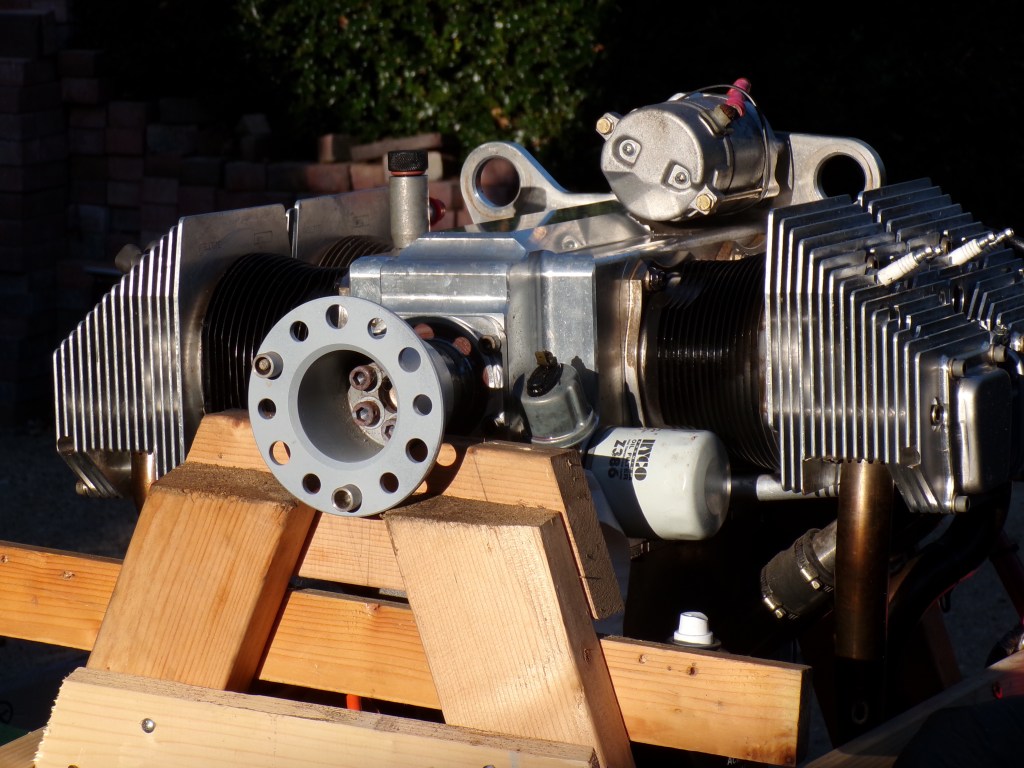
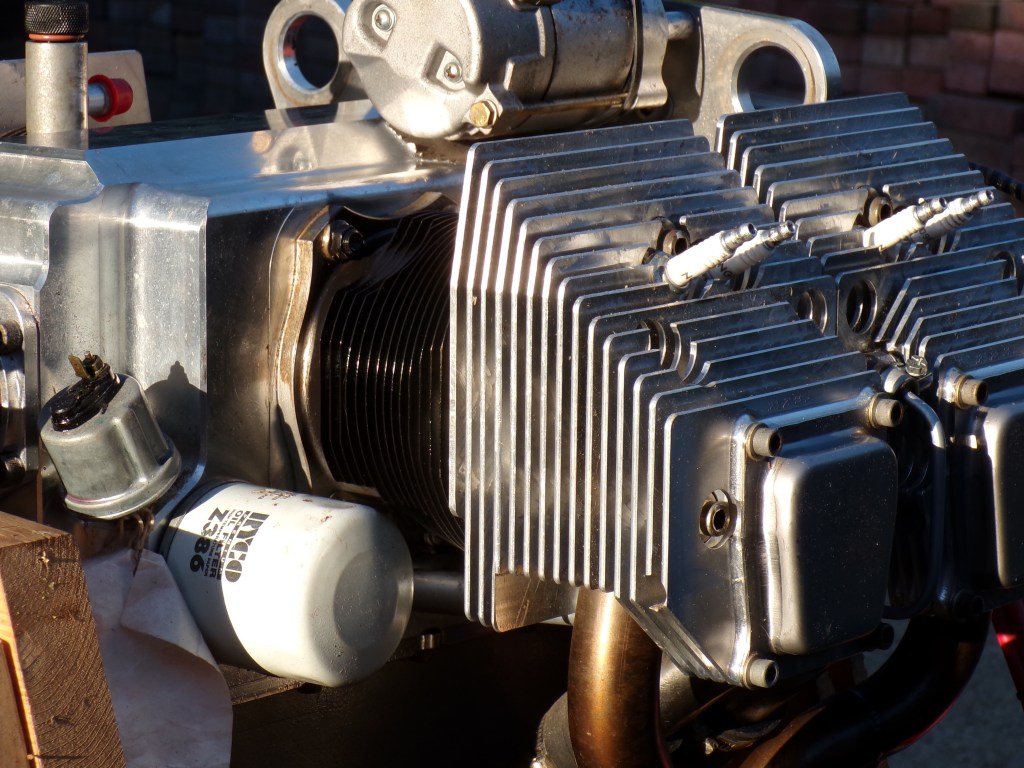
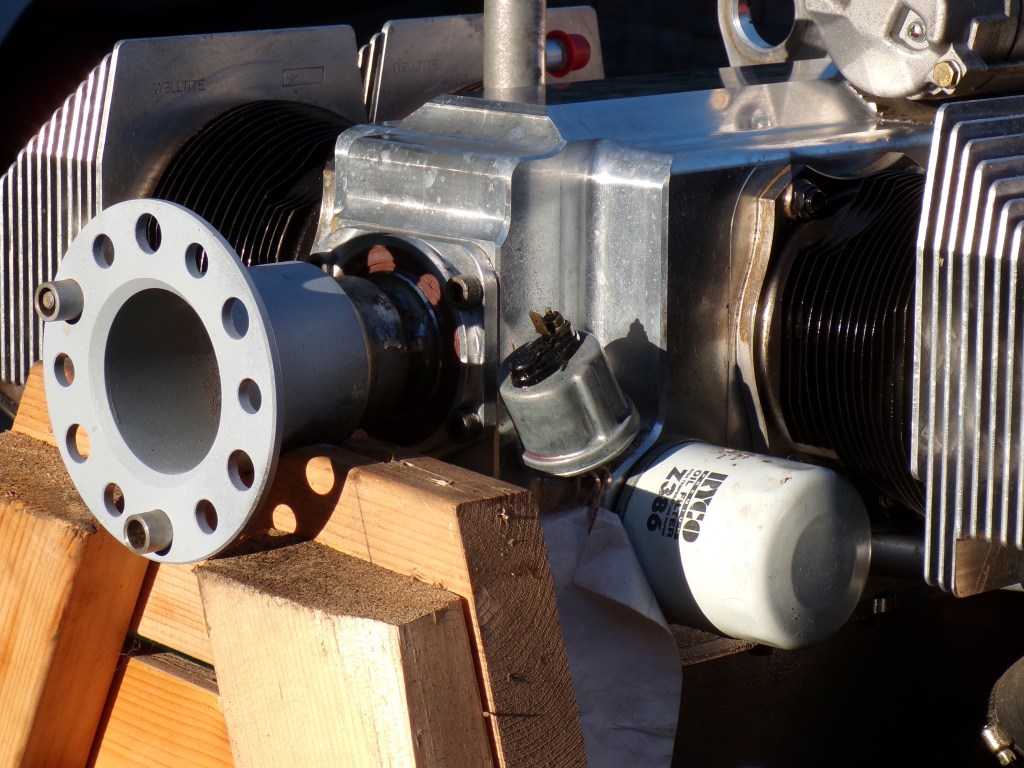
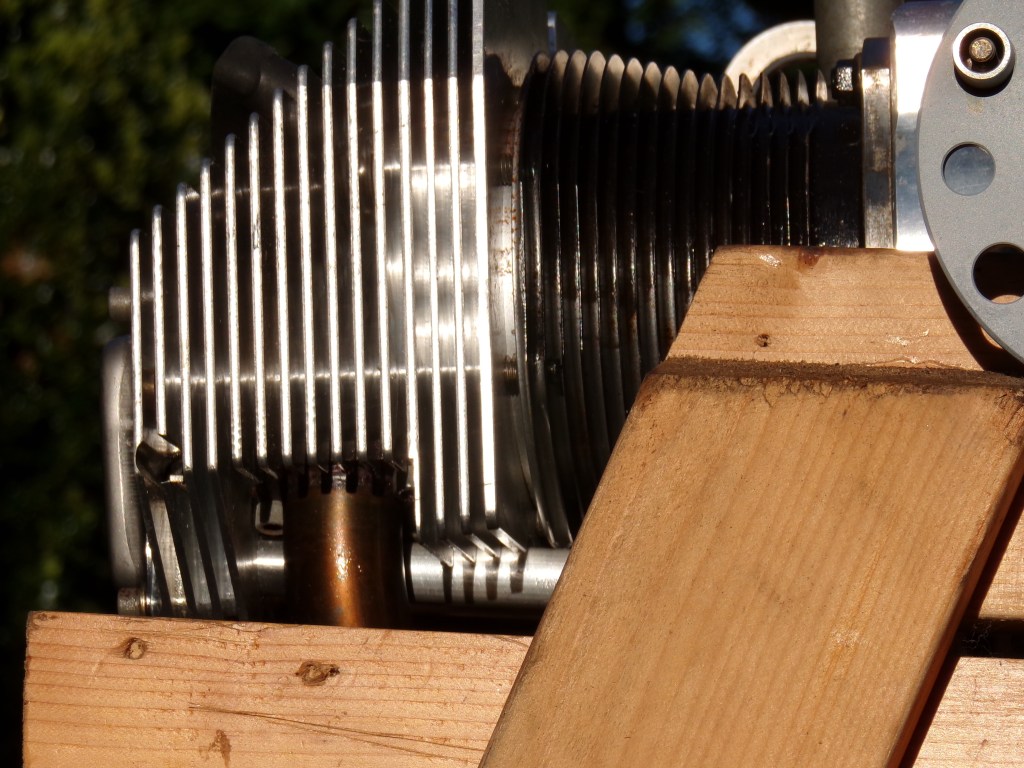
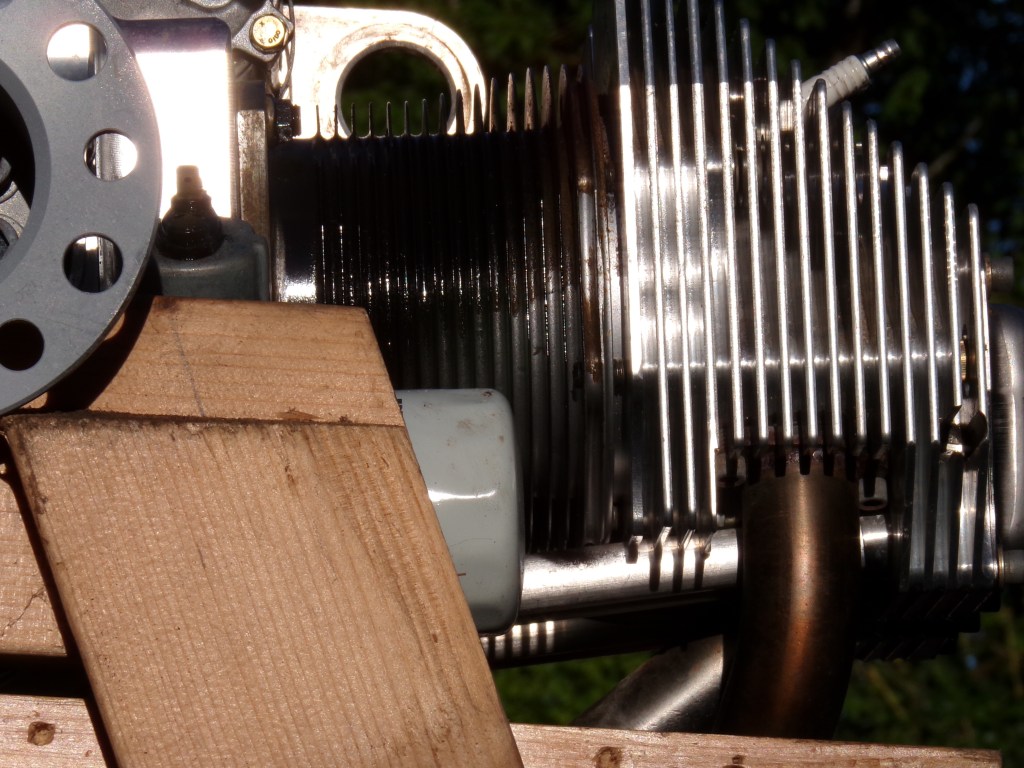
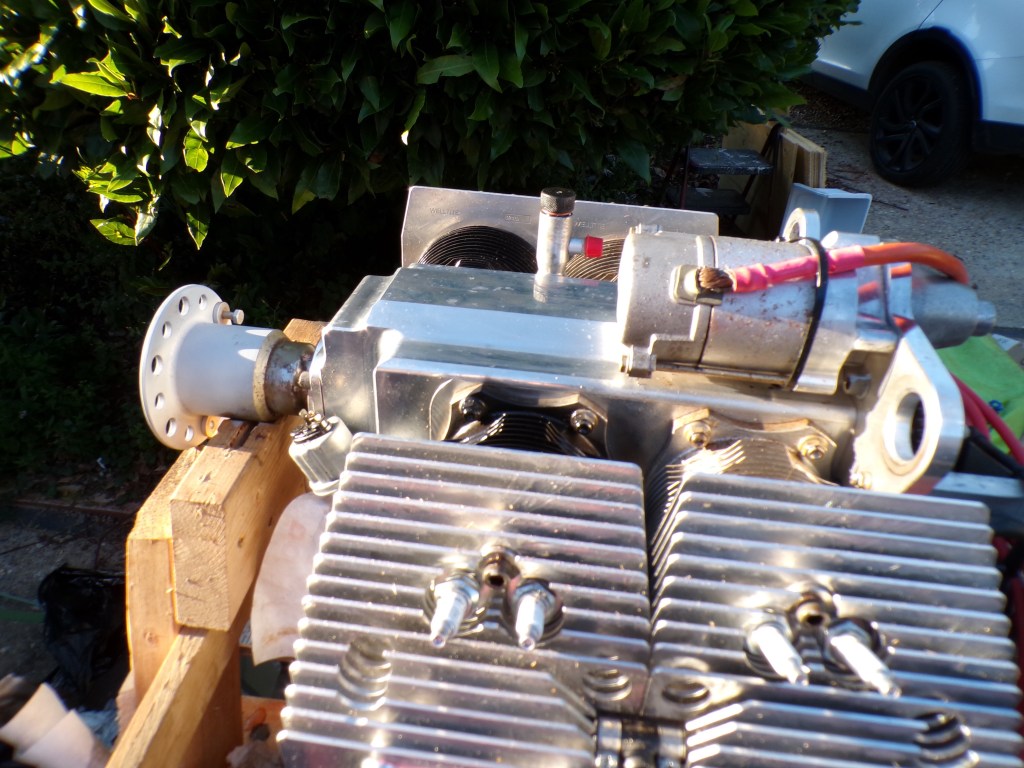
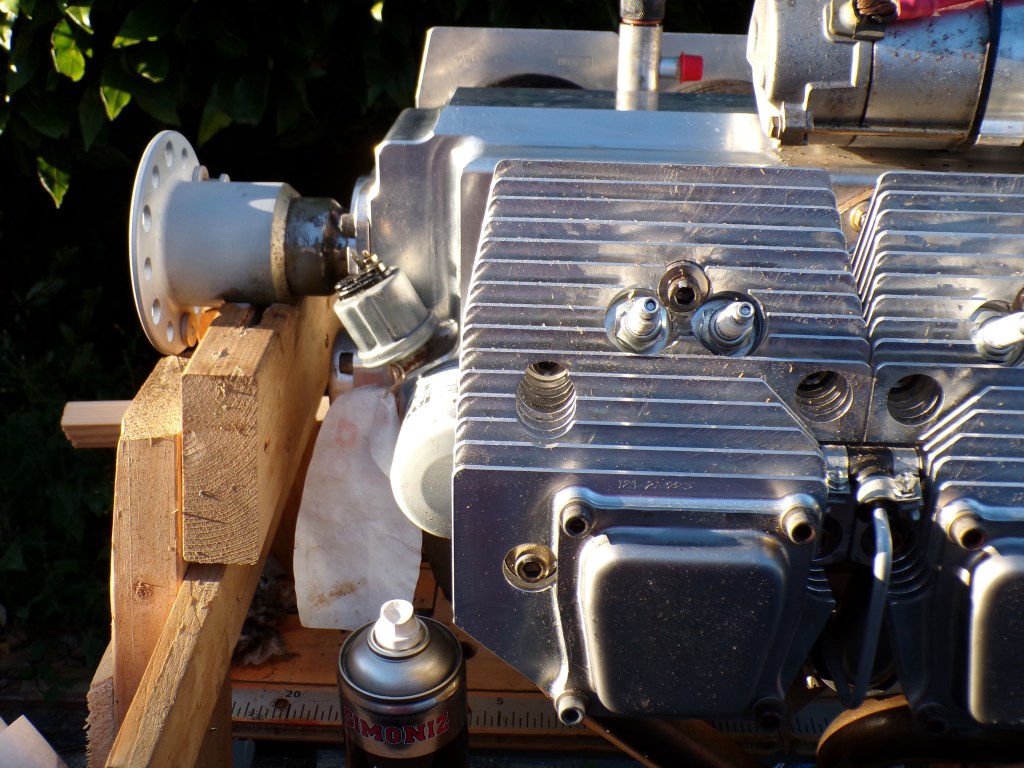
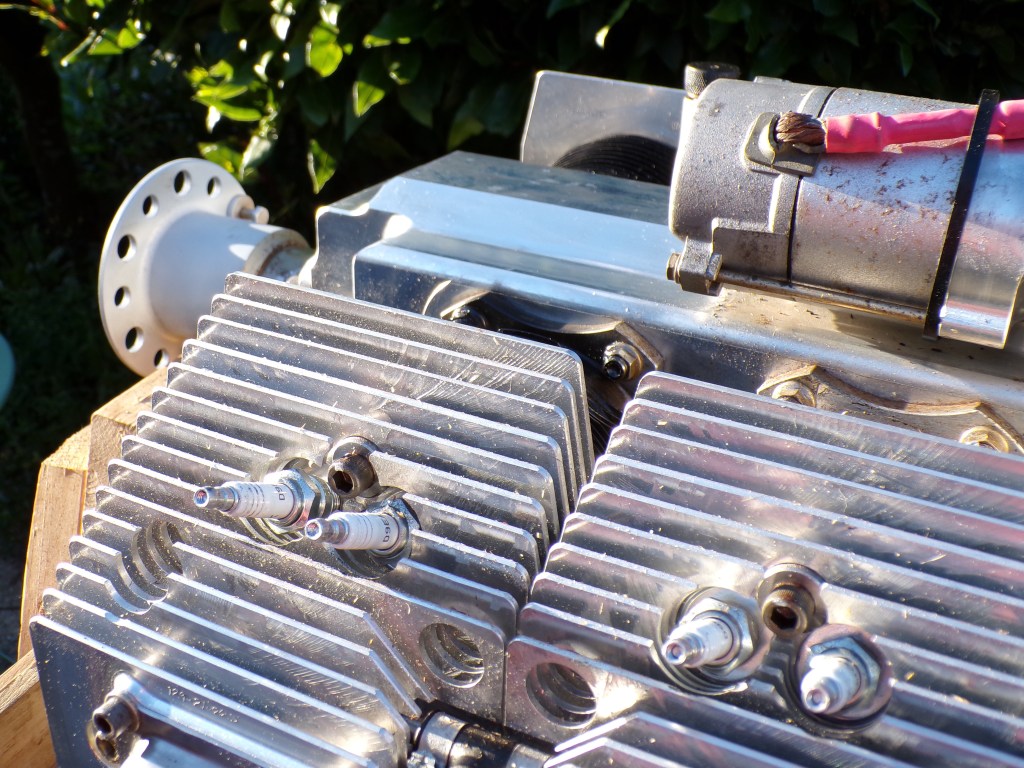
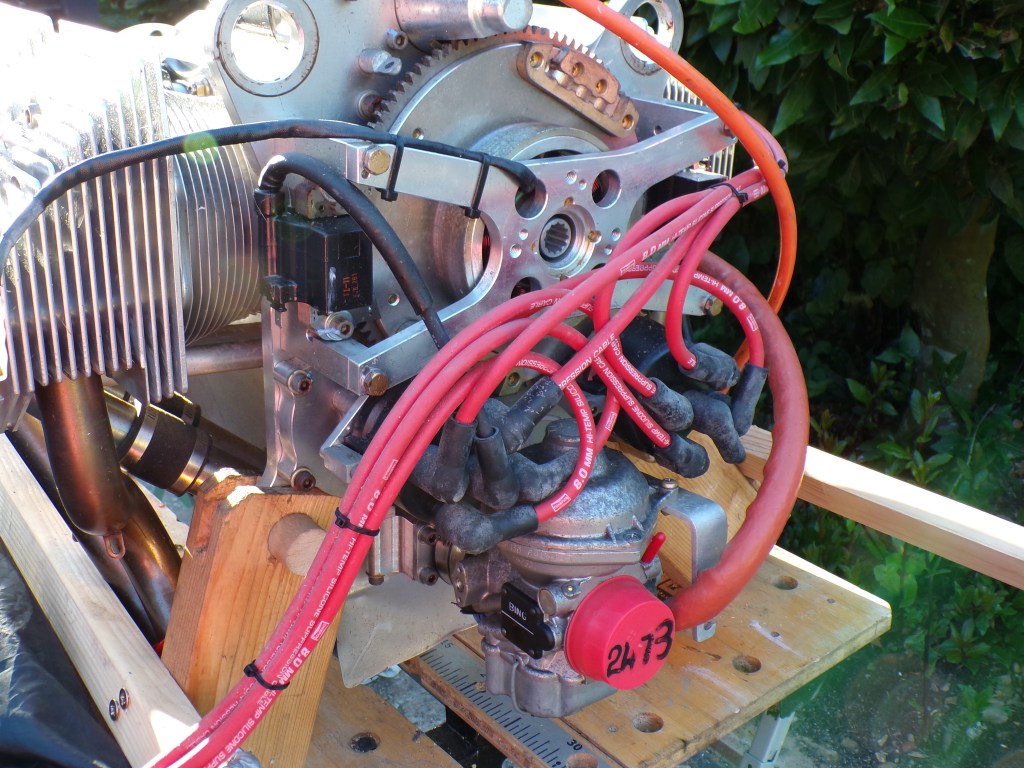
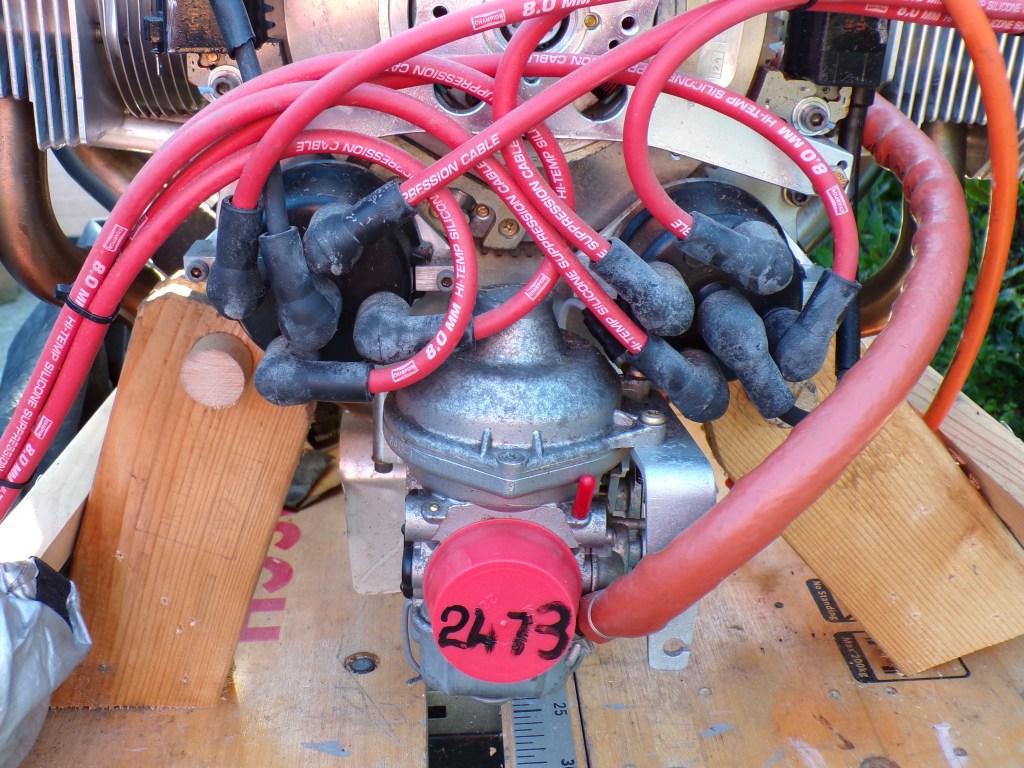
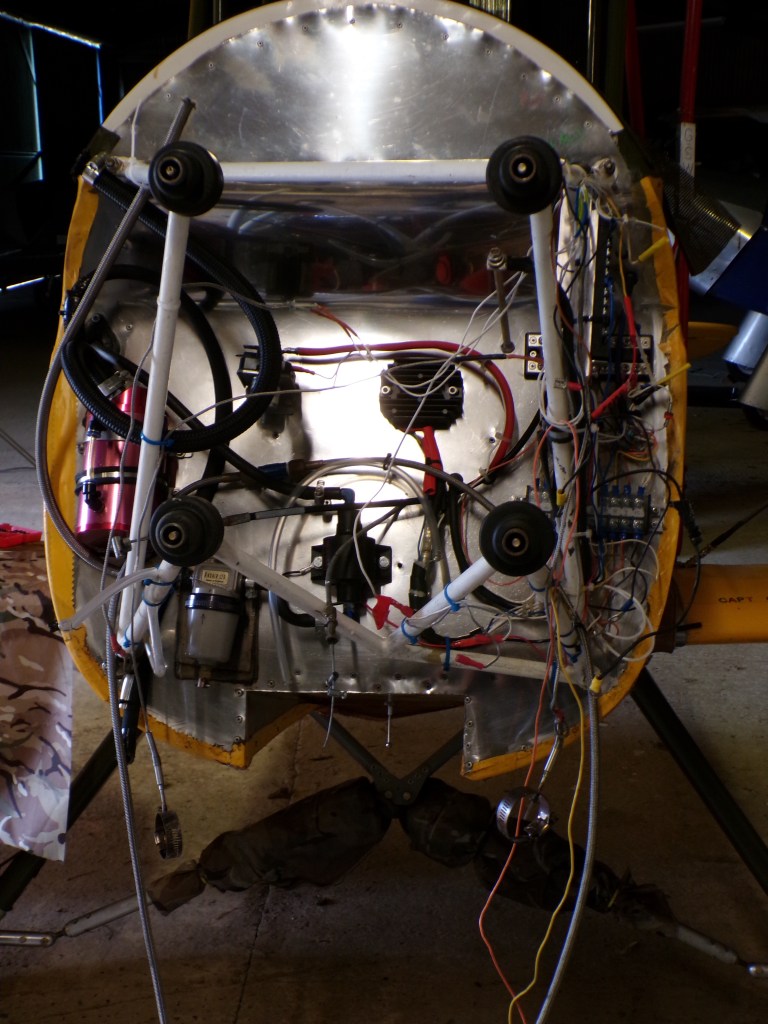
Post a bit of head de rusting KODAK Digital Still CameraKODAK Digital Still CameraKODAK Digital Still CameraKODAK Digital Still CameraCleaned and painted prop drive flange .. SHORT one KODAK Digital Still CameraKODAK Digital Still CameraNeat dual ignition .. one Illformed electrode found laterKODAK Digital Still CameraKODAK Digital Still CameraKODAK Digital Still CameraKODAK Digital Still CameraHoist and careful place,ent of strops .. 20 min and on