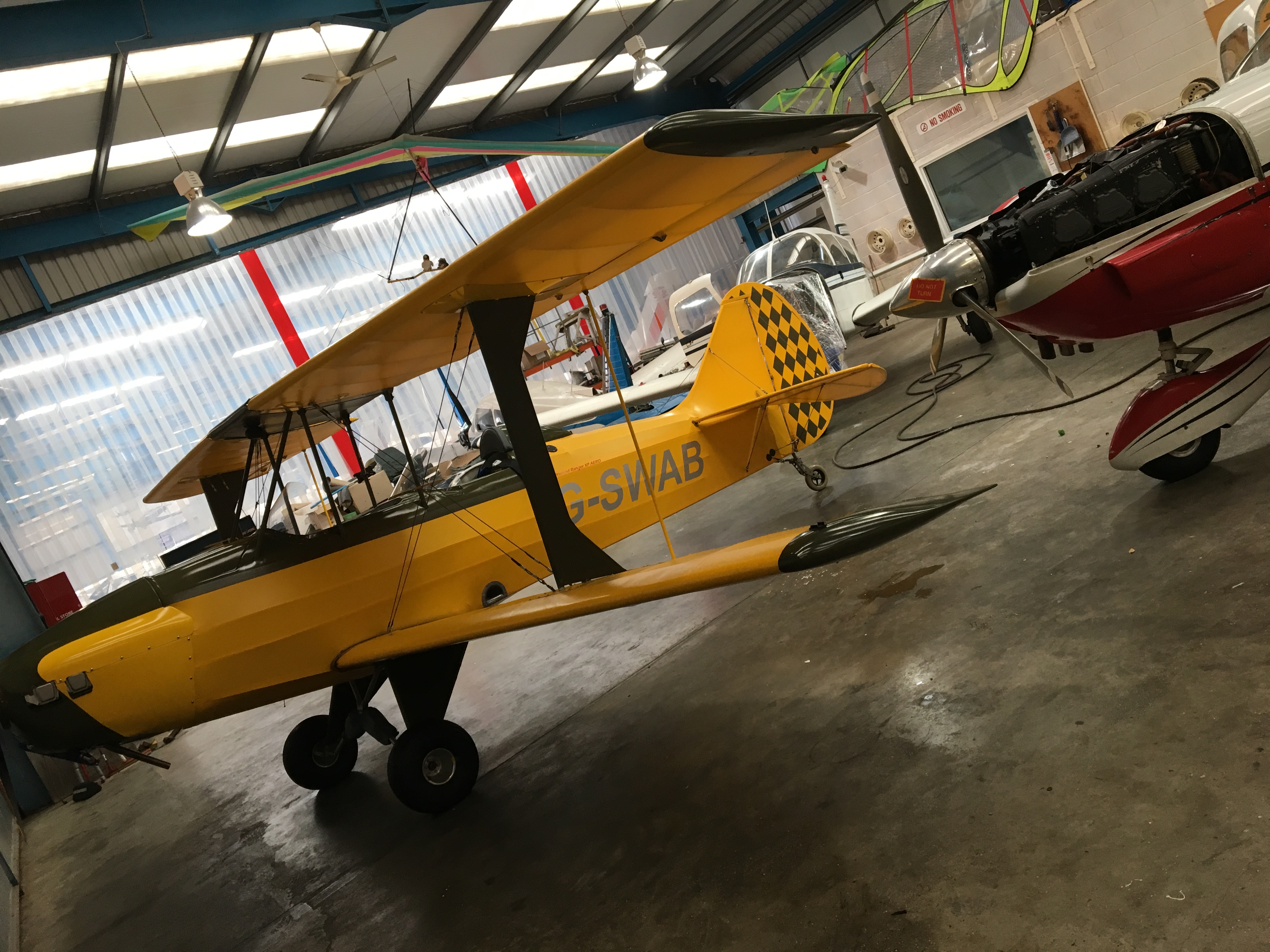
Had a bit of a worry when checking through the engine documentation and it noted that the tappets should have been checked and re checked at early intervals
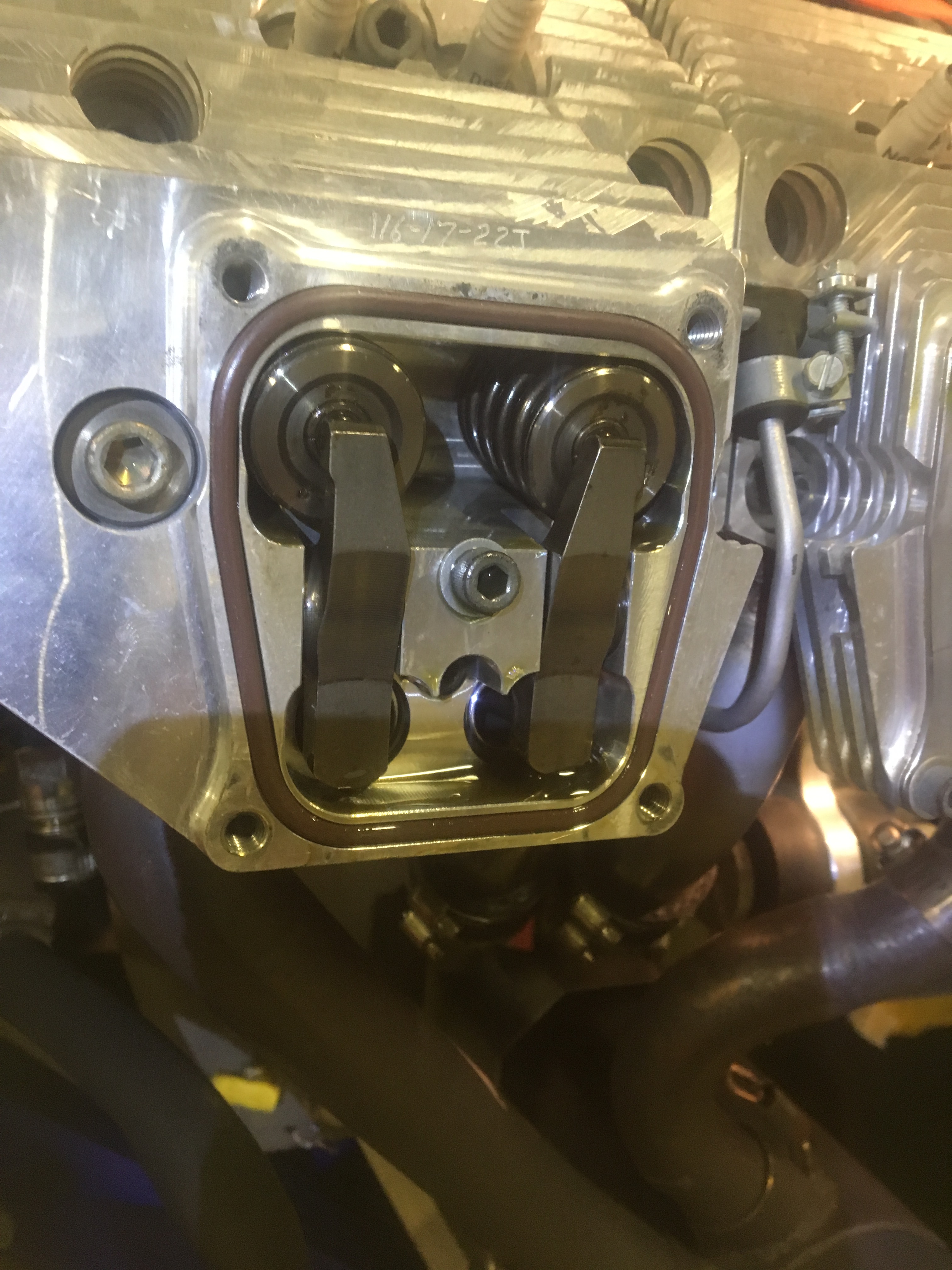
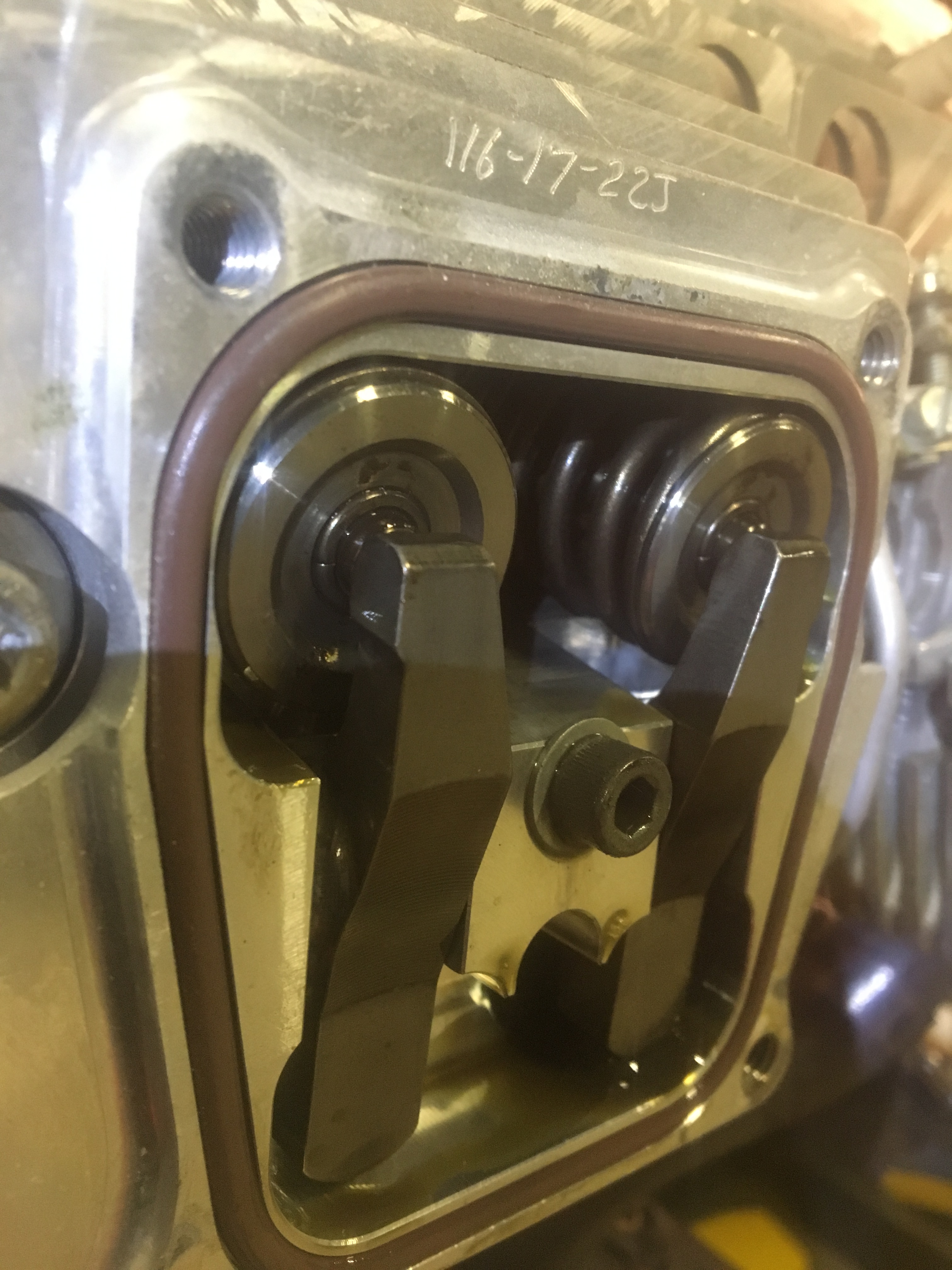
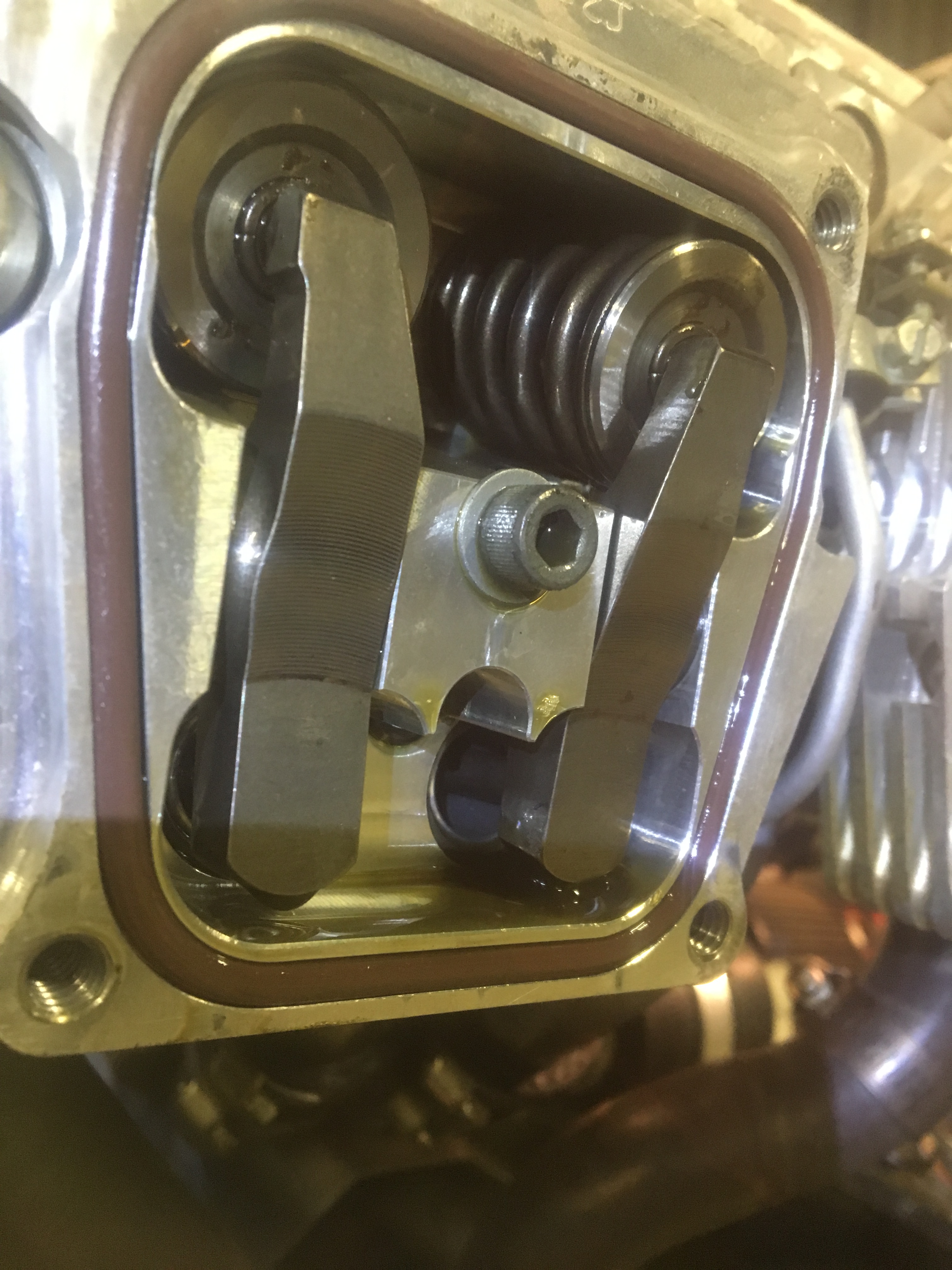
Its sounding very sweet and settled but I printed off the detail and took off the rocket box cover from one cylinder head to check exactly what I needed to do.
I haven’t done tappets for simply ages – not since I rebuilt the head of my 1967 MGB Roadster when I was about 20 !
So I was a bit perplexed when I couldn’t see the adjuster nuts on the pushrod heads ?
I contacted my good engineer Danny Baker who kindly put my mind at rest …
“At the base of the pushrods there are cylinders with springs in, when the oil pressure hits them they expand to a certain pressure which maintains the correct gap, very simple but works great”
So … the week arrived … and in came the crap weather ! Loads of wind .. interspersed with rain and very squally showers
The pilot briefing pack had been sent off weeks before but could this all be a waste of time ..
Jersey Flying Control Committee (FCC) insist – quite rightly – that you MUST qualify flying on the Wednesday if you are to fly in the display on the Thursday
Wednesday awoke to 23 gusting 30+ wind !!
The committee, comprising 3 vastly experienced largely ex RAF pilots looked quite daunting BUT they turned out to be genuinely nice blokes … straight talking and to the point but very supportive and helpful to new rookies like me as well as seasoned display pilots alike. Mike Stanway – Gulf Tornado and HQ Air Safety Group, Phill O’Dell (Rolls Royce Chief Test pilot), Neil Airey… all Squadron Leaders
The briefing was delivered by Les Garside-Beattie (ex Group Captain) again to the point and friendly but you were left in no doubt about what was expected of you and others.
All were advised that the airport remained operational and open to civil air traffic throughout so take off, navigation to the holding areas and entry and exit from the display area were KEY and deviation from this would not be tolerated HOWEVER .. there was a clear message that with so many old, different, new aircraft around …if, as pilot, you had an emergency you were to take appropriate safety actions and ATC would do everything in the power to assist …
WEDENESDAY 13th – PRE TEST DAY
Winds were horrible… constant squalls most of the morning and in the squalls you got huge downpours associated with winds up to 32+ not always down the runway.
The briefing was held and Les showed the constantly updating test schedule for EVERY pilot. My little Sherwood (although due to display 2nd on display day) was going up and down the schedule along with Helping Wings (the PA28 due from the aero club). It turned out Les was trying to get us a slot time that avoided the worst weather which was hoped to settle later in the display slot session.
Eventually it settled at around 16:20 local. So a pensive afternoon of checking nd re-checking the aircraft a million times and watching the weather come through and the next front pile in behind it …
Eventually (albeit in the lee of the hanger) it seemed to calm a bit so I braved nosing her our to do an engine run .. be nice to get the block warm and make subsequent ‘ready state’ a little quicker if my slot came forward.
Eventually – slot time minus 30 came around so started up and sat warming up.
The wind hadn’t significantly eased and an instant forecast was 20 gusting 26 280-290′. I asked when the last gust was but they don’t hold that info.
Concerned about weather cocking as I taxied out I was using all the proper taxy techniques with full aileron into wind and full up elevator and amazingly with 21+ from the side I still managed to maintain directional stability .. good little ‘plane this !
ATC didn’t hold me too long but gave me clearance to RIGHT hand turn to NW corner for a full anticlockwise around the island to the display area. Tail up in about 2 seconds and airborne in about 6 ! and was then given LEFT turn and head for Corbiere … obviously the display area was currently clear .. I negotiated a direct (almost back on myself) to the area which saved a lot of buffeting around …
There was a bit of low cloud, probably BKN around 800′ but this was going to be OK . Switch to display frequency and told to commence run in to the display area …
First run was around 700′ and then started a second run and pushed down to the 200′ display limit .. pass at 250′ and was then advised by Display ATC to maintain VFR limits … what ?! I queried this and was advised I had to maintain 500’ ? so I did as told wondering why I was being treated differently and all went well – some nice steep turns (using the wind to either hold it and slowly bank over or turn it into a whiz downwind). Recovering to the airfield after 10 mins (my allowed test slot time) to probably one of my best landings in 18 gust 24 ! If you are really on edge I’m sure you concentrate harder for all eventualities … def learning from an earlier post I made and getting the approach speed down vs leaving it above 60 on the round out … getting it nearer 50 or less on flare was just right.
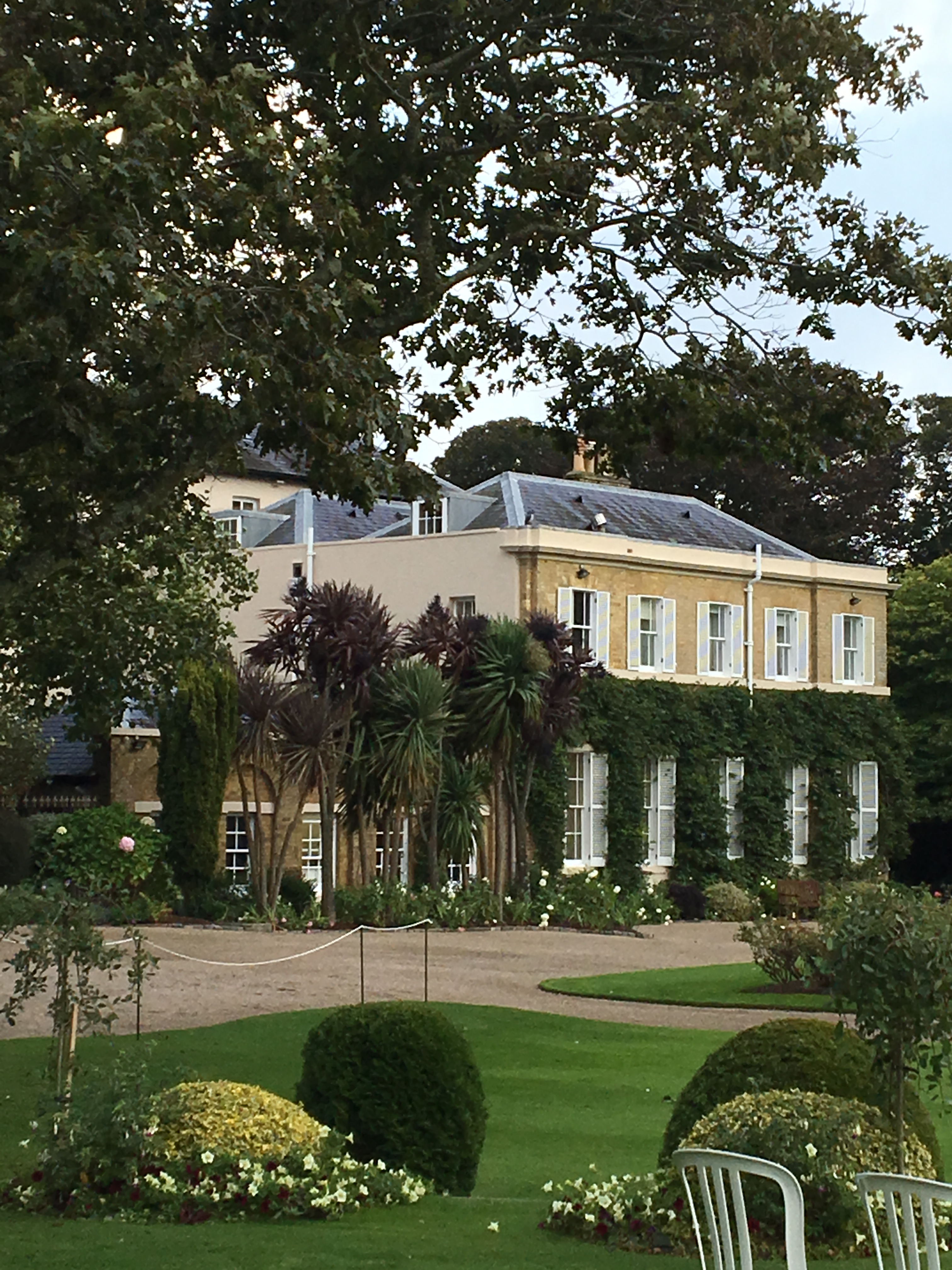
One (of the several) nice things about the Jersey air display is that they hold a reception at the Governors House for all connected ..
THURSDAY 14TH SEPTEMBER – DISPLAY DAY
Thursday arrived and weather was pretty much just as bad – clearer and less rain squalls but still there and the wind had now swung slightly so we had somewhere between 260 and 300′ not great !
My slot time was number 2 behind the aero club 2 x PA28’s so agreed with James Evans (CFI who was a rock of common sense and calm words to be throughout) that I would start up when they did .. and aim to take off right behind them as it would take me longer to get to the display area.
This turned out to be the best plan … timing wise.
ATC finally cleared me to line up but was worried about the fact that the 2 PA28’s were long gone … and my headwind speed was going to give me around 20 GS in the bay !
I lined up behind a particularly pretty landing Beech Twin 18 … but it took an age to stop its roll and vacate so I couldn’t move … AND we had landing commercial at 6 miles !
ATC did a brilliant job – as always (Jo), of informing me that I would be required to be ready to roll as soon as … and also immediate Right turn after take off.
If you look at the video I think you would agree it could NOT have been any quicker .. rolling and then opening up – Tail off in 2 and lift off in 5 seconds and right angle wing over in less than 10 …. hey who needs Harriers !!
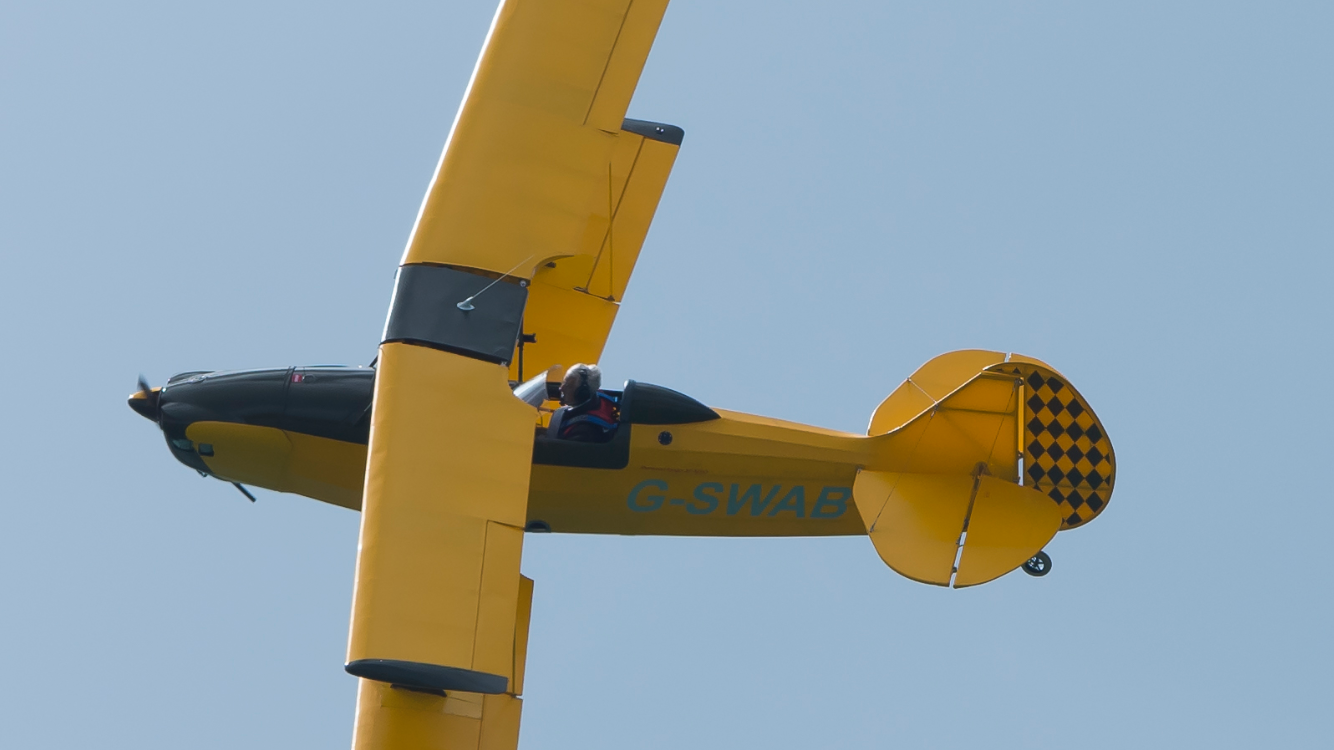
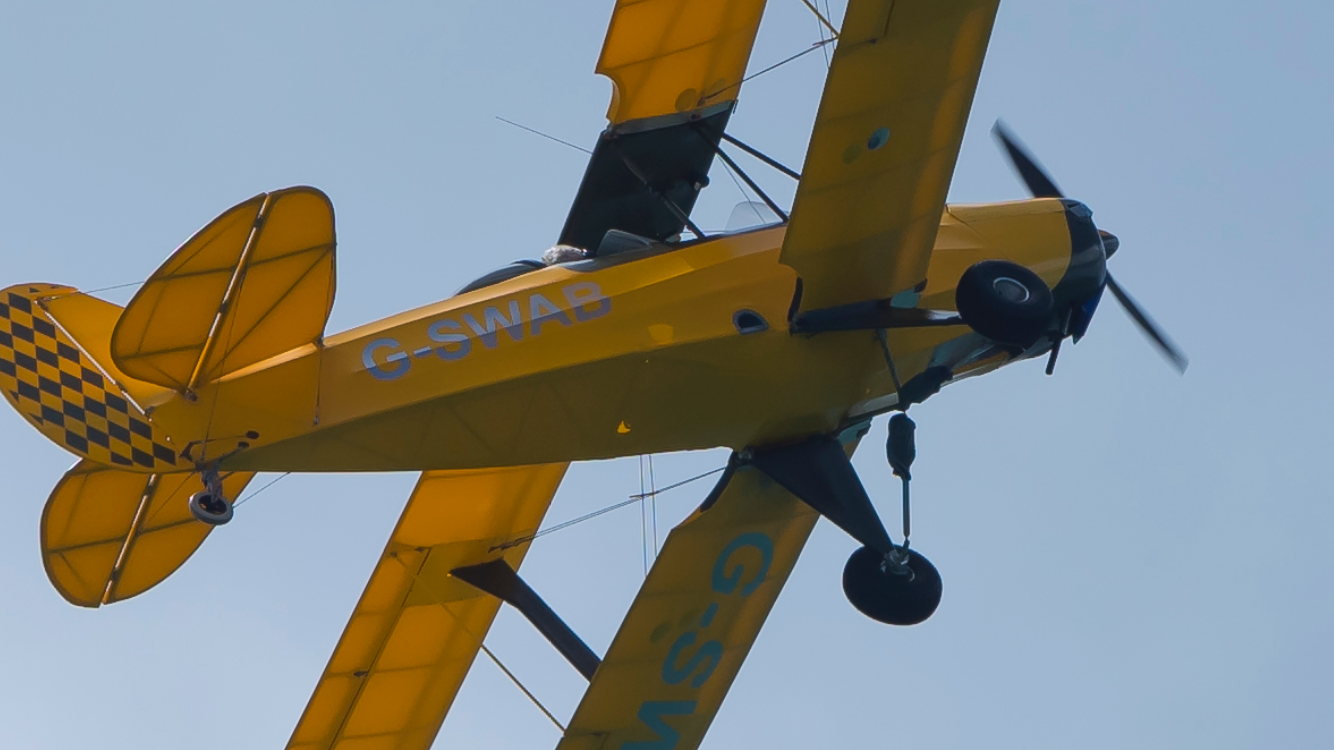
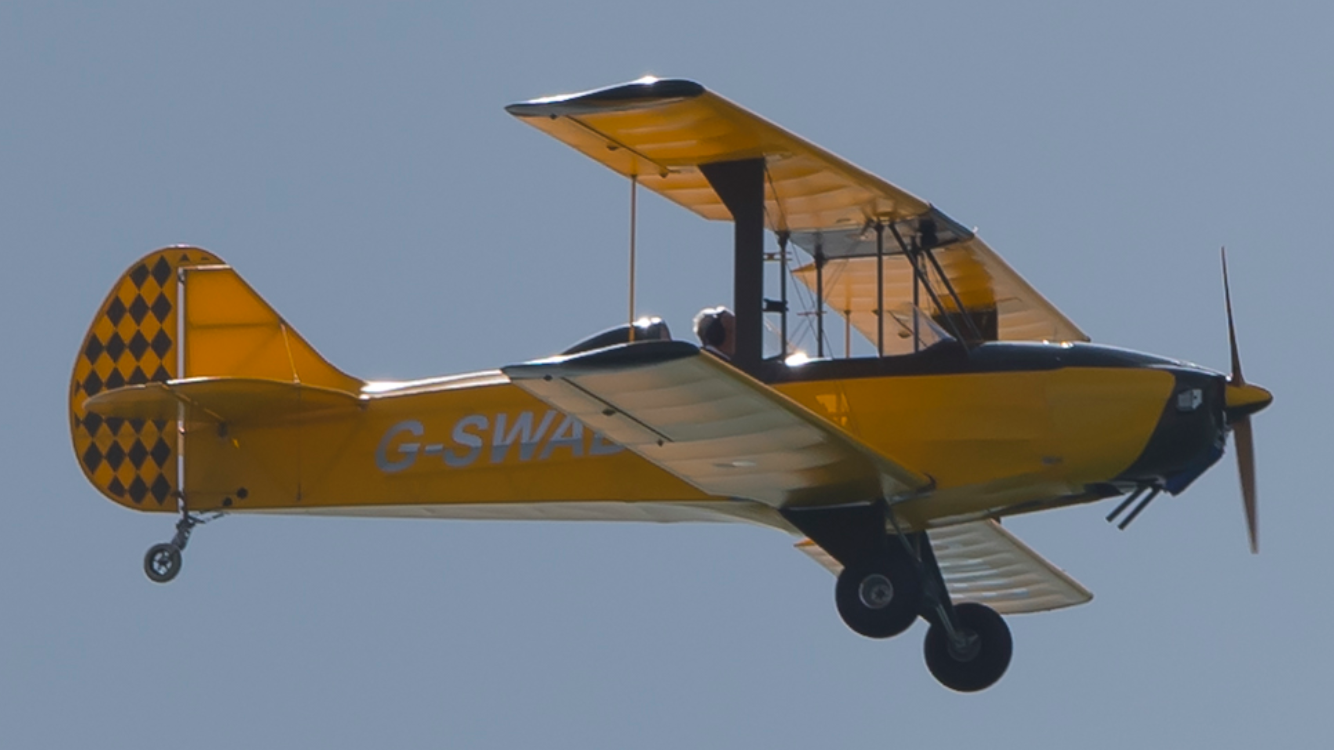
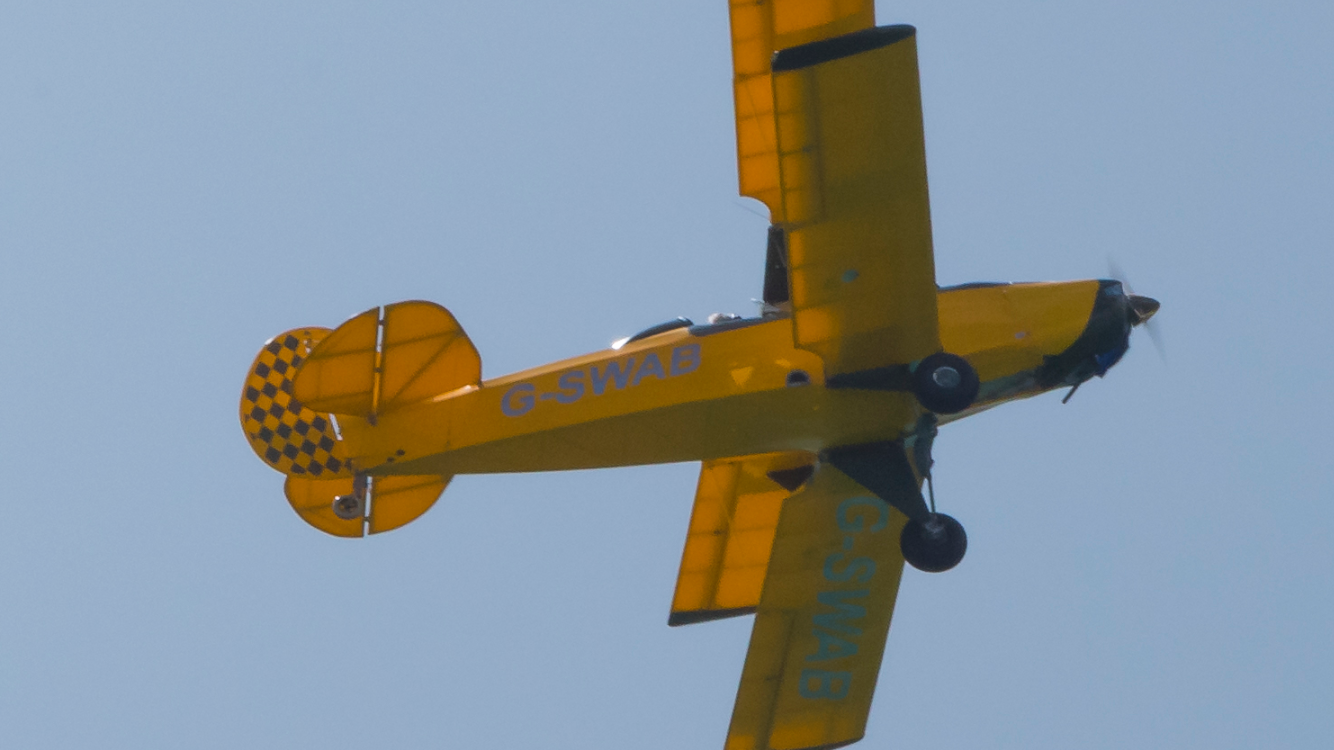
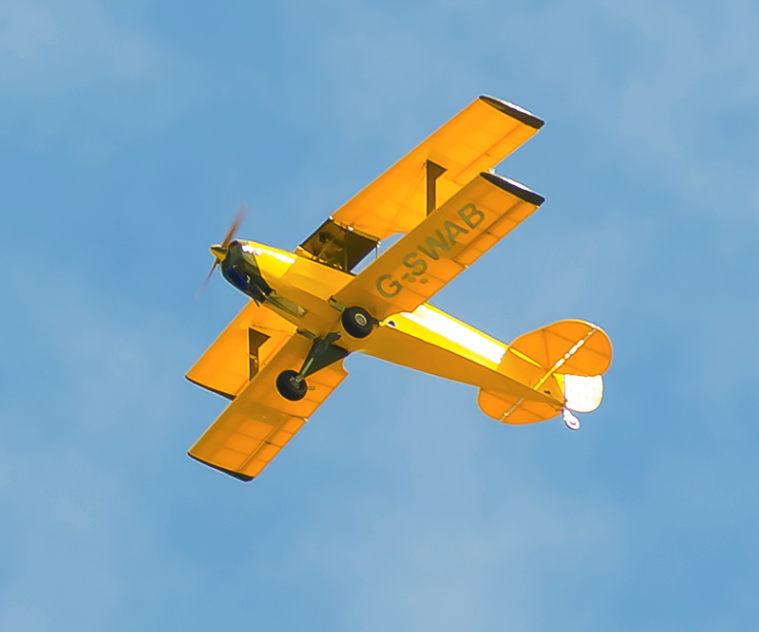
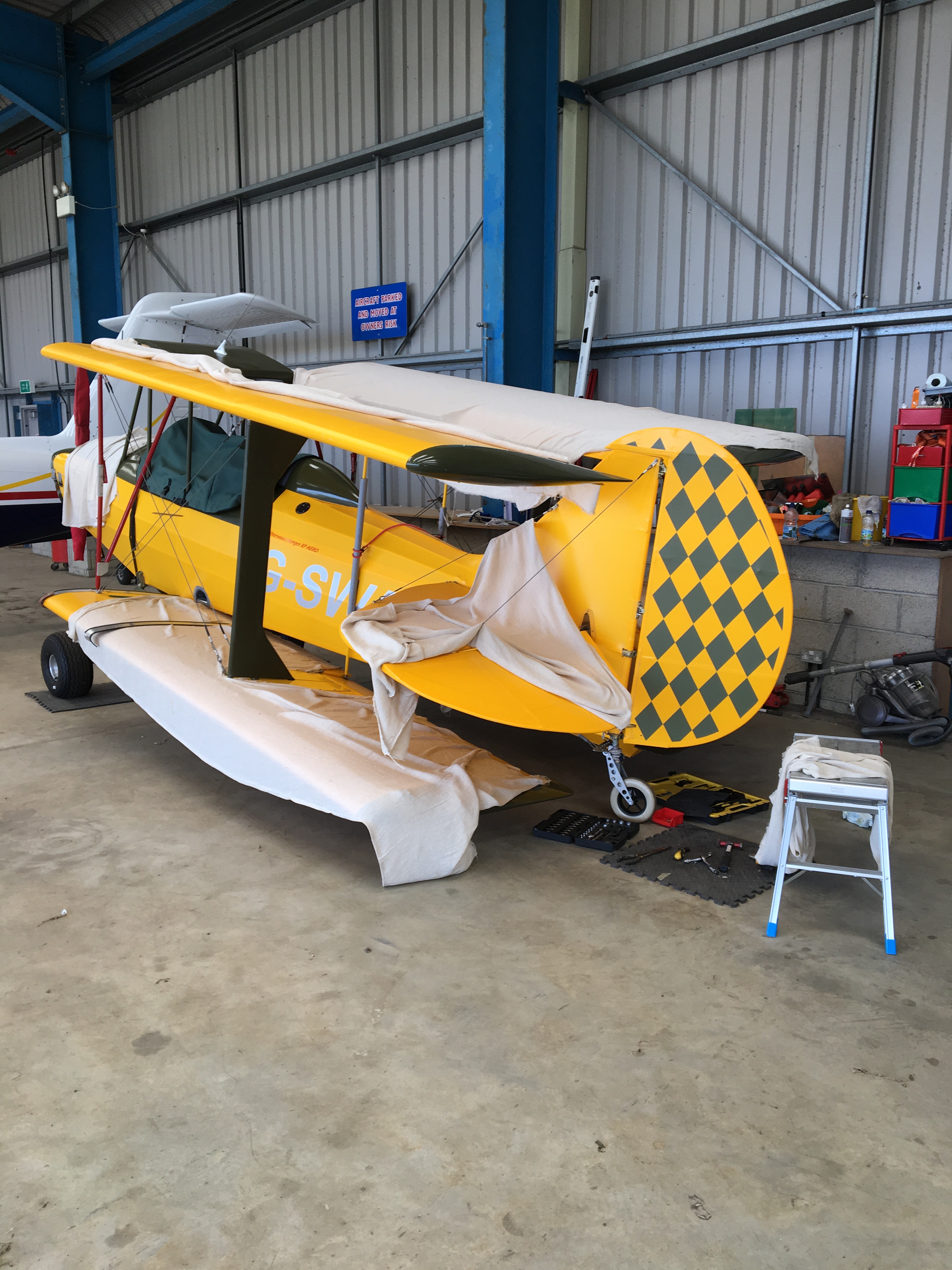
Some shots kindly sent by a local photographer on the front .. showing off the new tail colour scheme as well as battling 30+ winds !
Not all the weather segments that day were very friendly … but you could argue they were pretty awesome !
Timing for getting into the display area is pretty tight – the organisers run a very tight ‘ship’ ! I was late taking off due to the delayed clearing of the runway but the 30+ tailwind soon got me to the edge of the display area. Curving in over the Fort Regent (a large converted for t overlooking St Helier) and it all suddenly feels very real … display instructions said not below 800′ over the fort approach then, once passed, down to 200′ minimum
Coming in over the Raddison hotel and in front of the Grand Hotel I tried a little wing waggle to say ‘Hello’ … felt so slow with what was probably around 35 on the nose … but tried a fast (ish) first pass. The wind assisted first turn downwind was pretty much knife edge and proved to be quite useful to keep the aircraft nicely in the main display arena. Later on I heard feedback that not too many aircraft had flown the full length – ie not far enough West … the problem is with mine if that I’d flown full length I could have probably only done 2 passes in the time available due to the headwind !
As you can see from the video footage the turns got tighter and the sun shone ! Hey, what could be better. The Cloudy shot above – we had hefty isolated downfalls that morning – gave us a dramatic sky backdrop .. this hot was taken by a friend on the front and is now a lovely big 1m poster on the wall at home.
Having completed the display, on radio silence on the display frequency, you are allowed to talk and say ‘Vacating the display area’ – I think you are supposed to say 1 minute before as well – but I simply lost track of time in all the fun …
I called and display control said that the Dornier float plane behind me was running a couple of minutes late so could I extend … quick wing over and back into the display area for 2 more passes … one fast..ish and one very slow !
Then broke away and handed off from Display control to normal tower frequency (The airport is still operating a normal commercial schedule) .. slotted in and no holding and in for a blustery approach ….as you can see its quite choppy but settles down in ground effect and down … had been cleared to vacate at the end (like 1500m !) but opted to put down in the first few metres as I didn’t want to push my luck with a 1500m taxy back and weather cocking …
Pulled off behind a Flybe Embraer jet and parked up … phew ….
I will tell the wine bottle story in another post !!!!
I flew for around an hour a week or so ago .. lots of nice friendly circuits and bumps on a very busy Saturday morning fitting in and out of loads of local traffic out enjoying the sun and an interesting 10 kt crosswind plus around 4-5 Airbus in’s and out’s .. busy with end of season holidaymakers.
When I landed I was going to try to refuel but – as we still have no self fuelling, the poor guy on ATF fuelling was running around between jets and the odd avgas request. I opted to just fold the wings and put her in the back of the hanger and fuel next time. They cant fuel inside the hanger so you have to be onsite which isn’t always easy.
Then I saw Graham around (our local engineer) working on a Saturday (again !) helping some guy on a Baron with no brake pads 🙂 Having helped push the Baron back I asked Graham that if he saw the fueller and had a spare jerry can could he try to get say 15-20 litres (Point 1). Then, seeing how busy he was, said don’t worry and then left for my other half’s promised shopping in town that morning !
So, the scene is set ….
The following Thursday, I got the door access key to the hanger as I was going to be working on the aircraft late (way after all the club guys had gone) getting a few last minute bits ready for the air show.
After fixing some permanent air dams and painting the cowl I put the top and bottom cowls back on .. it was now around 21:00 and pretty dark (Point 2).
I started to tidy up after the work and put the tools away and there, behind my ‘plane but clearly neatly lined up with some of my other bits .. two brand new big shiny red 20L Jerry cans .. which, on lifting, were clearly full … (Point 3)
I thought what a little star Graham is … (Point 4) .. and duly set about getting the ladder and funnel ready to fill. I did think it slightly odd he had left me 2 full cans .. so 40L but hey ho .. always going to be handy and will get used inside the next week.
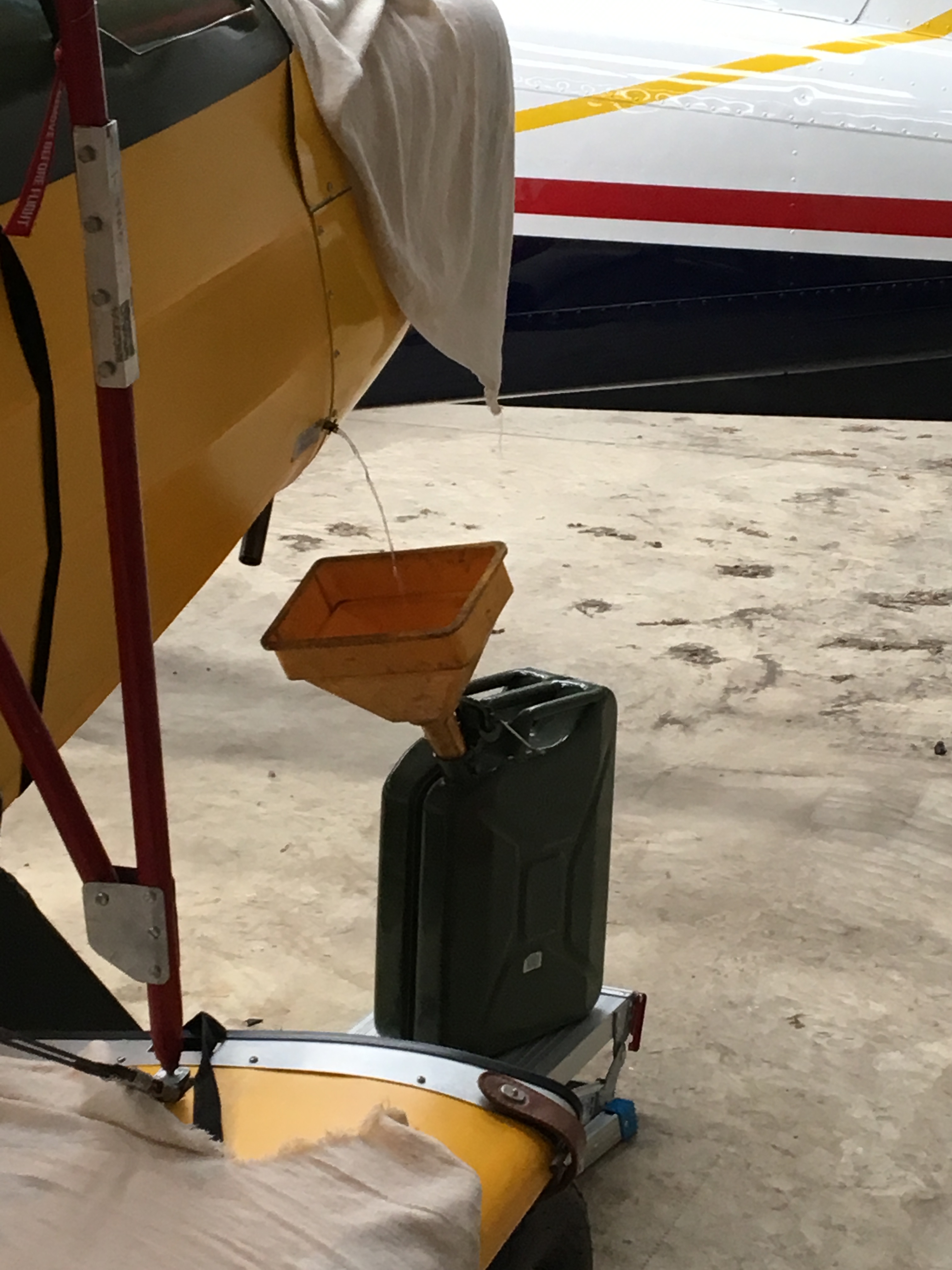
Having put around 15L in – the tank was about 2″ from the top … any more and it simply syphon’s out in flight on the first banked turn … scary when it first happens as you get a face full of fuel .. then you learn .. don’t overfill !
I then got clear of the aircraft and texted Graham to say what a star he was and many thanks ….
The story then takes a little downturn … “..What tanks of fuel ….” says Graham !
I wont bore you with the following missives .. suffice it to say it went along the lines of OMG and what could it be .. it certainly smelt and behaved like fuel .. BUT .. there was no way I could trust it until I could pin down an owner … the OWNER whose fuel I had just ‘stolen’ !!
Luckily I was traveling for a few days – flying to Oxford, so I could widen the texts and contacts and emails to chase provenance of the contents, certainly before flying again.
I had already made my mind up to drain as it simply wasn’t worth the risk.
It then came to light that the gardeners had been working on strimming and tidying the surrounding area (presumably as part of the pre airshow prep work) and it was their fuel for the strimmers and lawnmower.
I suppose, like all ‘problems’ .. it usually isn’t simply ONE THING that bites you … I got about 4 nibbles (the 4 Points above) where assumptions, and some completely disconnected person leaving 2 cans of fuel right where I would have expected them, and WHEN I might have expected them leads you very precisely to the WRONG solution (solution being the operative word !)
Managed to clip my rear screen with my knee last weekend getting out of the Sherwood to refuel
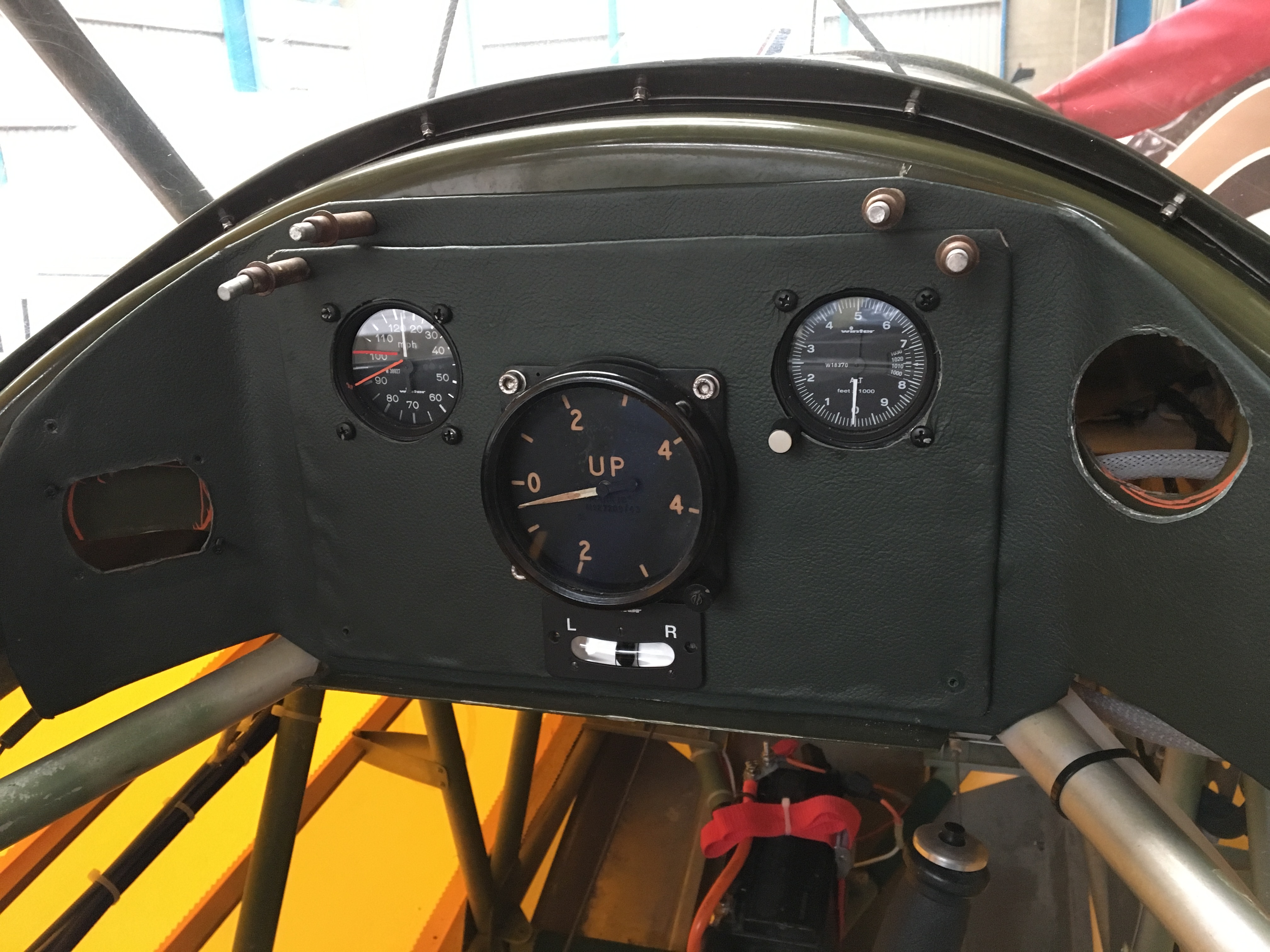
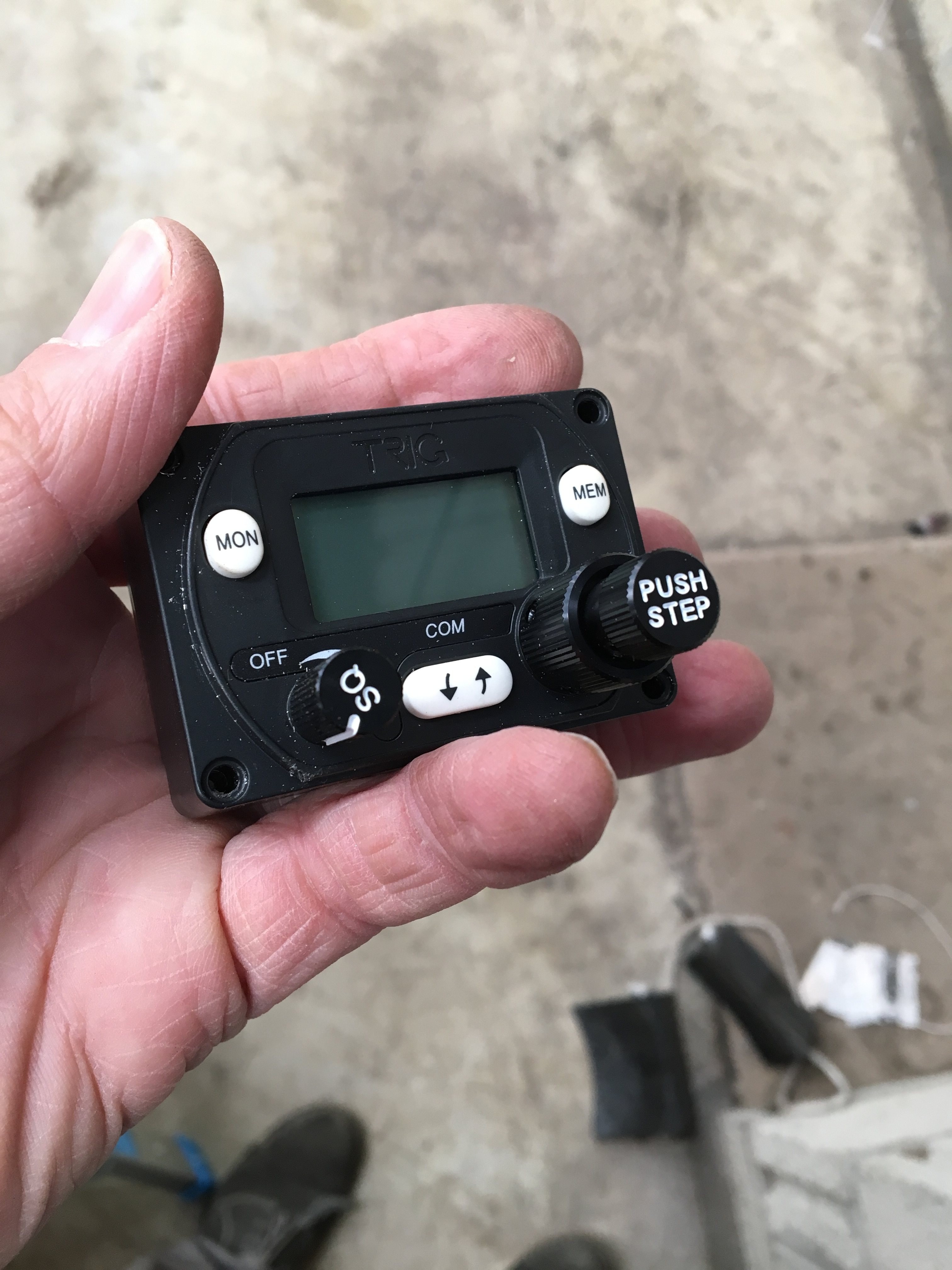
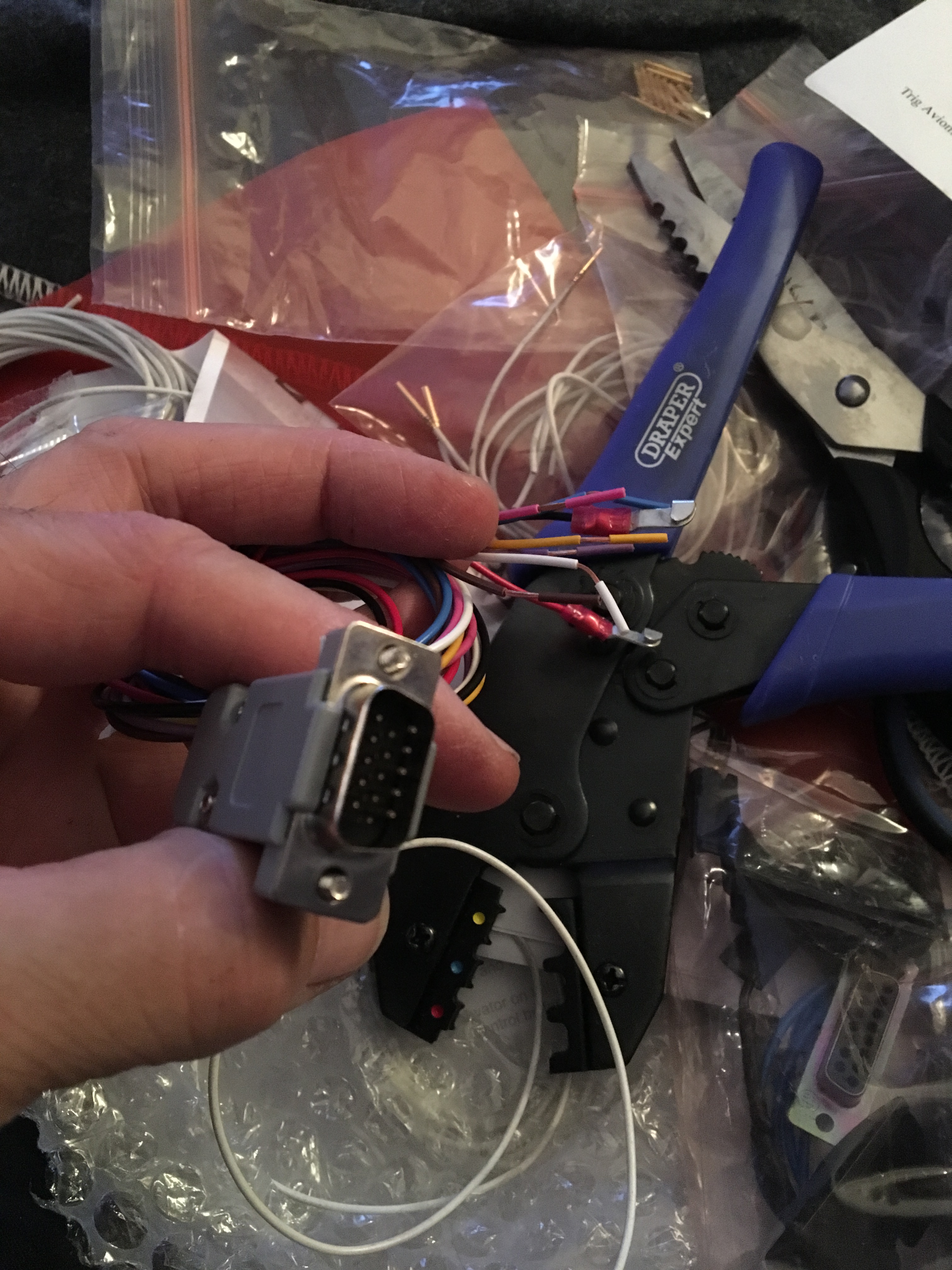
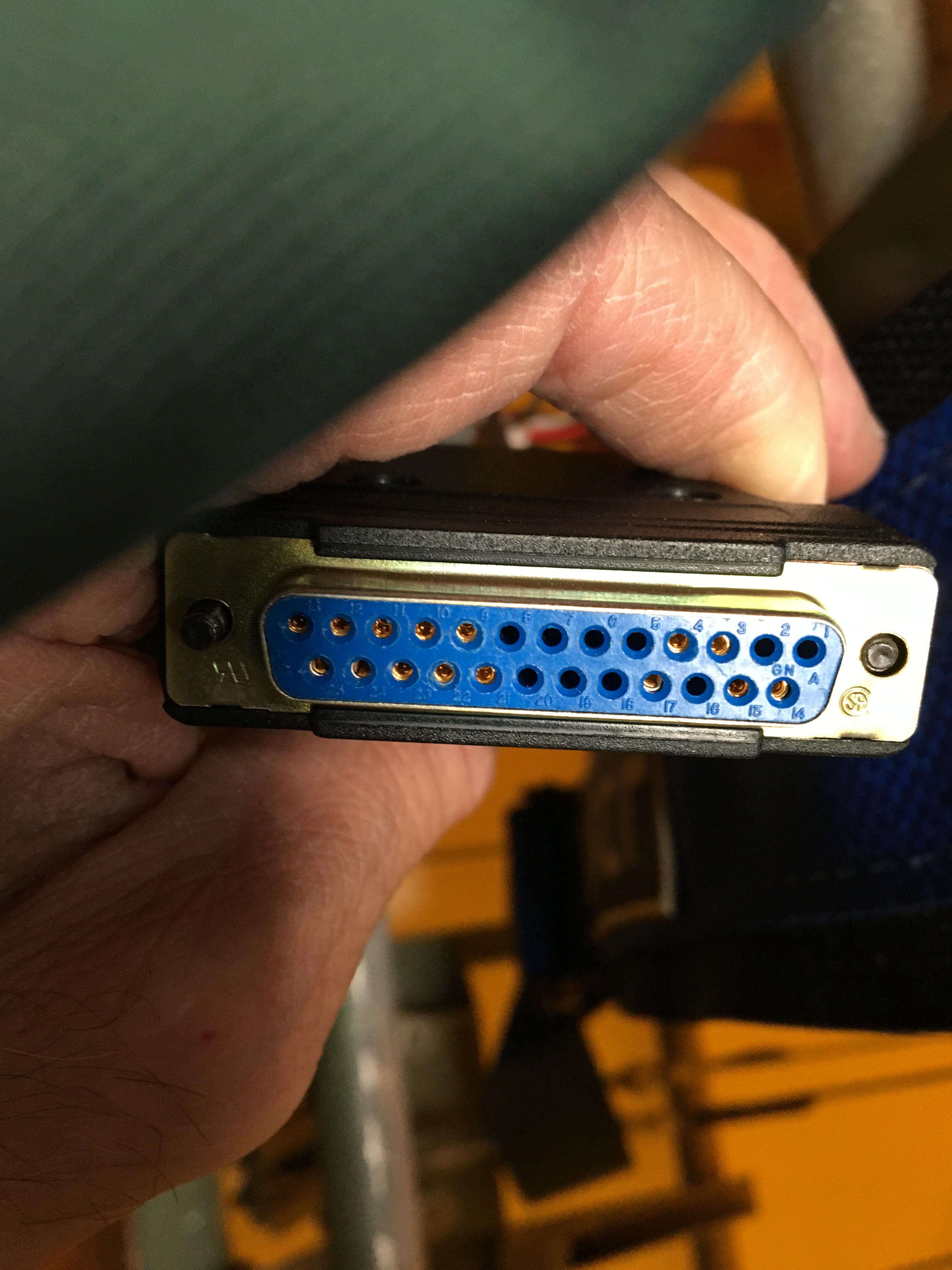
Called Paul and Ivor on Saturday evening and added a few things to the list that I’ve been meaning to sort … cable .. pegs .. front instrument and repeat radio head for the Trig
Expected I would then plan to sort in a few weeks time …
Paul turns up less 7 days later (at the a Williams open day with us as a thank you for all his sterling support) with absolutely everything .. amazing service and all with such a friendly way
One other thing that prompted my previous post in regreasing was not only the rudder removal but also reading a recent LAA magazine (August issue) and Malcolm McBrides great safety spot – which I always read first !
This one had the article about the Steen Skybolt in it where they had bought and engine that had been left for a while before use (inhibited). My Jabiru was brand new when I bought it – boxed – but about 3 years old
So by the time it went in the aircraft it was oldish but looked – on the surface squeaky clean – as it still does !
Reading this article made me think I should doubly check rubbers for perish – which I did on install but now – 1 year on from the first test flight should just consider replacing all ANYWAY !
Will need to find a suitable agent that can supply a set and then a nice (bad weather) weekend job awaits 😀
One of the slight (hidden) problems of an elongated build profile – mine was around 4 years build due to pressures of work and the like plus a similarly elongated test flying period – min was around 9 months – again mostly due to work and family commitments means that you feel you are always working on the aircraft doing something .. a little tweak here a fix / update there BUT …
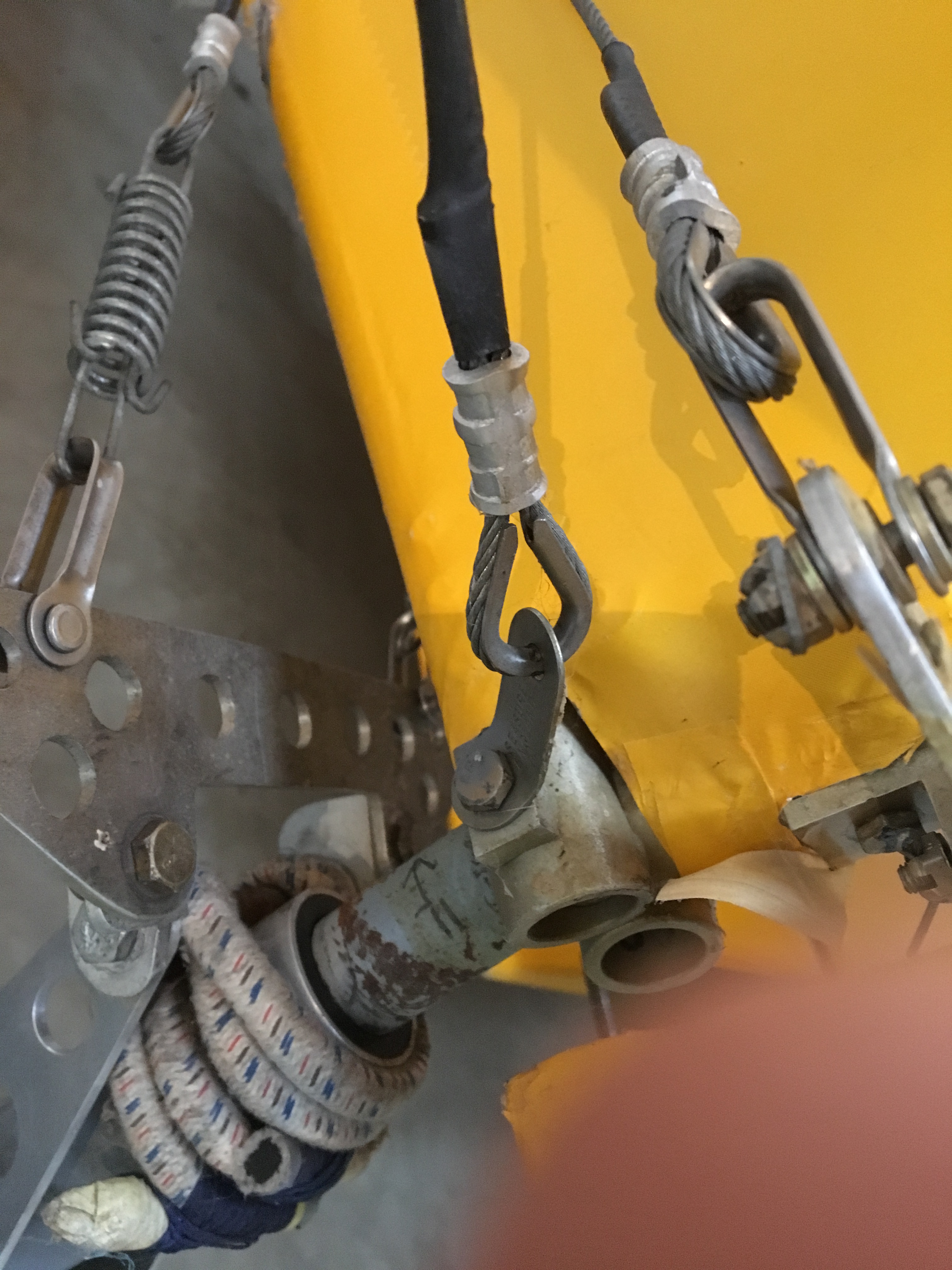
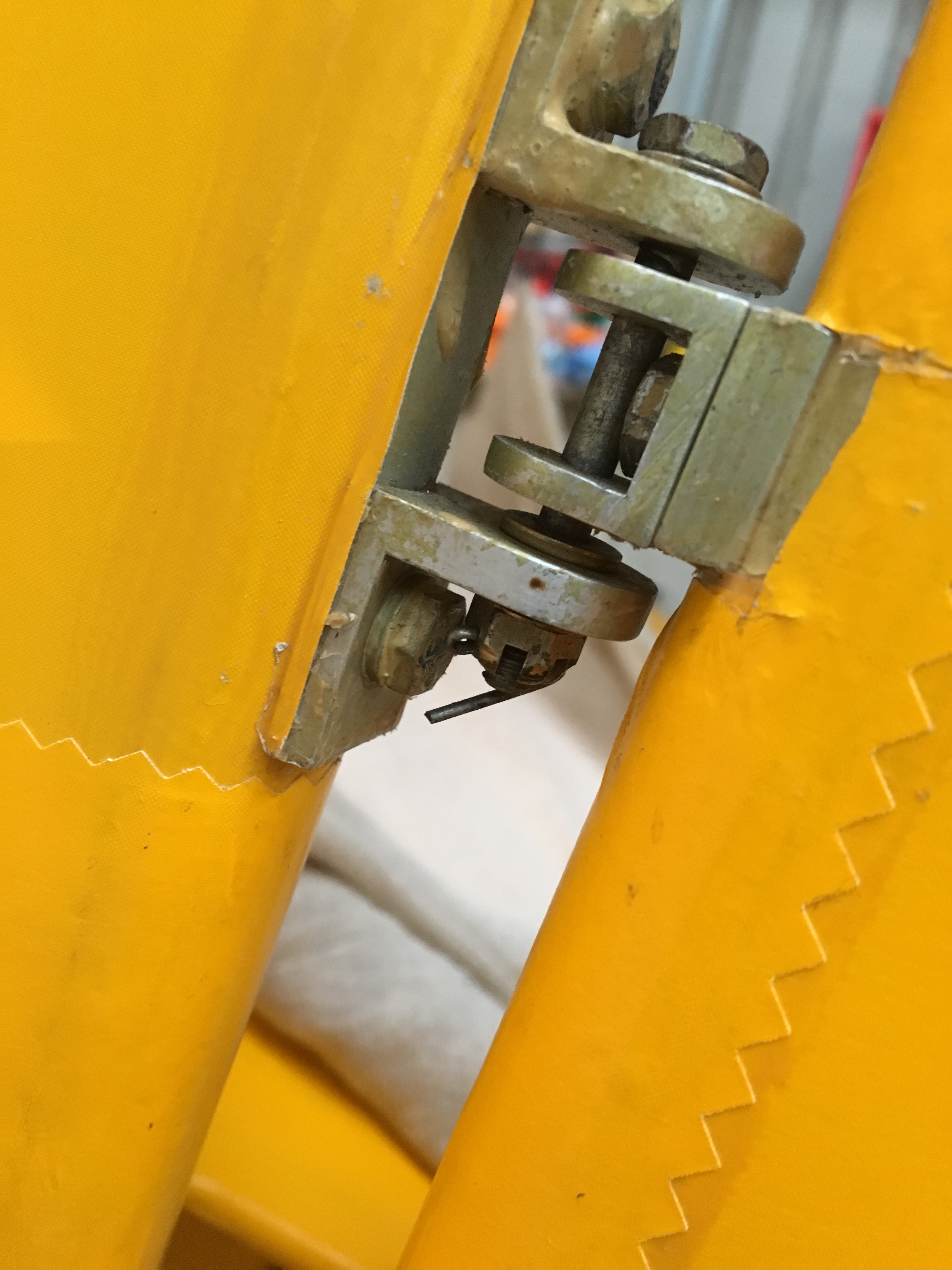
… you sort of think you MUST be doing everything that is good and needed … but, as I took the rudder off for its decals I noted that the bolts (that I visually check EVERY pre flight for security and split pins etc) were very dry
When I put her together they were greased with some special stuff that I gather the US military use … looked great .. didn’t run .. was fine and easy to apply but it looks like the sea air has pretty much completely dried it out .. having only washed the aircraft fully down a few times and it used any harsh solvents I can only put it down to salty air
So – it’s going to be a session when I get back from a short break away slipping every rudder, elevator, aileron bolt out in turn .. cleaning the shaft and then putting longer lasting more resilient film of grease on – maybe coppperslip like I use on the motorbikes
Will create a laminated checklist for weekly, monthly, quarterly routine checks to add a re greasing section in
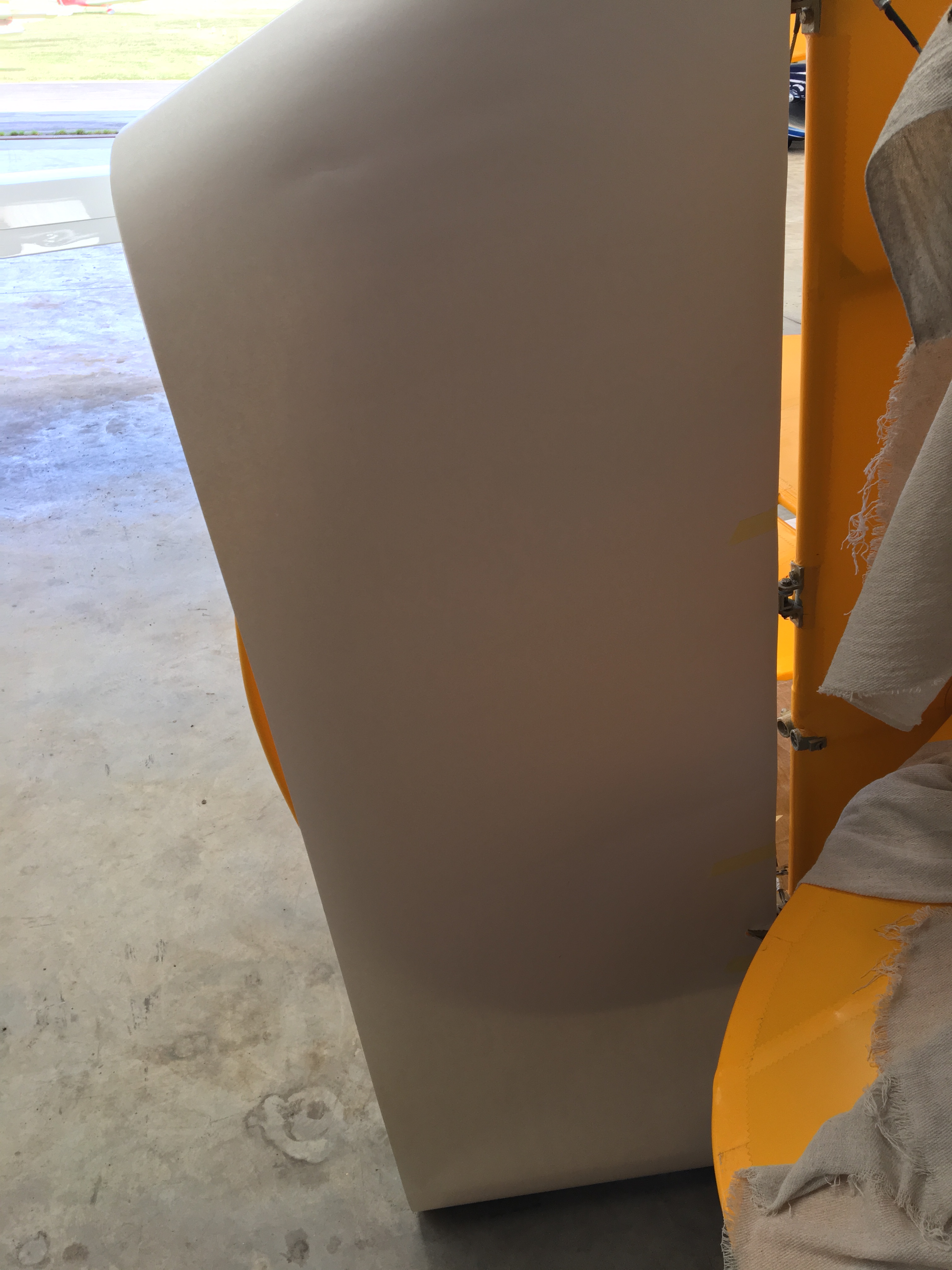
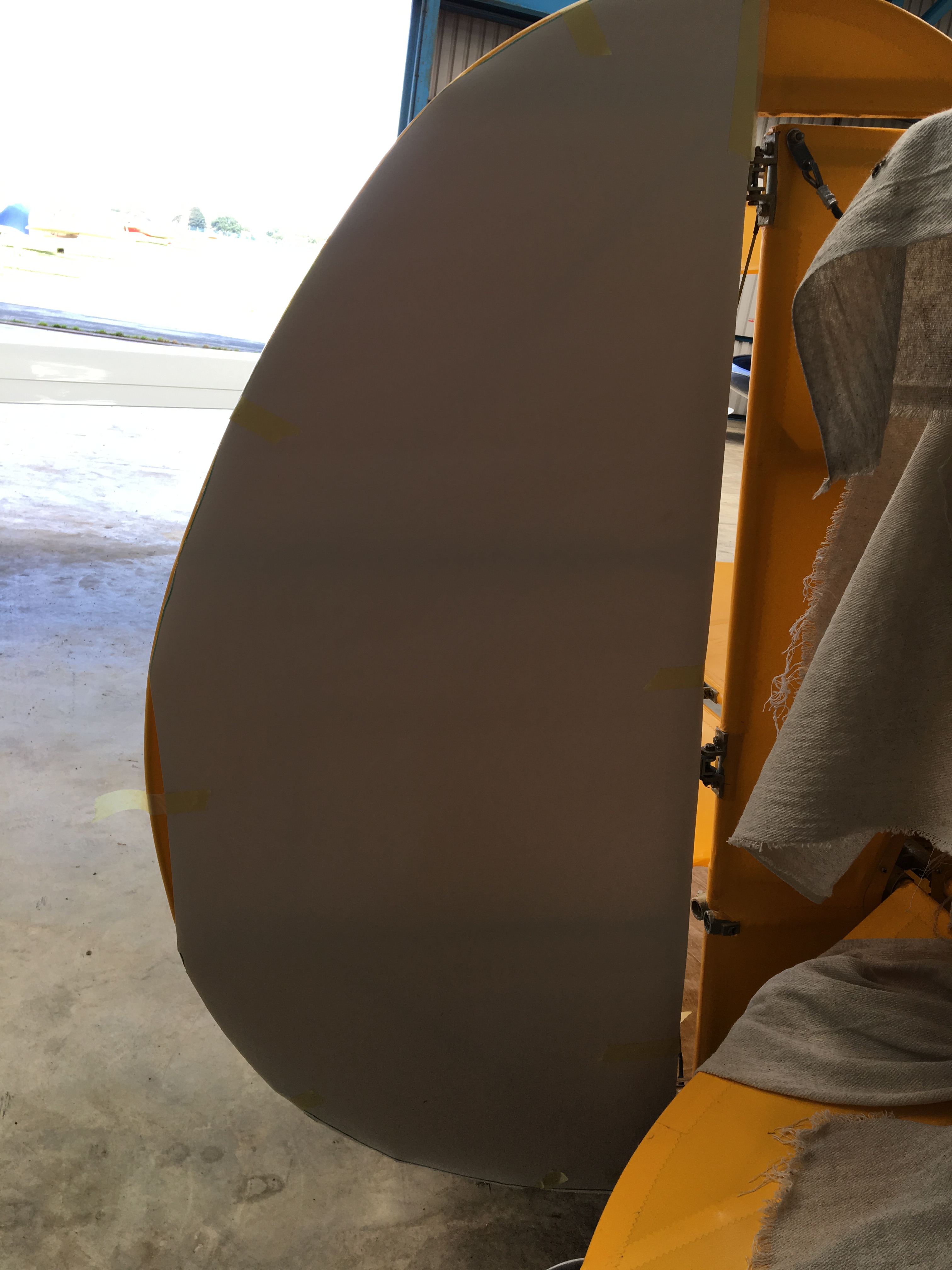
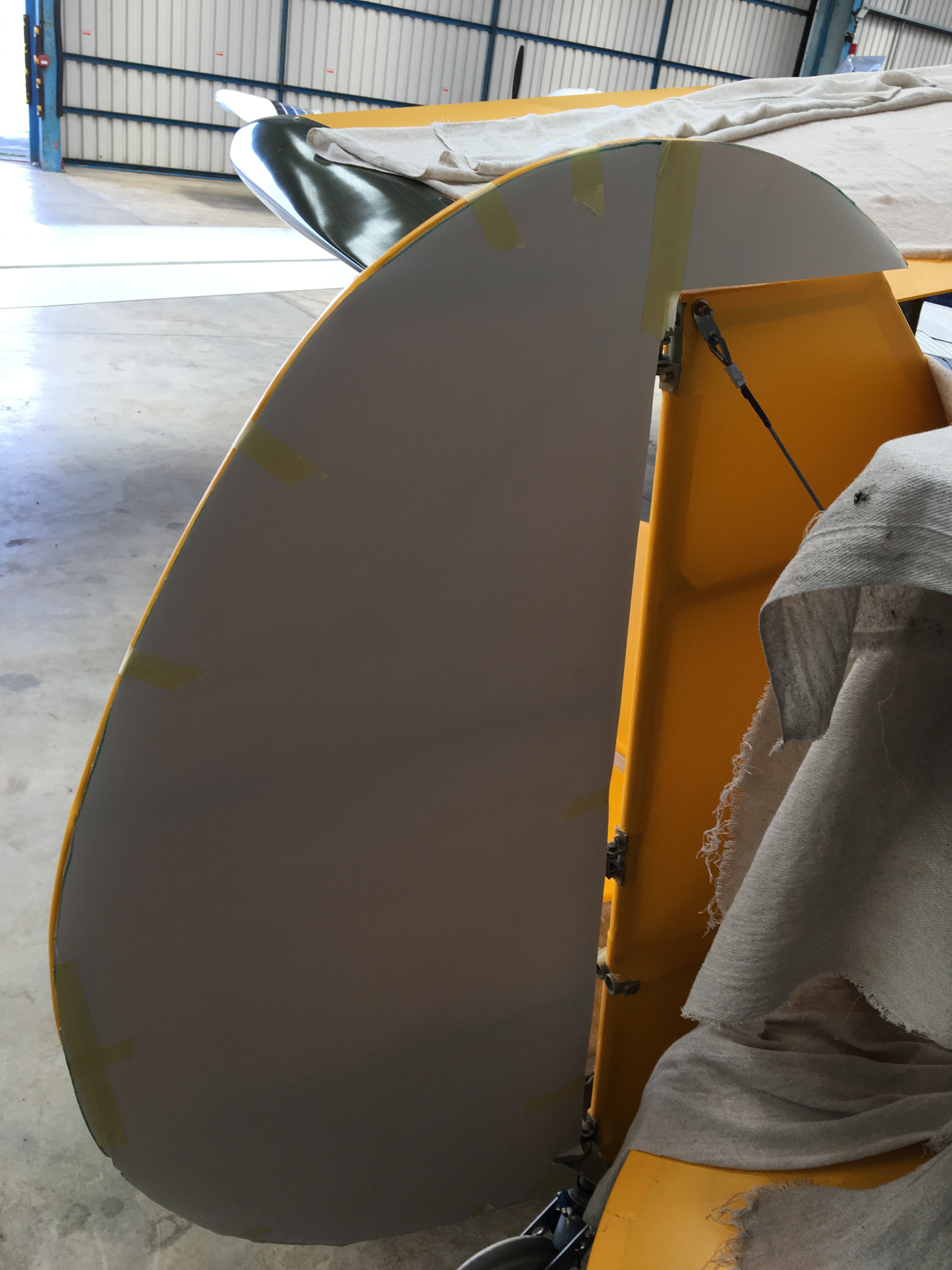
… until I decided what colour or style would blend in .. nothing too sharp and angled but something that might reflect say a 20’s era
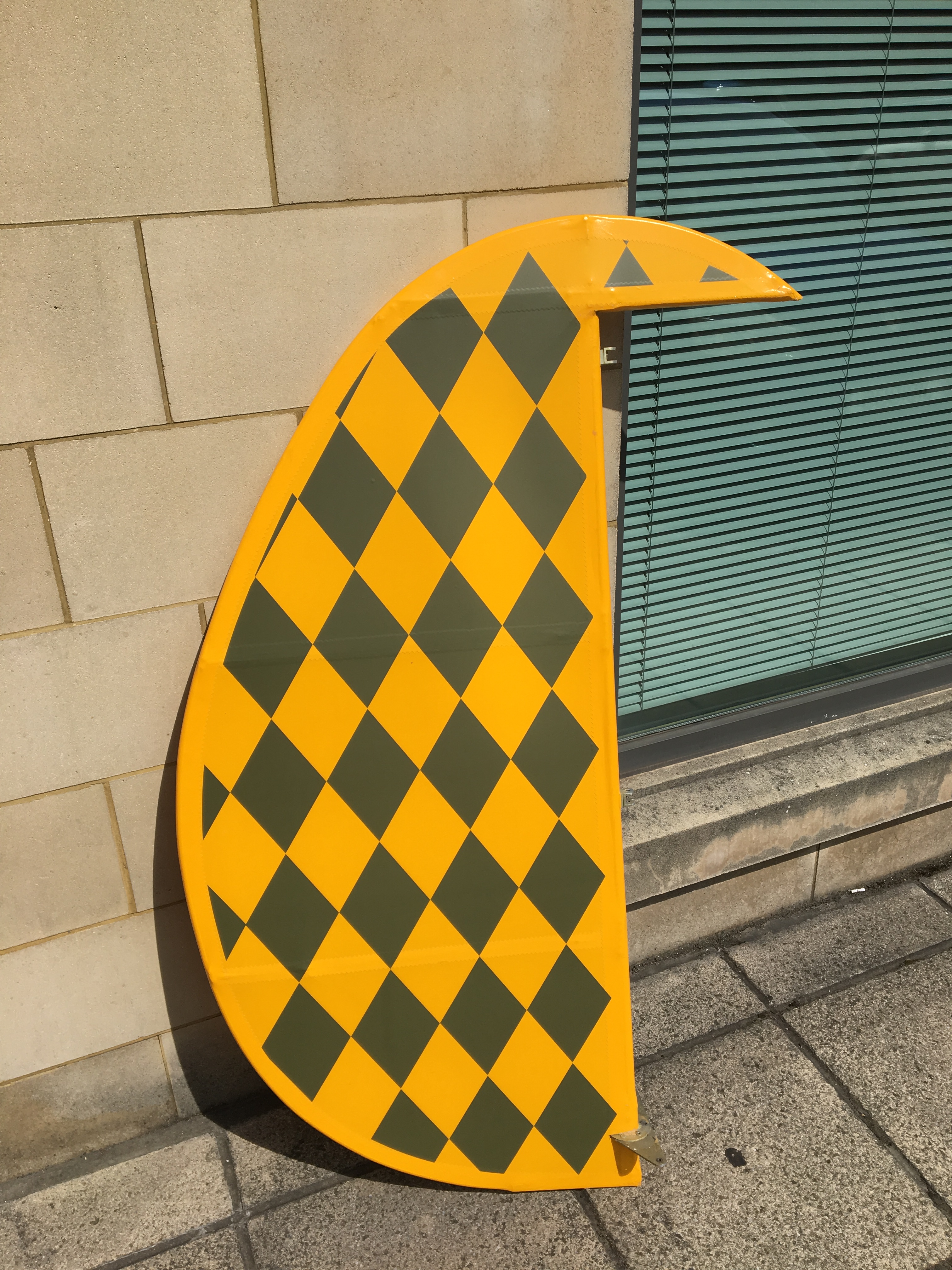
Picked diamonds
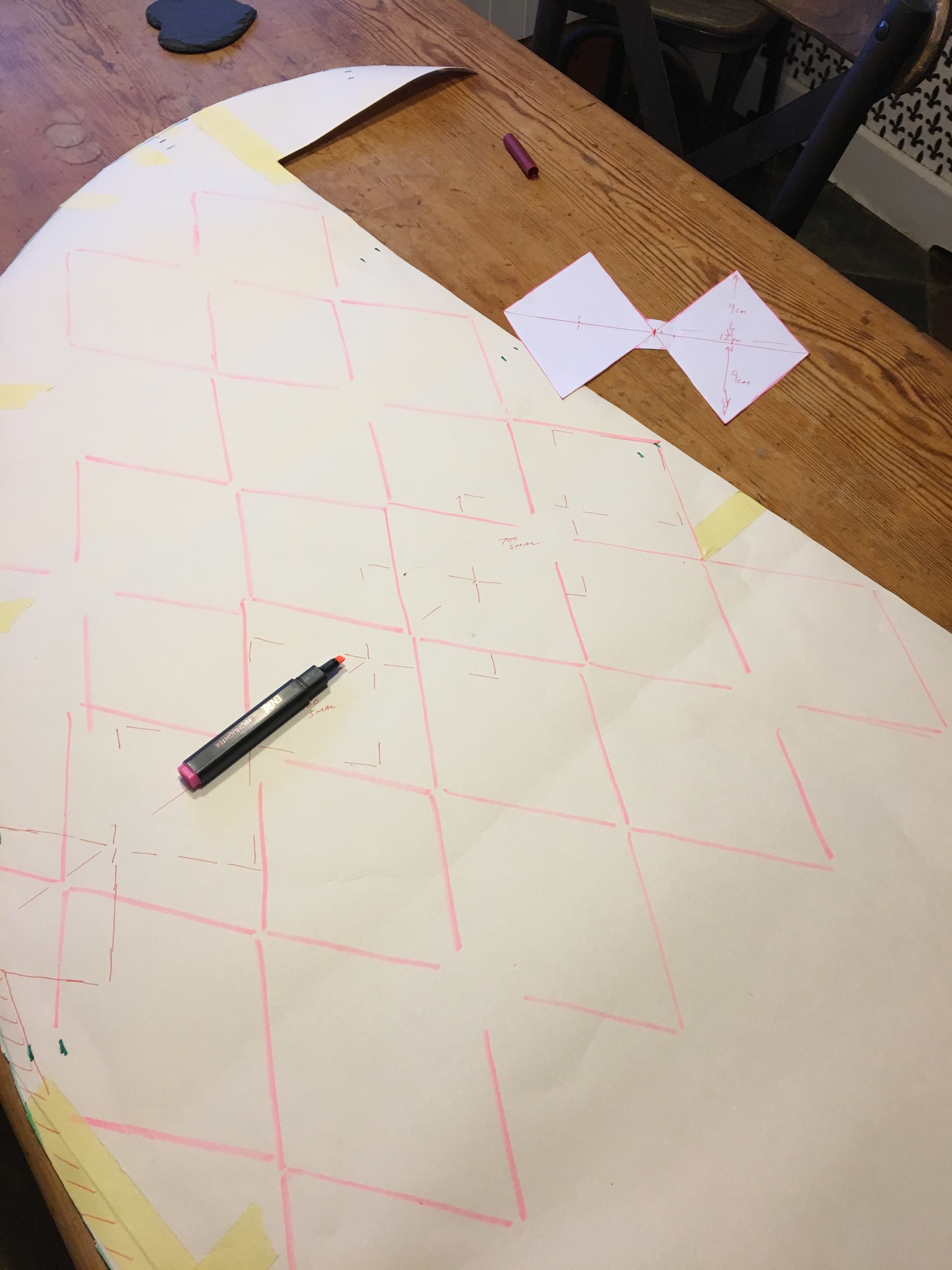
A local company (Signcraft) asked for a paper template and I mocked up a diamond design based on a model that TLAC had kindly provided …
slightly enlarged the diamonds as my wife said they would look squitty at a distance !
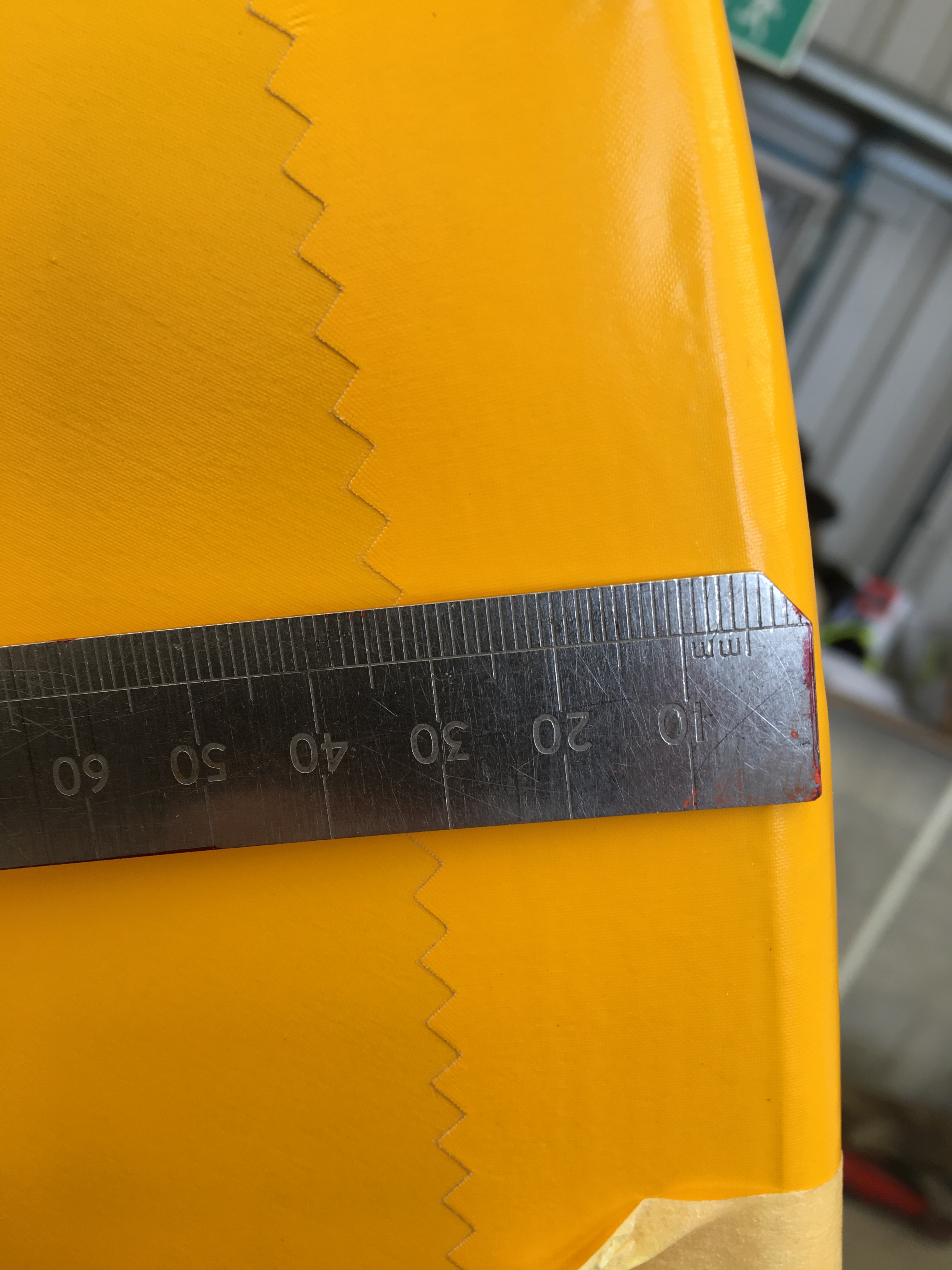
.. and hey presto .. 72 hours later they had colour matched decals .. paper thin for weight and then added a UV protection film over each diamond ! Amazing quick professional job
Having been asked if I would show the Sherwood at the Jersey Air Display I thought it would be good to have a pre practice in the general display area
The display team have advised that there is a general practice day the day before ! But as I am a newbie I thought it wise to at least get some orientation in advance
Called up Jersey ATC on a lovely clear Sunday morning and asked for two circuits and then a possibility to run at 700′ between Elizabeth Castle and the Grand Hotel – pseudo display line
The chap queried it but the ATC team granted it straight away – so helpful !
This was also post the first 25 hour oil change on the engine .. kept 100 oil in for now …
The footage below shows some of the tight turns simulating keeping well within any crowd lines and the like
Well .. it’s just got to 24 hours engine run time .. a whole ‘day’ of engine running ! And about 18 hours of actual flying
I’m getting comfortable with the engine as I get to know it’s handling .. when something is brand new and you have no experience of it you vary between instinctive confidence – IE it’s brand new so what can possibly go wrong to an element of mistrust – cos it’s brand new ! And lots can go wrong with it !
You end up .. hopefully with a healthy mis of BOTH and so each flight you learn and pick up the sounds and handling bits
Last Sunday I flew her around the island for 58 minutes .. mostly over a beautiful blue but deep sea .. still focuses the mind and ears on all those noises .. and she sounded fantastic .. didn’t miss a beat
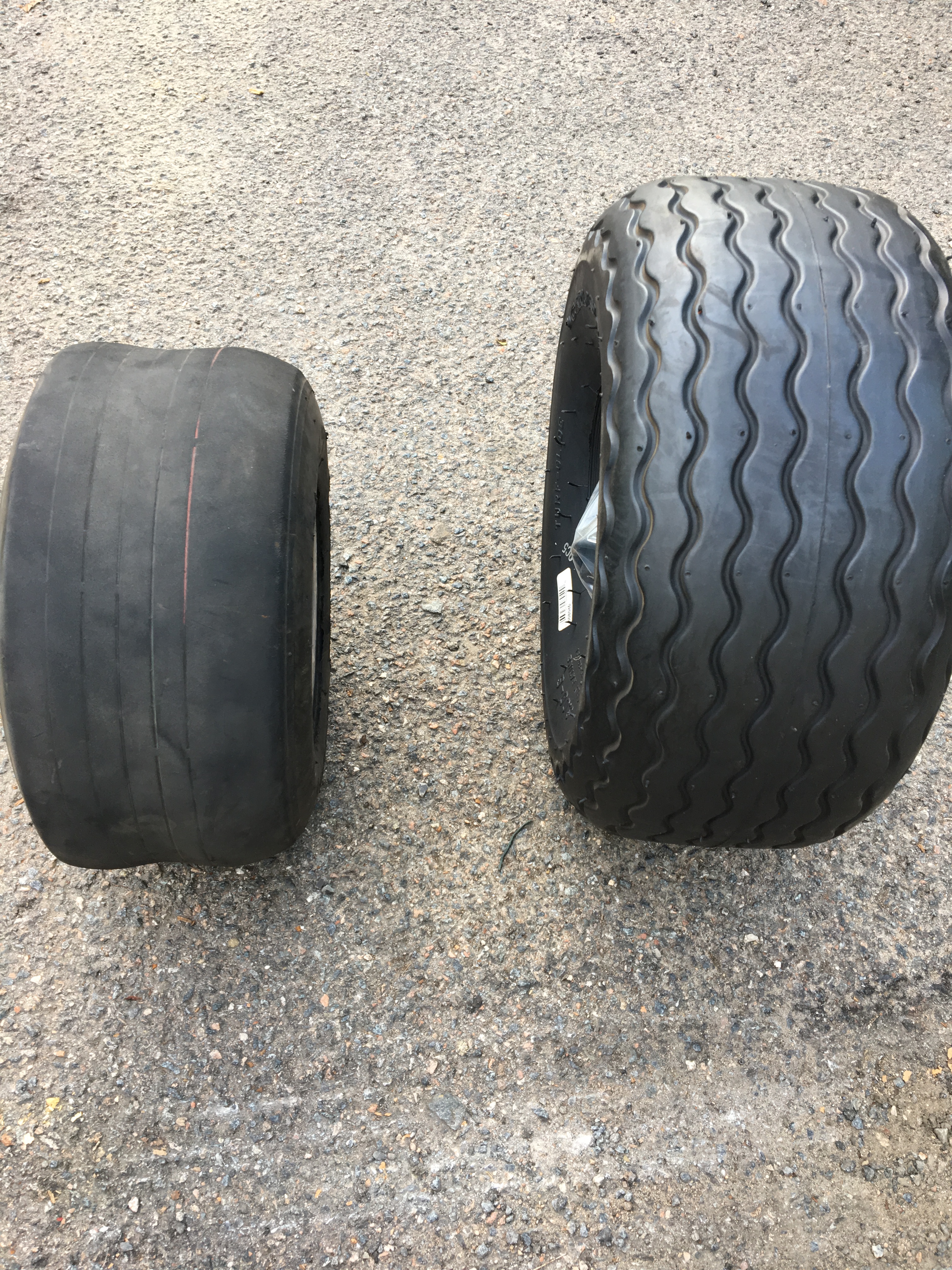
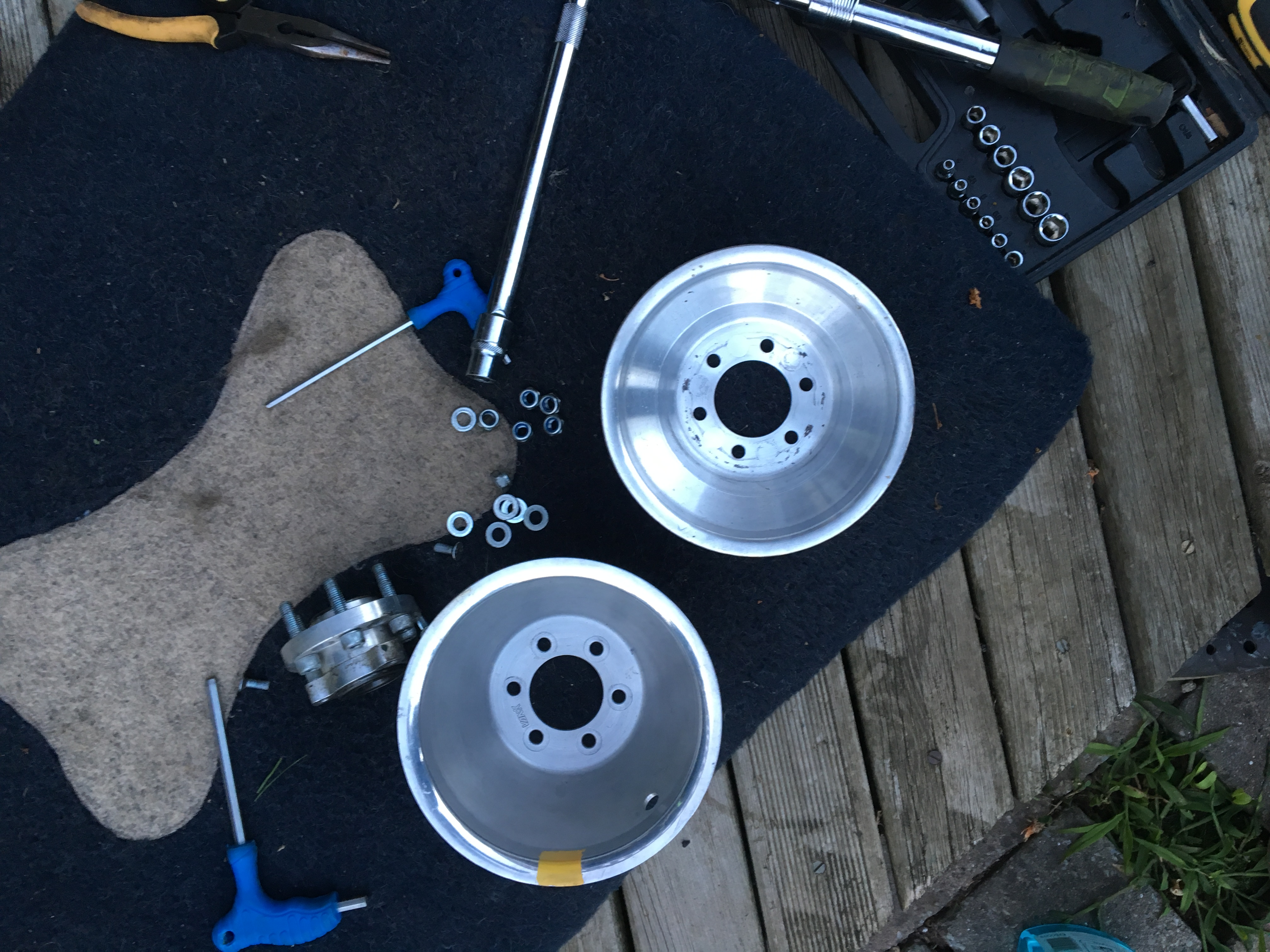
Anyway … time to change the tyres .. I’ve been running them at a low pressure to prevent too much bounce on the tarmac at Jersey – so about 10-12 psi – they do slow me down quite quickly on the surface but it’s all becoming reasonably predictable
Getting the tyre off however wasn’t !
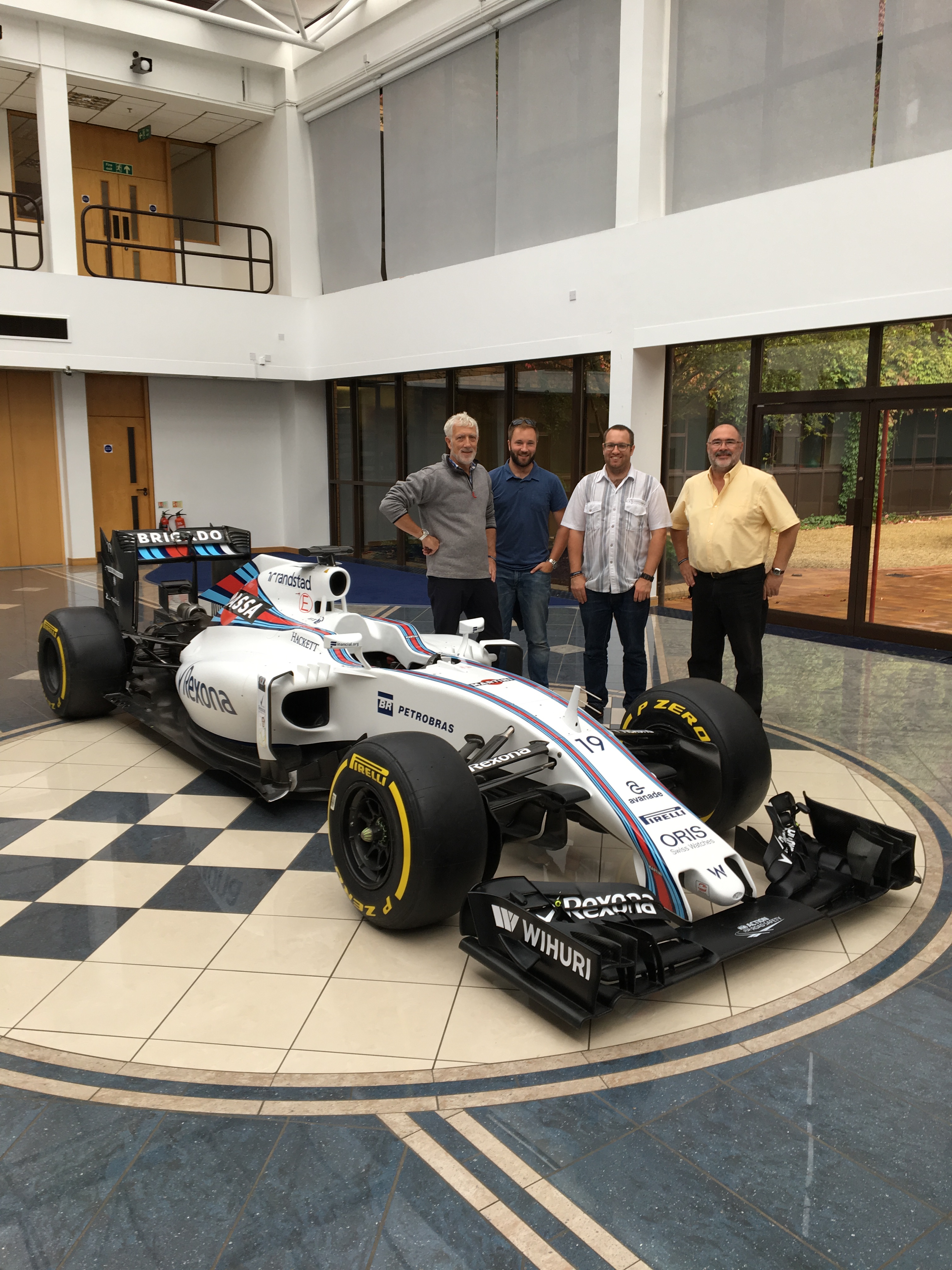
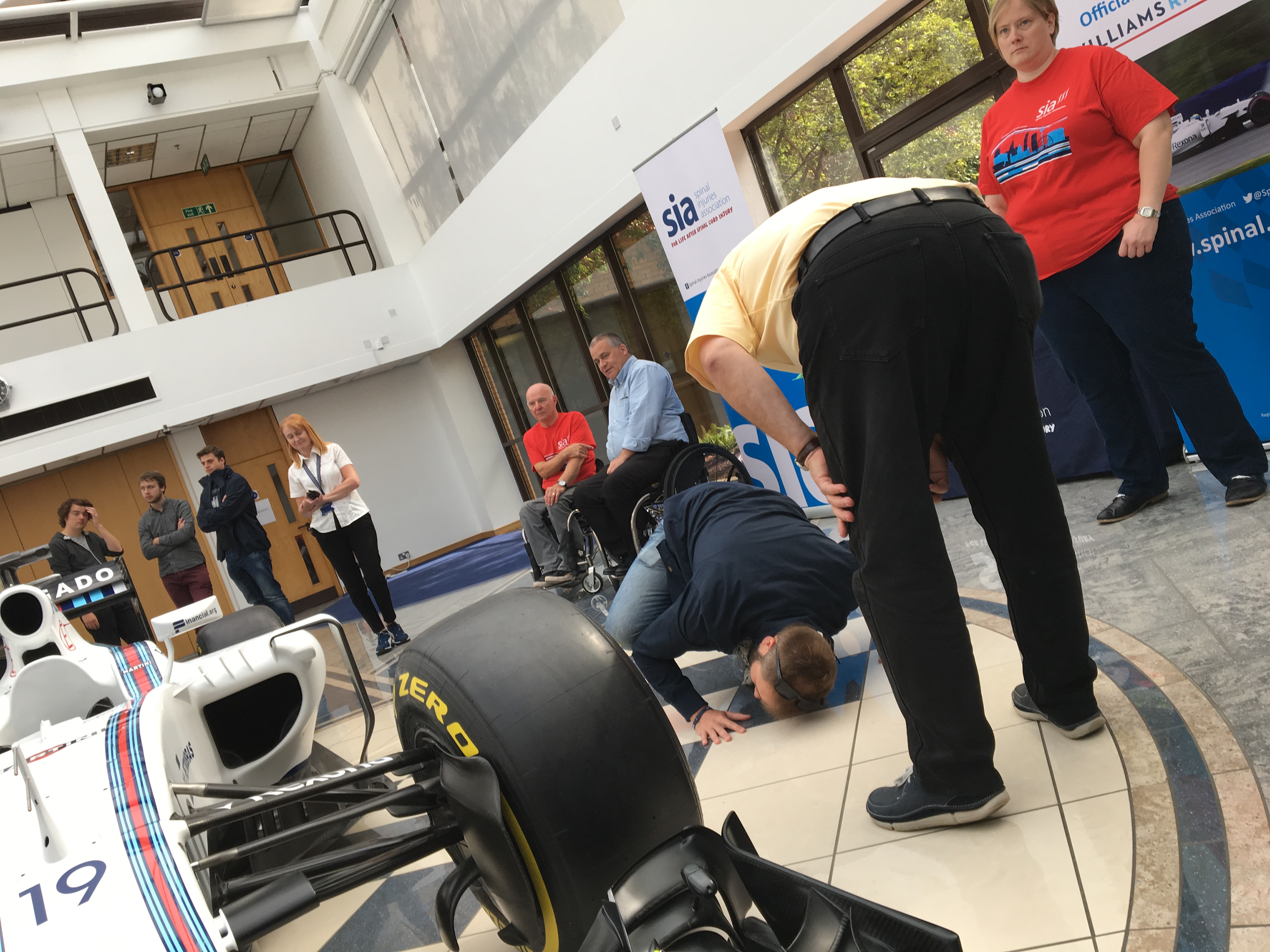
I thought it would be a quick job having watched my sons factory (Williams F1) do 4 in 2.1 seconds last week !
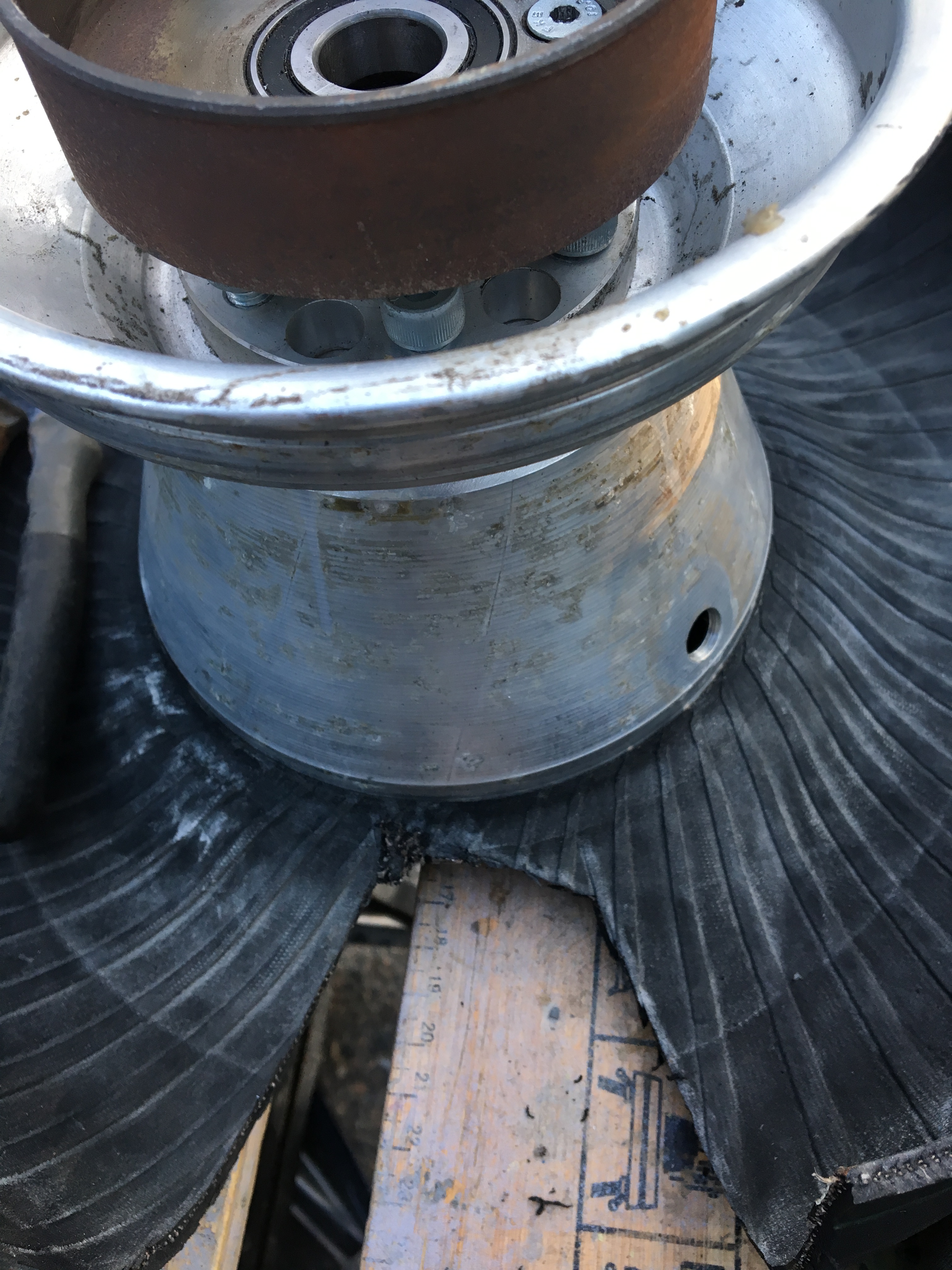
After 2 hours of sweating and heaving using a proper tyre remover kindly leant by CIAS it still refused to pop off the bead at the hub
After cutting it off and eventually cutting the rim wires it parted company
I realised afterwards it was the first thing I did over 4 years ago so they have probably age hardened AND I didn’t use talc or anything when putting them on ! Now rectified

 Had a bit of a worry when checking through the engine documentation and it noted that the tappets should have been checked and re checked at early intervals