Jersey Air Traffic

Got an email today from our very friendly Senior Air Traffic Controller (SATCO) – Les Smallwood. He had taken the trouble to get back to my initial request about first test flight. Although its a way off its worth starting to plan ahead.

Les has kindly said he would ‘.. put the Fire Crash crews on standby for the event’ ! nice to know 😉

He also suggested that I could do a close circuit … which seems eminently sensible. Fort those who don’t know Jersey its 27/09 runways have circuits that are predominantly over the sea with large cliff edges.

I said that I would probably start with a series of long hops .. getting up to around 4 feet high to check balance and basic control. Then, return to threshold (or engineering if any problems) before going for a lift off and circuit.

Trailer preparation

An excellent friend at the local aero club who happens top be a cracking engineer has very kindly offered to help build a trailer.

Mike (Fleming) had popped up to the building workshop last year and offered some great, sensible, practical advice on a range of build techniques. One thing he did point out was that the pile of swarf next to the drill (which I felt made me a ‘real’ engineer) was probably more of a hazard and should be kept cleaned up on a regular basis ! Fair point and I have tried to spend 1 hour every month re-tidying the workshop which really does make a difference.

Mike has now mapped out the 100x 20mm tubular steel framework that will make up the basic layout. The cross members will be welded / tagged and the cross members added to make up the mounting points for the suspension units.

The local garage has all trailer supplies. Mike suggested leaving the wheel plates until we bring the trailer on site and then test load so that any wheel tracking/splay is catered for and then weld them in place.

Being able to move the ‘plane around will be very handy as engine checks/runs could be conducted at the airport/CIAS.


Wing Tips

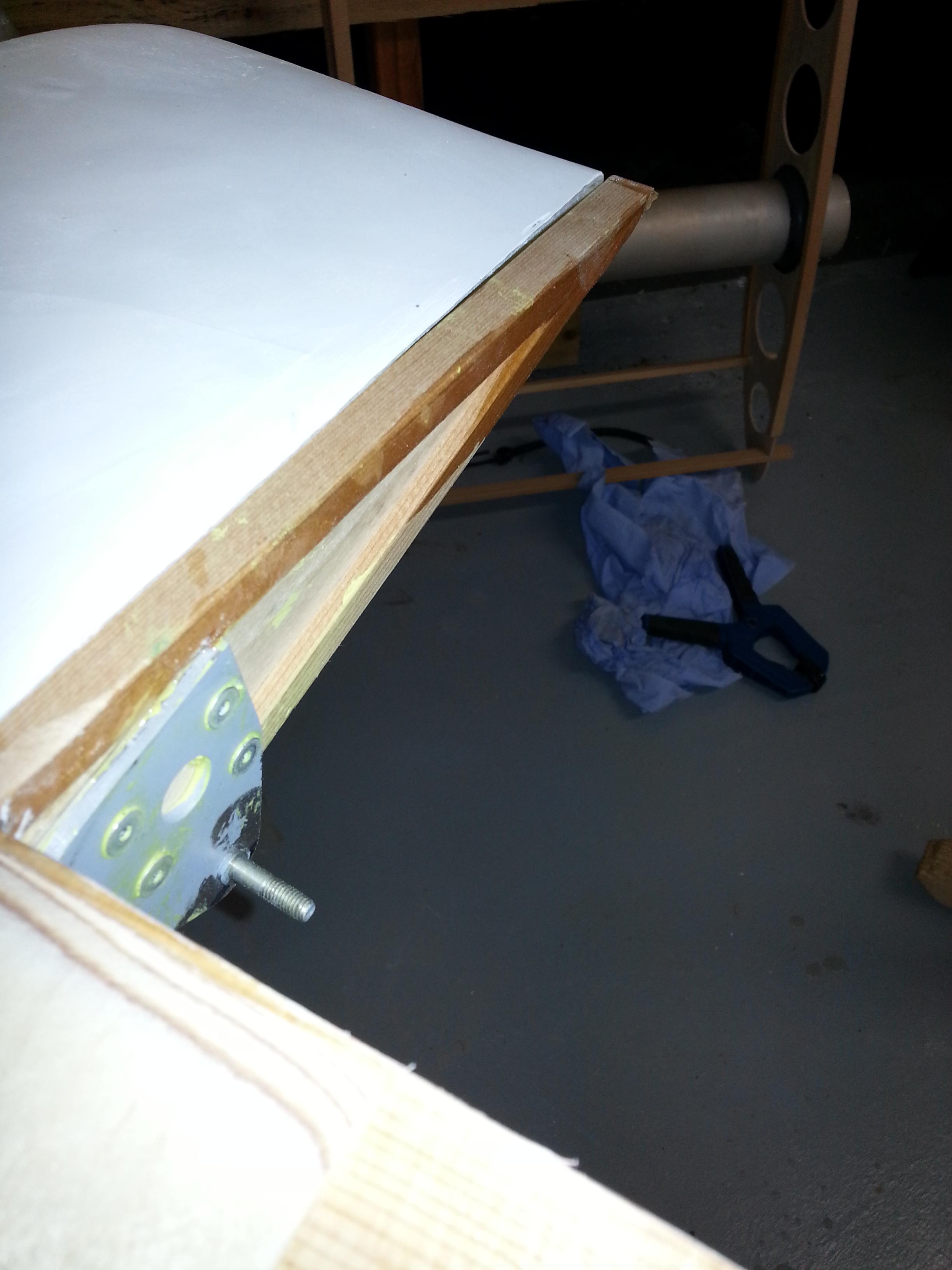
The wing tips are provided per moulded with a very neat finish.

wing tip

They are a very snug fit with small indentations to cater for the wing gussets. Just need to carefully and slowly trim a little of the trailing edge of the outboard rib to get the tip to seat nicely.

I also plan to get some small strobes in place so need to get these fitted soon before access becomes an issue.

Sams Back …

My youngest, Sam, is back from Uni and always makes a point of getting up to the barn.

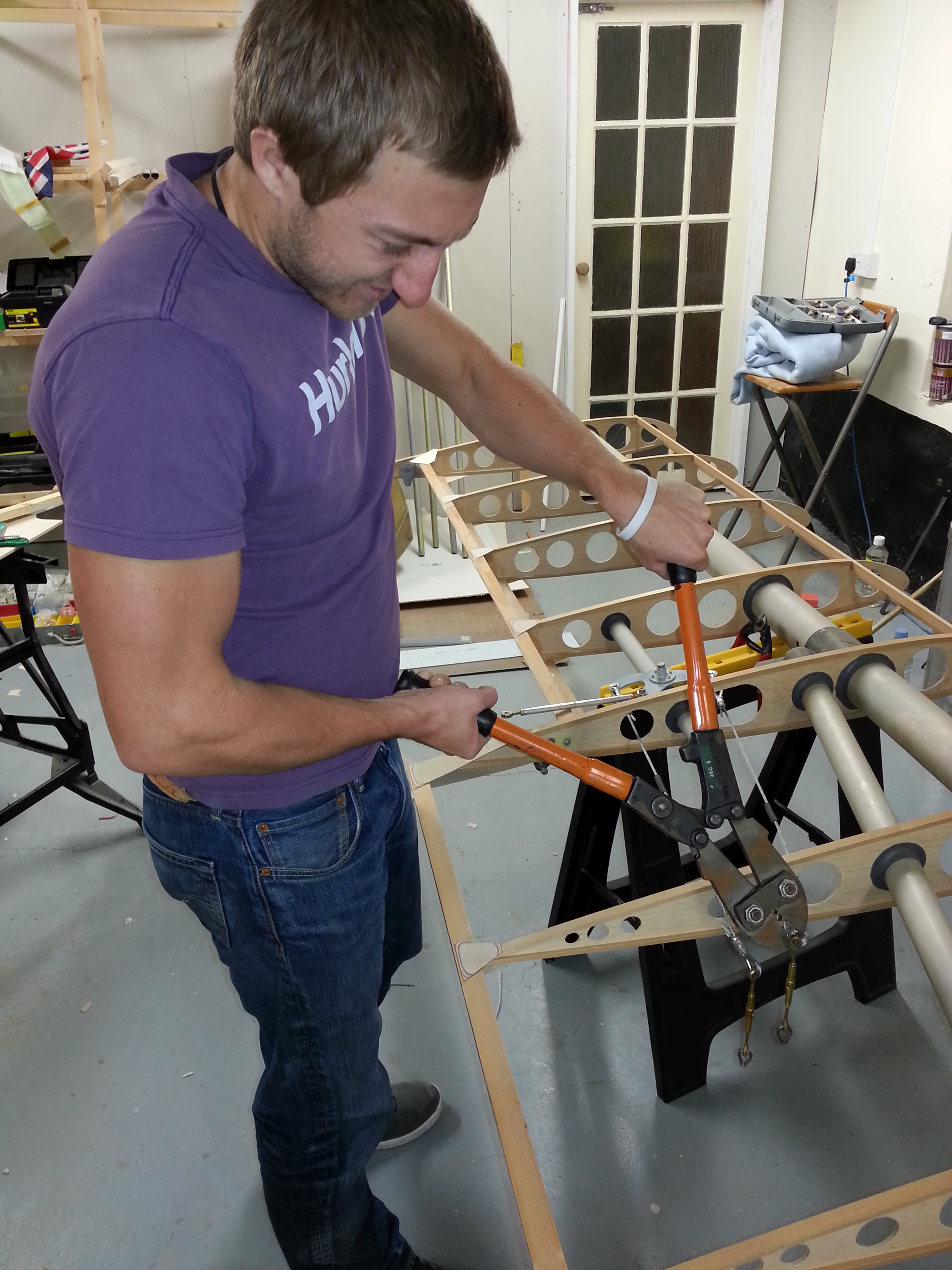
The other night it was final wing gussets needing Aerloite’ing in place … we were a couple of larger gussets short so Sam made a template out of one and made up 3. Once these were on and clamped he then helped with the multi handed job of swaging the inner aileron turnbuckles.

Ail turnbickle Sam

These have all been done single handed by me so far .. not an easy task with that huge crimper (STILL on loan from the very very nice people at Channel Island Aero Services (CIAS) … many many thanks for the long term use Bob, Bob, Graham …. nearly onto the last swaging … MUST be because I don’t have many thimbles left !

Top Wing Cradle – Coop !

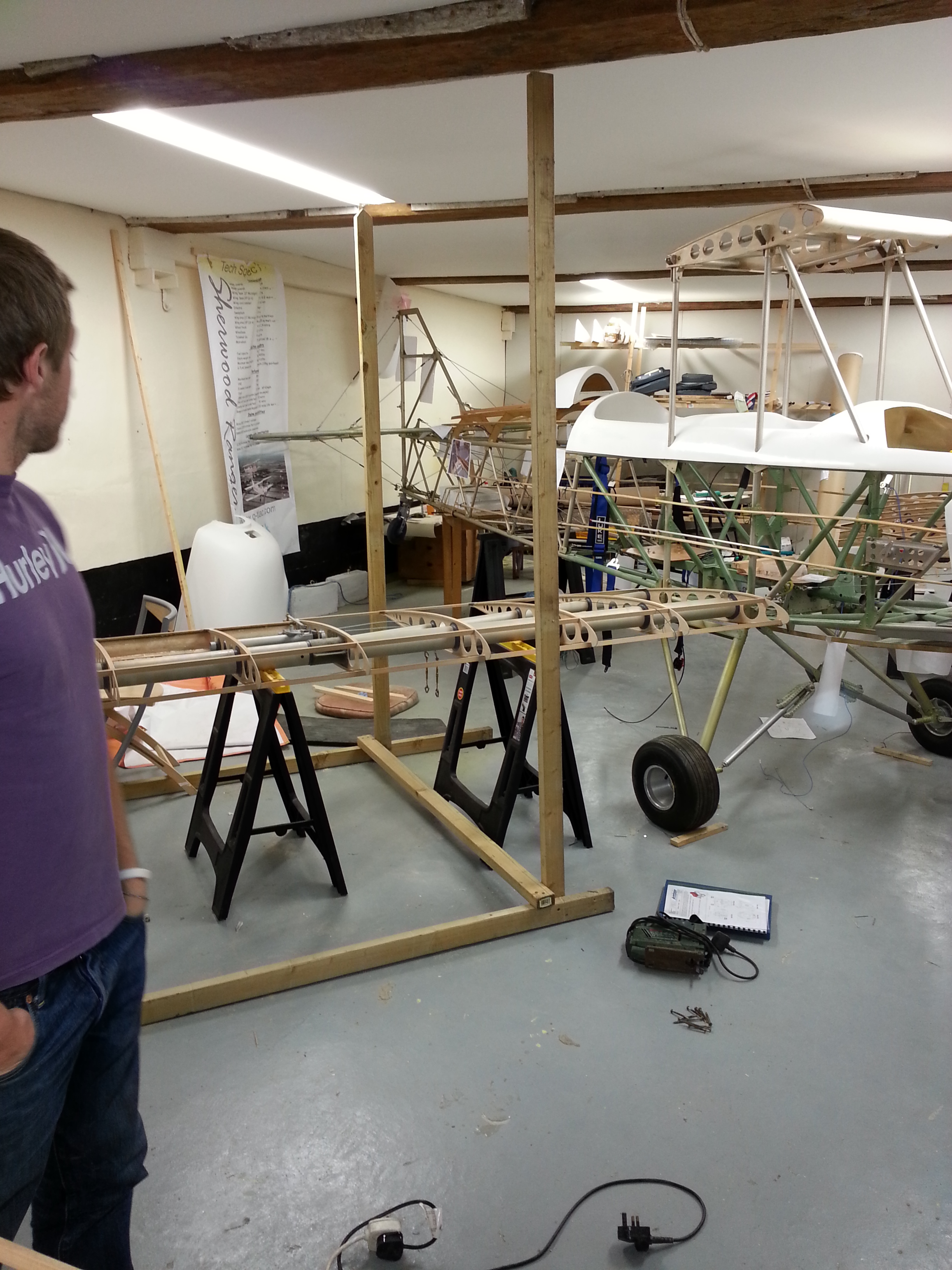
Planning now for the seating of the top wing. This will need a cradle or similar setup as I cant obviously use the floor mounted trestles that I have for the lower wing.

A couple of years ago we bought a few chickens and I built a walk in coop for them. Eventually, when they had stopped performing ‘Chicken Run’ type escapes over the fence into the next door field we could dismantle the coop and leave them in the garden. NOW – all that spare wood (that I just knew I would use someday !) has come into use as the cradle outer for upper wing support.

Wing Cradle Part 1

The aim is to provide multiple checkpoints so that the wing can be carefully settled and aligned and jigged to provide the (on plan) 0 – 1 Degree dihedral on the upper and 3 degree on the lower.

First step is to pre test the cradle one side without actually fitting wing and, if it looks good, build a matching one the other side so they can be done together in situ … don’t want any lop sided weights setting an adverse tilt !

Cold enough to Scarfe !

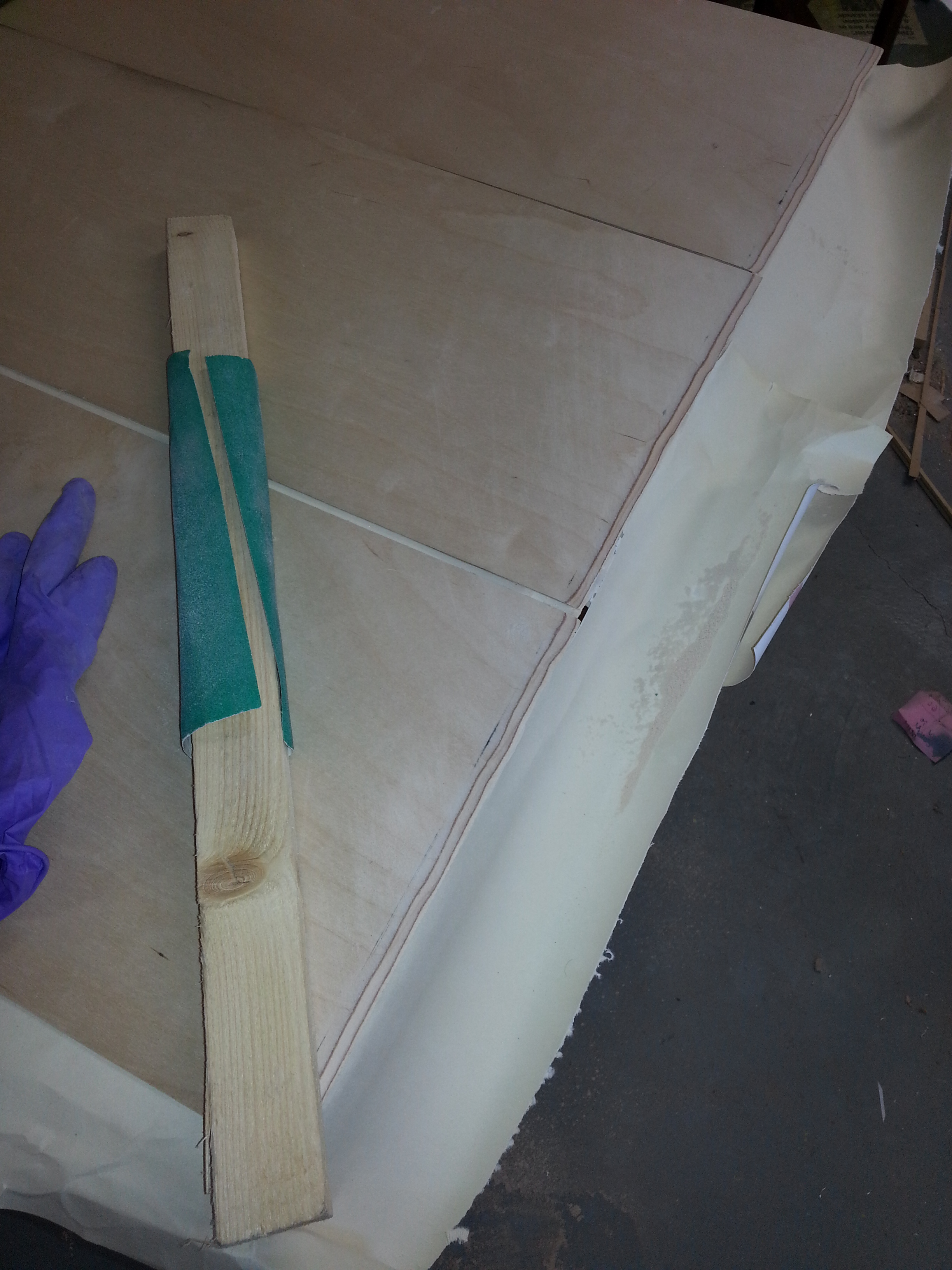
Been preparing the wing leading edge panels which are Birch ply and need to be scarfed before soaking and setting in a jig to preform the wing leading edge curve.

Wing scarfe prep

This will make fixing them much easier without the natural ping of the ply trying to pull it off the ribs !

With 3 sections per wing and 4 wings and the centre section needs scarfe’s both ends that’s 4 per wing so 16 joints to prep. Makes your wrists ache !

Oil Pipes – Connectors

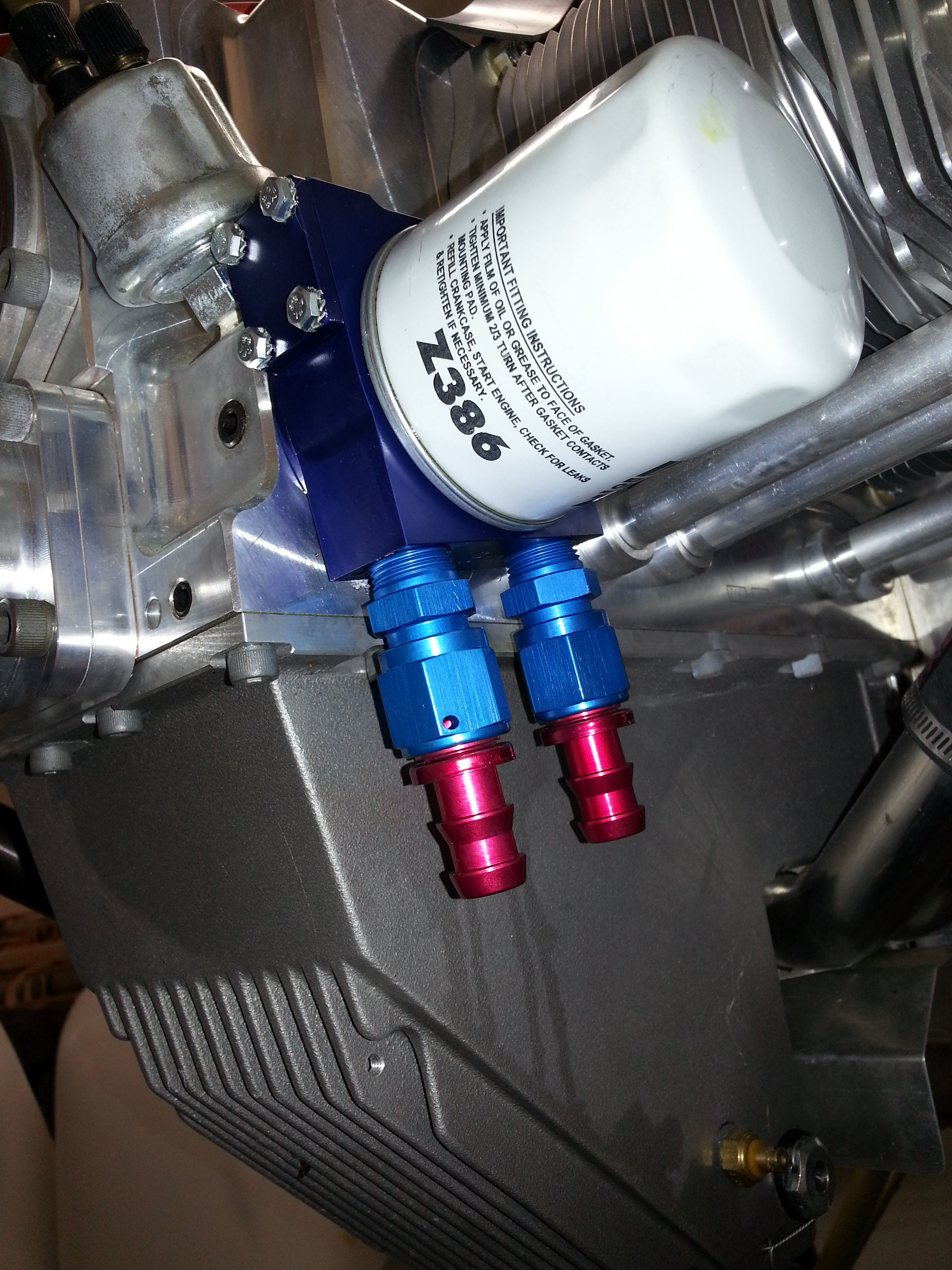
Started to add the oil cooler pipe connectors last night …. have realised I need to plan which is flow IN and which is flow OUT so I get them the right way around !!


Oil pipes 1


Next step – around the time of cowl fitting will be to work out where to locate the oil cooler matrix to get the best ram air flow.

Draft Colour Check – Oratex

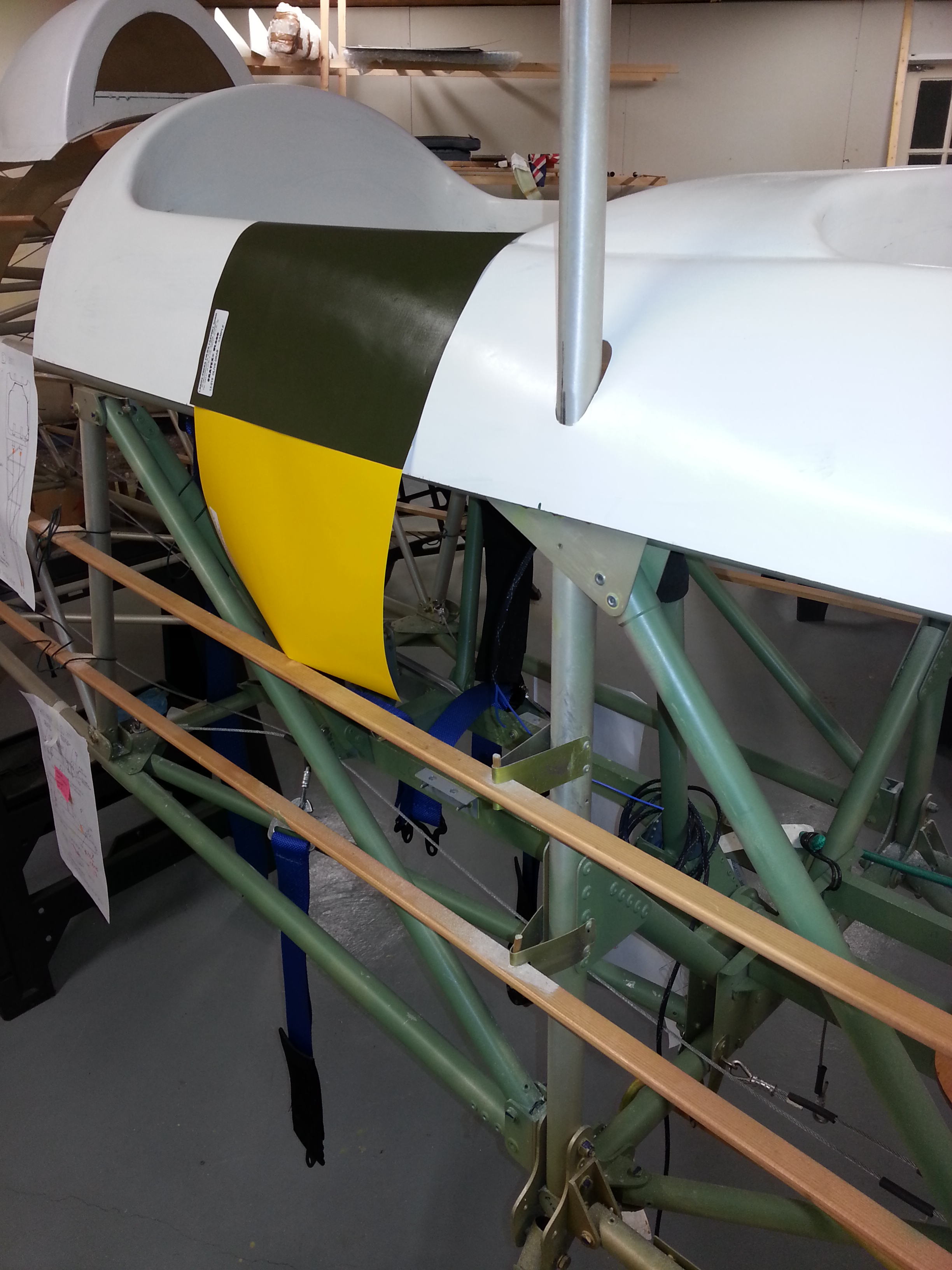
I was planning on doing an Out of Africa lookalike but unfortunately Oratex don’t do Black ! So I asked them last week for some samples of Cub Yellow and Olive Drab (closest to Black).

Olive Yellow test

Looks OK I think …. very traditional Olive colour …

So plan with be top decking Olive, Top cowl Olive with a sweep of Olive curving around the nose into the lower cowl … then yellow wings and remainder of lower half of body.

The spinner will be probably quadrant of alternating yellow and olive

May do wing tips Olive to match and decide on scallop leading edge of fin/elevators when I see what it looks like.

Cabane refit

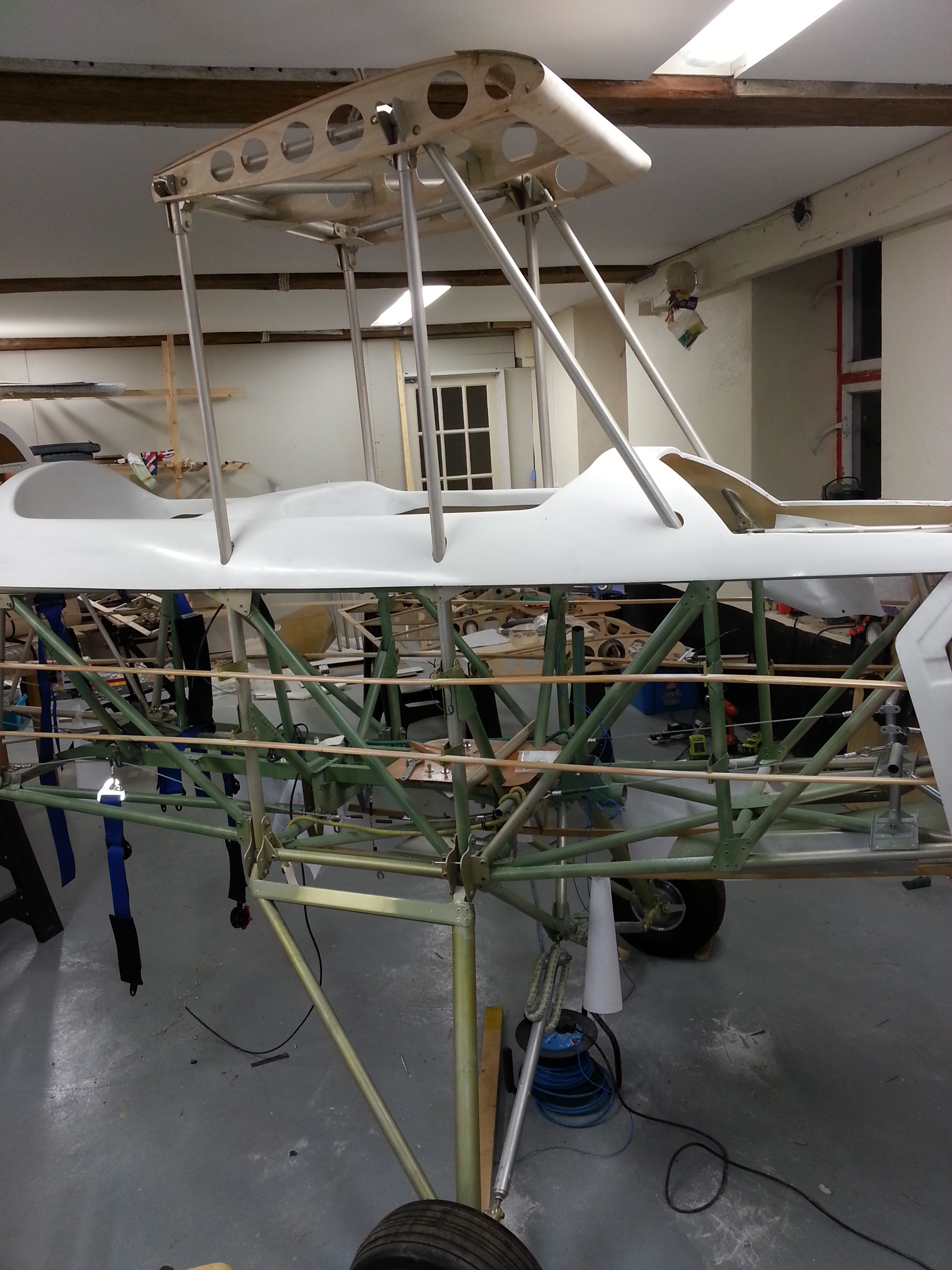
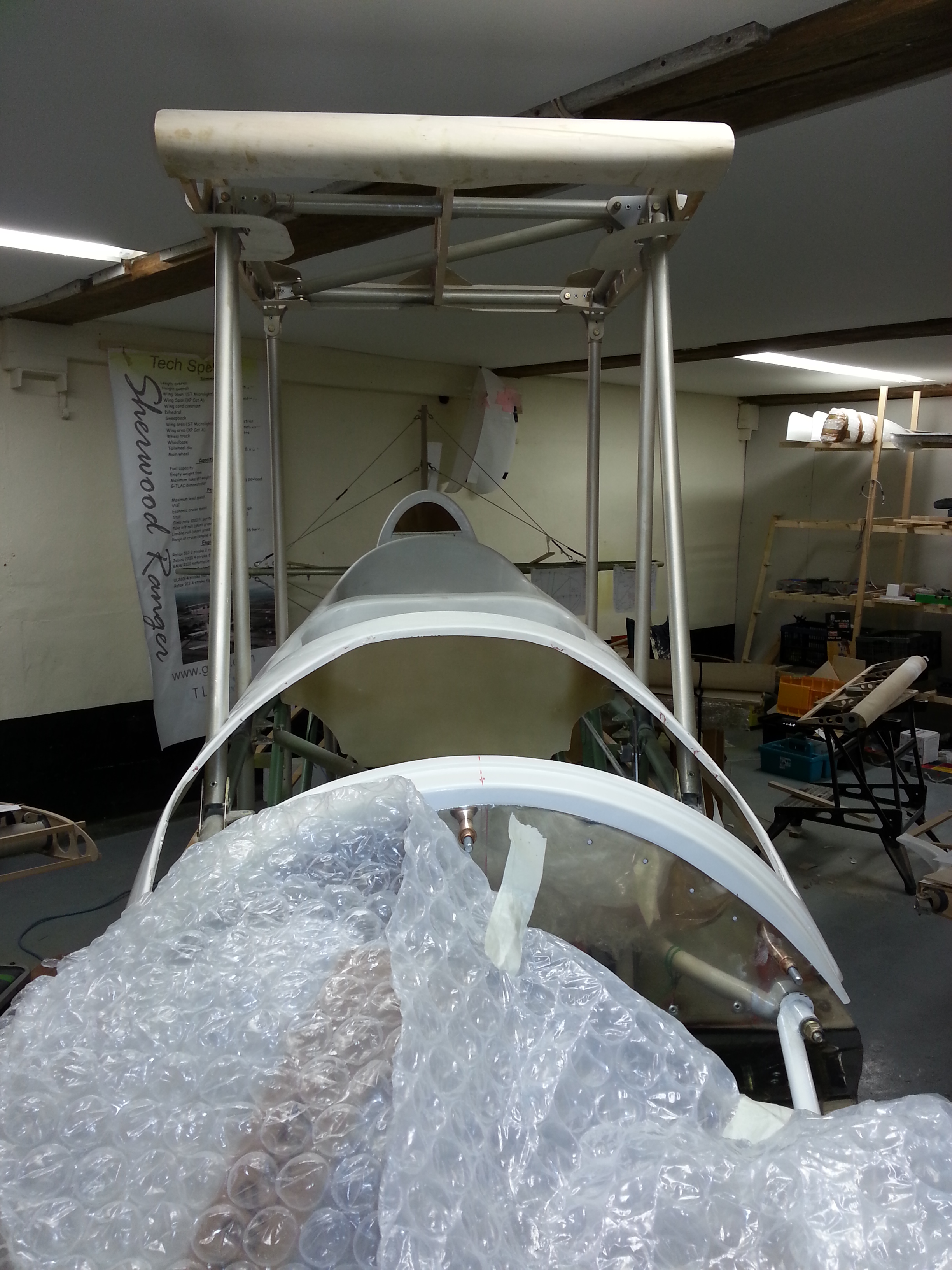
Reached the point where I can now refit the top cabane. This was a pretty heavy evening – with careful alignment of the holes put to the test as the cabane supports fed back through and slotted back into the existing fuselage framework.

Cabane1   Cabane2

Just the front two supports to seat back into their slots and then I can start to plan cable cross bracing and, eventually, top wings

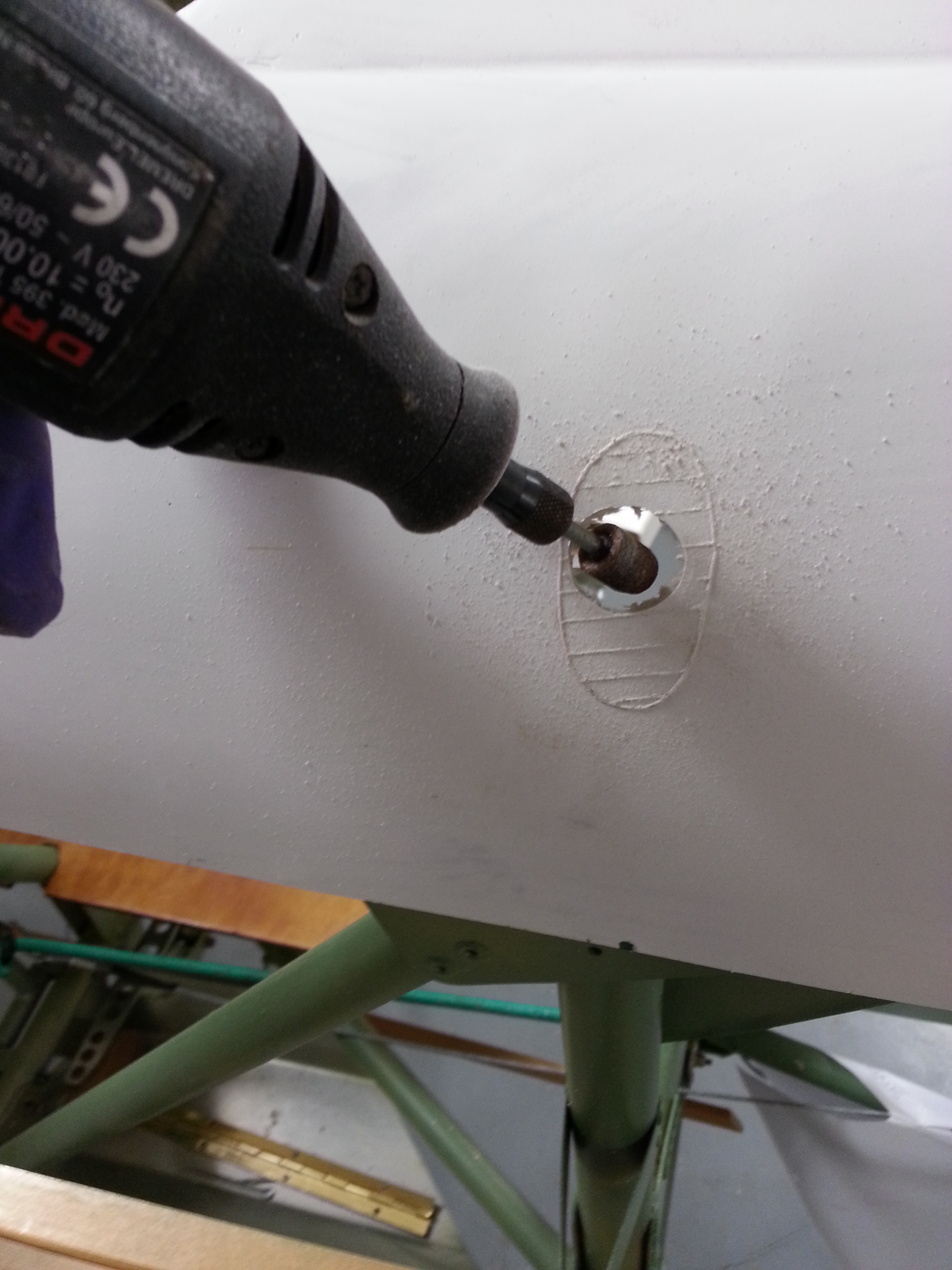
Top Turtle Decking

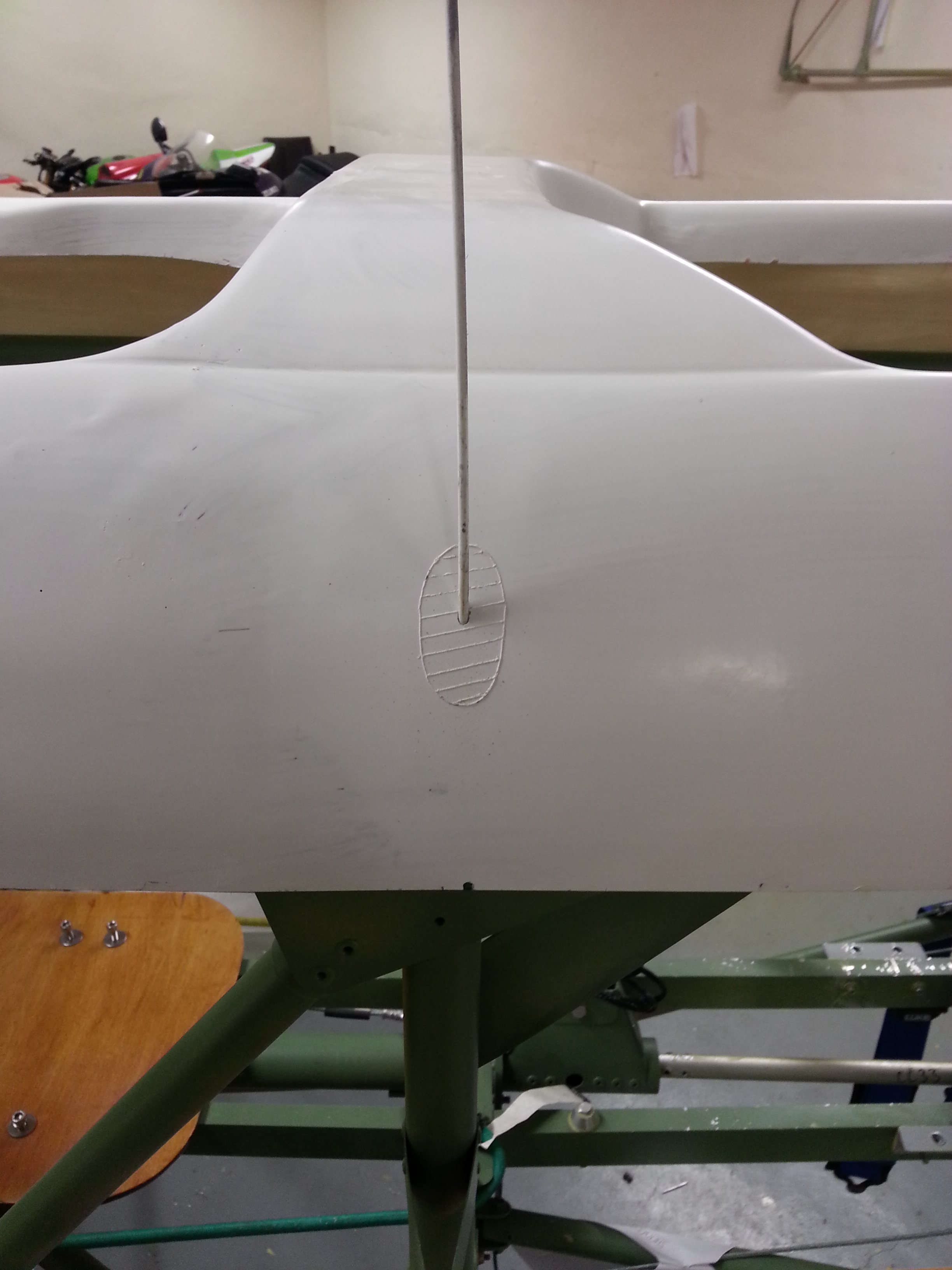
Another thing I had been tentative about starting .. due to the ease of which you could very quickly mess up and nice piece of moulding !

Started off by drilling a test hole (using the clever guide marks that TLAC provide). Then dropping a thin plastic rod down to check centring in the receiving hole.

dECK 1  dECK 2


Then widen and slowly open up – as Paul says – its easy to take a small amount off each time than to re-add once removed !


Blog at WordPress.com.

Up ↑