Tailplane – First steps – Rear plane mount

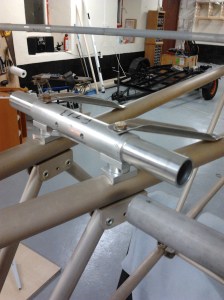
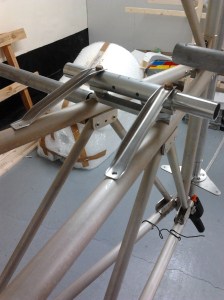
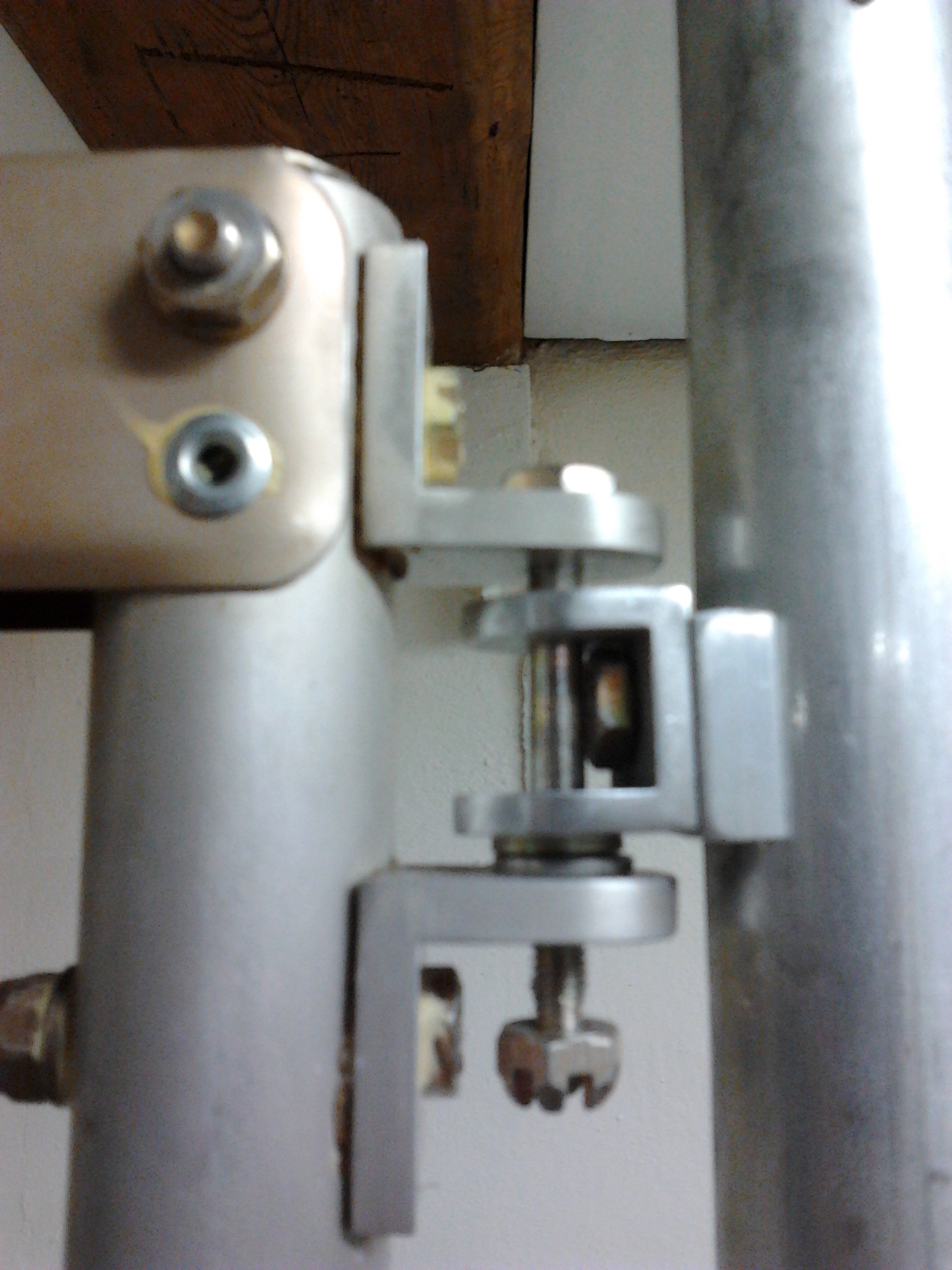
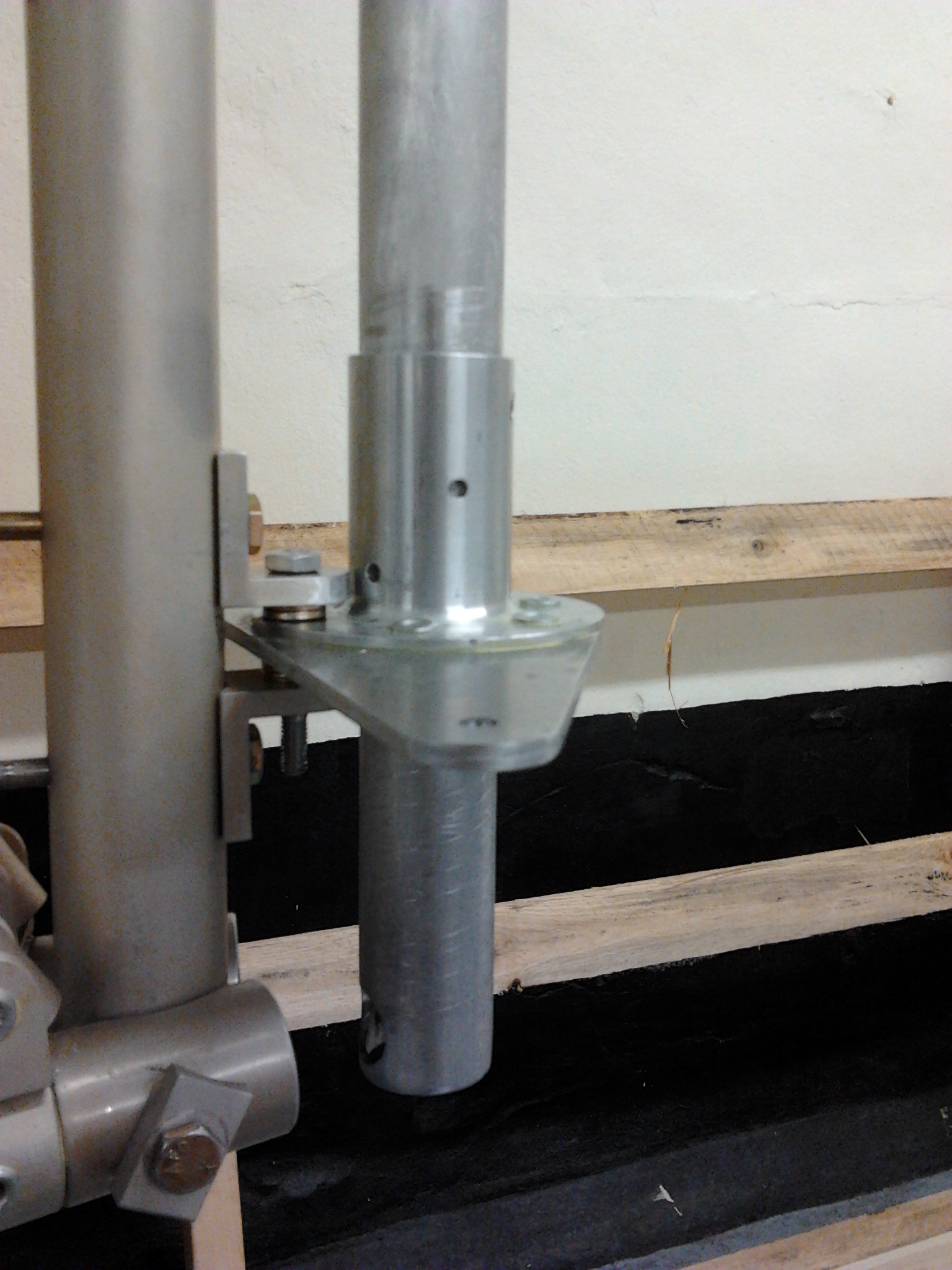
The fast build kit comes with the leading edge mount for the Tailplane in place. The rear mounting consists of a sandwich of saddles and a nice neat turned alloy tube and a couple of leading straps to be cut and shaped and then the seatbelt harness securing point is put in between.

Having drilled the saddles the metal lead straps are bent to form a neat align with both the frame and the top bolt.

Tail Trailing edge mountTE Mount with harness bracket

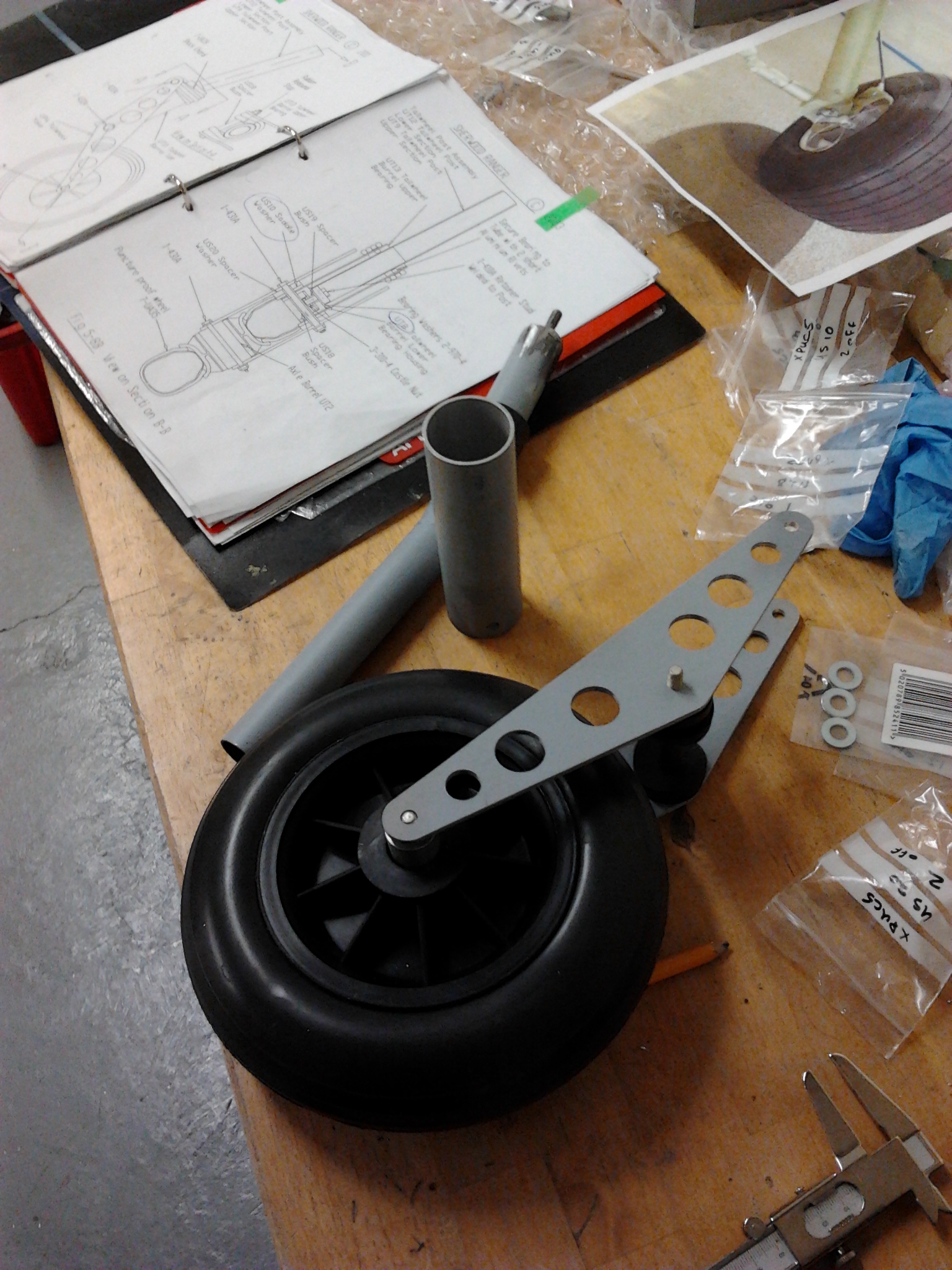
Tailwheel rebounds

After a number of attempts to get these on and proving that this is not the task it first appears …

Checked with Bob at the Aero Club and he wasnt happy with my second attempt at the whip binding. Not tight enough and not neat enough ! Re tied as tightly as humanly possible this evening and it looks much neater.

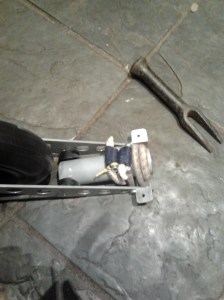
Sequencing what is part assembled, what bolts are put in place, what parts of the steerable bracket are in place and then finding something to get those very tight straps around the wheel post. Having got the first one on using an old (well it is old now !) coat hanger …. The second one was having none of it …

Eventually remembered my old ball joint splitter from my MGB Roadster days … slid steel but with a forked point. BINGO ! got them on….

tailwheel rebound

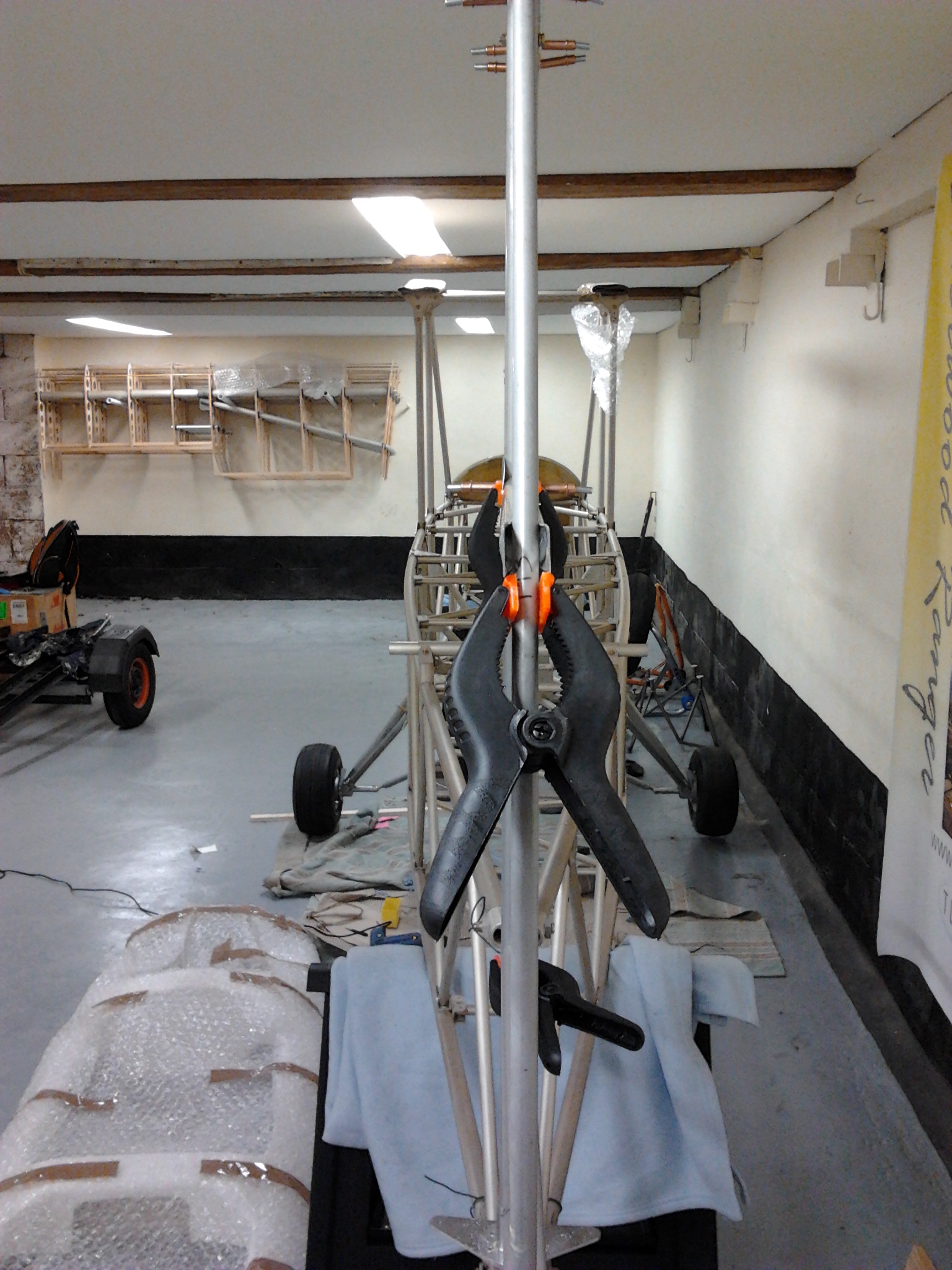
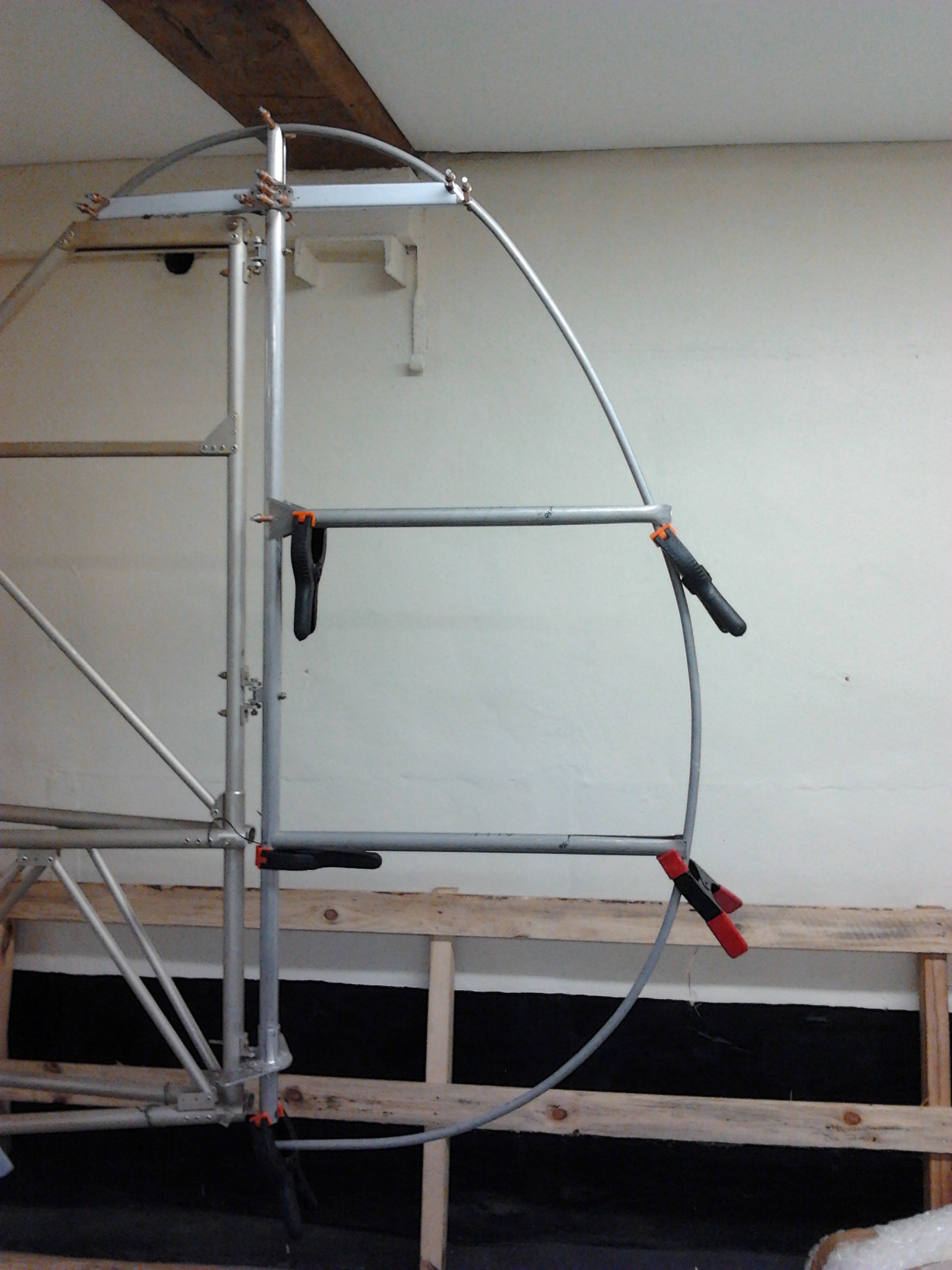
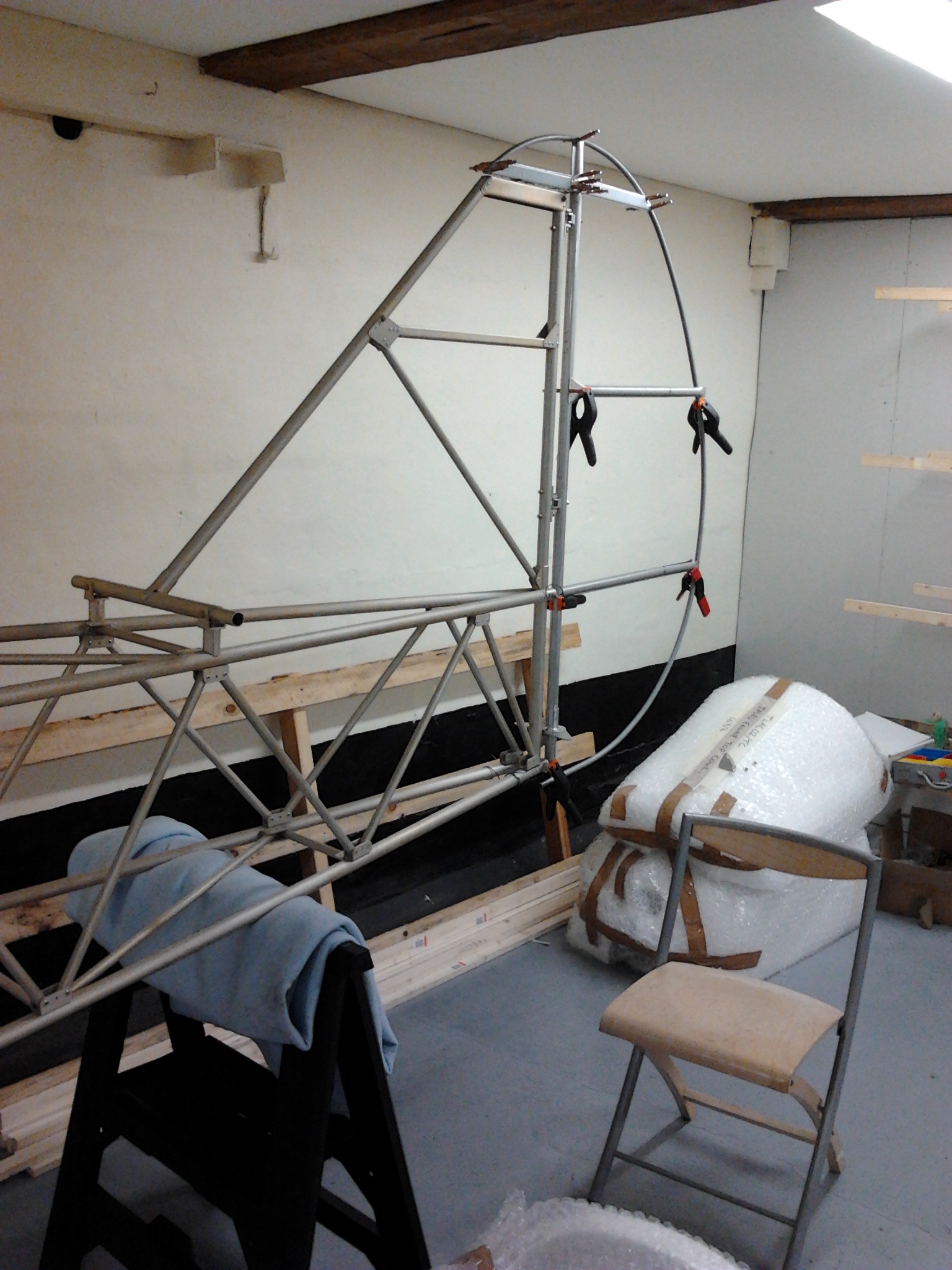
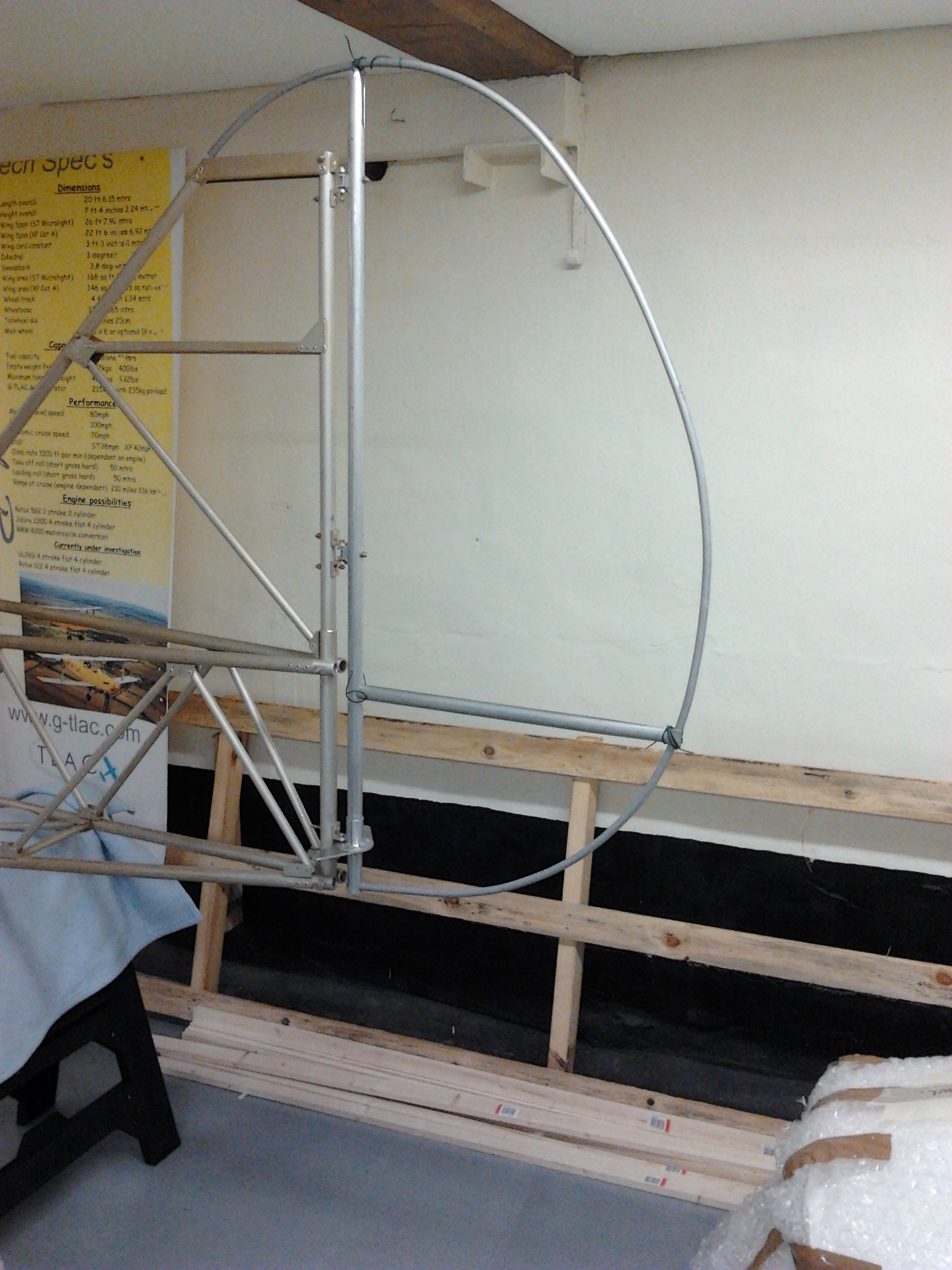
Rudder – top rib – first fit

The top rib consists of two halves that need to be shaped around the ruudder post and then trimmed at the leading and trailing edge to fit around the shape of the rudder trailing edge. The rudder trailing edge is provided pre shaped but oversized so you need to trim once you have applied your first temporary cleco fit.

Paul advised to start at top rib first and work down. Cutting through the top rib halves made me feel it would weaken this piece too much as it has to fit snugly to the rudder post. Far from it .. once cleco’d it is incredibly stiff and looks like it could take great force !

Once sure it is still looking square with body, you can start to temporarily fit the other two ribs in place

Starting to look like a real aeroplane !

As each rib is shaped and secured (with clecos initially) the rudder trailing edge will finally be trimmed at the bottom of the rudder post where it sits in a 13mm hole right through rudder post.

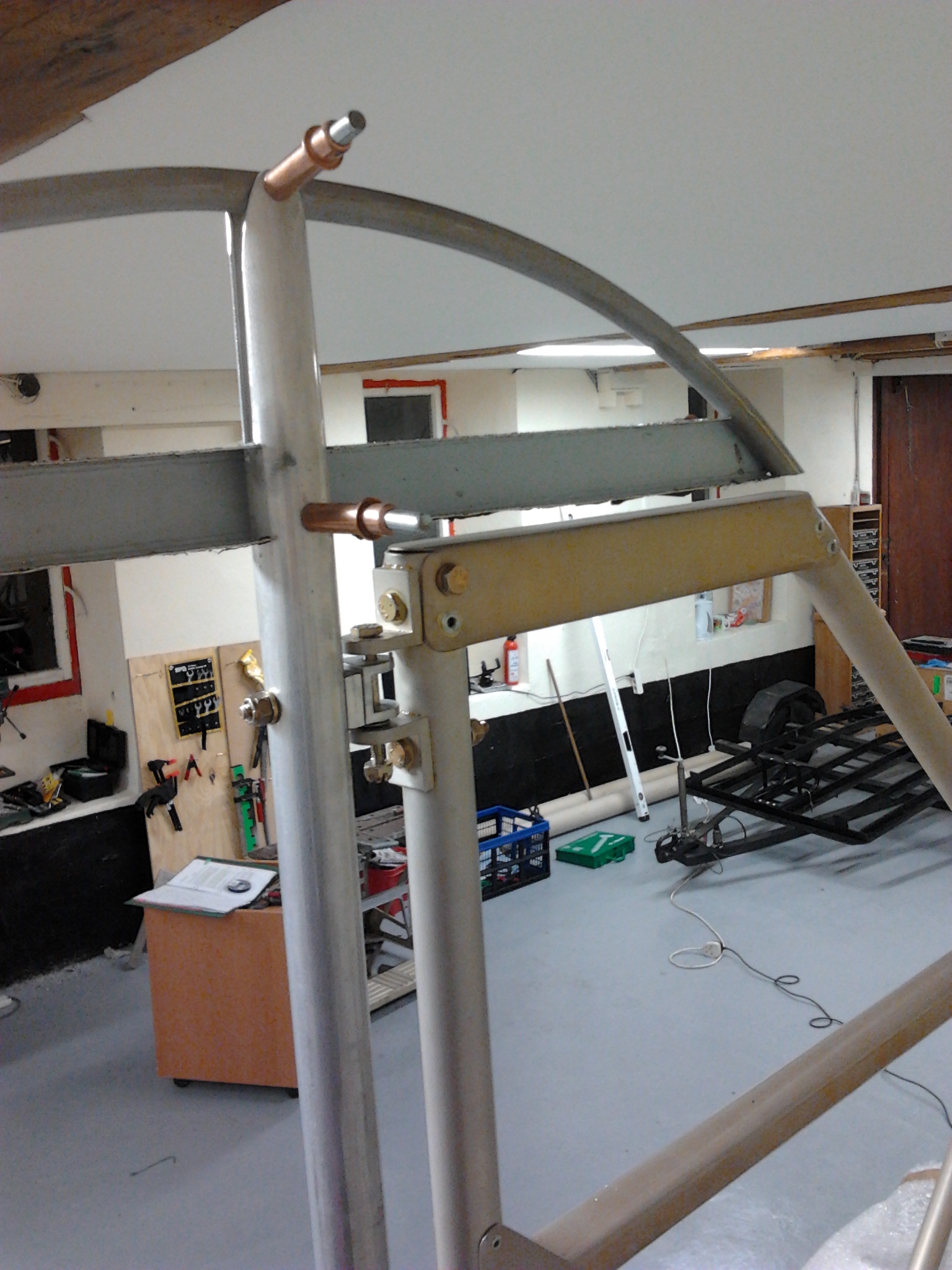
Rudder post, hinges, first fit of trailing edge

Post needs to be shaped and hinges drilled out and set.


Wasnt sure I could accurately cut the elongated ‘V’ into the top of the post and the trailing edge of each rudder rib so got a local company to assist. They marked and cut with a grinderandmade a great job. 

Hinges are pcked with temporay washers to get the hinge sitting in the middle of the bracket.

Rudder horn is cut from plate, drilled to take alloy turned collar and then pushed onto bottom of rudder post. This proved quite tight and so had to be chamfered down to take. Rembering to leave rudder leading edge hole rivet free to act a hinge point.


Before mounting, drll 13mm hole through bottom of rudder post to take trailing edge, then temporary first fit to see it it looks right !

Paul advised that the trailing edge is overized to allow builde to cut down so that the ribs fit tightly 

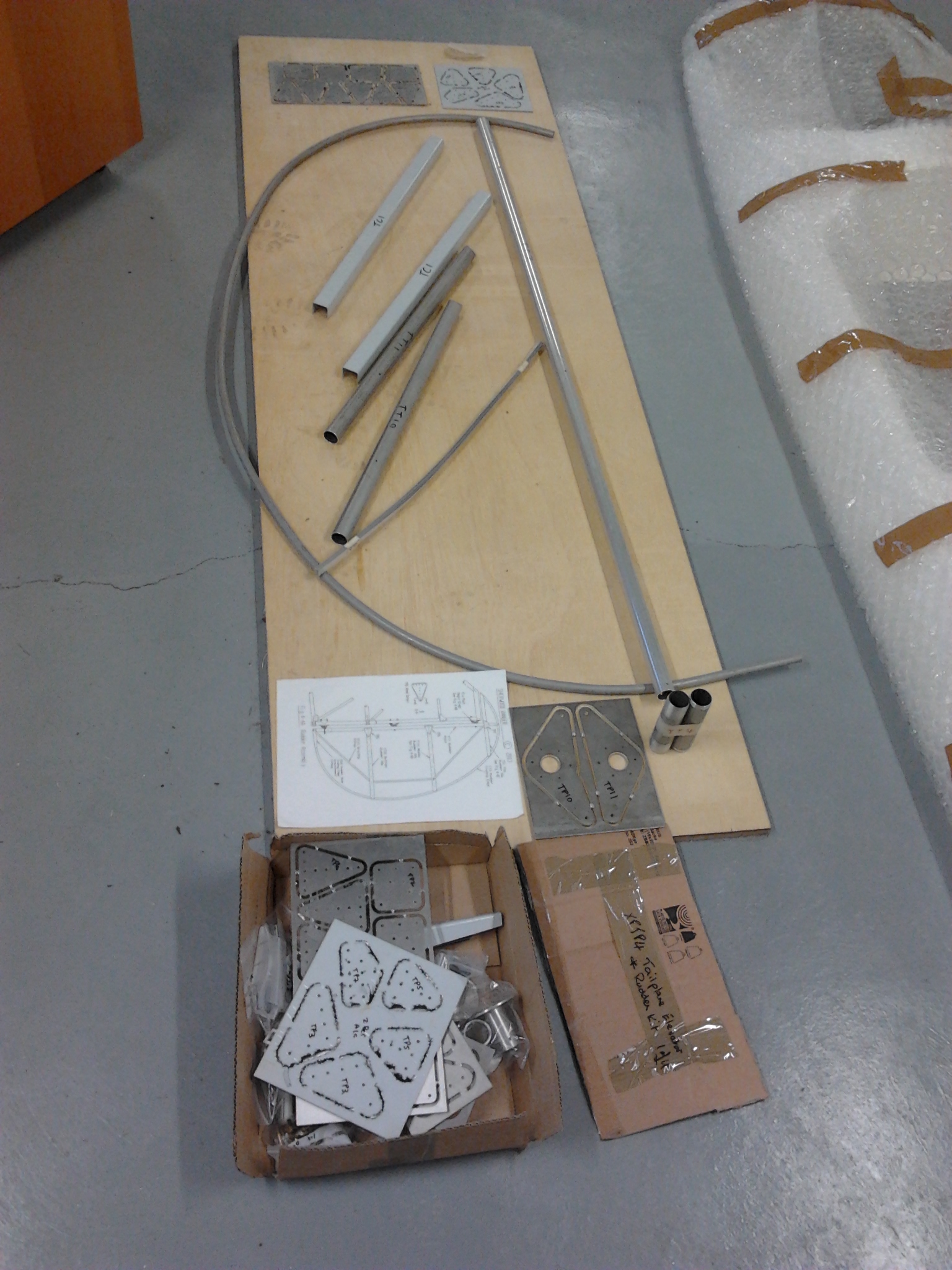
Rudder parts next

Identify all the rudder parts .. these include the nicely pre shaped trailing edge from the factory.

The rudder post and two main ribs need to have ‘V’ slots cut in to allow them to be shaped around the trailing edge.

The top ribs need to be marked up as per diagram and trimmed, finally found some good cutters that do the job.

Assembly is in situ making sure everything is lined up.

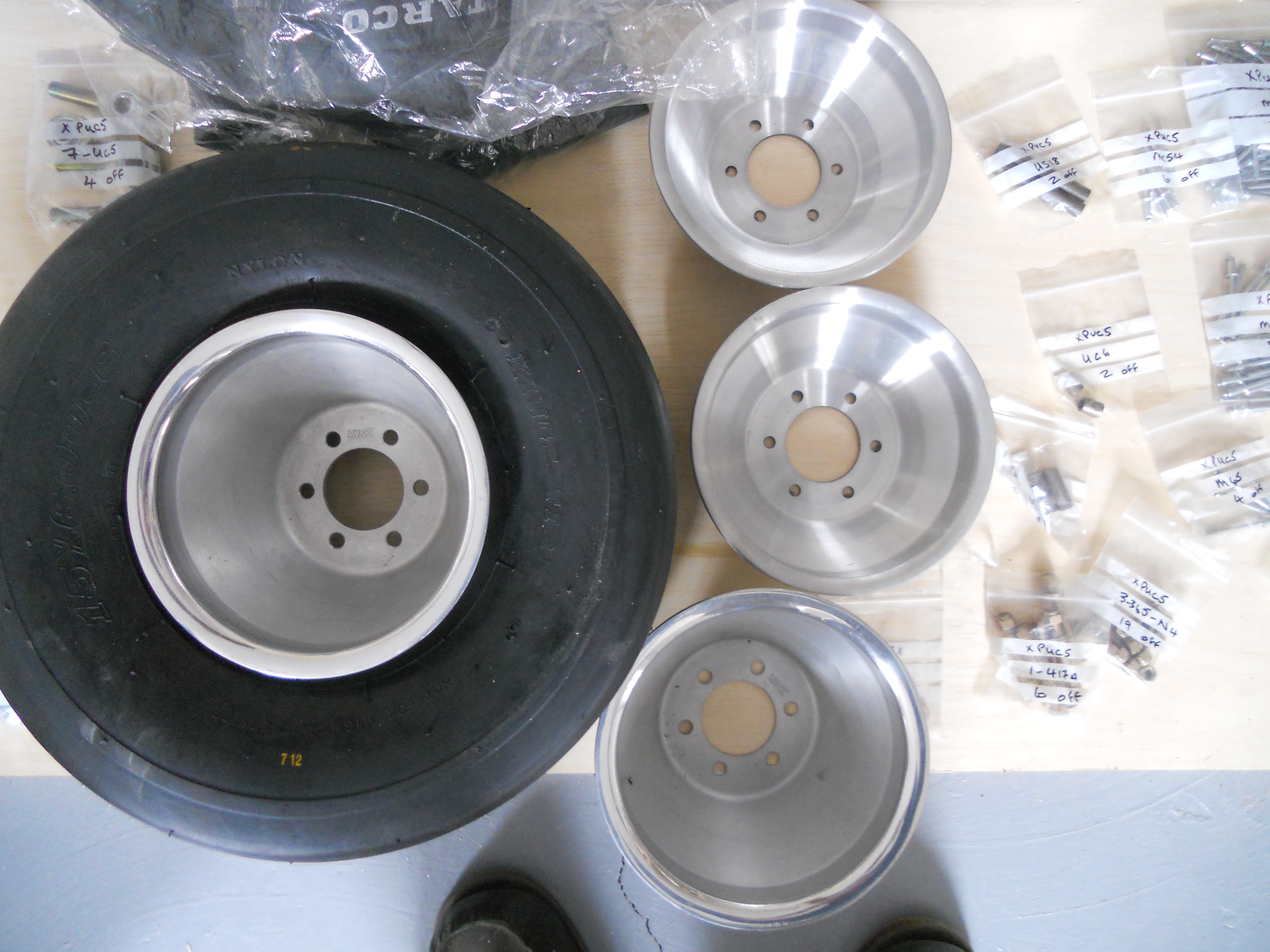
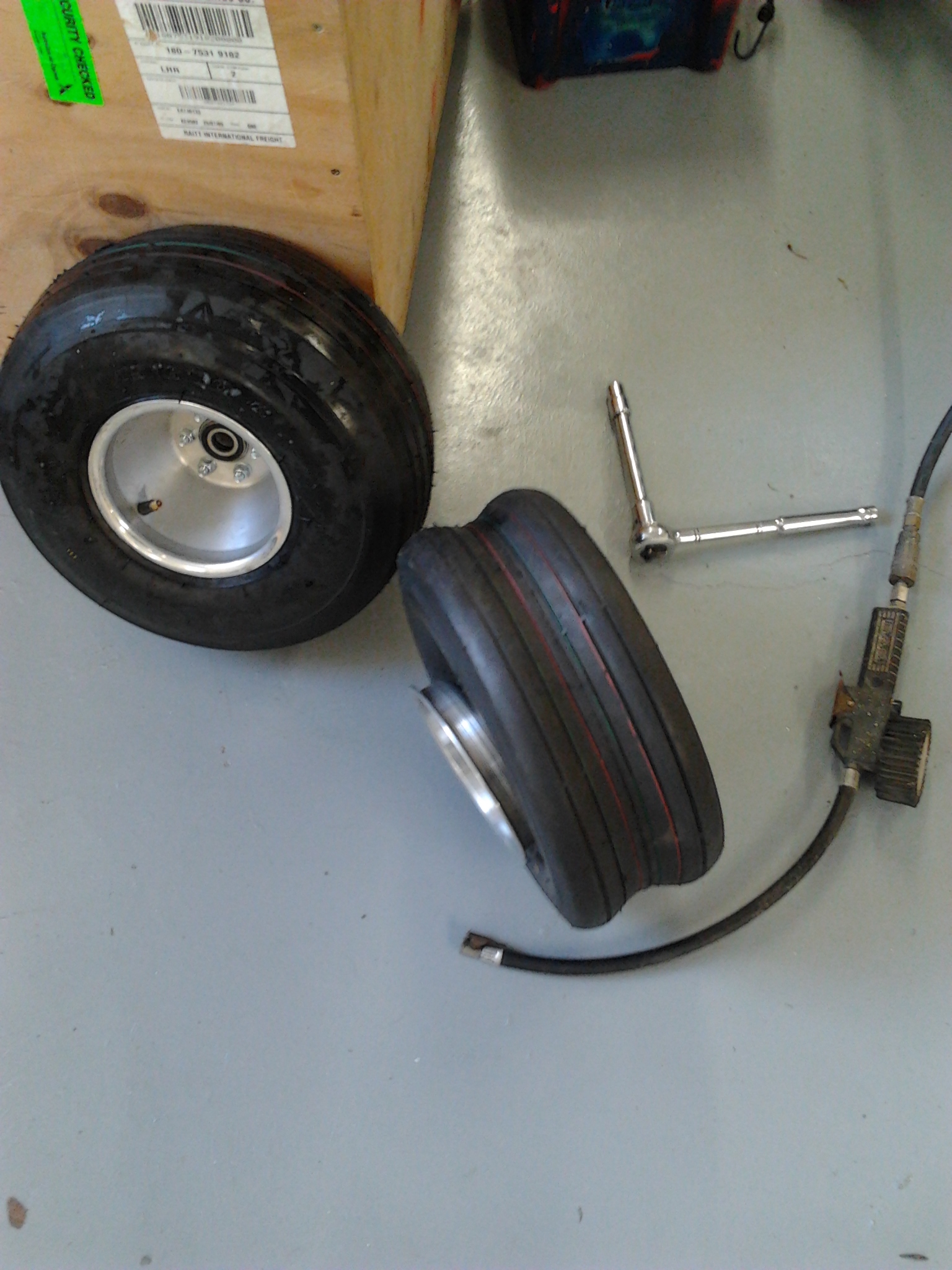
Wheels together and inflated

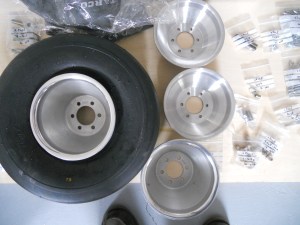
Drilled out the inner half of the hub to accept the 6 fixing bolts.
DSCN1650

Then seated the larger half into the tyre centre, carefully pulling the valve through the valve hole (drilled earlier). Make sure it seats comfortably and is not straining the valve or jamming the inner tube at all.
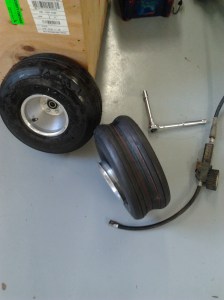
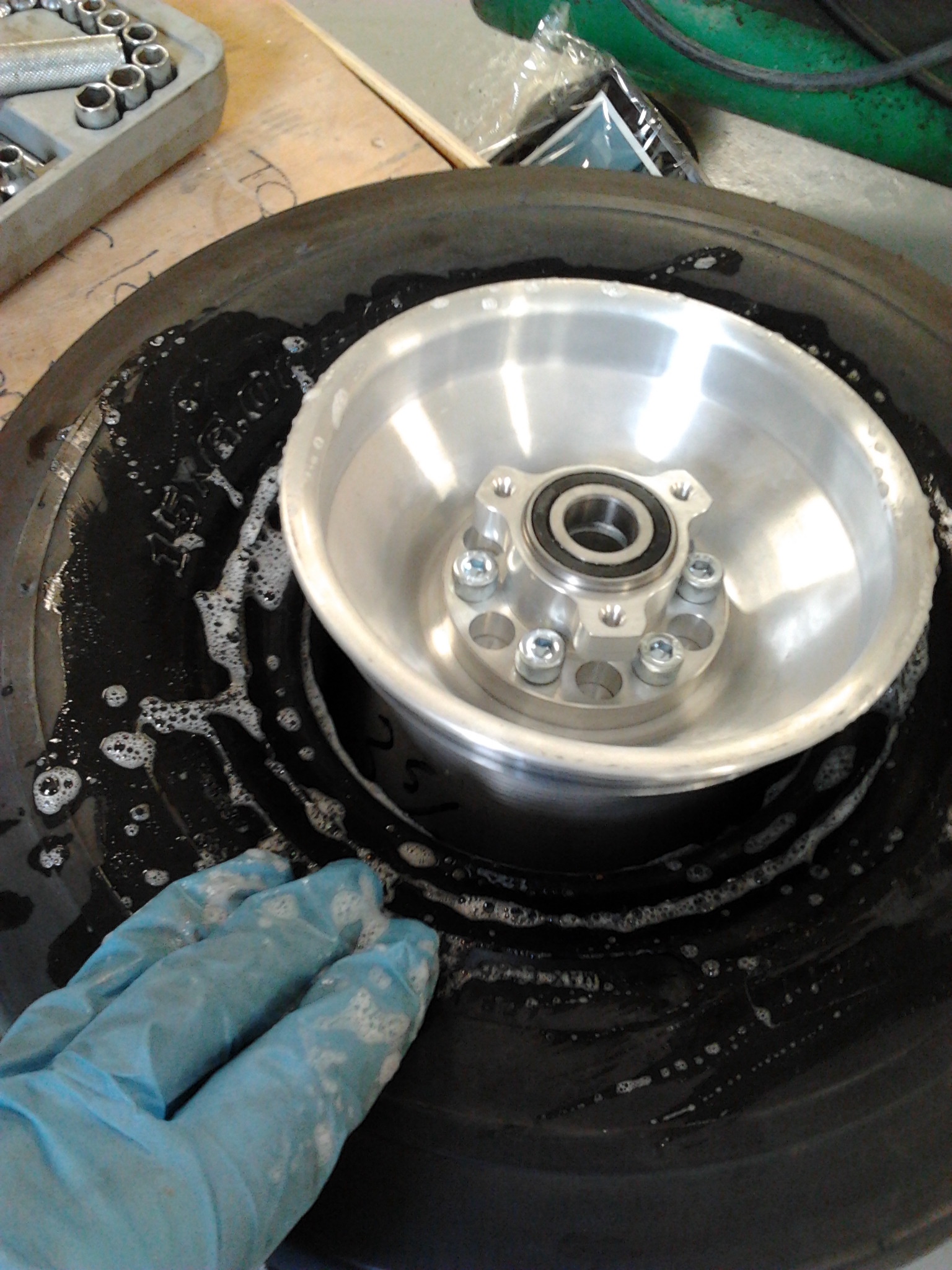
Use fairy liquid around the tyre inner rim to help it pop onto the rim as you fill with air. Boy does it go with a bang ! ..make sure your fingers arent nea the lip when its filling !
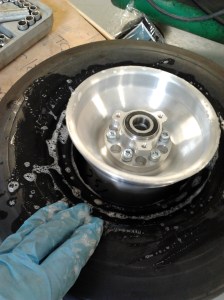
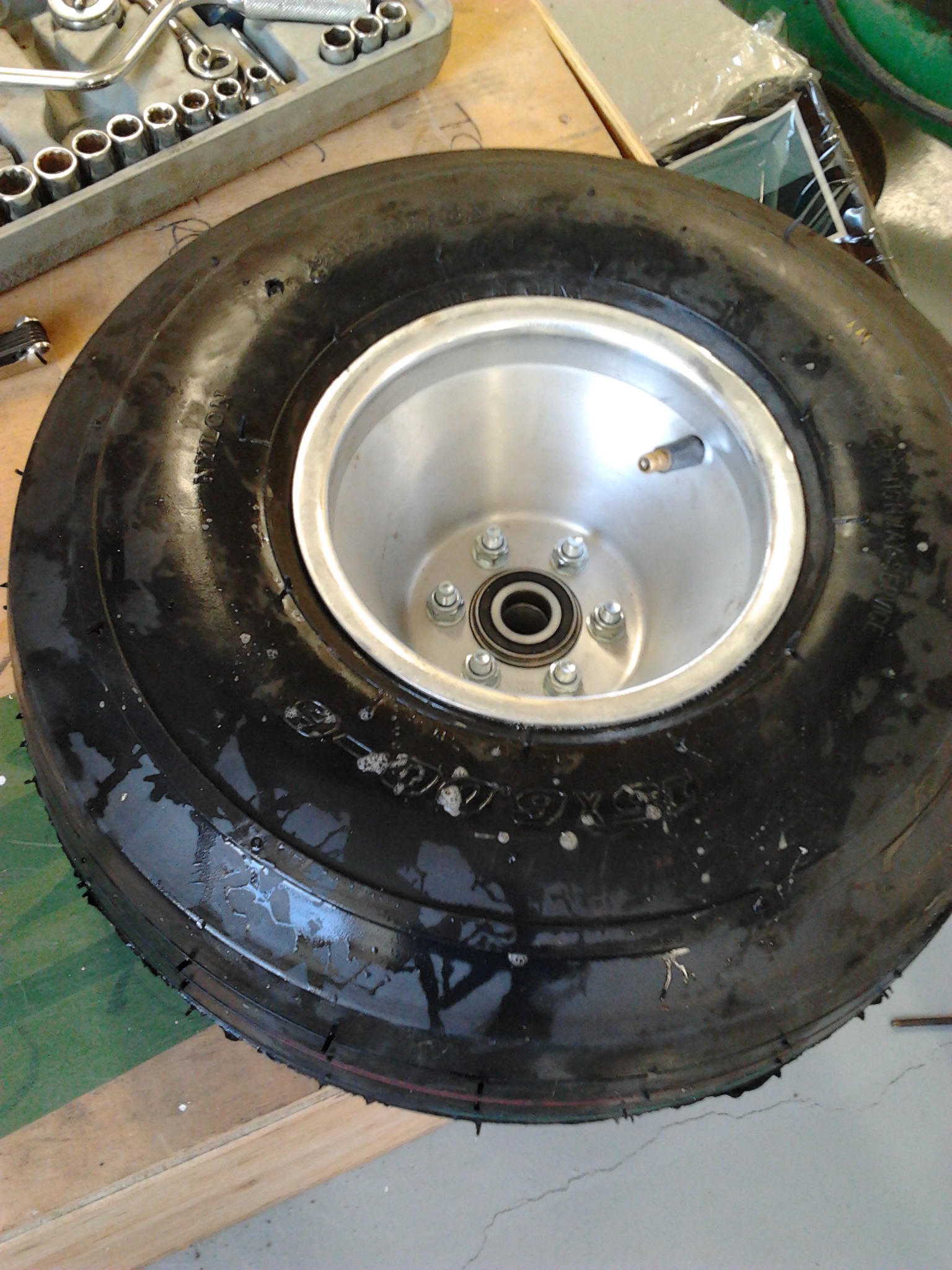
Finished wheel on rim
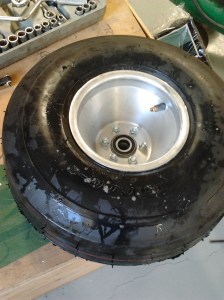
 

Bolt the other half of the hub in place tightening opposit diagonals to make sure it tightens evenly. Then soap the tyre inner edges on both sides to encourage it to pop out onto the rims when you inflate. It takes a while for it to pop out so make sure you keep your fingers clear. With two loud bangs it pops onto the rim !

Now deflate completely … I bounced it a little to make sure it sat evenly, then reinflate to standard pressure (2 Bar). Check bolts again.

Soft fit and check brakes dont bind
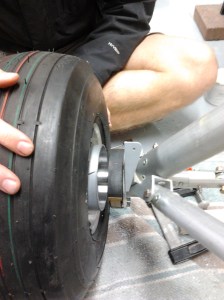
Just need the yellow paint to mark the witness marks.

Tailwheel Prep

Got all the parts for the tailwheel out and prepared by etch priming all metal parts. I have been using a small hand aerosol etch prime (silver/grey) with a view to re etching the whole body with the kit supplied gold etch when all tail feathers and rudder are on.

Tailwheel parts are nicely formed and very strong. A few items require drilling out but ‘soft’ assembling lets you check your reading of the tech diagram so all parts are seated correctly and line up nicely.

As I have opted for the steerable tailwheel, I have some other parts in the kit to add on so seeking advice from Paul. The Stampe I used to have the pleasure of flying was my first use of a fully castoring tailwheel and was great when you got it right and buttock clenching when you got it wrong ! Remember once taxying downhill at Jersey with an Airbus 320 about 30 yards behind me …. the wind caught and I went for the brakes but caught one and it did a 180 so I ended up looking up at a grinning BA pilot ! So Steerable for the Sherwood will be a  bit more predictable when trying to park on busy fields in tight spaces !

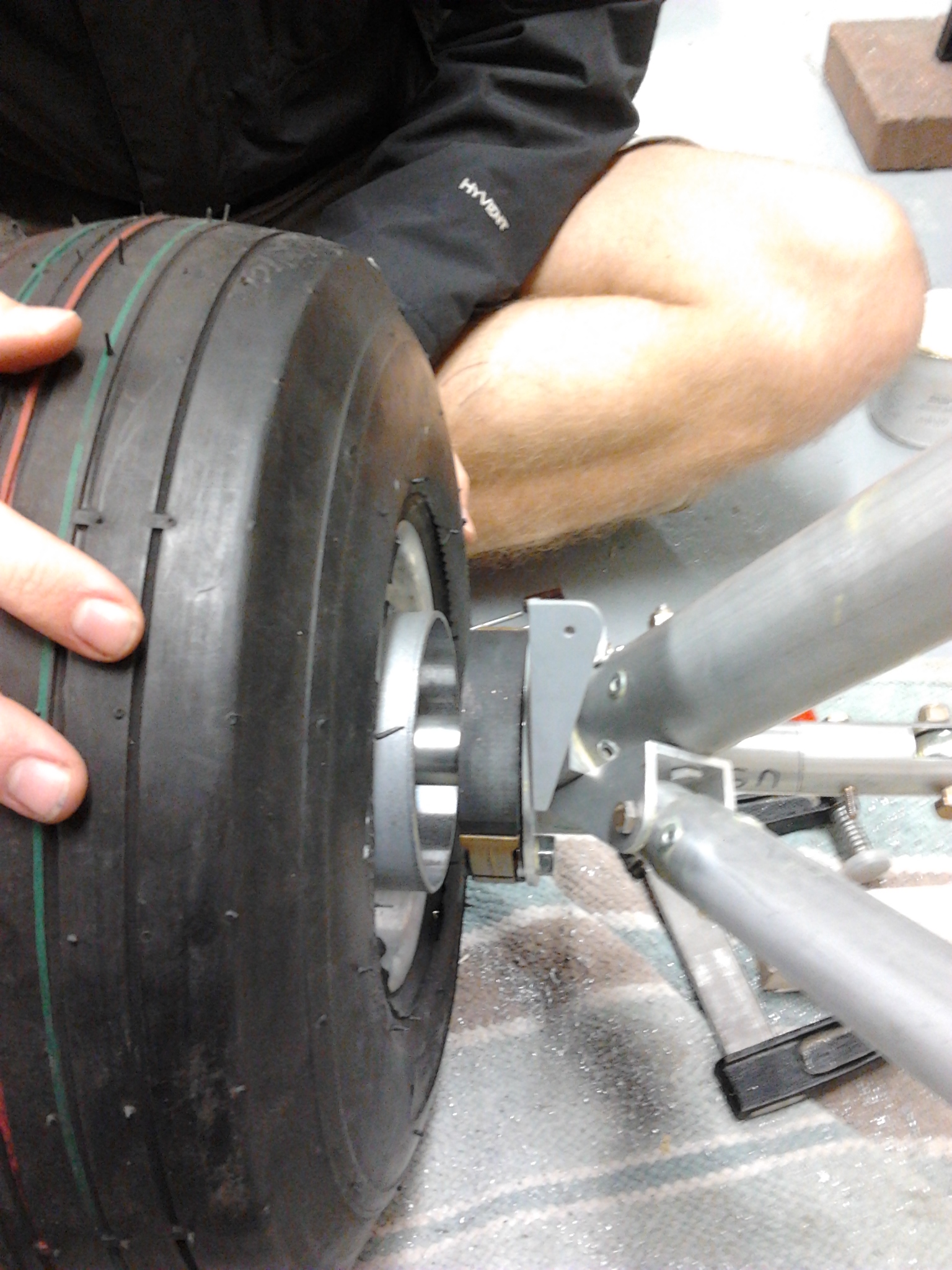
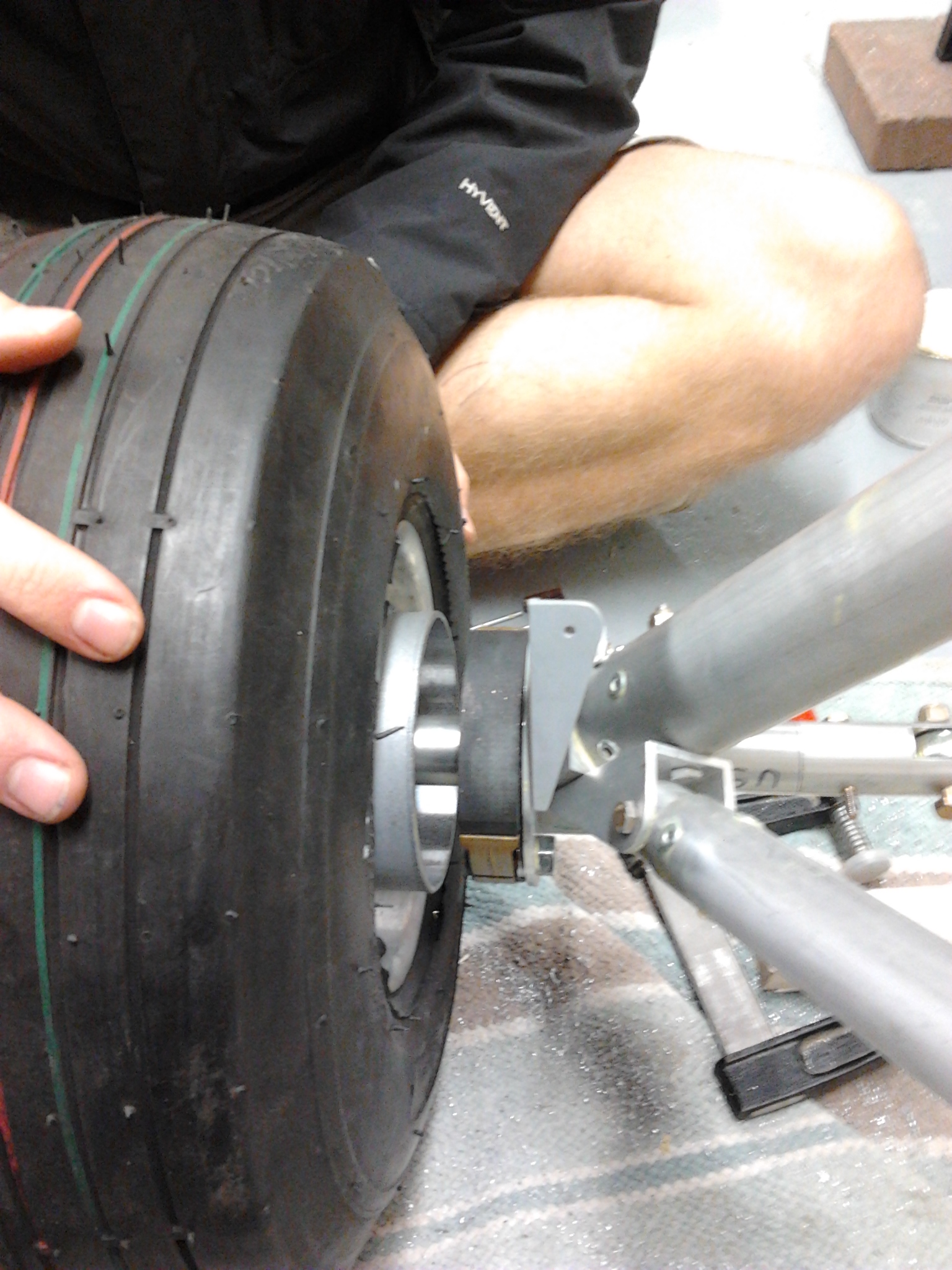
Temporary fit of brakes and wheels

To check all alignment, temporary fit of brake backplates and then slip on spacers then wheels over that. The wheels had had the brake drums painted with silver Hammerite on the outside surface and then bolted to the wheel bearing housing.

Had to raise the body slightly on the tressles to get full wheel clearance but wheels spin freely and brakes grab nicely when the levers are pulled.

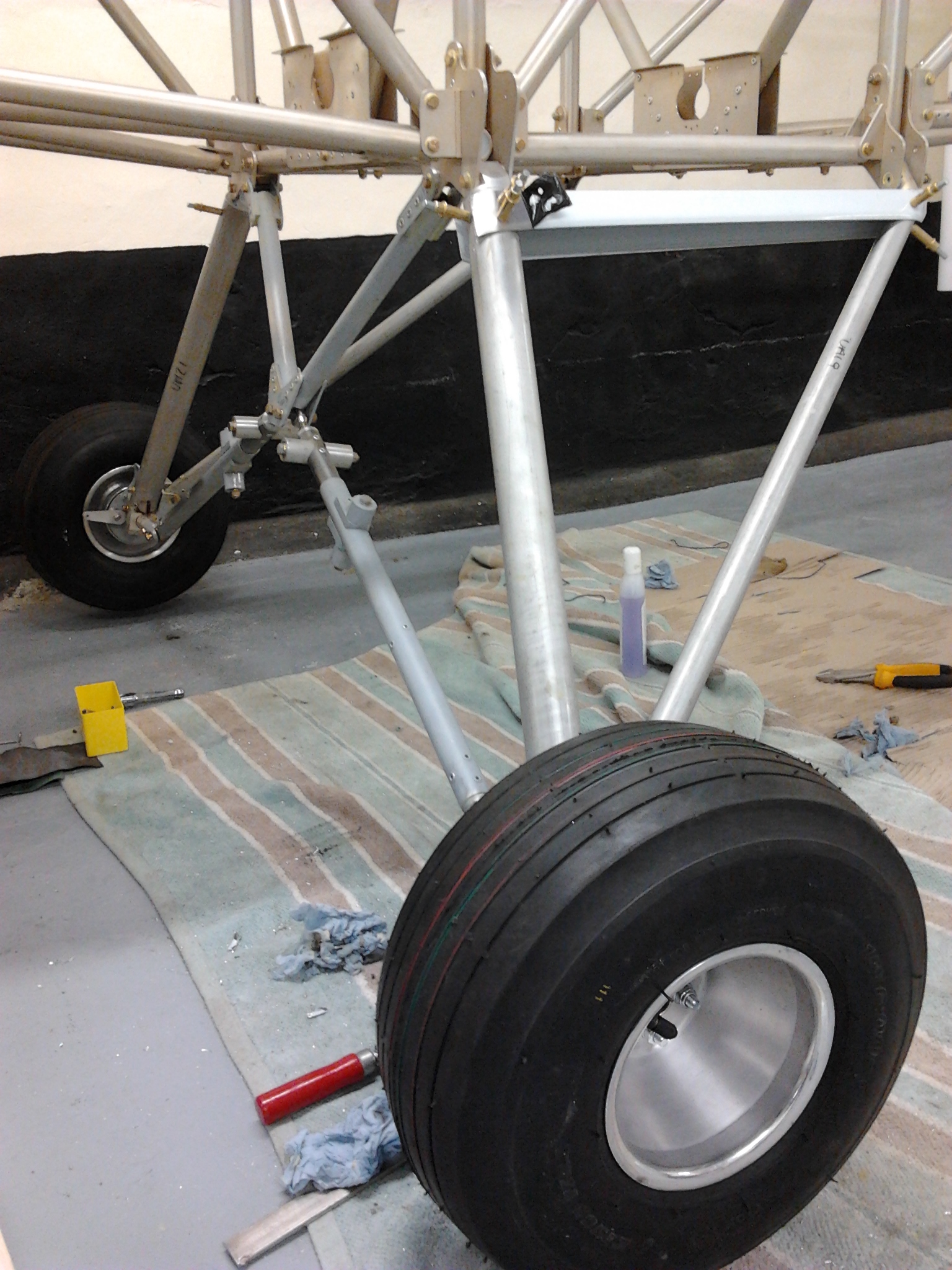
View from the rear

Treating the main legs

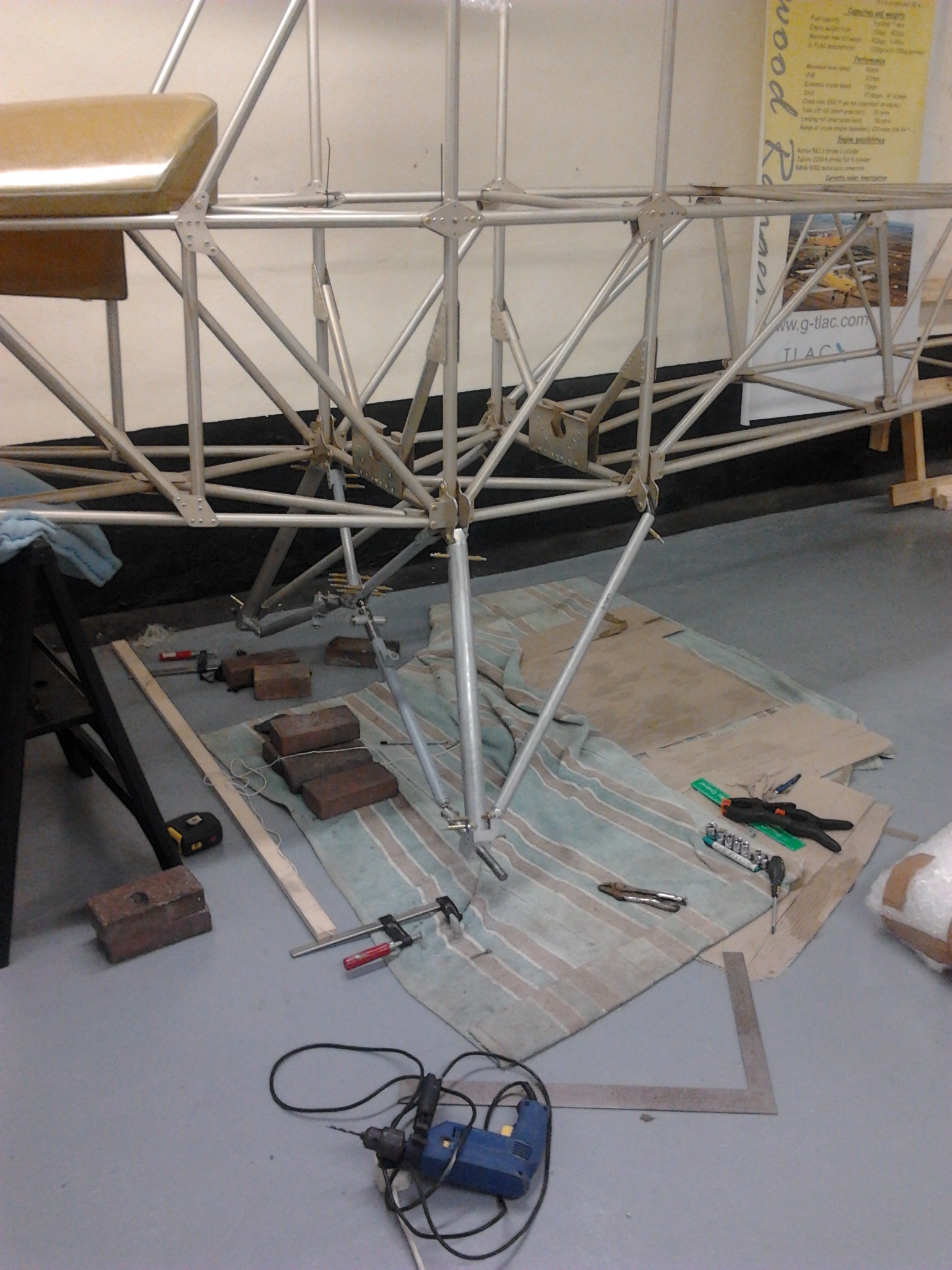
Put final fixing lower rivets in yesterday for the lower main leg to axle housing having first reviewed the manual for anti rust treatment of the main steel legs.

This involved running waxoyl into the legs and tilting and rotating to get an even covering inside. Pretty messy job as it ran out of the (yet to to be riveted) other holes !

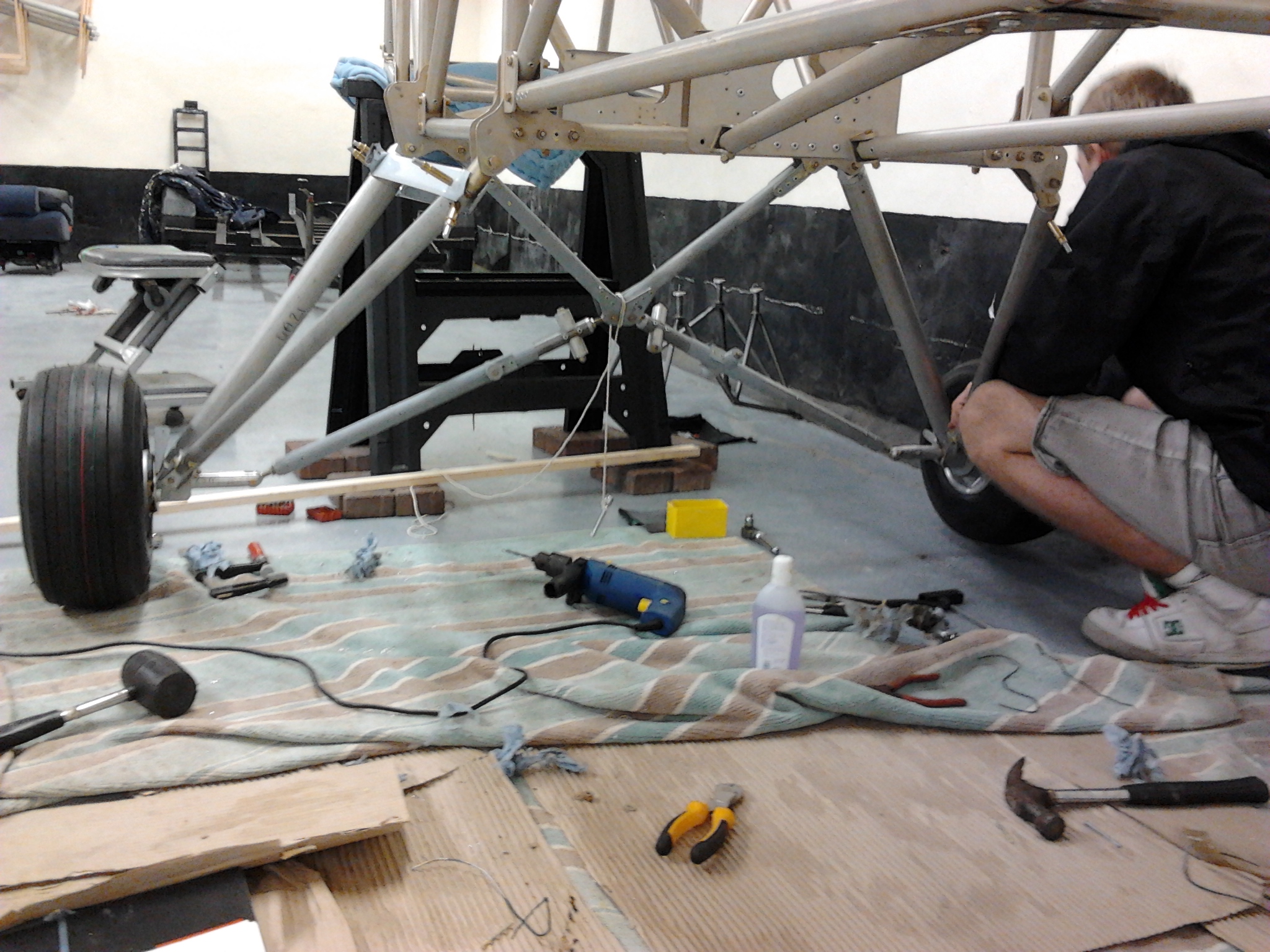
After check fit – start to rivet undercarriage

Having cleco’d and supported everything in place and checked tracking – drill out pilot holes in legs and axle and drag struts.

First time to get unloaded suspension struts in place and connect up to axles.

All a bit tricky when its your first time ! but worth it when you step back

Some rivets need a bit of planning


Blog at WordPress.com.

Up ↑