Getting ready for engine parts

I had some parts in the engien box but I have started to note down what additional parts I need to get the engine connected and plumbed in !
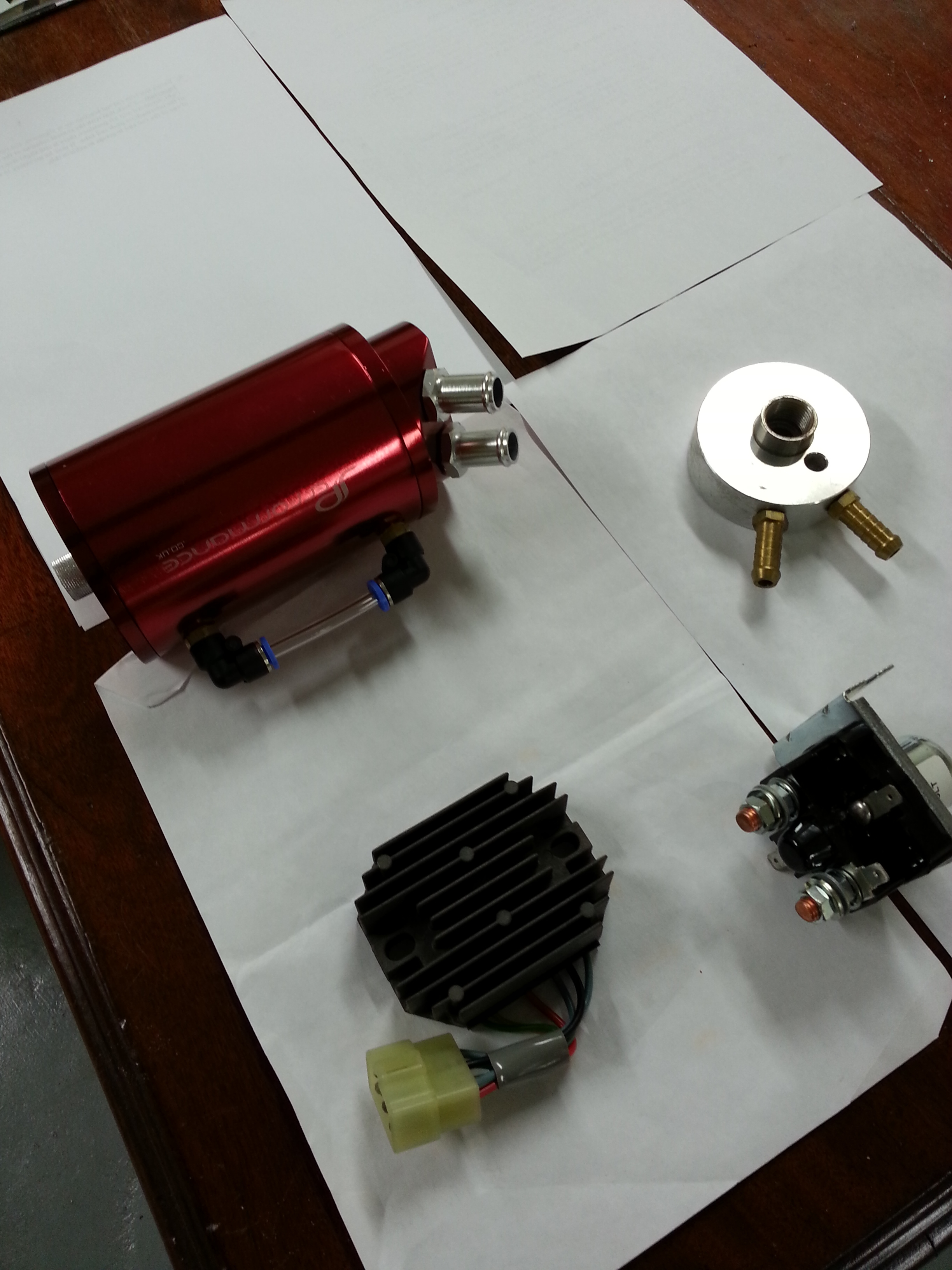
eng bits 1

So far have a regulator, a starter solenoid and a car oil catcher which will keep the engine bay clean. Bits being ordered through good services of TLAC are

  • Fuel pipes – sheathed
  • Oil pipes
  • Oil cooler matrix
  • Pan head air filters
  • Cabling for battery
  • Cabling for starter
  • Tacho head and cable
  • SCAT pipe for air ducting
  • Oil temp cable
  • Cylinder head monitoring unit and cable
  • A clever single gauge that tracks all this but takes up very little space on dash


Multi Point securing positions for Harness

The Luke Harnesses I have bought through TLAC are multi point and provide full support for both normal and inverted flying.

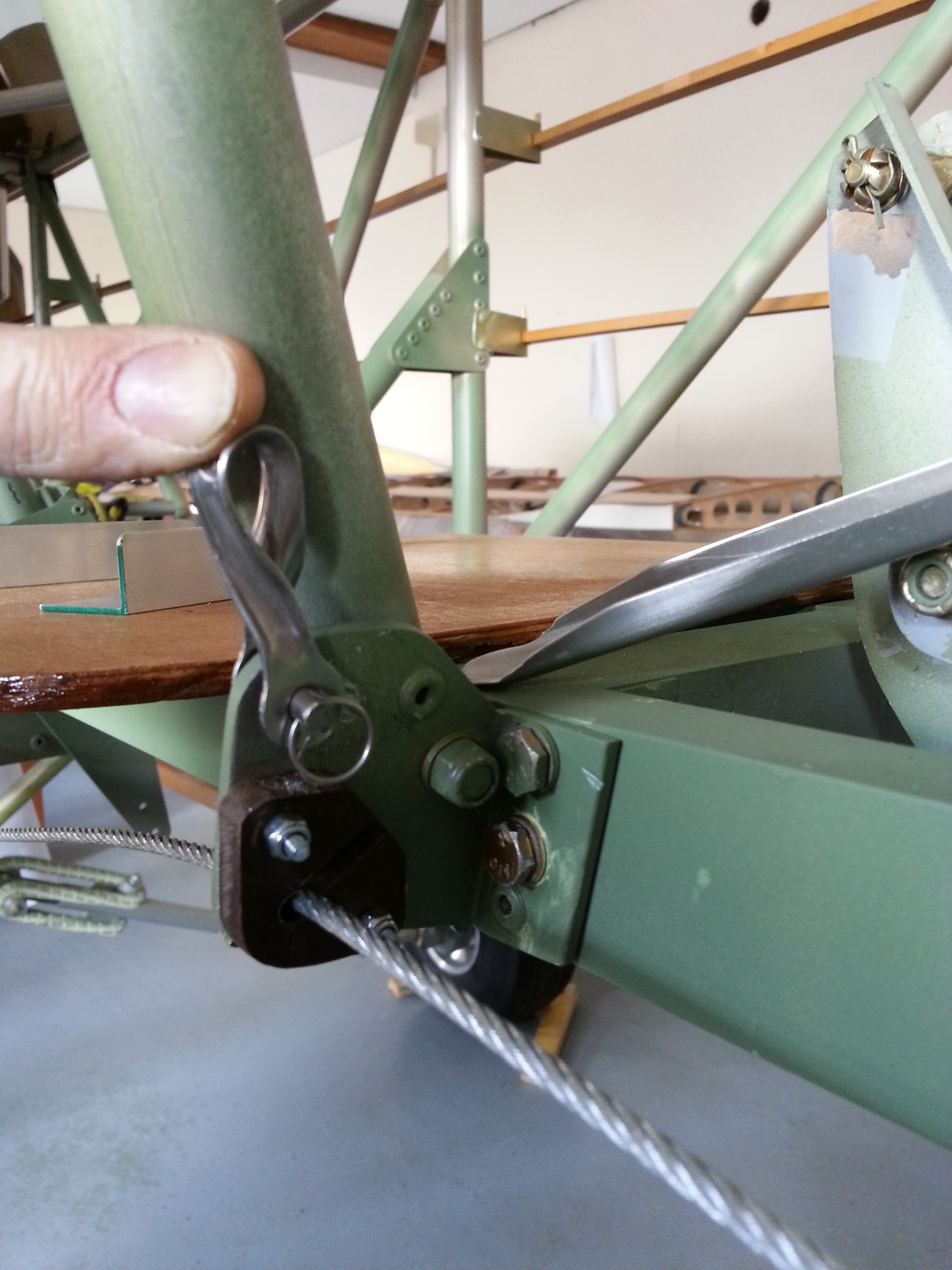
Harness guide

The twisted shackle ensures the cable misses chafing on the seat support post and will provide an anchor point for the thimble and 3.2 mm steel securing cable.

Cabane – Top Wing Centre Section

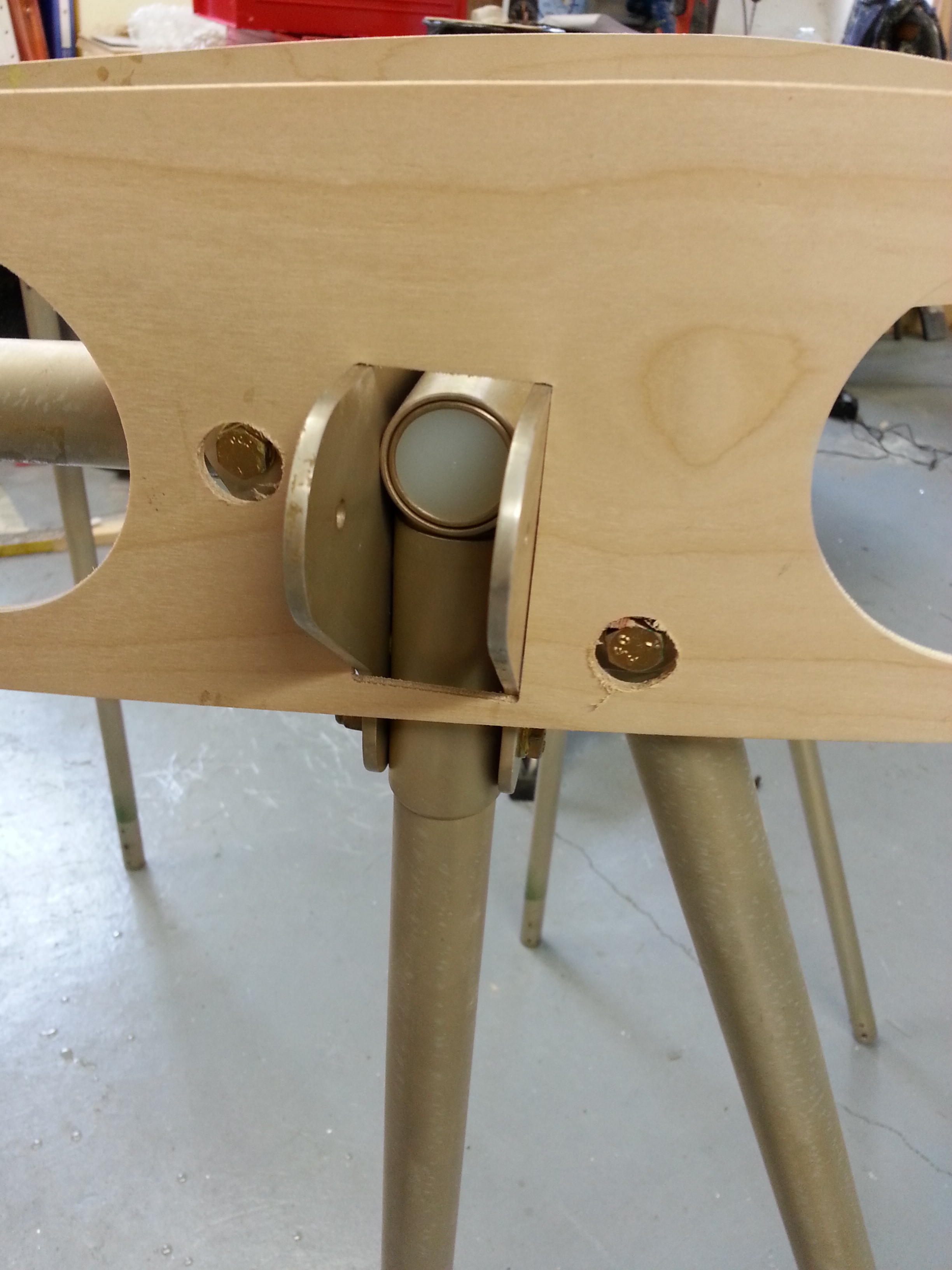
The cabane has three ribs that make up its basic structure and the ribs need to be shaped and cut to allow clean tight slot fit over the support structure.

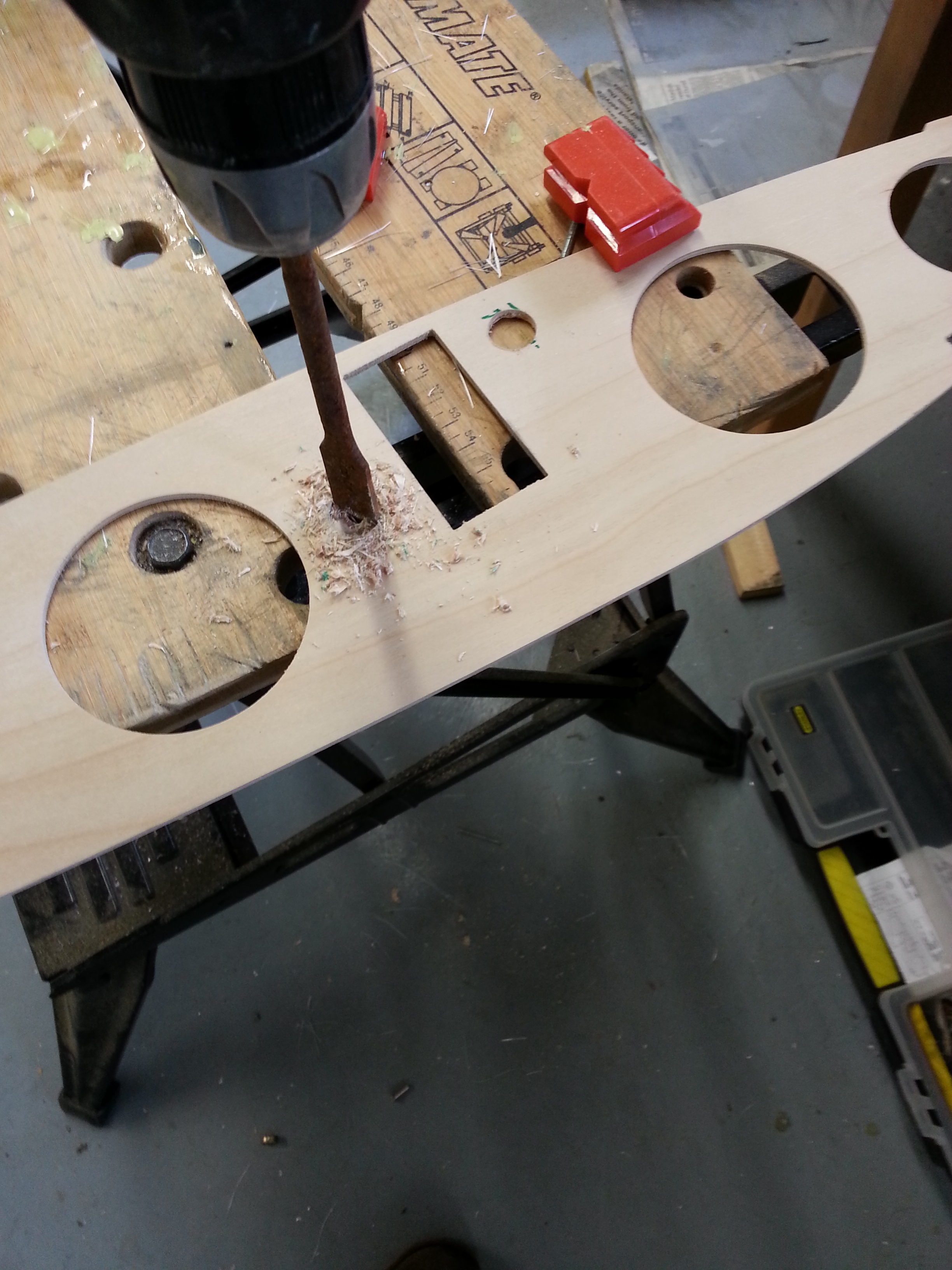
Holes have to be drilled where the bolt heads protrude to ensure the outboard ribs sit flush with the structure

cabane 1

cabane 2

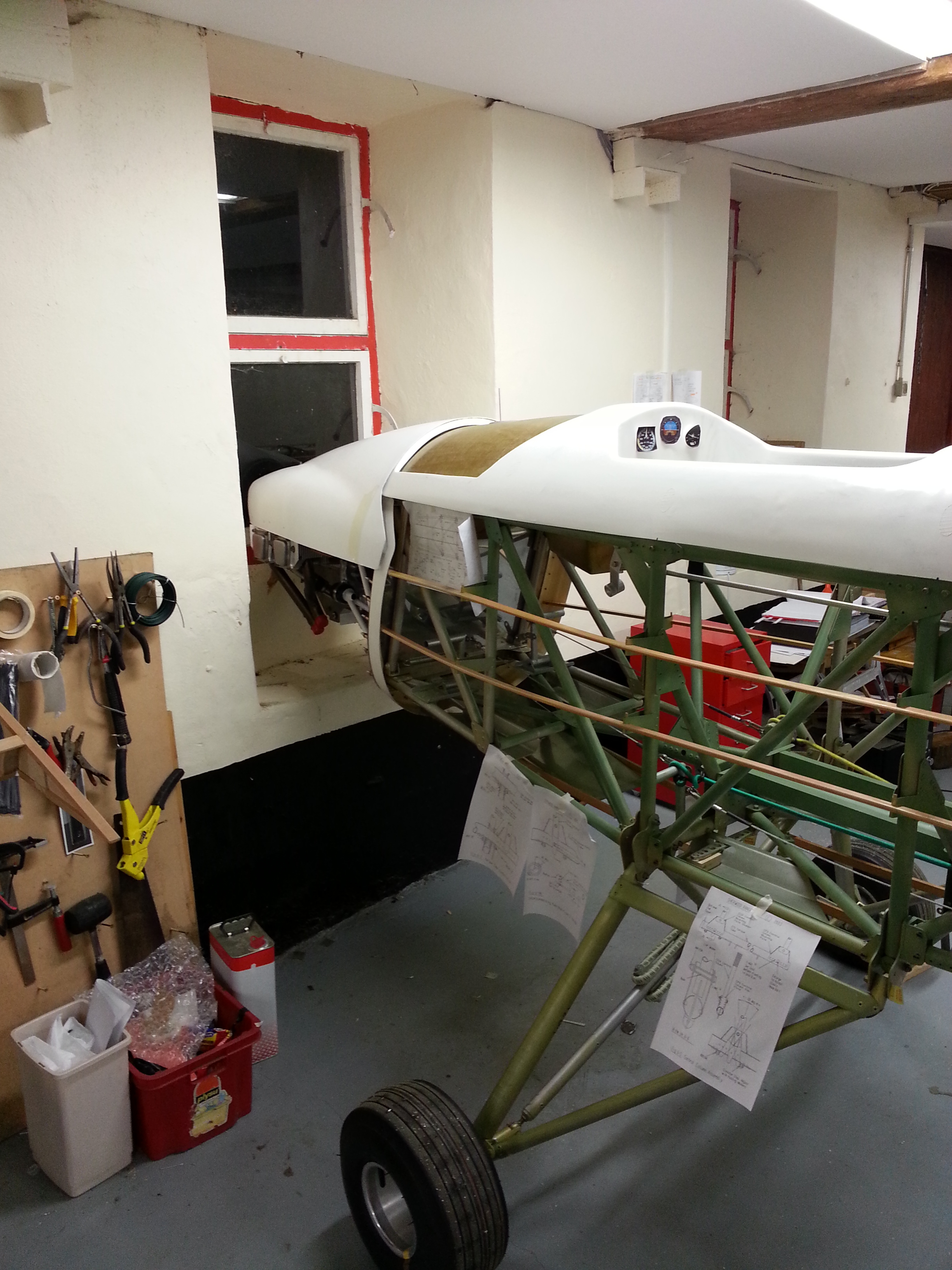
Turn her around to make space for wing jigs

Last night was a fun packed evening of a complete re-arrangement of the workshop. This was to allow space to start jigging the wings. I need space either side of the body (obviously !) to allow bot the upper and lower wings to be test fitted.

Turn her around 2

This meant turning the ‘plane through 90 degrees and using every available inch to work on it as I still have a lot to do around the nose area with cowl trimming.

Working on Ailerons in Garage

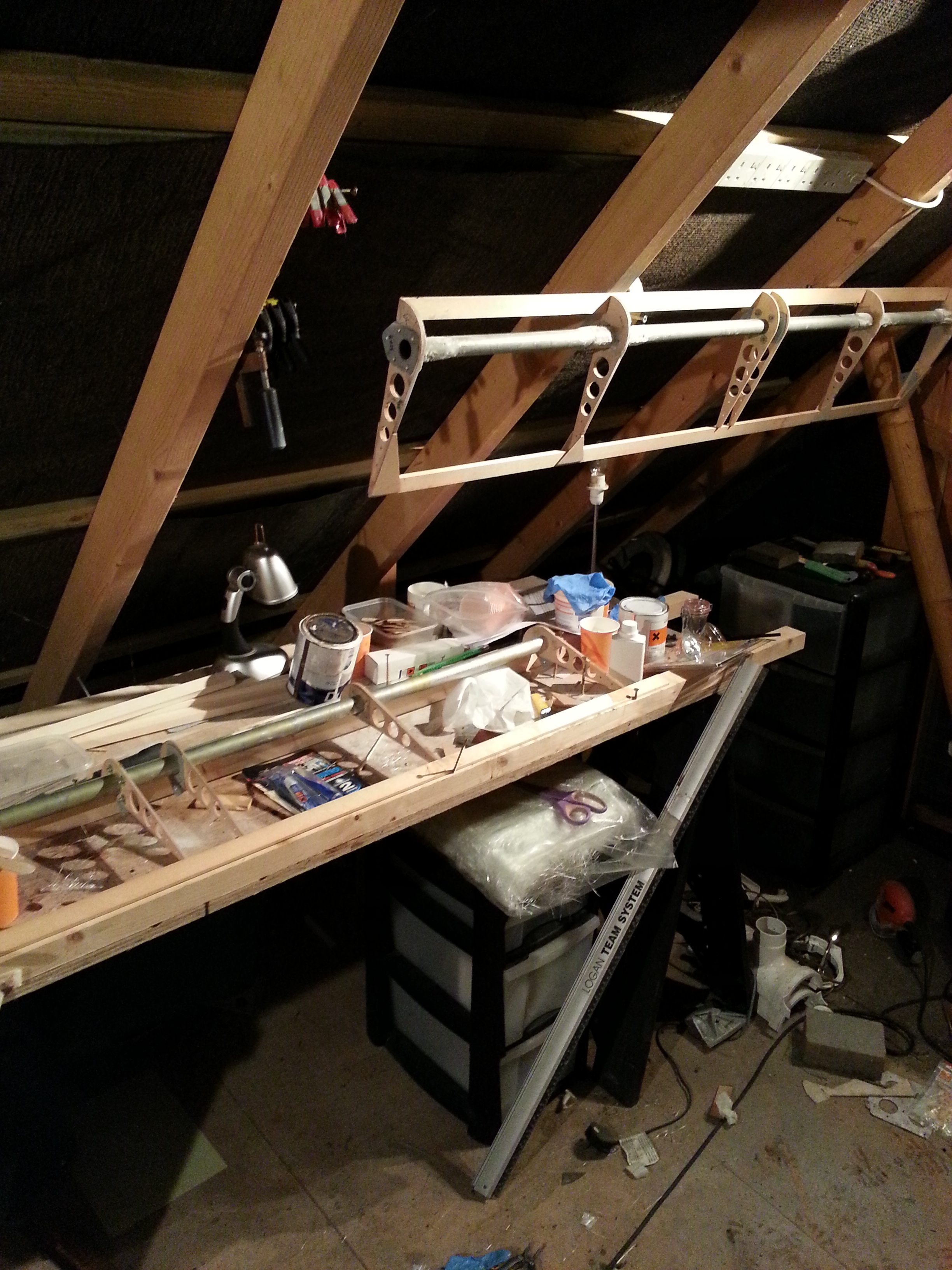
To help speed the process up I have moved the building of the ailerons from the Barn to above my garage roof !

ribs in garage

This space lets me lay it all out and nip up and down to the roof to glue various small pieces, position them, clamp tem then wait for them to set before popping back up to do the same with more gussets, leading/trailing edge pieces.

The hardwood jig makes sure that all are square and true.

Also, the fibreglassing and subseqent sanding is carried out in a resonably airy space.

Rudder Guides for cables runs

The front rudder cables were the first cables I prepared. Now, with the rear end signed off, I can complete the long running cables that go from the pilot rudder pedals to the rear rudder horn.

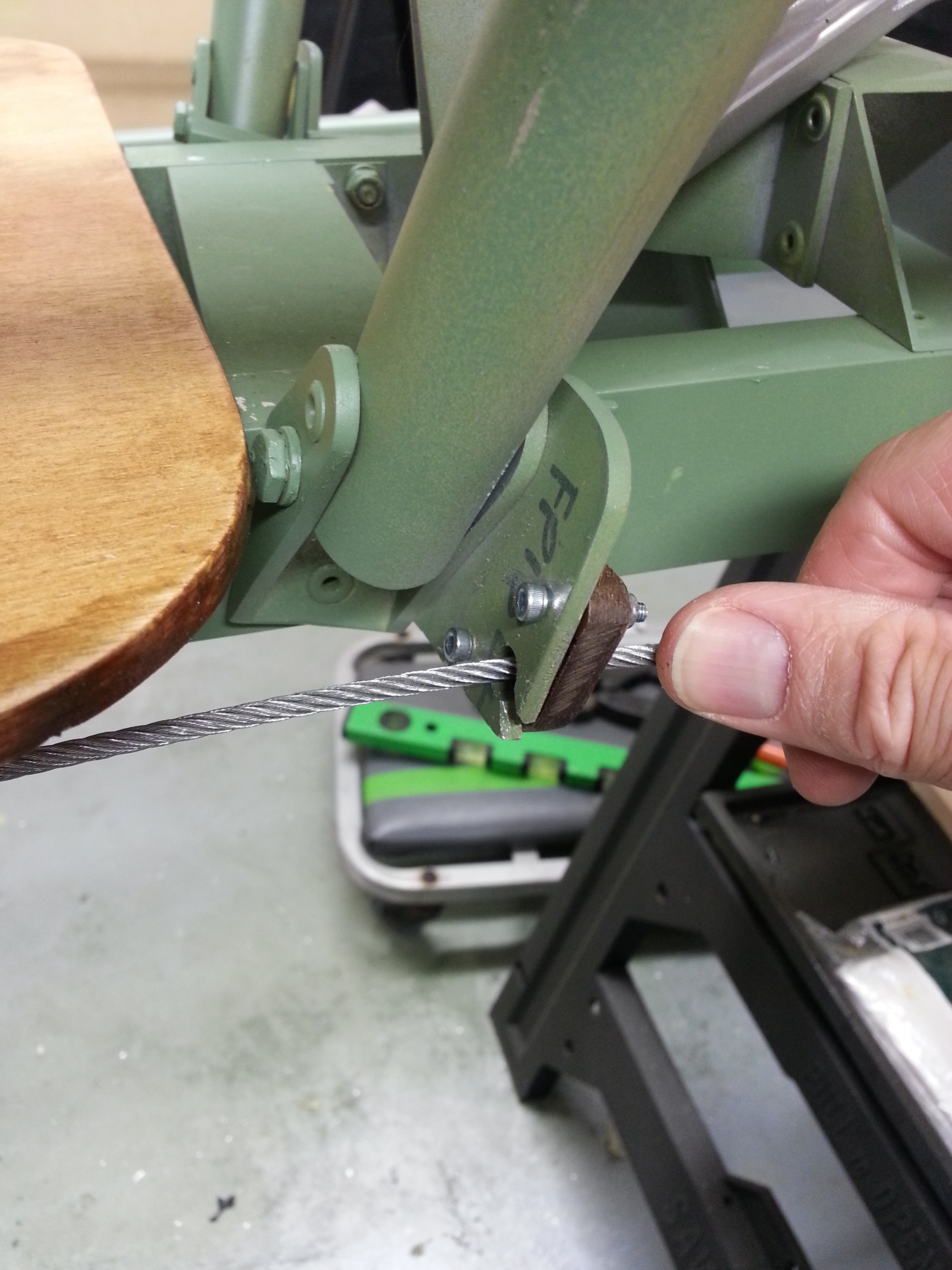
These run through small metal guides under the pilot seat which prevent them fouling on the bodywork. Further, to prevent the twisted steel cable chafing against the metal bracket there are small paxolin plates shped, drilled and bolted to the metal bracket so that the rudder control cable rubs against paxolin instead of metal.


rudder guide

Elevators Connected

Elevator cable closed loop 1

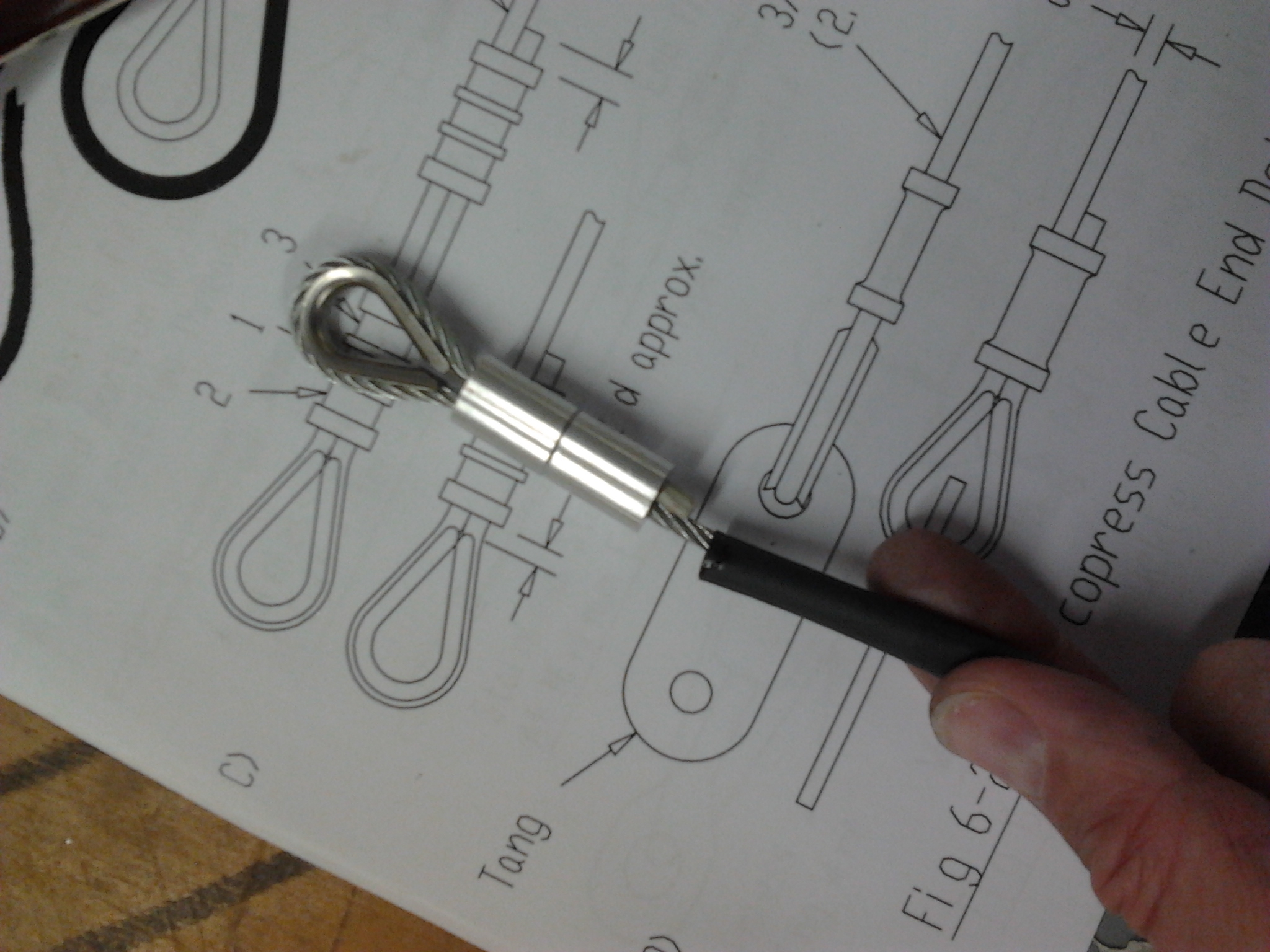
Big step forward on Friday evening/night (4th October) .. with the helpof Keith and a lot of his little helpers (children !) we managed to get the Elevators held steady/level, the joystick held centrally and vertically and in neutral, and the first cable secured and clamped before using the large Nicopress tool (many thanks to Channel Island Aero Services CIAS – Bob, Bob, Graham and the team for their continued good natured support !).

After a good couple of hours more of tweaking and adjusting first top, then bottom cables we finally went from a state of far too much down, far too little up and a neutral that would have had you heading earthwards at more than the approach into City airport !! to a state of great celebration as it slowly moved to 20 degrees up, 20 degrees down and a neutral that was spot on !

The turnbuckles just need a couple of turns to bring them in line with the MAX 3 exposed thread limit noted on the plans.

Aileron – Test align

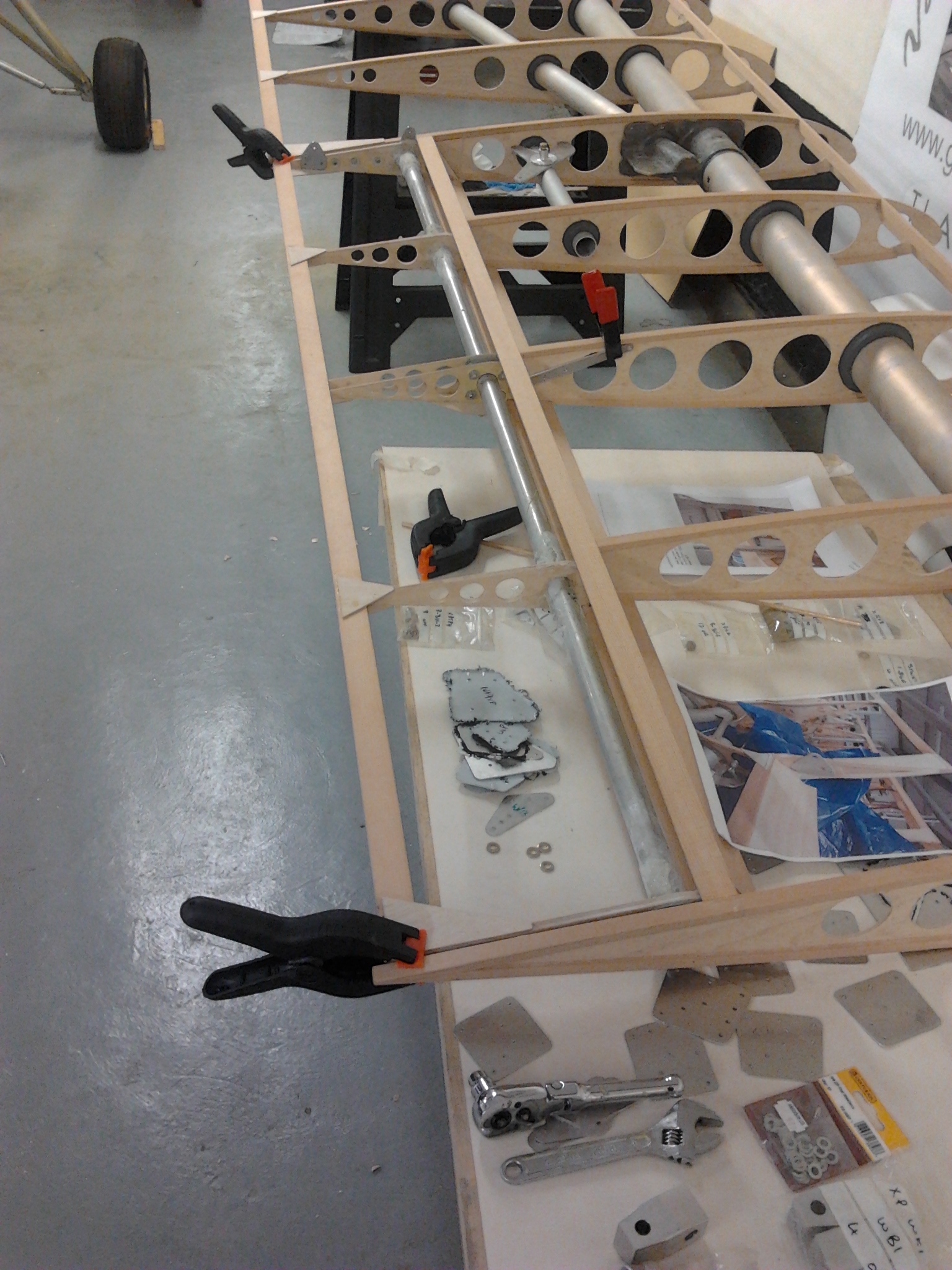
Having started with lower left and lower right (driving) ailerons I have now got the ribs glued to leading and trailing edges and now started fibreglassing to aileron spar.

The centre two ribs are close together and make up the primary hinge point which is underslung.

This aileron is then offered repeatedly (lost track of how many 100’s of times I have done this !) to make sure it sits squarly and centrally in the wing slot.

Stbd aileron test

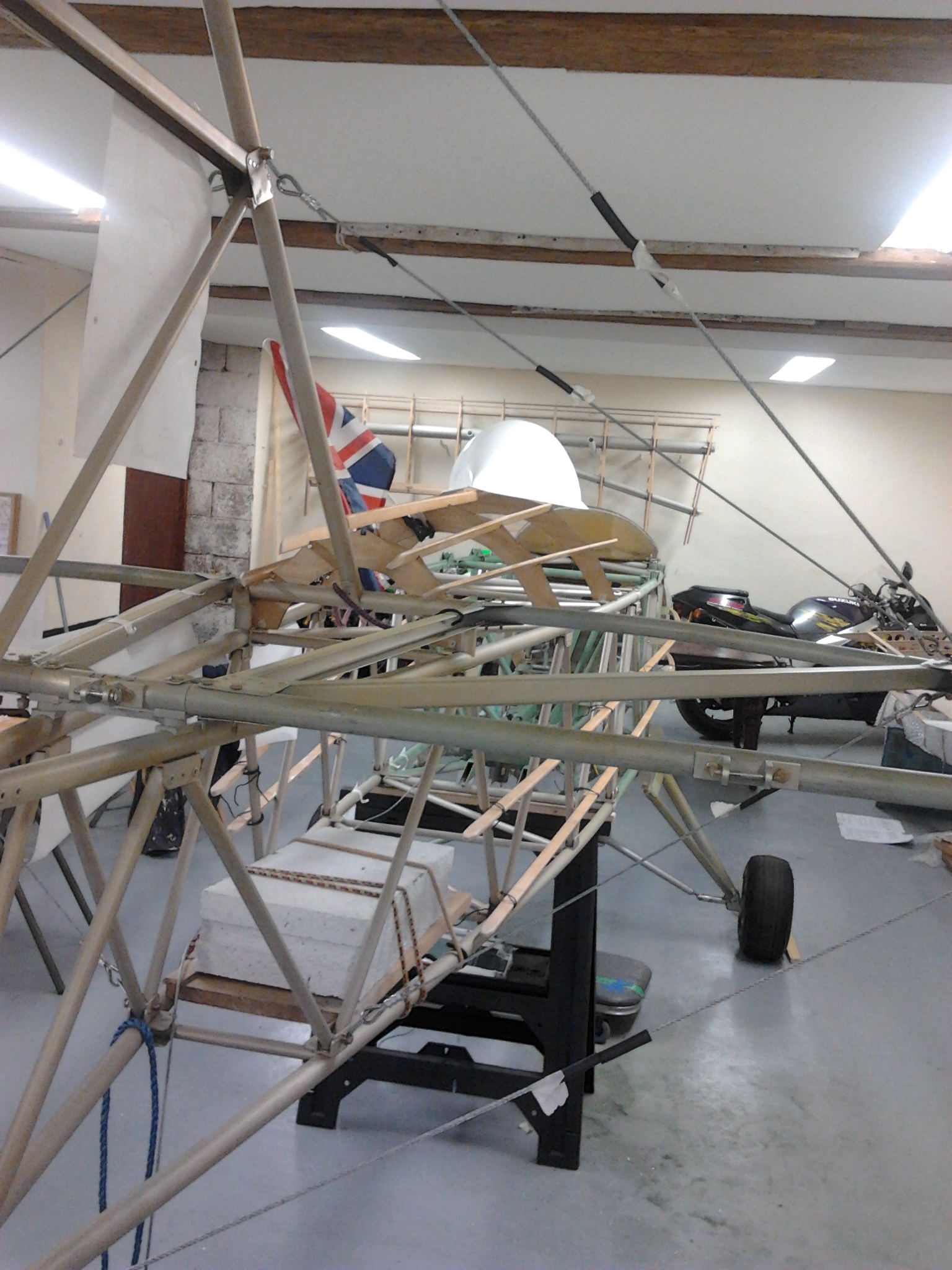
Rigging Tail

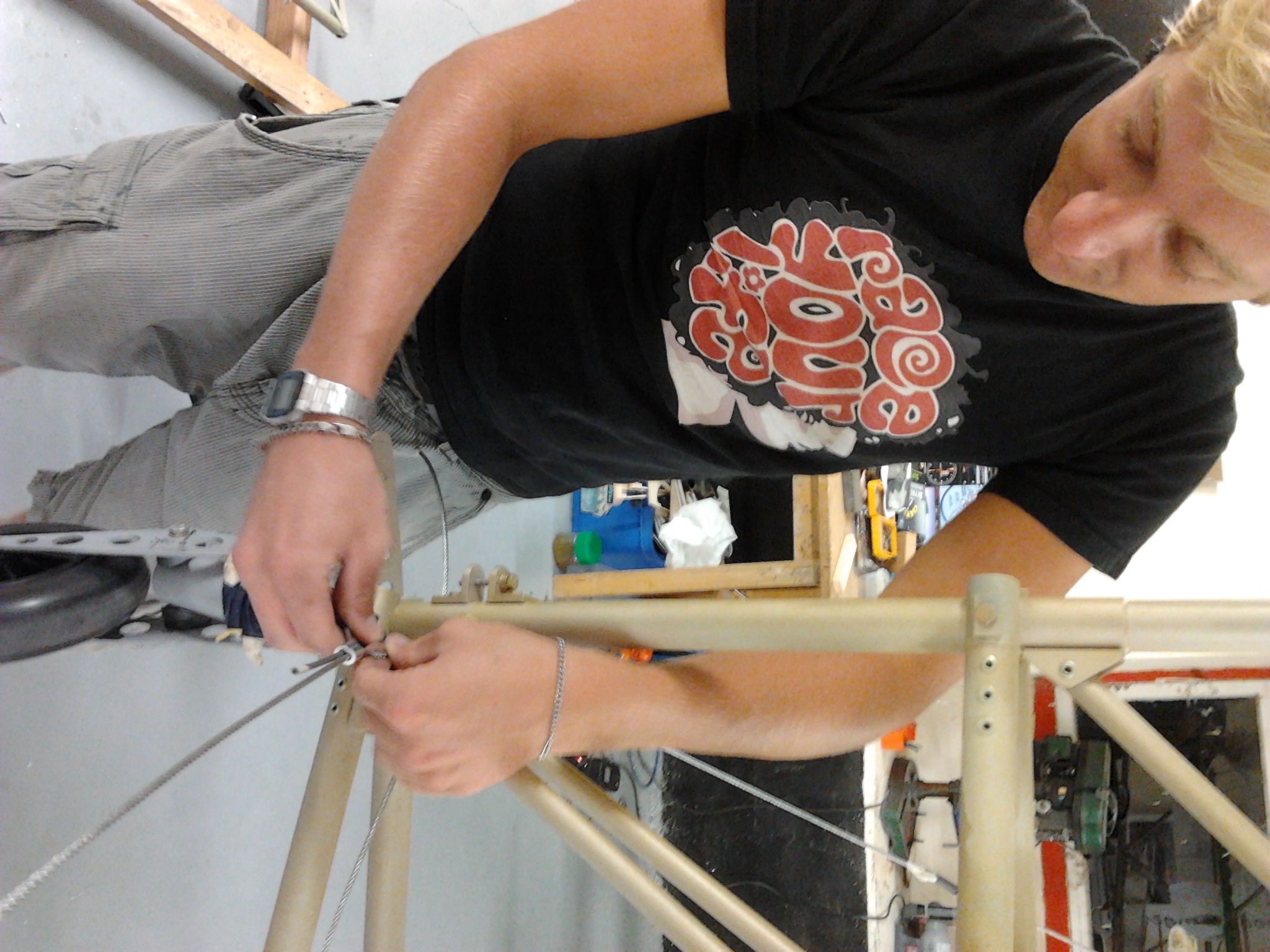
Sam riggingFerrule 2Last night was a fun packed session of tightening all the rigging at the tail. The Tail is supported by 8 rigging cables. Two on top at each side (supporting Fin to Tailplane) and two underneath at each side (tailplane to body)

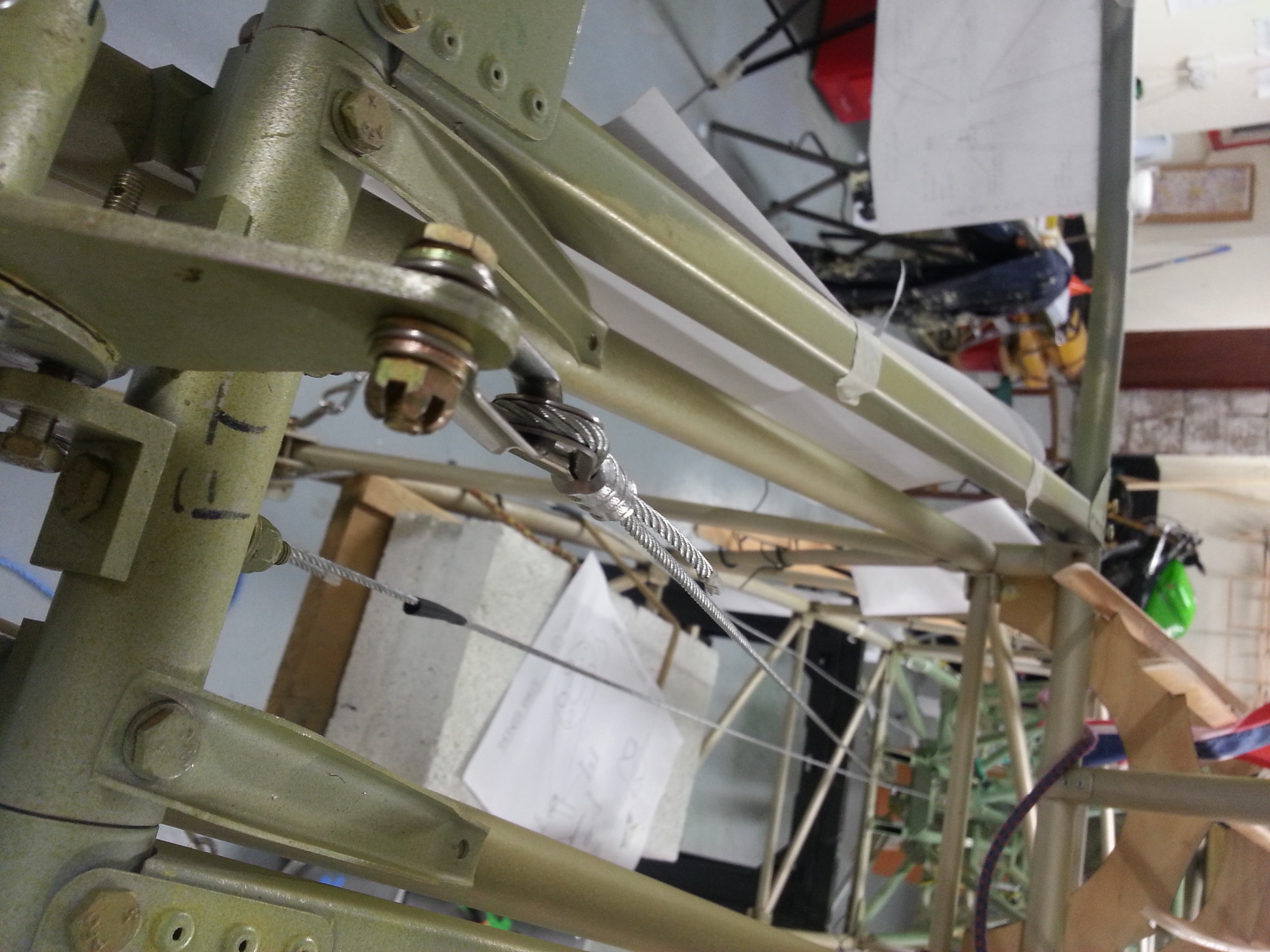
The cables had been pre prepared, swaged at one end and each tang packed with 3-4 washers so that you have some adjustment once you have swaged the other end of the cable to length.
To assist in this process you have to place 5Kg of weights on the tips, check for level and true all the time and get the cables to have a dull twang when completed.
As the manual points out the effect of bringing these all up to tension gives you a fully closed loop effect. So tightening one affects all the others.

An evening of depression and elation followed as it all looked good, then went apparently slack, then went taught again as we successively did opposite support wires.
Rigging taught
Great job in the end as the whole thing began to settle as washers were removed to just tighten it all up.

First Inspection ….

Today was my first proper inspection. Bob duly popped around on what was a fairly traumatic day in Jersey with an early morning crash of a Cessna into the bay in St Ouen’s in thick (typical) Jersey fog.

The 14 or so checkpoints outstanding could be reduced by up to 3 perhaps 4 !!

Bob checked

  • Elevator – fittings, finish, accuracy
  • Rudder – ditto
  • Tailplane – ditto

All checked out OK with a couple of comments and advice. One, which applies to all fittings, at least 2 threads should be showing beyond nylocs – my currently untightened bolts for the rigging will do this once tension is taken up and excess washers removed.

Bob also noted that there was no counter balance weight on the rudder, noting that some similar models and Pipers etc have a weight in the top of the rudder in the forward overhang as this adds stability and potentially prevents rudder flutter.

Double checked with Paul at TLAC and this wont be needed but good to check and get advice and input.

Now I can crack on with rigging and cabling and top decking.

Thoughts are with family and friends of N289CW

Blog at WordPress.com.

Up ↑