Leaving a very cold Cromer at the weekend … I’d connected up the smoke … and requested a bit of smoking on departure
A bit of a crosswind on departure ..as the smoke moves Eastwards … also need to tighten that camera bracket for grassy bumps 🤣
A mile of runway can take you anywhere
Leaving a very cold Cromer at the weekend … I’d connected up the smoke … and requested a bit of smoking on departure
A bit of a crosswind on departure ..as the smoke moves Eastwards … also need to tighten that camera bracket for grassy bumps 🤣

I haven’t been using the smoke system that much recently …post the engine rebuild .. but, over the last few flights where I have used smoke I’ve been getting an excess of unburned smoke fluid covering the underside of the aircraft.
The areas most affected are driven by the airflow and so, undercarriage (being quite exposed) gets a direct ‘hit’ main and tailwheel ..the rest goes just behind the main gear on the underside of the body … then under the lower body with some catching the tail
I made contact with smoking airplanes in the US who supply the kit to check that my attempts to lean off the oil mixture was not working and see if they had other ideas.
Their first thought was that it might be a single or dual blocked injector .. the injectors are strapped to the exhaust stacks and protrude through small holes so atomising the oil spray into the hot exhaust.
The effect of a coked or partially blocked atomiser would be to allow the oil to build into globules and so be too ‘thick’ to burn … but instead trickle and run down the tube … then exit in the flow and spread
Removing them revealed that they were clearly coked and blocked
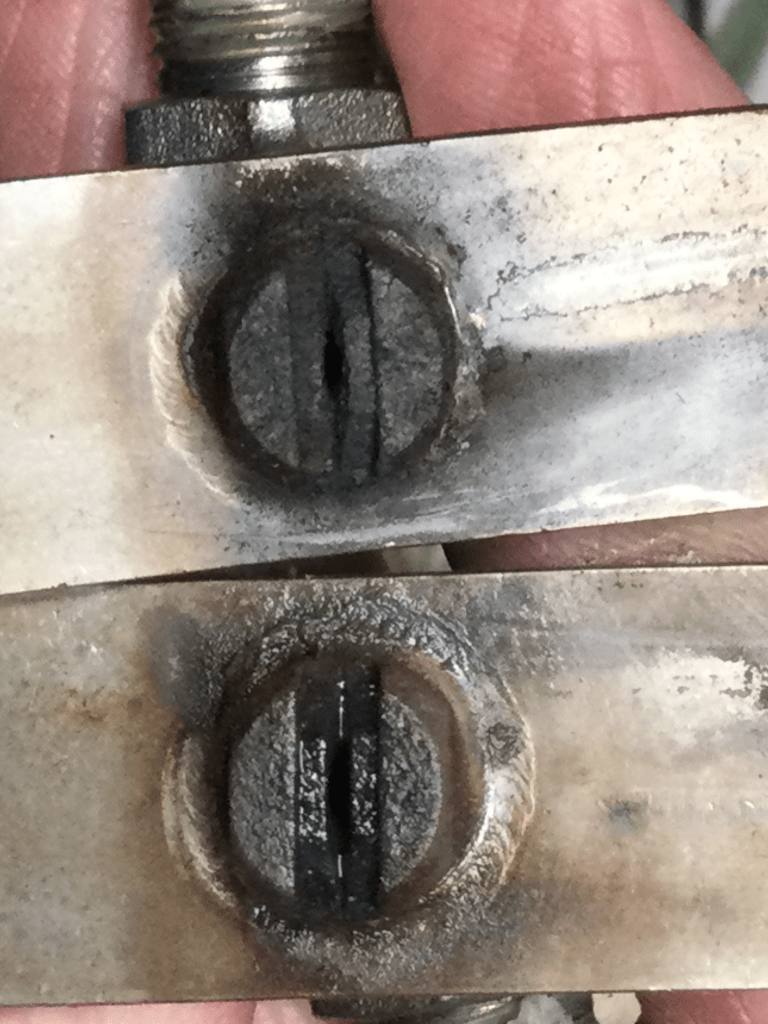
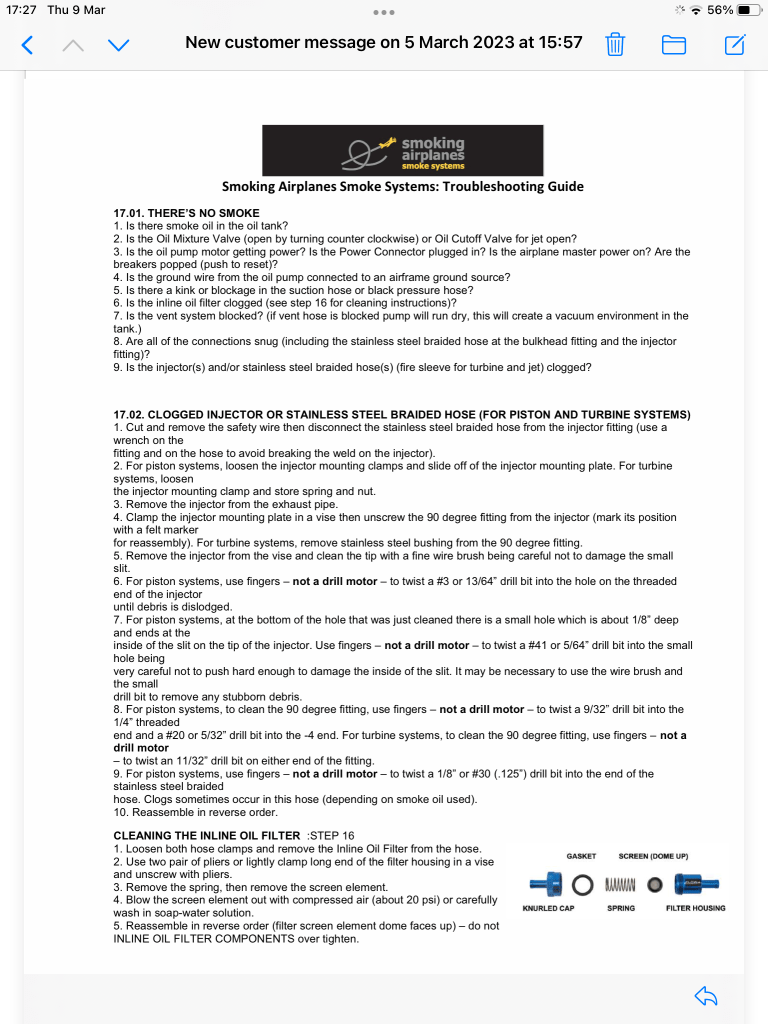
A follow up email to Smokin Airplanes in the US ..gave an almost instant response with a detailed sequence for how to (safely) clean these… amazing service 😊👍

I have been very fortunate to be able to use a lovely Hamble PA28 on occasions. I last flew it from its temporary base (at Fowlmere) to Bicester (Scramble meet) and back … both grass strips and both offering different approaches … Fowlmere slightly undulating and very close to busy Duxford and one with quite a few residences around to make approach sensitive
I remember years ago flying to Fowlmere to reposition a PA32 from Duxford as Duxford advised I couldn’t depart before 8 am next day back to Jersey as only locally based aircraft could move early … remember lining up with my Dad onboard …and the chap in the tower advising L or R turns as people departed ..depending on their destinations N or S in the U.K. … I lined up .. and said Fowlmere …and he asked if I had enough fuel for the trip ! Being about 45 seconds in a PA32 ! As Dad was onboard I asked if we could do a circuit and low flyby before peeling off to Fowlmere and was surprised to hear “No problem … line up on the grass after the landing Spitfire … which came just over our head … cleared circuit, flyby then Fowlmere” ….
Think Dad smiled for the rest of the day ❤️❤️😊
I’m currently doing some Programme support for an exciting company down in Jersey so have been down a few times this year. Travelling commercially is a pain … drive around the M25 to Gatwick and overnight for the red eye out next morning … then the slog back after a few days.
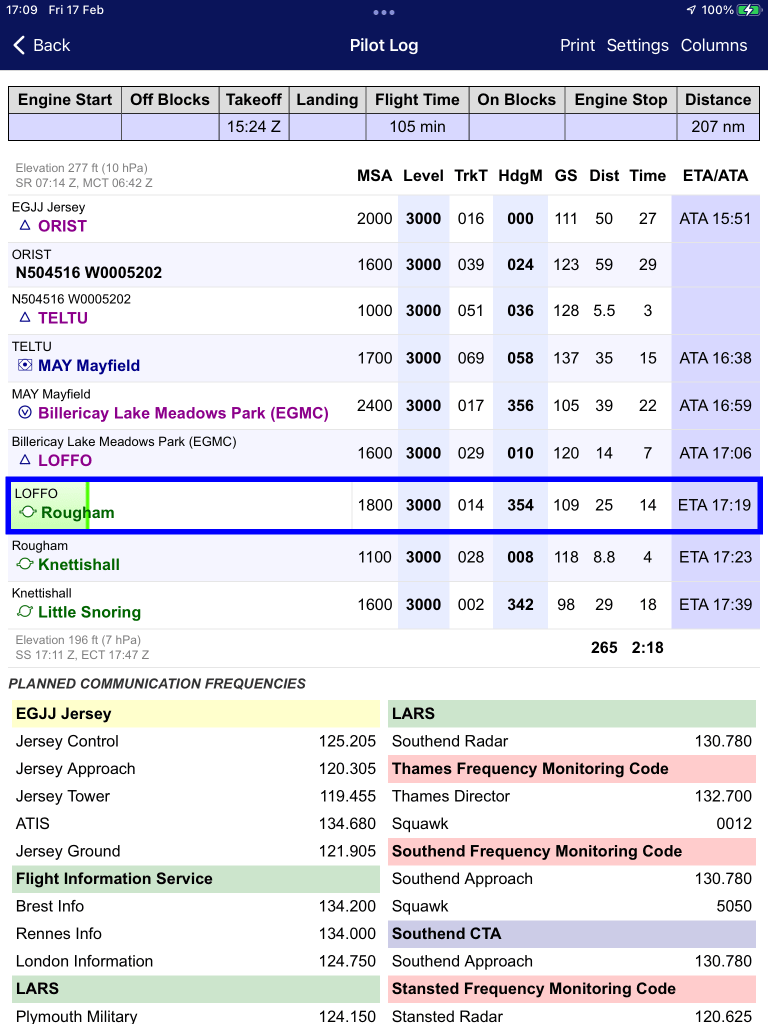
This week, I was fortunate enough to get use of the PA28 again, now re based back at Little Snoring. The dense fog of the preceding 2 days in the U.K. was easing and looking like clearing on Wednesday morning. I’d booked the flightplan out, using SkyDemon, and was set for a 9:00 local departure. Filing custom gendec forms with Jersey and the ever helpful Norwich Border Force
The fog was a little slow to clear and pre fuelling (to the top of both tanks) meant departure was about 10:00 local. Backtracked down the tarmac to the grass of threshold 25 … around a couple of pheasants !… and climb away above the mist into a lovely clear layer. Calling Norwich at 1,600’ to make sure I could get good 2 way comms … but they advised they couldn’t open my flightplan…and I’d have to ask London
I switched to London Info 124.60 and was still abeam the Norwich zone .. London Info opened the flight plan and I advised my planned routing, Bury st Edmunds, Chelmsford, Thames, Mayfield, Goodwood, Orist and would remain outside controlled airspace of Stansted, Southend and Gatwick
Managed to actually see the MAY VOR as I banked wingover right …
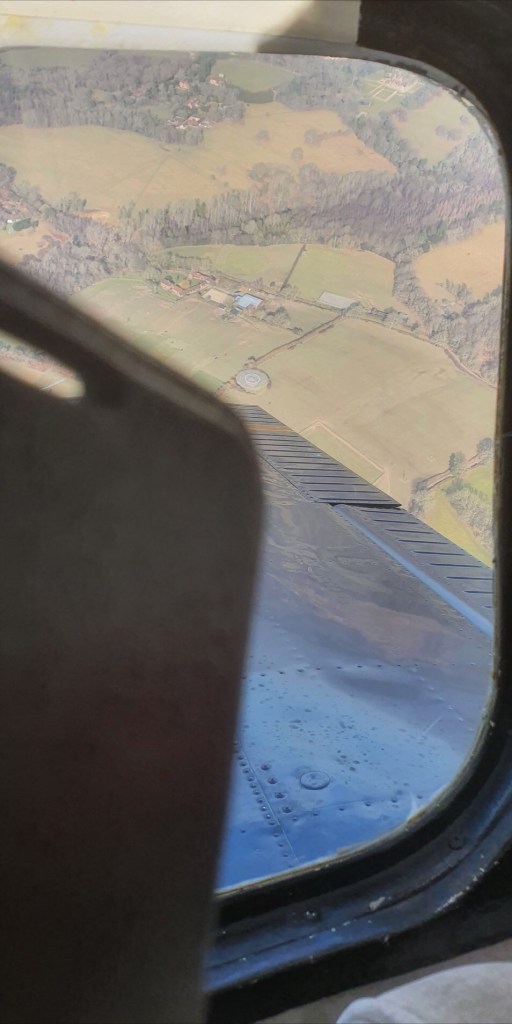
Had to orbit 2 or 3 times just to the North of the Northwest corner of Jersey when a fellow Jersey pilot in a faster PA32 overtook me … parking up on the grass at the aero club as the grass nearest the club looked pretty wet ..buzzed through the access door, as my Aero Club access card has now expired (following recent security enhancements at the airport)
The return, was set for Friday and Thursday was pretty grim on the deck.. typical of the moist airmass around Jersey
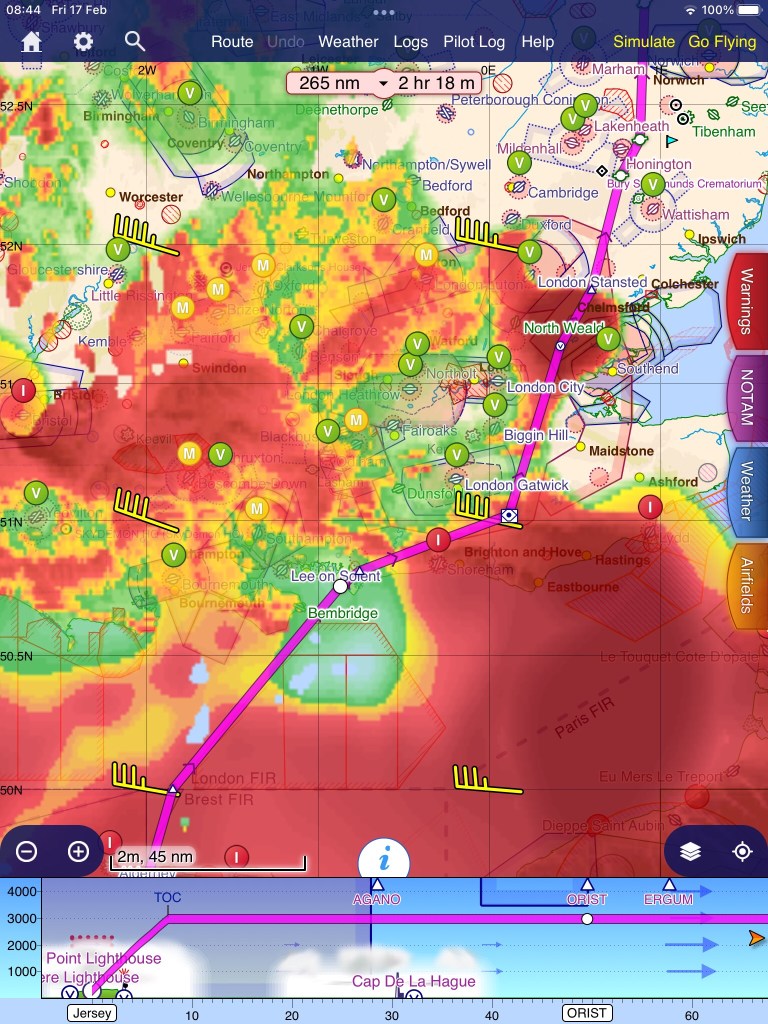
Flightplan was filed for 1400 local on Friday … and Friday woke to BKN below 100 with all the early commercials being turned back as they were he night before ! People were being shunted to Saturday flights for BA
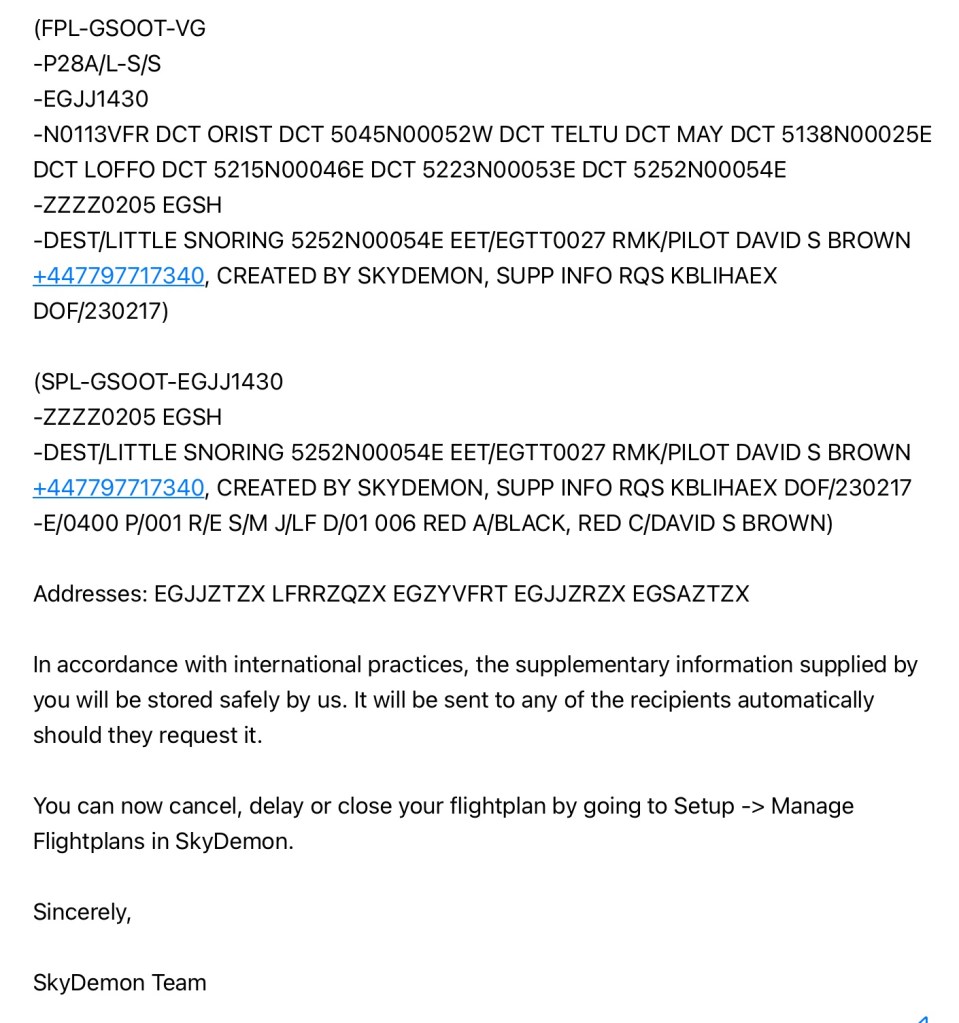
Got a ‘phone call from a private number just after 9.00am and it was Norwich Border Force saying they had seen my flight plan but no customs form (the one I had sent earlier in the week noted outbound AND return but I think they prefer one each sector .. no worries resent it and they emailed straight back to say many thanks and all fine .. “Have a nice flight” …nice touch 👍👏
The forecast for Friday was set to lift around midday .. but was still on the deck and showing a usual very slow up and down mode !
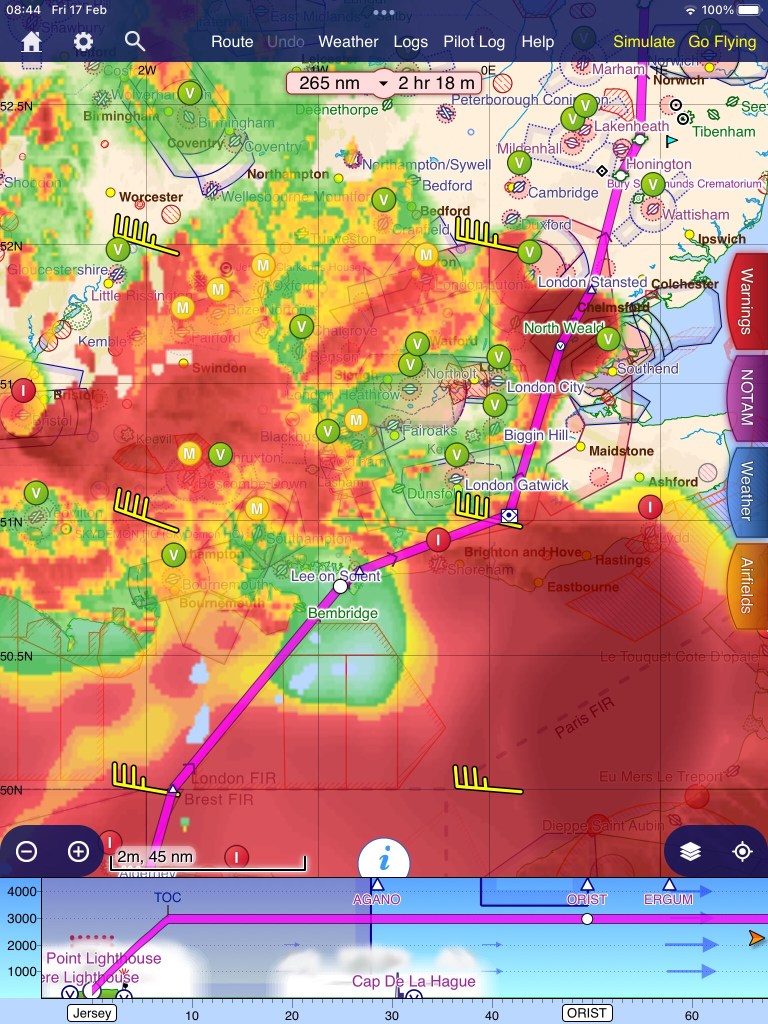
Clicking up the TAF every 20 mins or so didnt offer an obvious window but at 1230 I headed up to the aero club to get the aircraft loaded, prepped and ready. … and hose off some of the mud on the underside and undercarriage from the Fowlmere-Bicester trip
At 1400 there was a sudden small break in the clag .. so I started up and got to the threshold and was a finger from transmitting ready for departure … when a Citation came in and said 7 mile final .. he was given clear land …and ..with a stiff headwind took ages to get in …and in those minutes …the MET went BKN at 300 …Sat at the threshold engine on tickover and watched successive 300, 400, 300 foot bases drift through
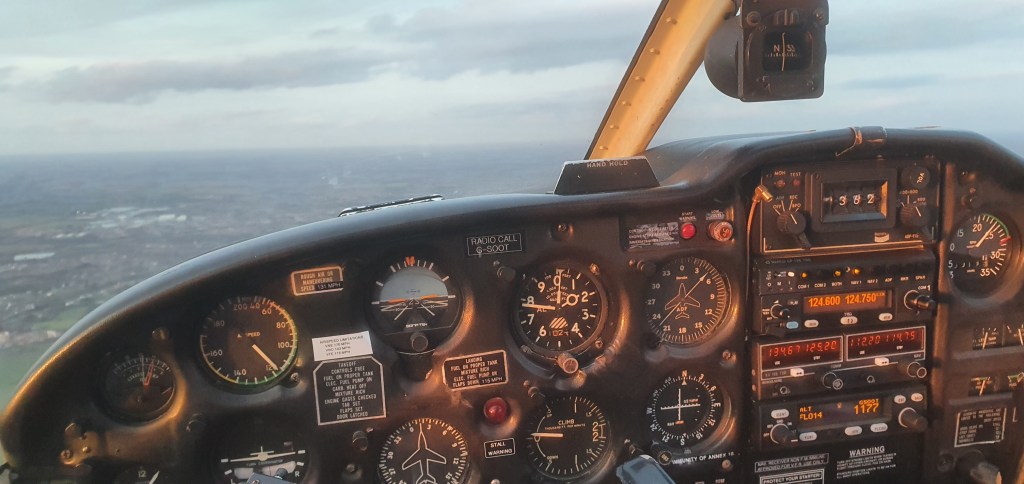
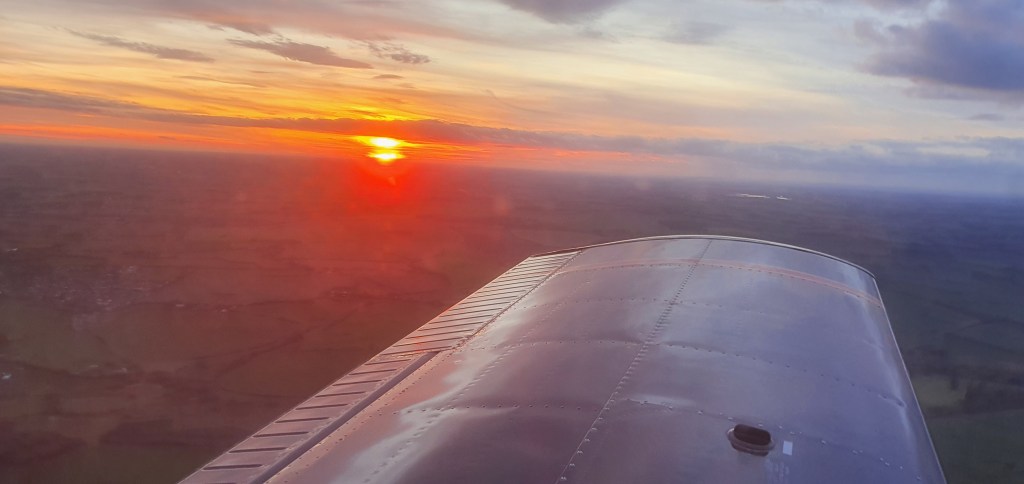
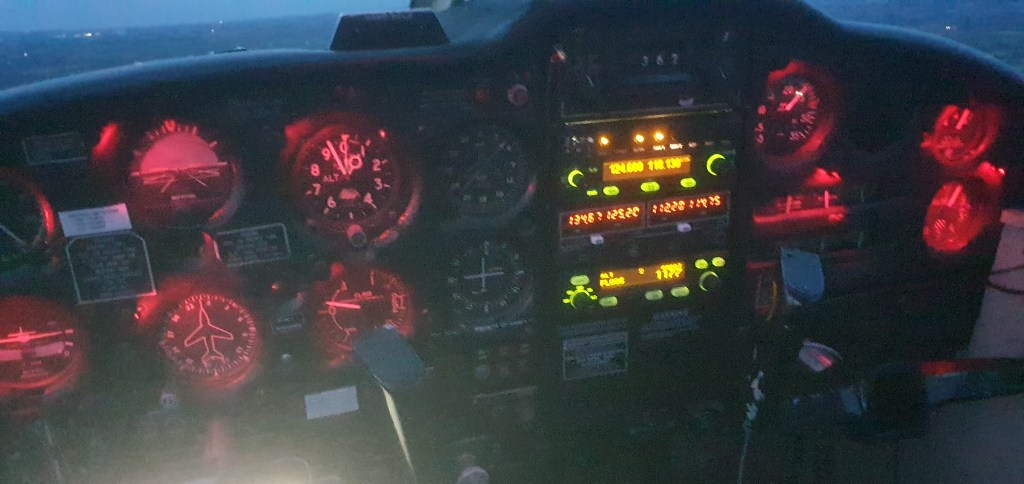
Eventually I taxied back and shut down .. and sat in the aircraft as it was clearly going to be a short window if indeed it DID open up. I watched the TAFs come and go … and still no luck … my problem now was that the planned 2 hr 19 min flight was dependant on hefty cross,tail winds and this all bound by a sunset in Norfolk of 17:11 .. meaning night officially 30 mins later at 17:41 ..so my absolute drop dead time for leaving was 15:15 … Eventually the patience paid off and tower called me on one of the times I had switched the radio on to hear the ATIS 134.80 SCT 300, BKN 600, BKN 1800 … we’re OFF !
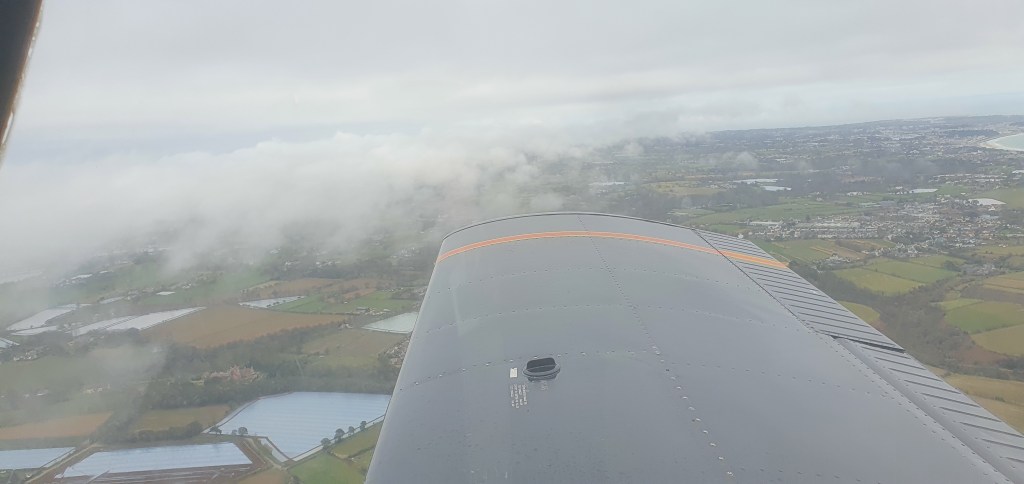
Engine already warm … ran through checklist and out and lining up in 5 … climbing away .. cleared to 1,000 … then 3,000 … then not above 5,000 .. base was 3,500 so 4,000 was great
Approaching the Isle Of White and the base rose up and the tops descended to swallow me …
..what had been forecast as a 2,000 base became, in reality a few 100’ .. solid IMC with all the rising ground near Gatwick and the downs I opted to stay at 2,000’ to MAY then turned North … eventually becoming VFR again just abeam Southend
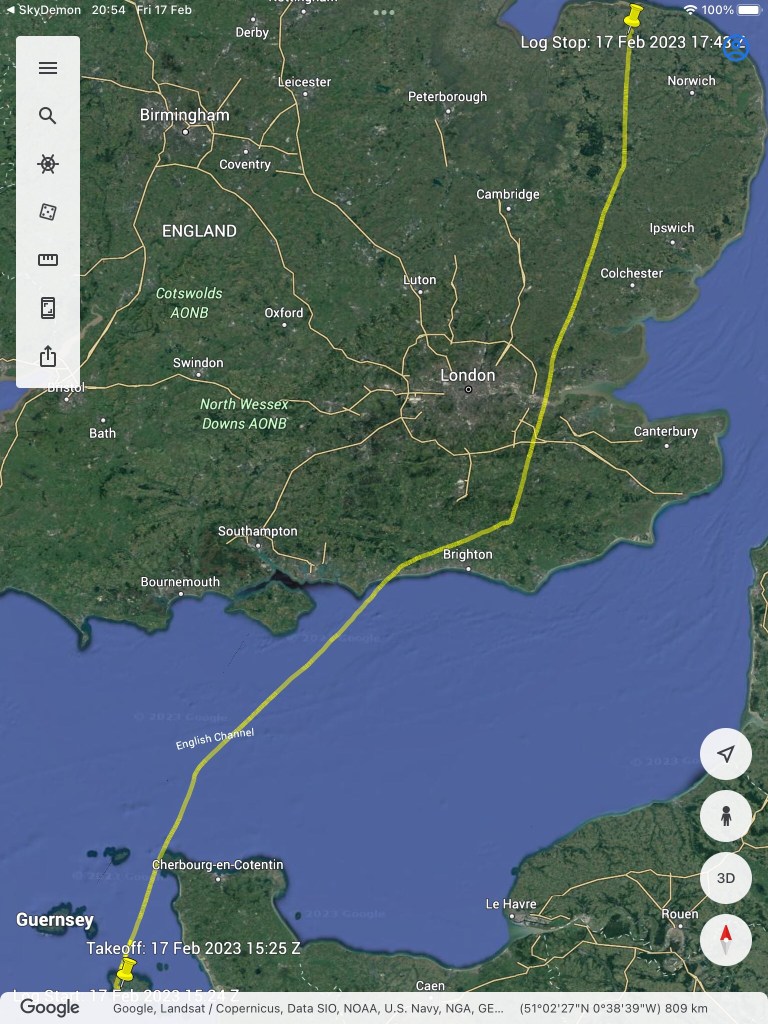
As I coasted in towards IOW, London Info had said I should call Farnborough West … but they were back to back with ILS routing entries so I re switched back to London 124.60 and stayed with them until 1.7 from Little Snoring .. awesome service
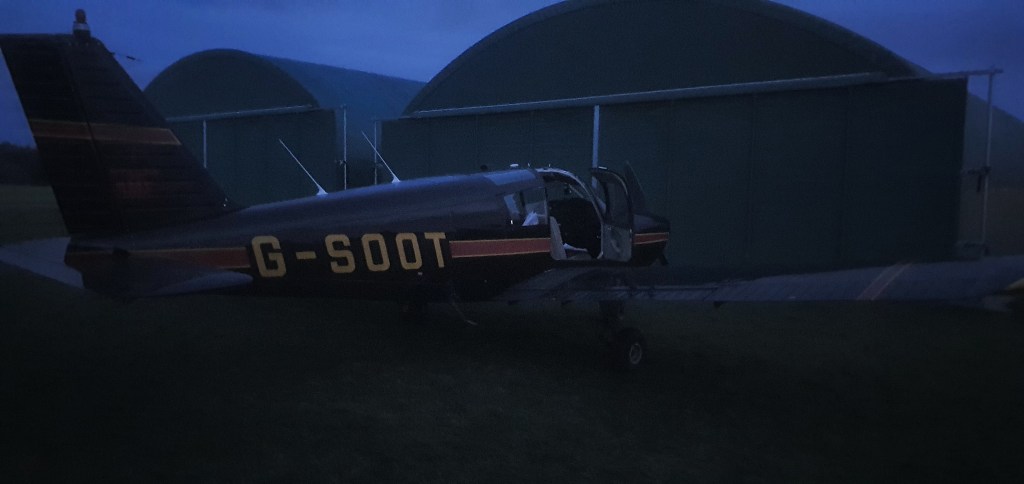

The ongoing issue of the oil seepage has kept me grounded for a long time now …. The plugging of the rocker breather holes in each head (now I’ve conveyed to solid lifter from hydraulic) has certainly helped see the wood for the trees with only small but positive amounts of oil showing at the base on the rocker guide tubes on ground runs
Each ground run, where I let it get up to 50 degrees then push to as much throttle as the small heel brakes will hold .. usually around 2,300 rpm …at those revs the brakes are starting to squeak and object … but you can get short bursts of higher and accept the move forward if clear.
The option I did in the summmer … tying the tail to the hangar metal upright girder .. I’m not so happy about now .. his was after reading an Australian post on a Jabiru site about having Jab 2200 in taildraggers and excessive ground running NOT being good .
The reason sighted for this was possible oil starvation of the front cylinders, rockers due to the significant slant of the body
So I don’t do prolonged hot ground runs .. if I can avoid it.
Anyway .. to the fix
Having spoken with the engineer I decided an ‘in situ’ fix in a cold dusty hangar wasn’t ideal and to whip the engine out, pop it in a boot and strive up to Yorkshire was probably the far better, sensible, solution !
Engine out Friday, marking all ancillaries and safely supporting the exhaust … carb body status in situ so you don’t d disturb choke and throttle … and it’s craned out and in the boot in just over an hour
Drive to Yorkshire Sunday, work on it Monday, Back Monday night, reinstall Tuesday, Ground run Wednesday !
WORK
The engine was mounted on a sturdy bench … nose down … bolting 3 bolts through the prop driver plate through the table … this made a really easy working environment and the engine was easy to rotate
Given the photos I’d sent ..we looked to remove the rocker push riot tubes from one side first and investigate … rocker cap off, rockers undone .. pin removed … head slackened in turn …and tubes slid out of position
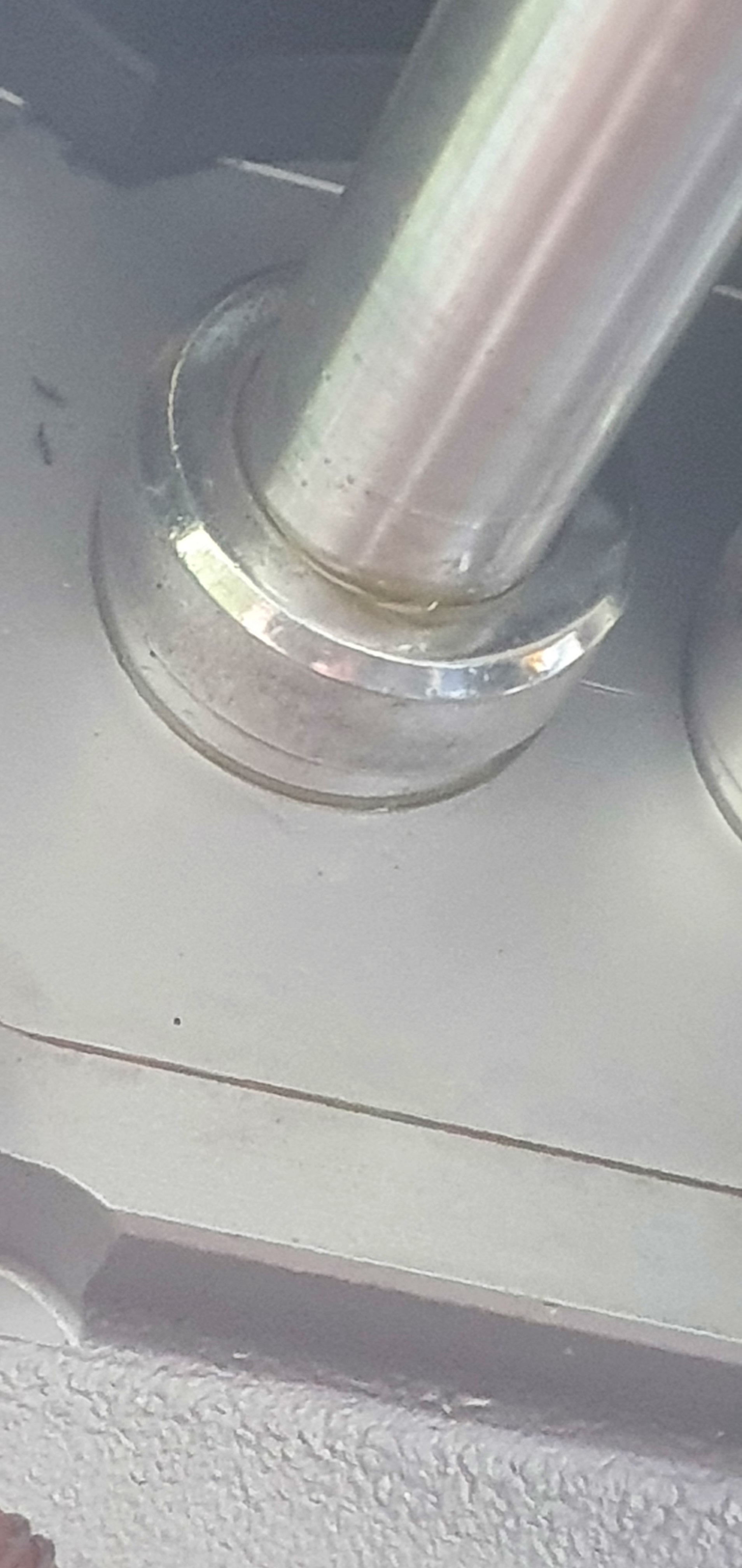
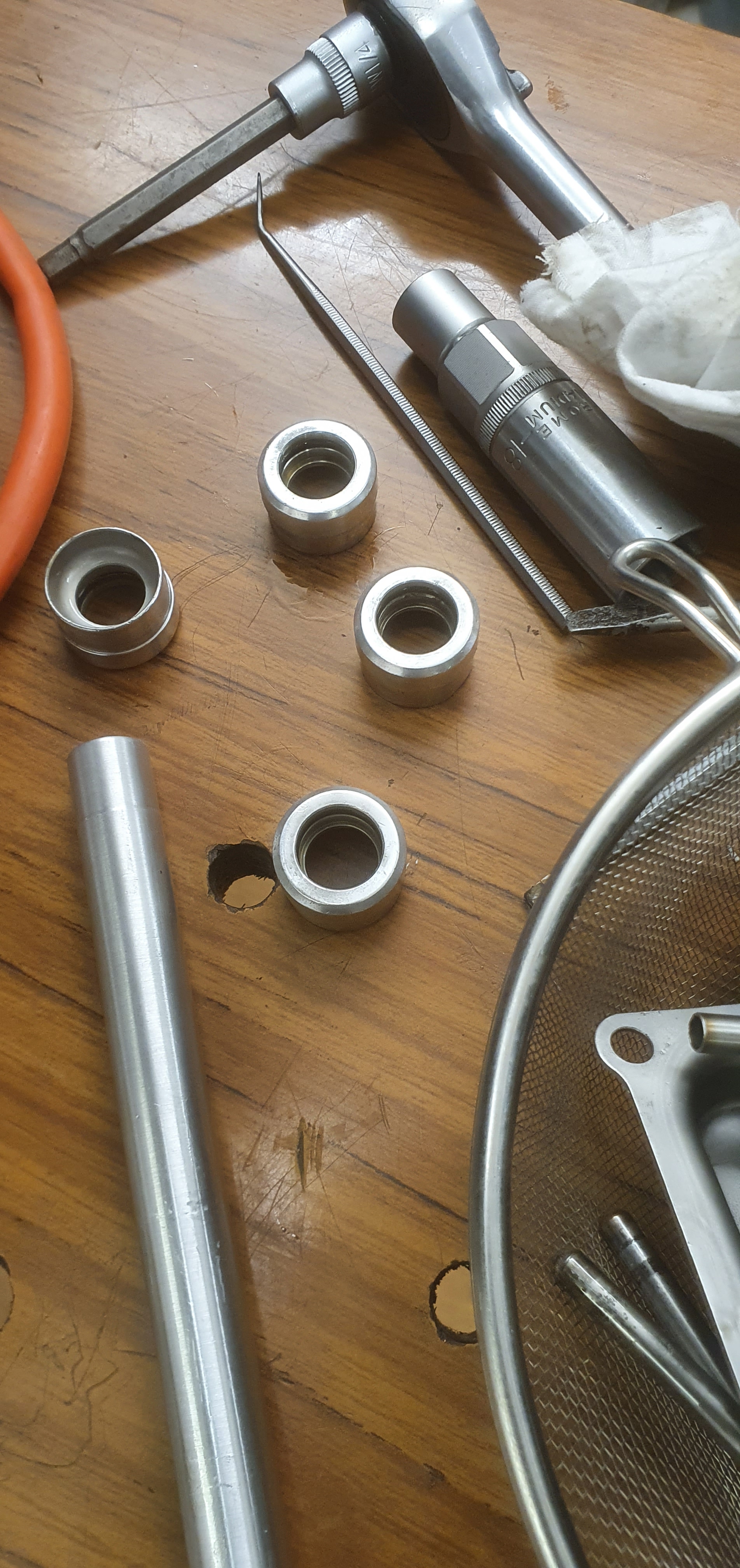
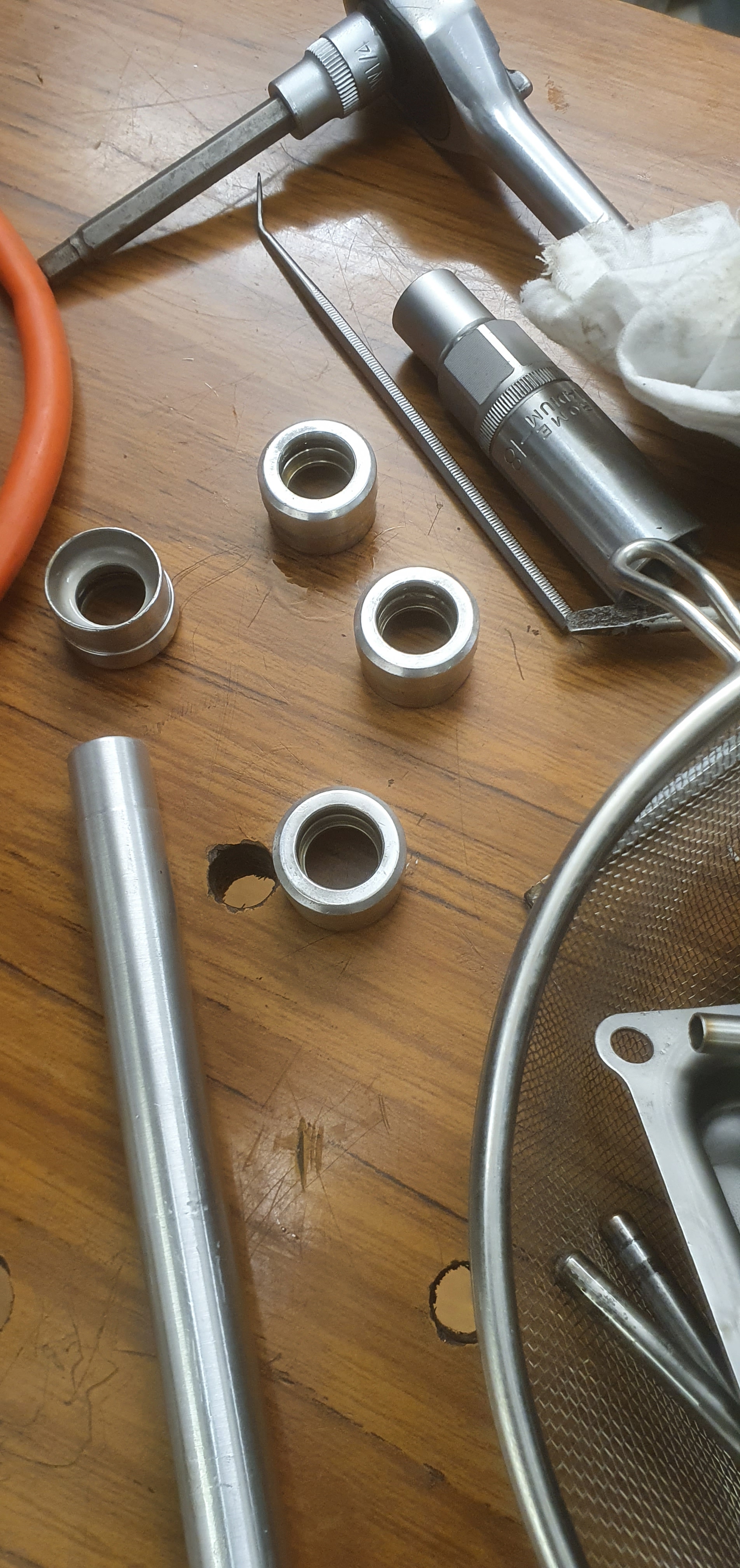
The alloy tubes sit in small alloy cups that then mate into the sump body. The place they insert has a rubber ring in the sump body, the allow tube has a rubber ring … the cups should be quite stiff to remove … but weren’t
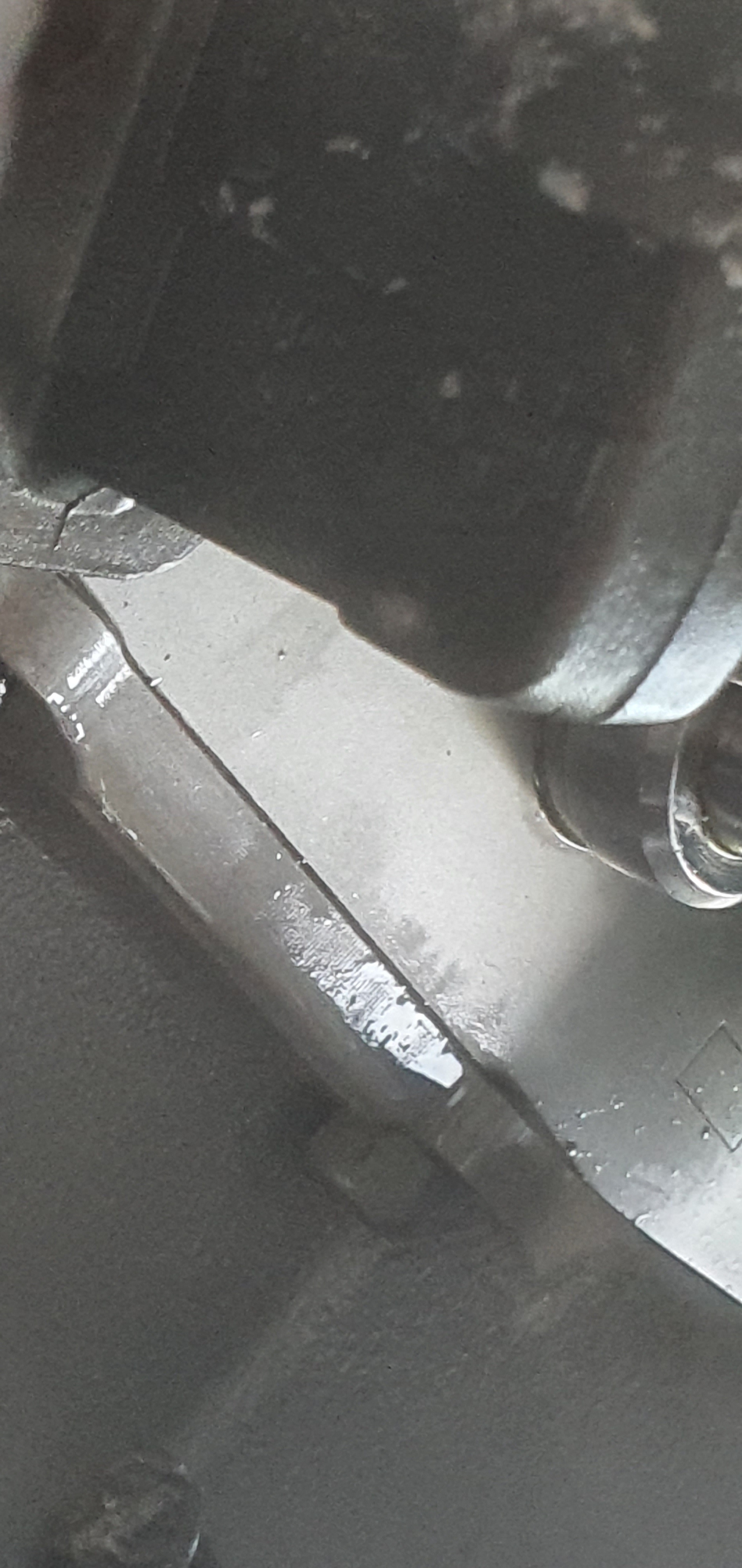
This was repeated for all 4 tubes on one side and all cups were relatively slack
These were thoroughly cleaned and de greased and then new rubbers, Vaselined up and a dab of heat proof silicone for surety … and popped back in place .. this was related both sides of the block
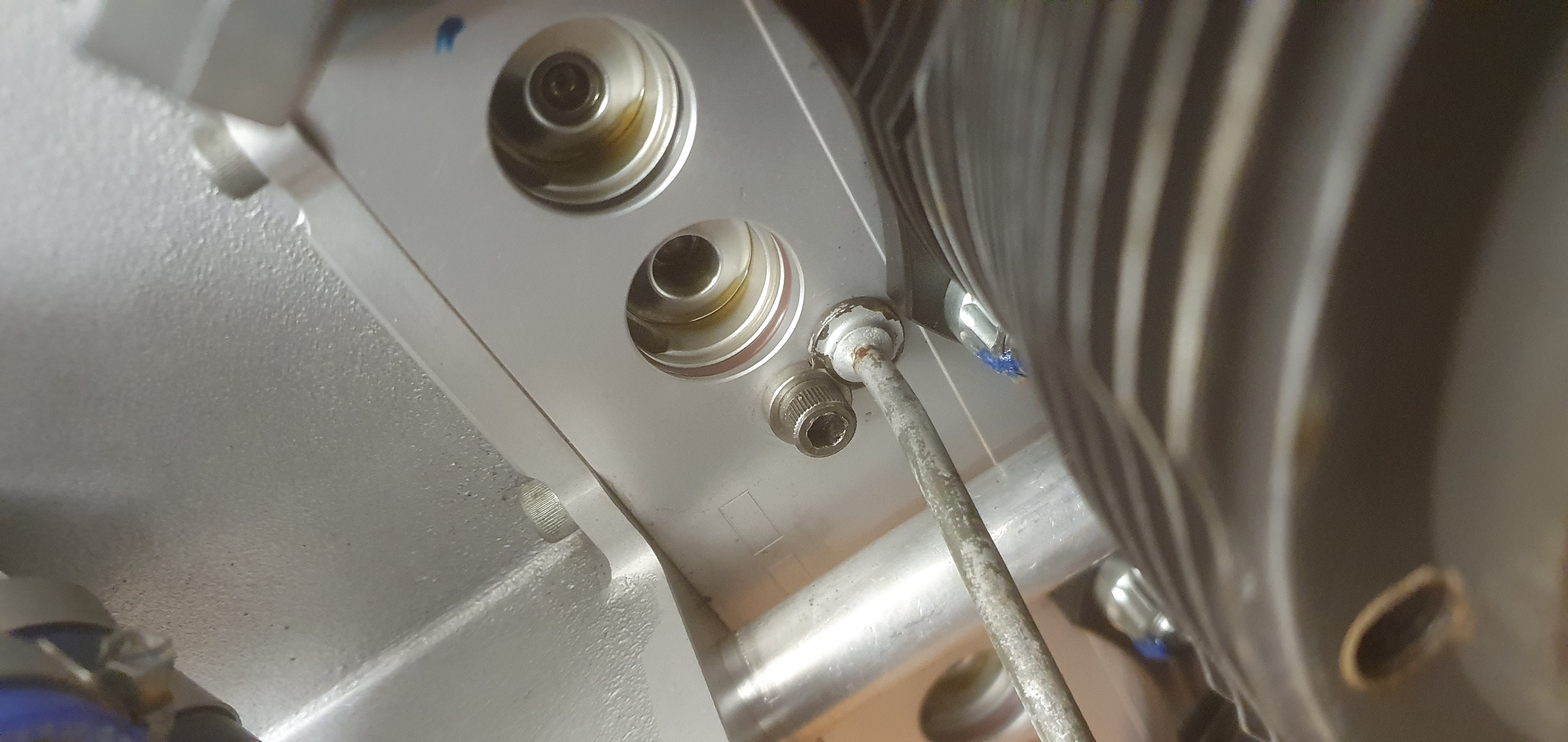
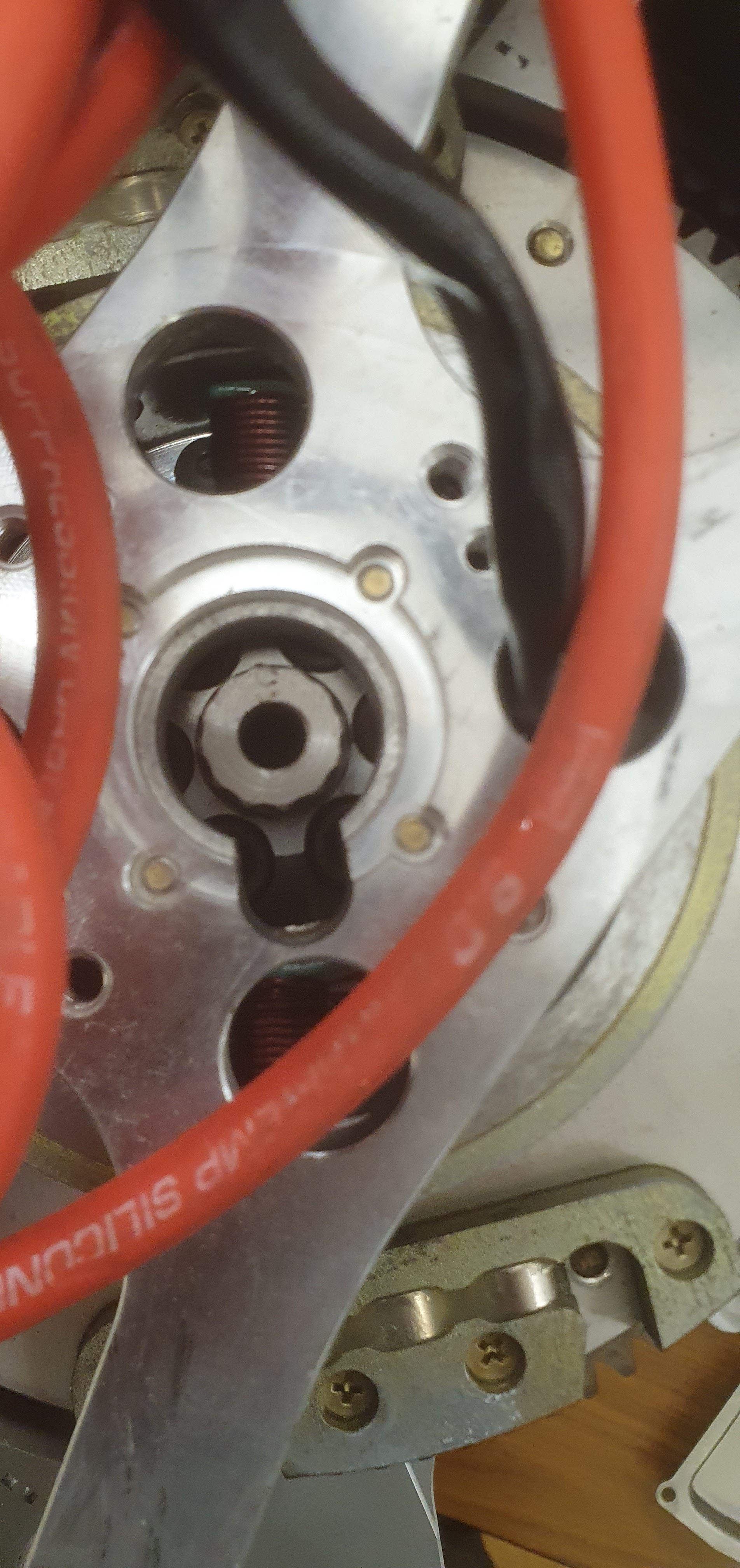
Kevin had pre drilled the rear of the backplate – Spider to allow easy (regular) torque checking of the new flywheel bolts vs the big in situ strip.down I had to do when replacing the bolts and nordloc washers last time 👍

Having now plugged the oil vent holes in each rocker head and waited for the massive cold snap to go …and the rains that followed to ease …I’ve finally managed to get out and get 2 ground runs in to check for ongoing oil leaks.
Block and surrounds all degreased and dry I run her up to 50’ then 60’ oil temps .. then ranges from tickover to 2,000 rpm then up to 2,300 before the brakes creak at me that they can’t hold on the wet grass.
Taxy back from the power check area and whip off the now warm cowls to check
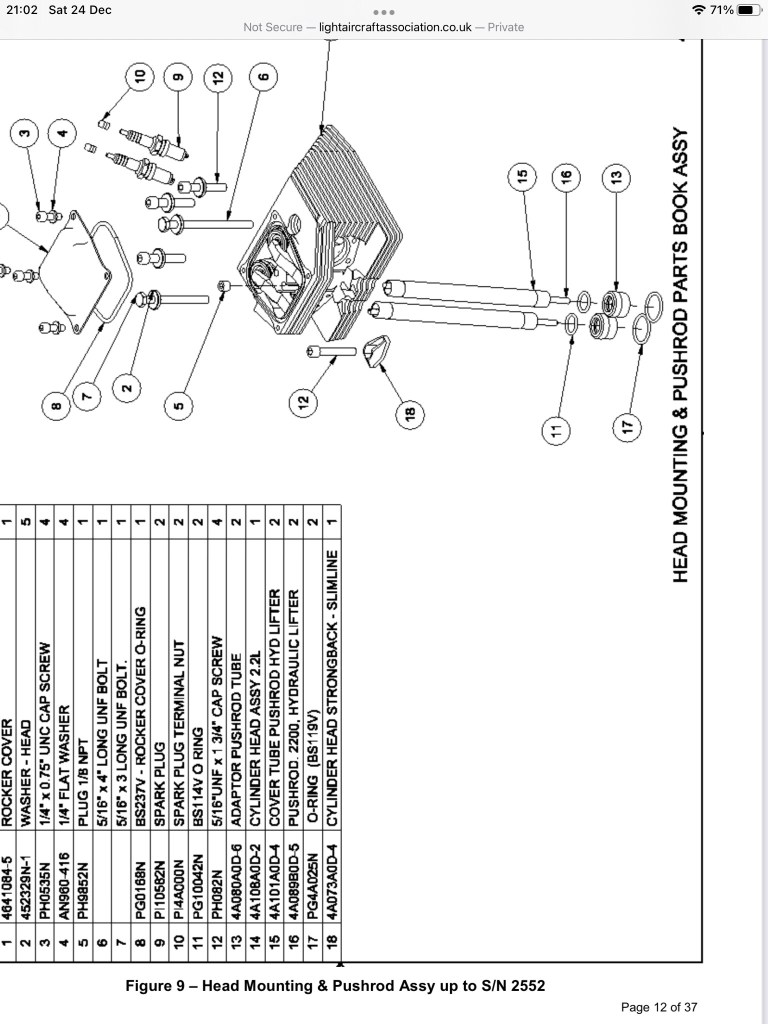
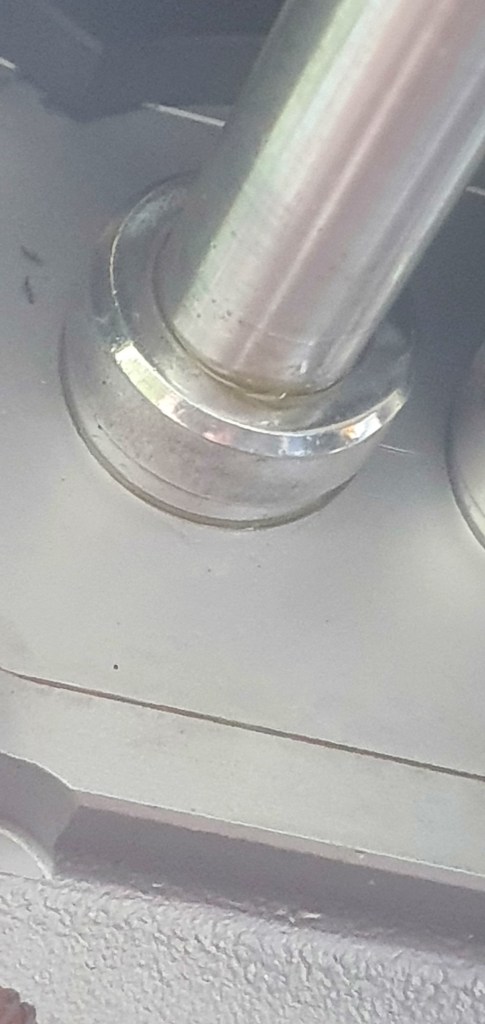
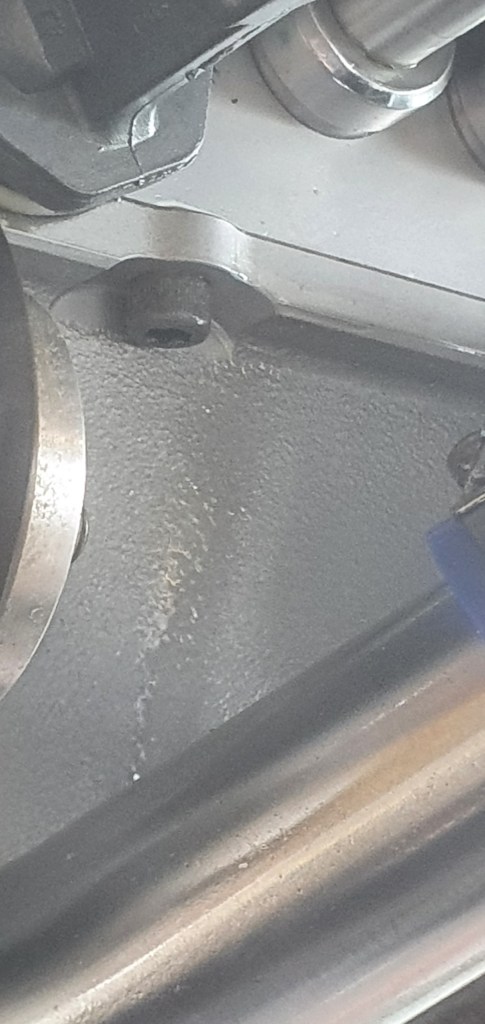
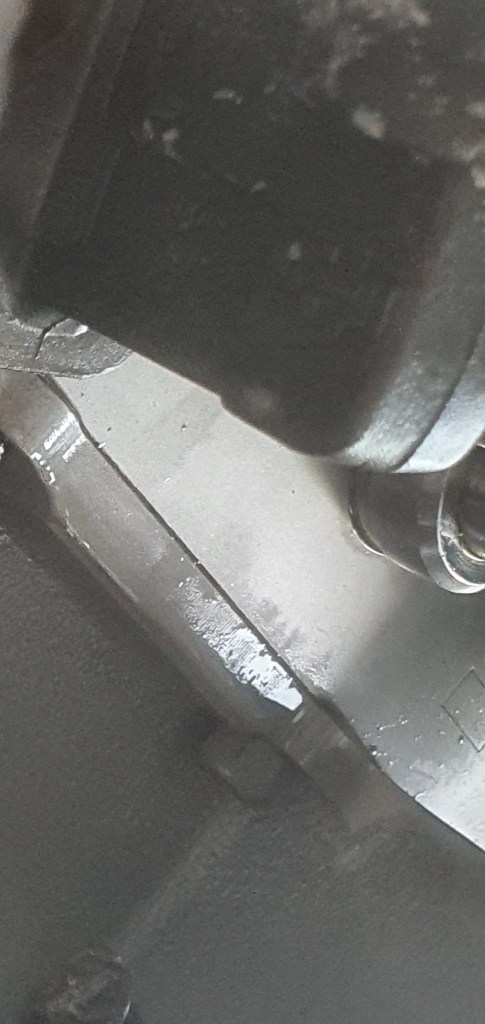
3 of the 4 cylinders are showing signs of oil smears and even drips starting at the base of the push rod guide tubes .. on checking the Jabiru maintenance manual these have a double line of rubbers as they locate into the block .. rubbers 11 and 17 in the diagram below as it exits part 13 .. the adaptor

I have noticed how much colder it is living up in the winter wilds of Norfolk … and the engine doesn’t burst into life as rapidly as she used to … ok it’s still within say 6-8 revolutions … but used to be 1st or 2nd
Ok .. it has been really cold … but this coupled with reading how Jabiru engines configured in a tailwheel aircraft ..mean that at low revs and cold startups .. the oil is sitting in the rear of the sump and may not get ‘efficiently’ to all the parts that it should
In fact an Australian article went as far to say that the front rockers may not get much lube at all in the initial stages of starting and warm up
Ever, and now MORE conscious of the engine (following the rebuild), I’m keen to be aware of more than I was before and so invested in a heater I saw on Machine Mart to allow pre warming of her in these cold cold months
You know that problem .. you look at something in a picture .. expecting it to be much smaller in real life .. heater duly ordered and delivered and it’s way bigger than I’d planned ! … I’d planned to make a neat little hanger and cowl to hook on the prop and direct nice warm air directly to the sump base and fins.
He heater is about 15” diameter and pretty chunky ! Great for warming me whilst I do the rocker cover removals but not quite petite enough for the ‘hang and blow’ design … will resort to plan B .. the Oratex heat gun in a cradle and running low speed
Anyway – following long discussion with my engine specialist .. we have decided to block off the pre drilled rocker breather holes (these were a mod when hydraulic lifter valves were in use)
I’ve moved from hydraulic to solid lifter … so one suspects you probably need to reverse the mod ! And… after 4 shortish flights … that’s what I’m doing …. Stop spraying oil and electrics with oil over the bulkhead !
The small grub screws were provided and the special Loctite Si gasket cement ordered and then warm the hangar up .. degrease everything and apply and screw in place
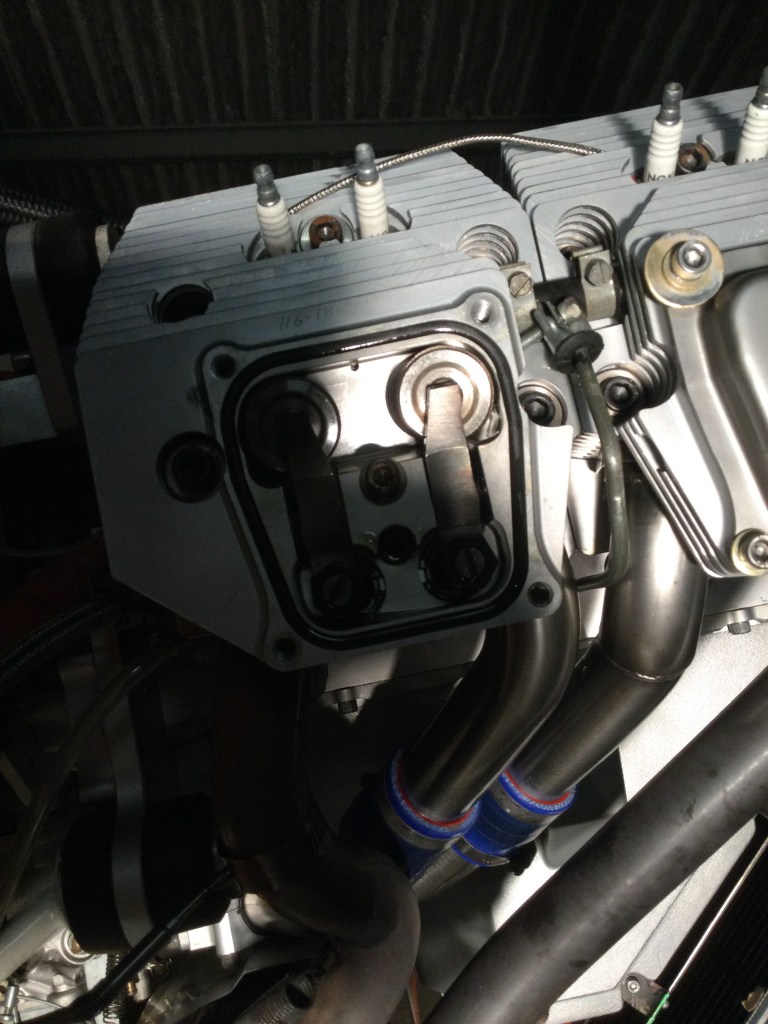
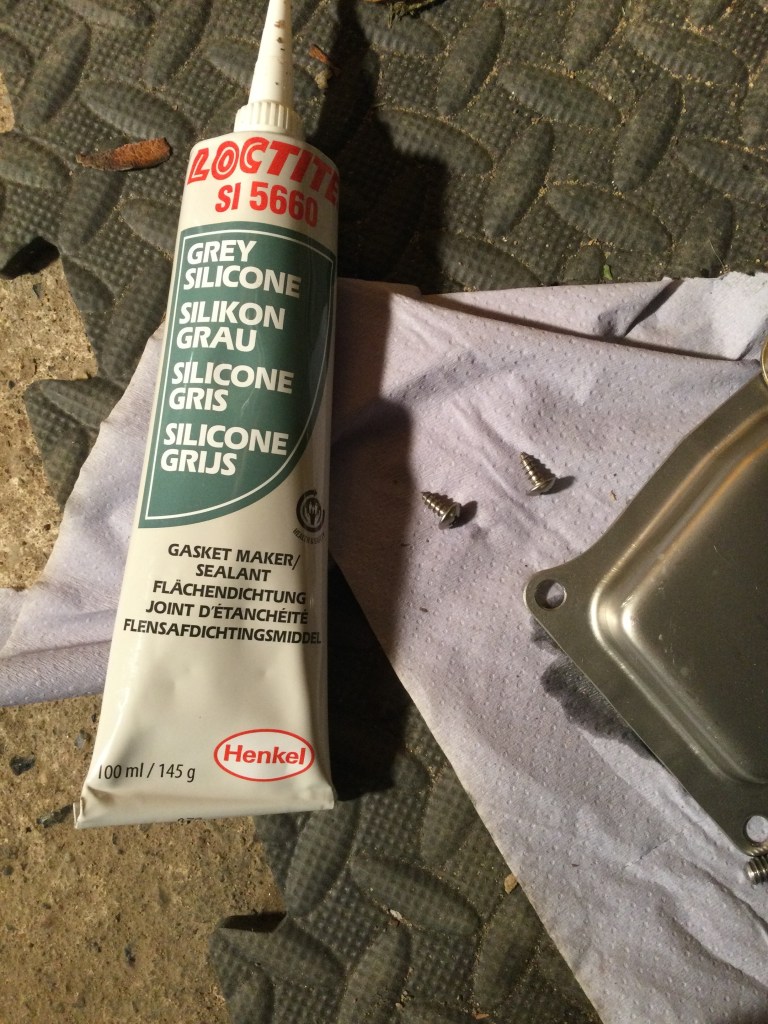
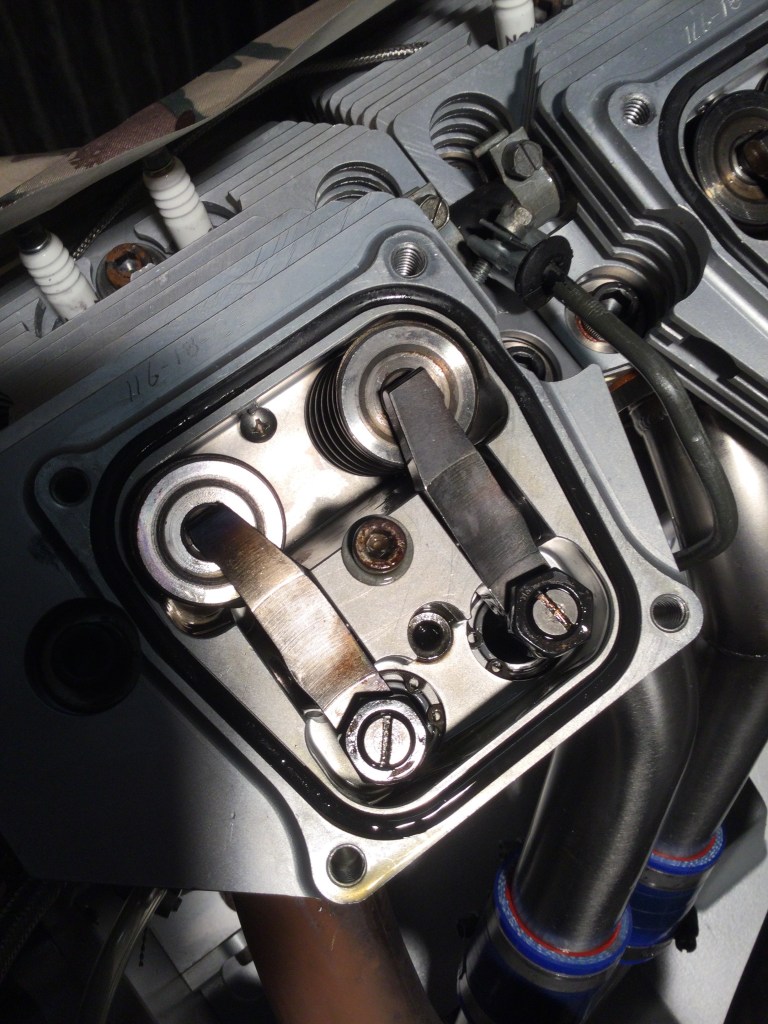
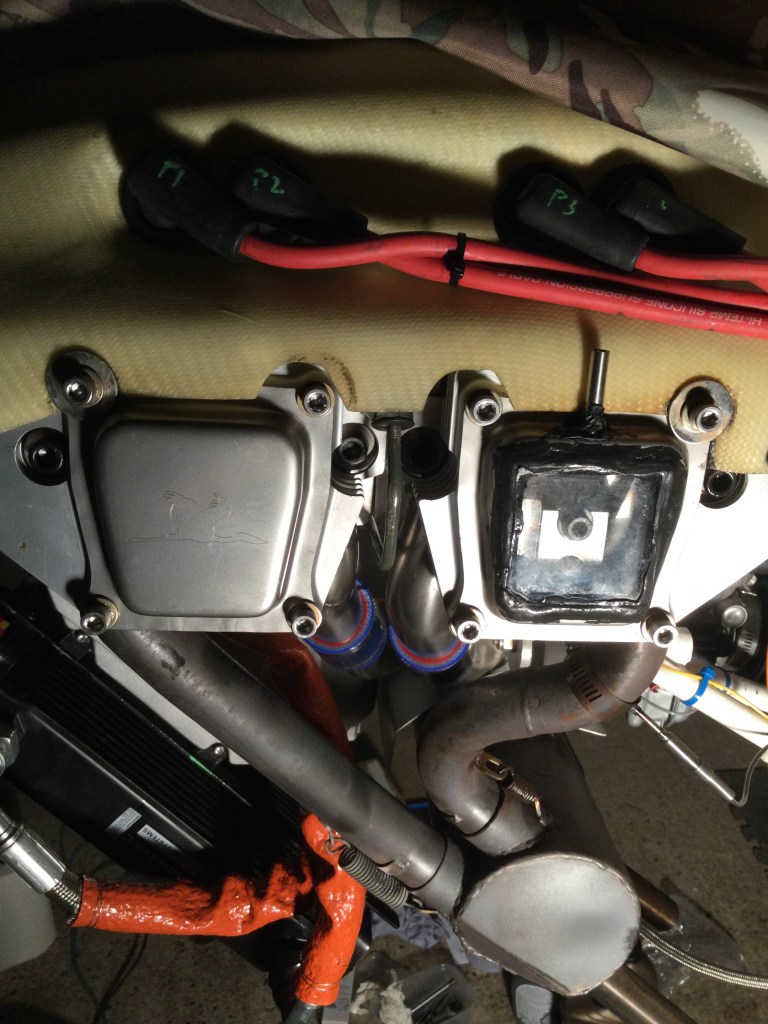
The useful see through rocker cover will let us run it and see exactly what the oil is doing inside the cover …it’s good to make sure they are getting fully lubed and the return flow …not under pressure, goes back down the pushrod guide tubes into the sump.
Will .. my middle son,who is frustratingly waiting for a combination of aircraft and weather window to complete his qualifying cross country suggested we get the Ranger out and pop to his training base at Beccles for breakfast.
2 pax and full fuel does take her close to limits and the grass was pretty wet at Priory but the base is also pretty firm … even though it was pretty cold and damp he engine warm up was fairly quick .. to 50’ oil temp ….so backtrack to take the 19 southerly take off and then head for the Suffolk coast
Beccles asked for us to extend the landing and miss the grass as pretty waterlogged .. touching down on the tarmac … still need to practice turnarounds by unloading the tail and blipping throttle
Great welcome by super friendly team at Beccles and free coffee as flown in ..
Keeping an eye on Parachute Caravan and canopy drops before getting the “all canopies down” clearance … then Caravan out straight away and we have around 15 mins to get out and off before they drop again and circuit and departing have to wait … seems to work …
Not the Don Henley Eagles version … but an evening in the hangar .. sun long down … and a few things to do …
expect to get one , maybe two done … but … to come away with ALL done … great 😊
Now the permit is done … time to clean, tidy and get this little niggly things worked on …
2 more mini screen bolts to drill out and fit … Done
2nd inspection ring under port lower wing needs the proper ‘layered’ inspection sandwich of material with plastic ring in between… the existing hole is one of two in a section between root and first rib. So patching over, with an oversized panel may not easily take … and leave the rest of the panel … some 50cm x 60cm slack
The freshly cut ring, pre glued took really well the the fresh glue around the outer ring of the old inspection hole. As it was so cold in the barn the heat soon dissipated meaning I could lightly shrink it … beautifully tight .. so ready for the next layer of glue to be applied ready to seal in the inspection ring.
Then, my ongoing intermittent click in the radio … whilst working on he engine reinstall, I realised I had BOTH mag leads running almost parallel to 3 dedicated direct earth leads (secured to the engine block) .. one of which is probably the dedicated earth for the Trig radio and Transponder
The slight irony … is that retracing these mag leads … they end up running down an engine mount tube and then end up going vertically up the bulkhead and into a dedicated blue loom … So when I installed I obviously wanted these to stand out and BE separate.
It may makes things better … now diverse routed … but good to continue neatening the general wiring and routing

Doing something different to the day job ….
Having spent a few days on Teams and QA bits and automation it’s the time to get out and do a full Test Flight Schedule … a 14 page document to be completed for the authorities after any ‘significant’ work … an engine refurbishment is classed as ‘significant’ …
so it’s powered, timed climbs, logging pressures and engine and exhaust temperatures and climb rates …
stalls .. ie basically closing the throttle and waiting for it to slow right down and stop flying ..3 of those …
then dive at full speed … then pull out (ideallly) … and put her sideways with crossed controls then let go of the aileron … do that both ways and log what happens … then setup for landing and put full power and climb away and then down to land
Now try all of that with a biro in your mouth whilst noting the facts and figures and effects … in an open cockpit …
All in a (exciting) days work 😊
Admission … flying takes a chunk of your brainpower as you focus on the various normal tasks …. Now add the slight overload of a flight test .. which raises the stakes a little …ie you have done ‘bits’ that, by their nature, need testing …. Then add the capture of all those measures like oil temp and press … CHT 1 and 2 and EGT 1 and 2 .. and ASI .. and cloud base of the extended climb … and lookout …. And omitted one thing …..
..so, was that Tibenham below … oops no … it’s Old Buckenham …. The drift at 3,500 was appreciably more than I’d planned … they probably wondered who his loon was stalling and diving and turning around !
One of the ‘new’ post flight jobs I’ve got to get used to now in the U.K. … is wiping the muddy bottom post landing 😊 a nice job ..after a lovely curving approach down to Priory grass ..
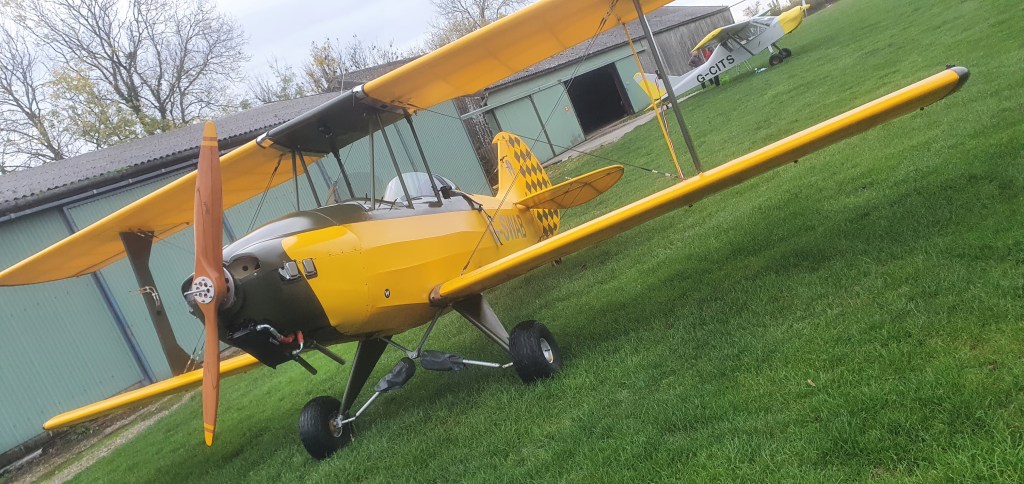
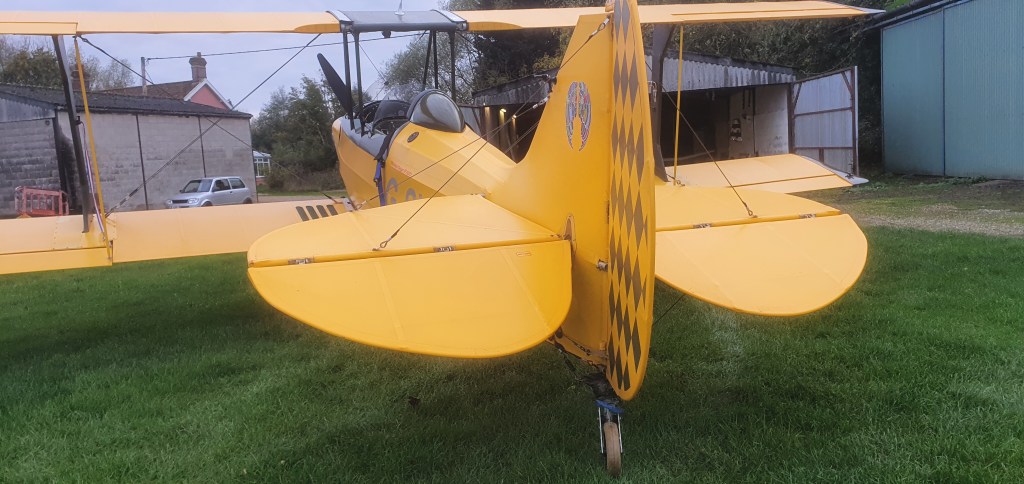
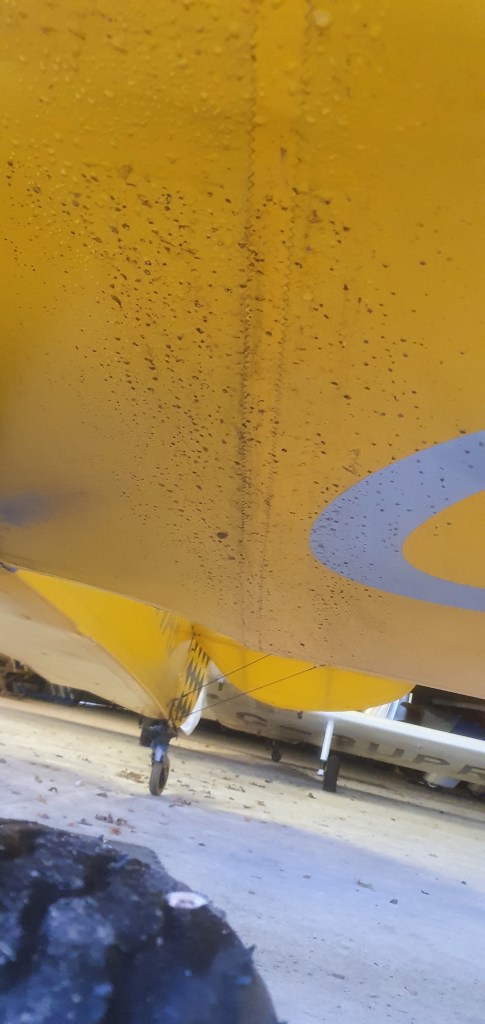

Loads of strip lights in the barn make it very easy to get the old oil filter off and a new one part filled and tightened up against the TOCA unit.
Then don’t forget to wire lock the drain plug and tie off
Then remove the 8 or so very small polished hex bolts and nylocs from the front screen… the one that I very carefully cleaned with brake cleaner !
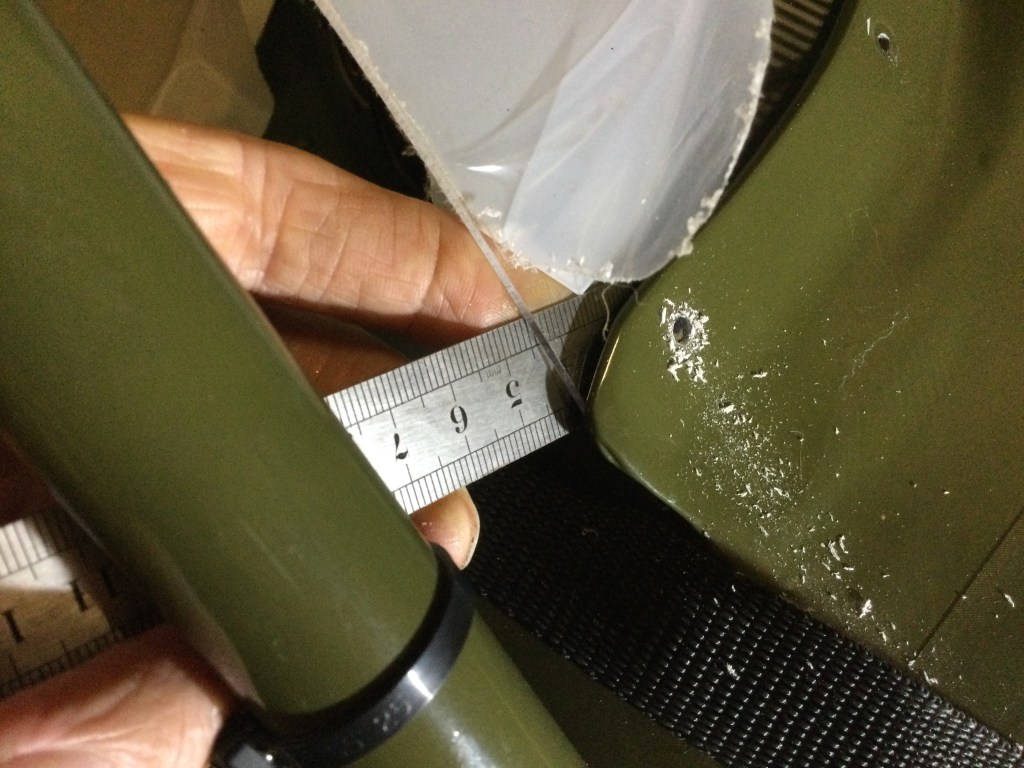
The old screen was out in around 15 minutes so a quick clean up of the area and then e move some of the protective covering on the new screen before drilling the pilot holes.
Love using clecos … such a simple and useful tool
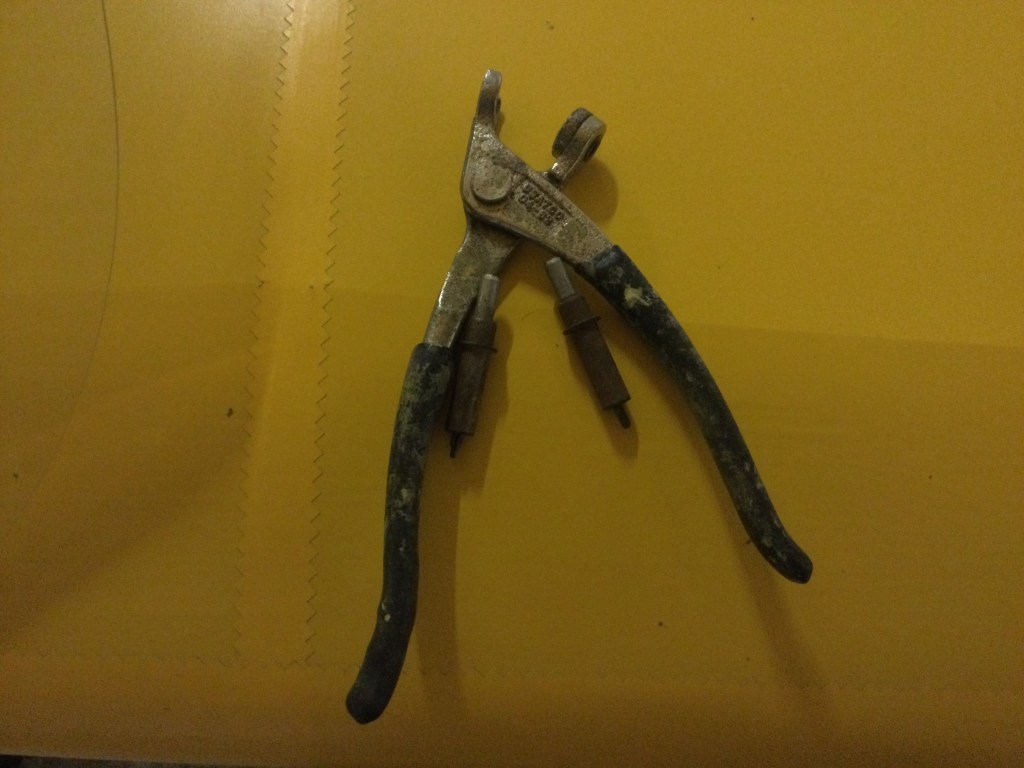
Using a narrow metal rule to prevent the drill overrun going through the cockpit coving … like it did 6 years ago ! Rookie error 😊
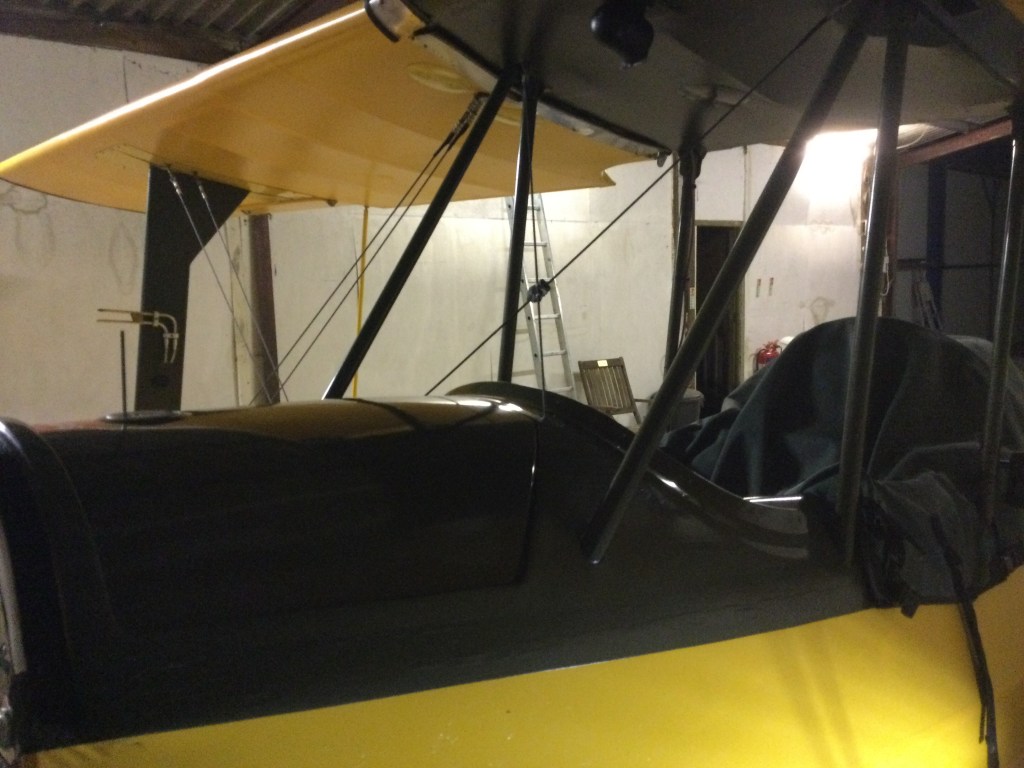
Bolts out … screen just lifts out…amazing when the new one is in … so clear it’s like nothing is there !
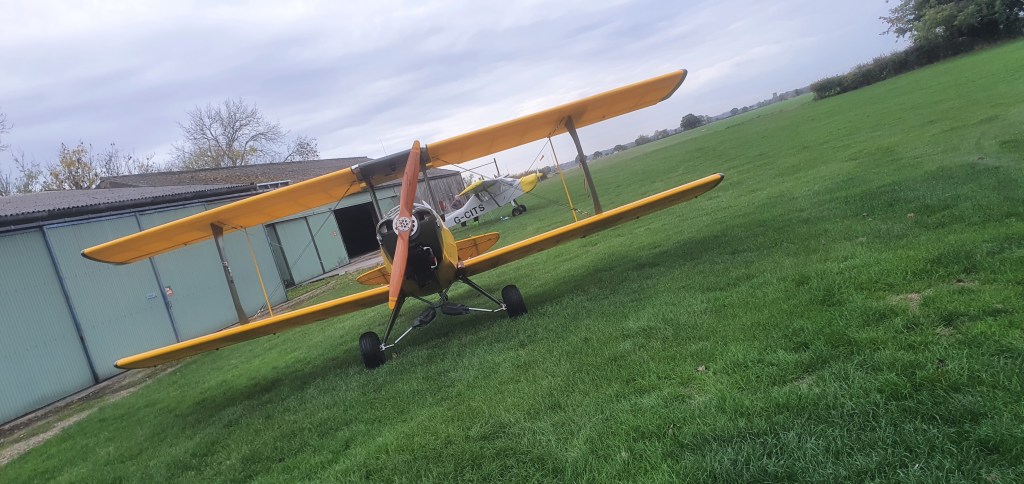
 Jersey Sherwood Ranger