Free castoring tailwheel – Considerations

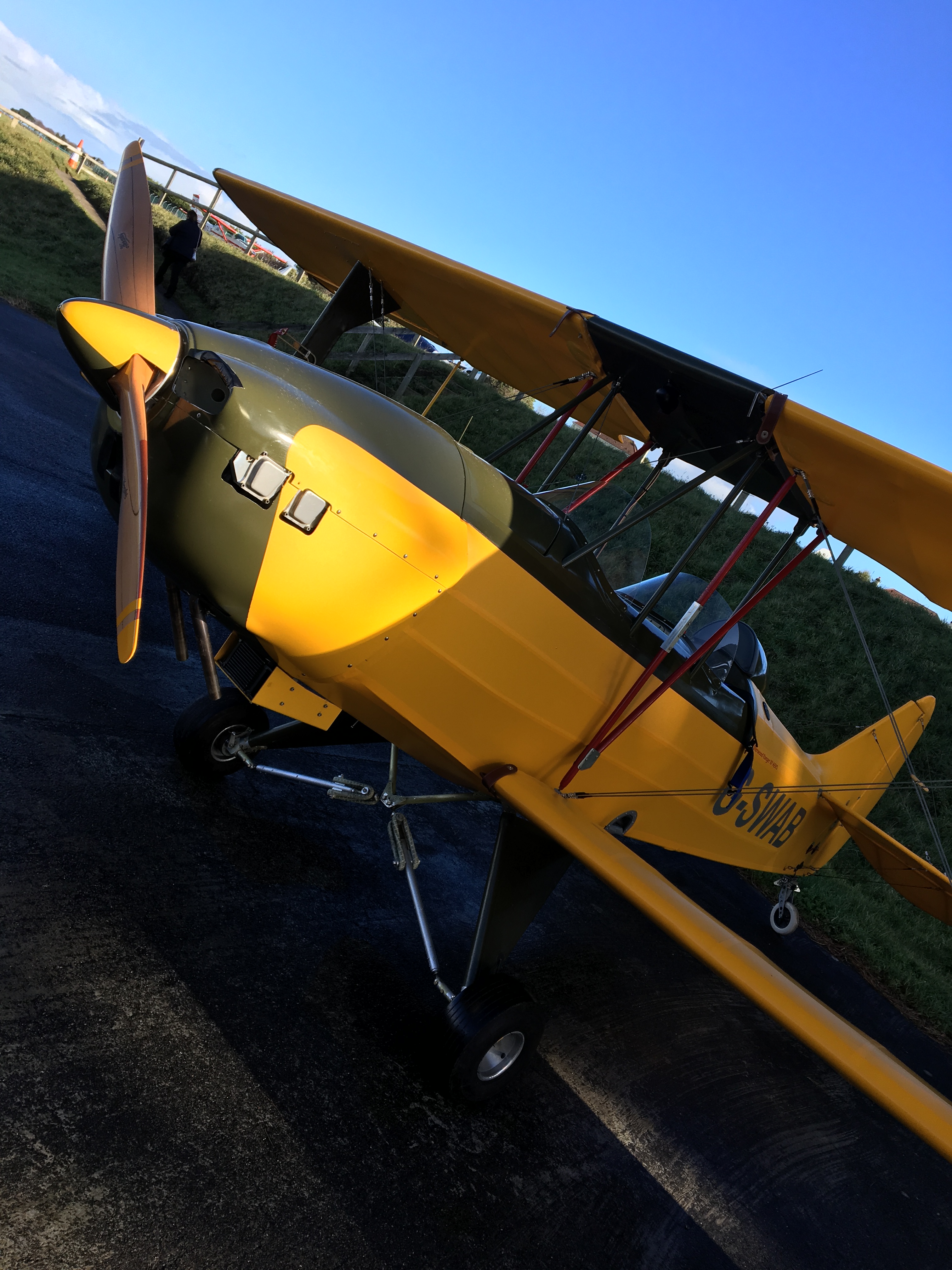
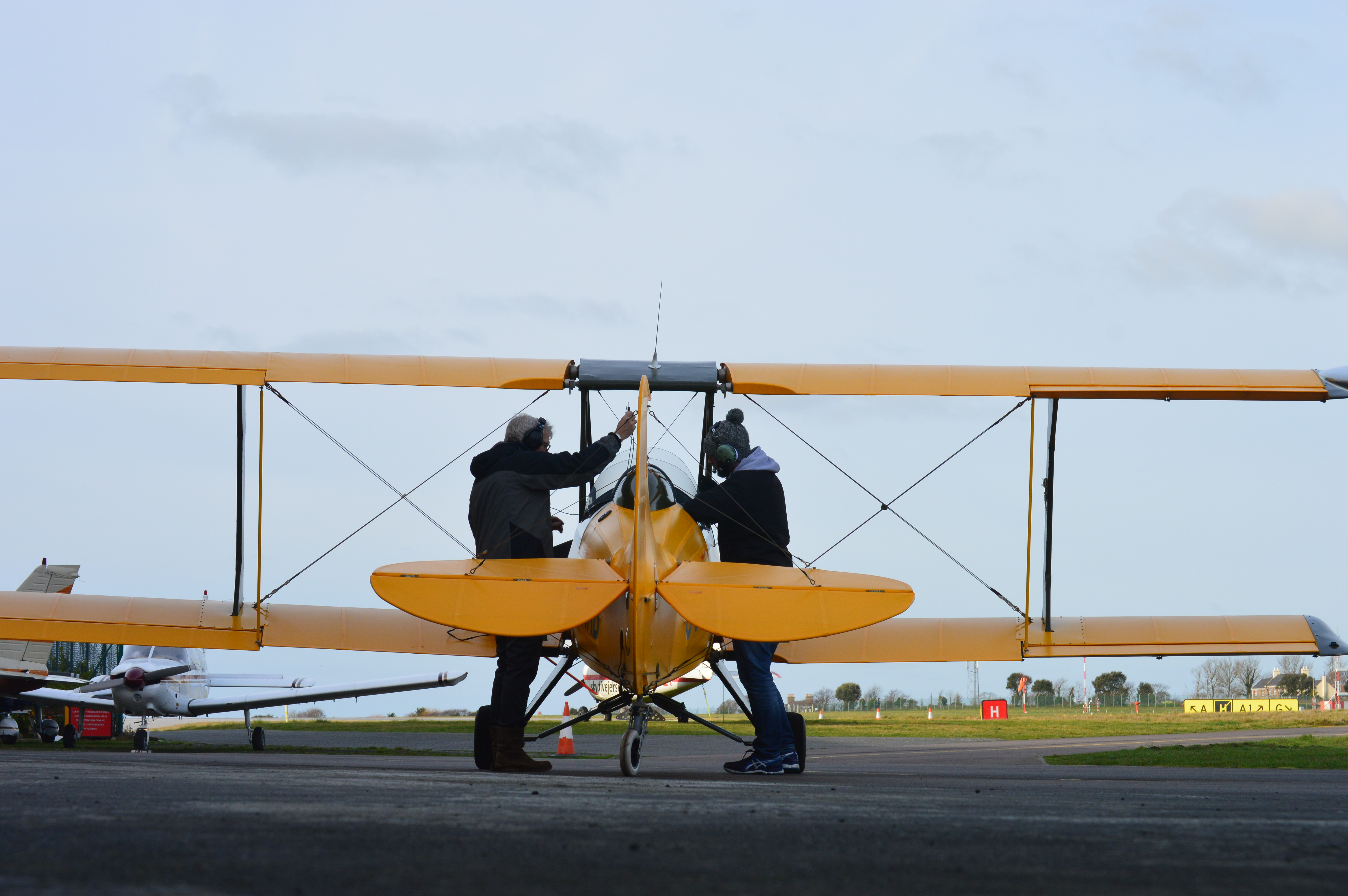
Many many months ago , when I first performed taxi testing I found I had trouble getting around some of the tighter angles in front of the hangers at Jersey.

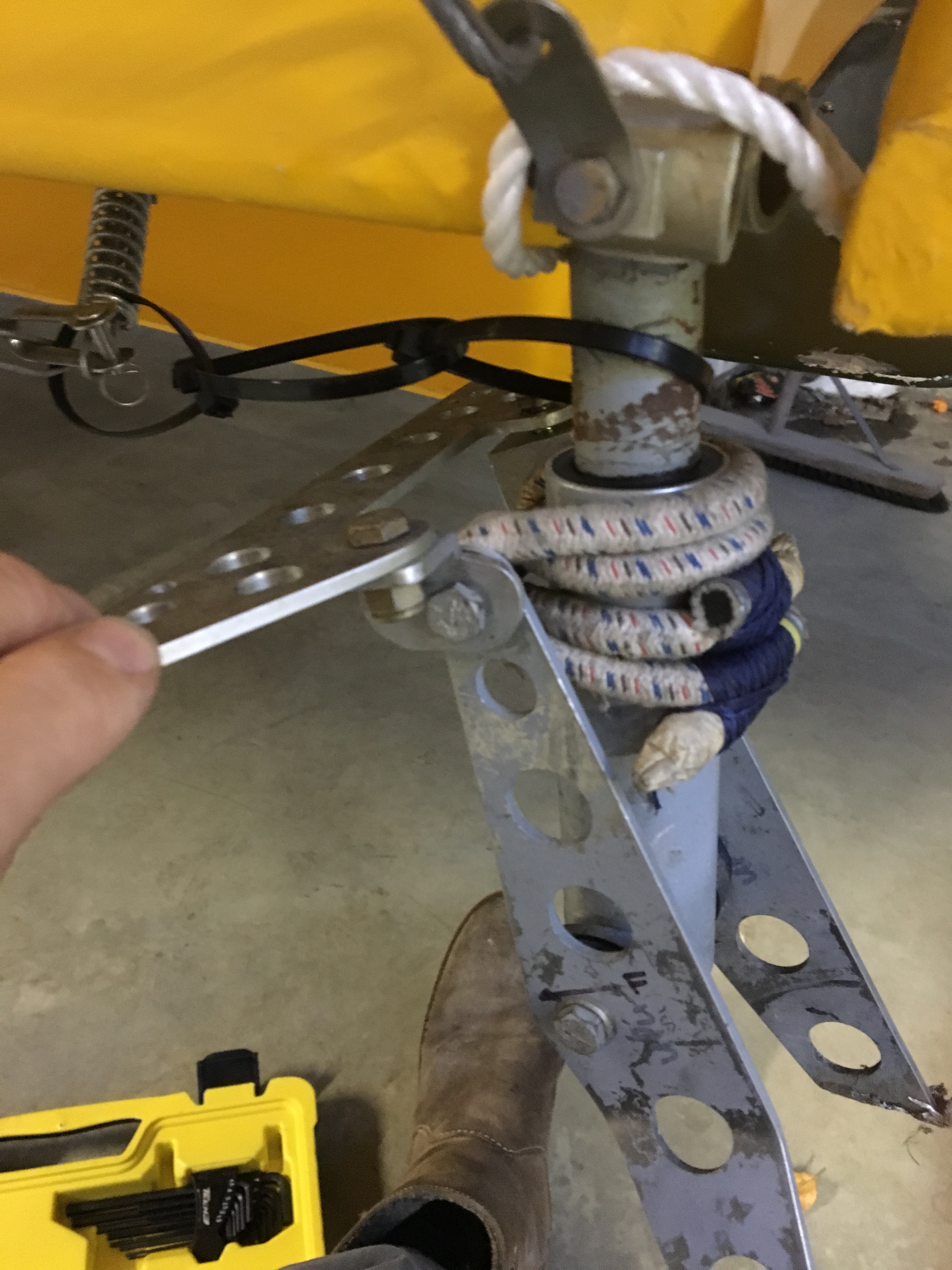
The way around this was to disconnect the steerable tailwheel and this has been absolutely fine and let me turn the aircraft on a sixpence for parking

There was one slight issue i noted ,, when looking at a go pro footage in November when I spotted that if I let the tail down super gently on landing and it touched then left the surface then it had a propensity to spin around

In November it simply snapped straight on the next touch …

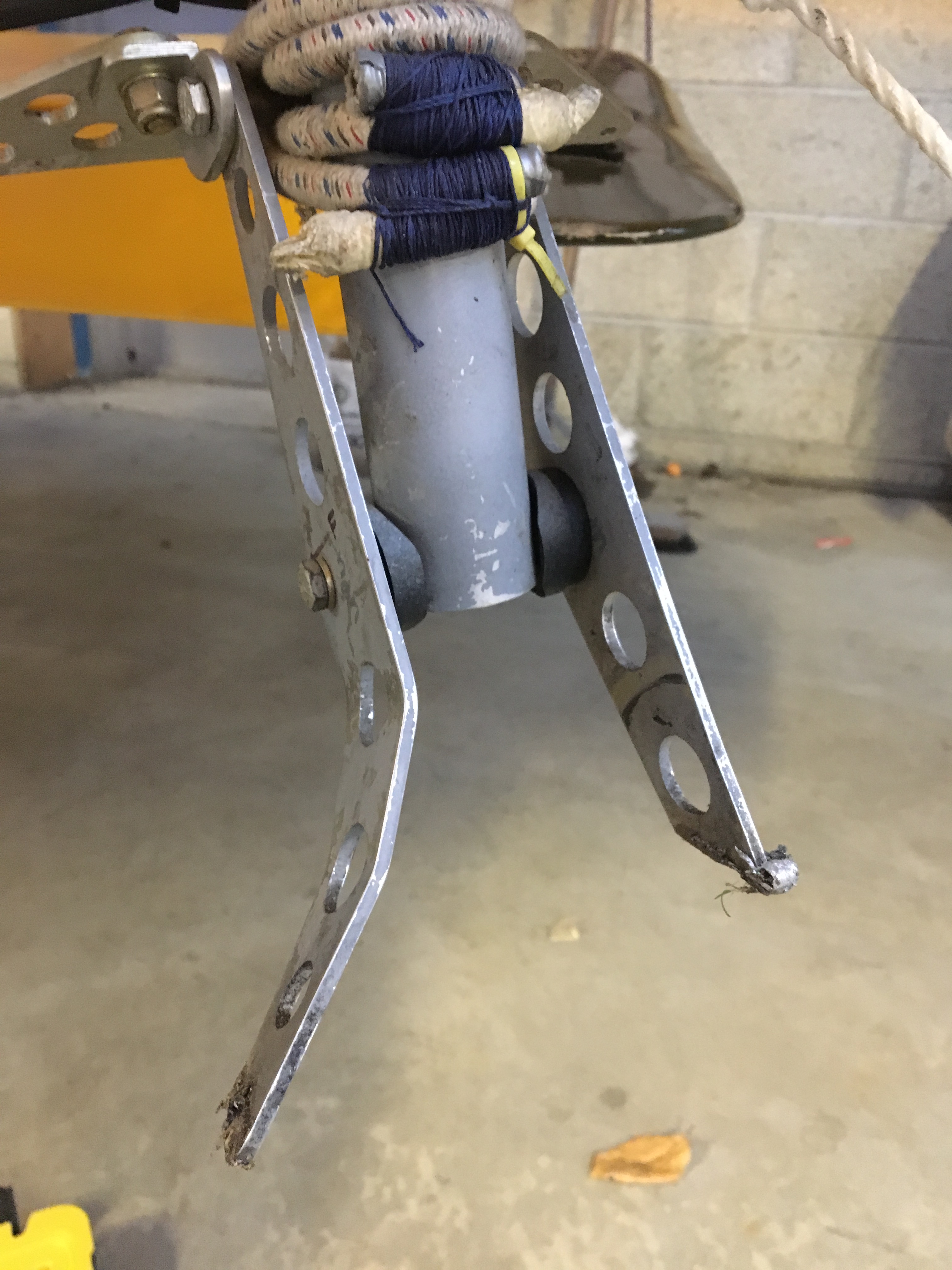
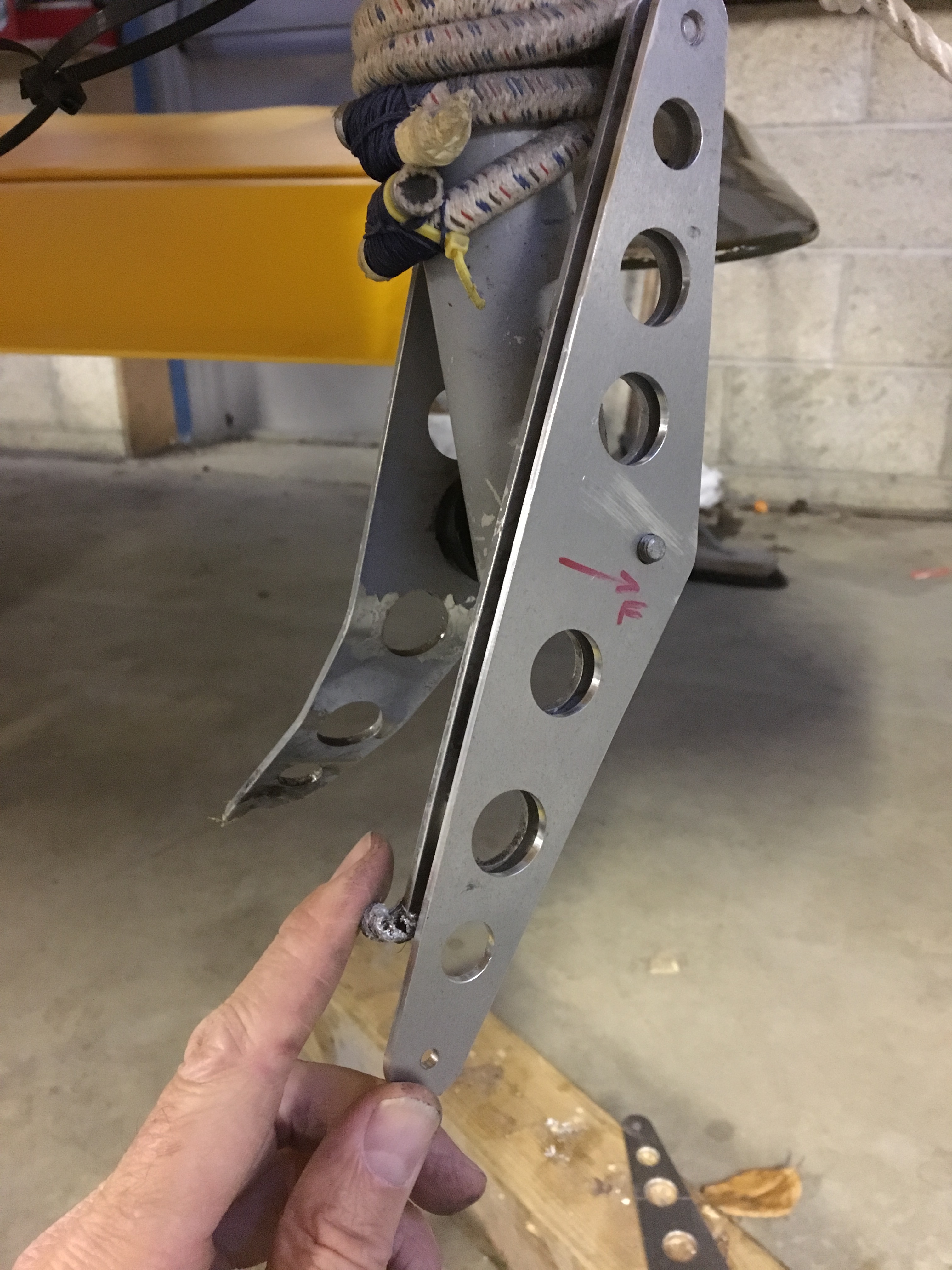
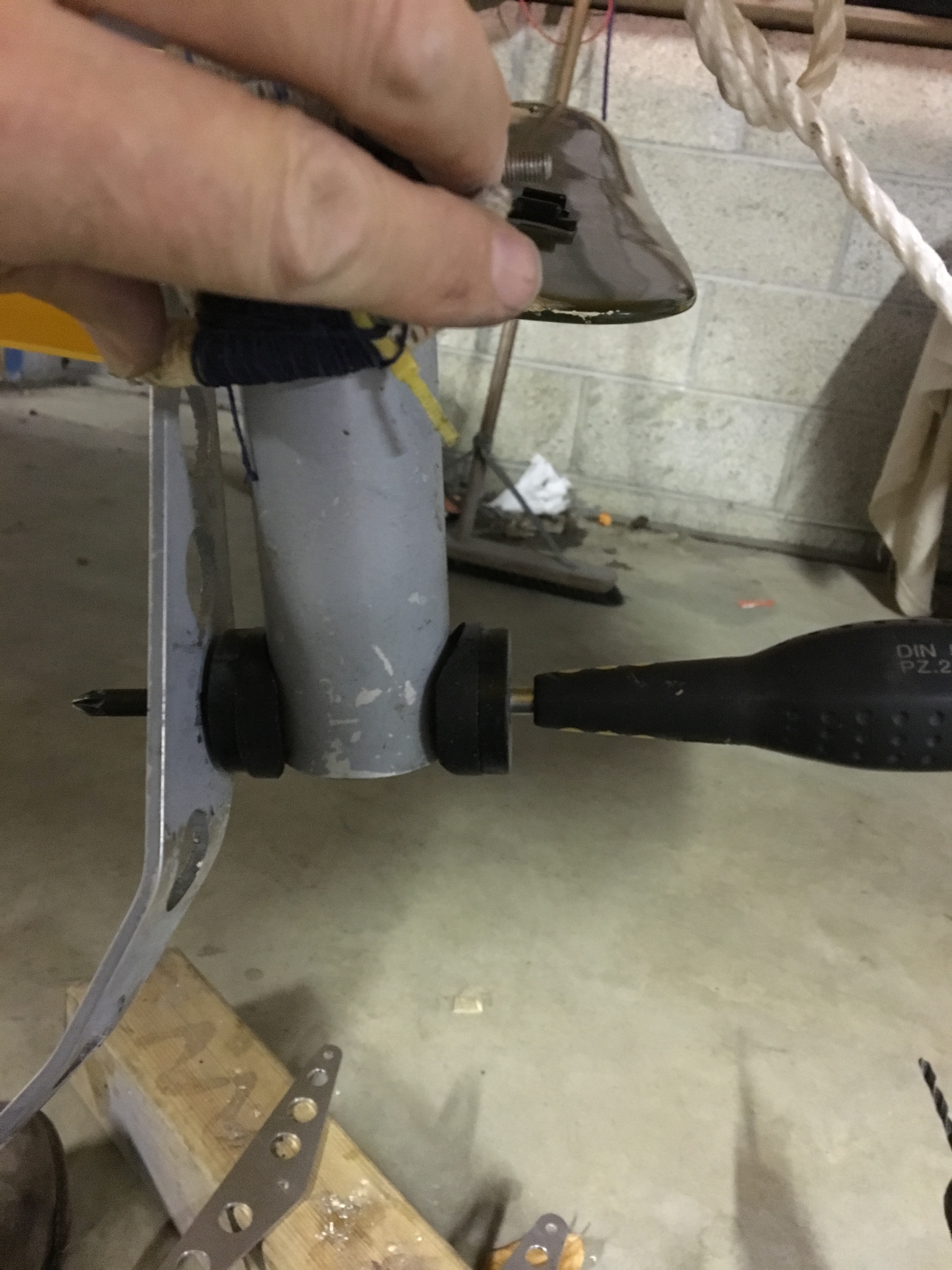
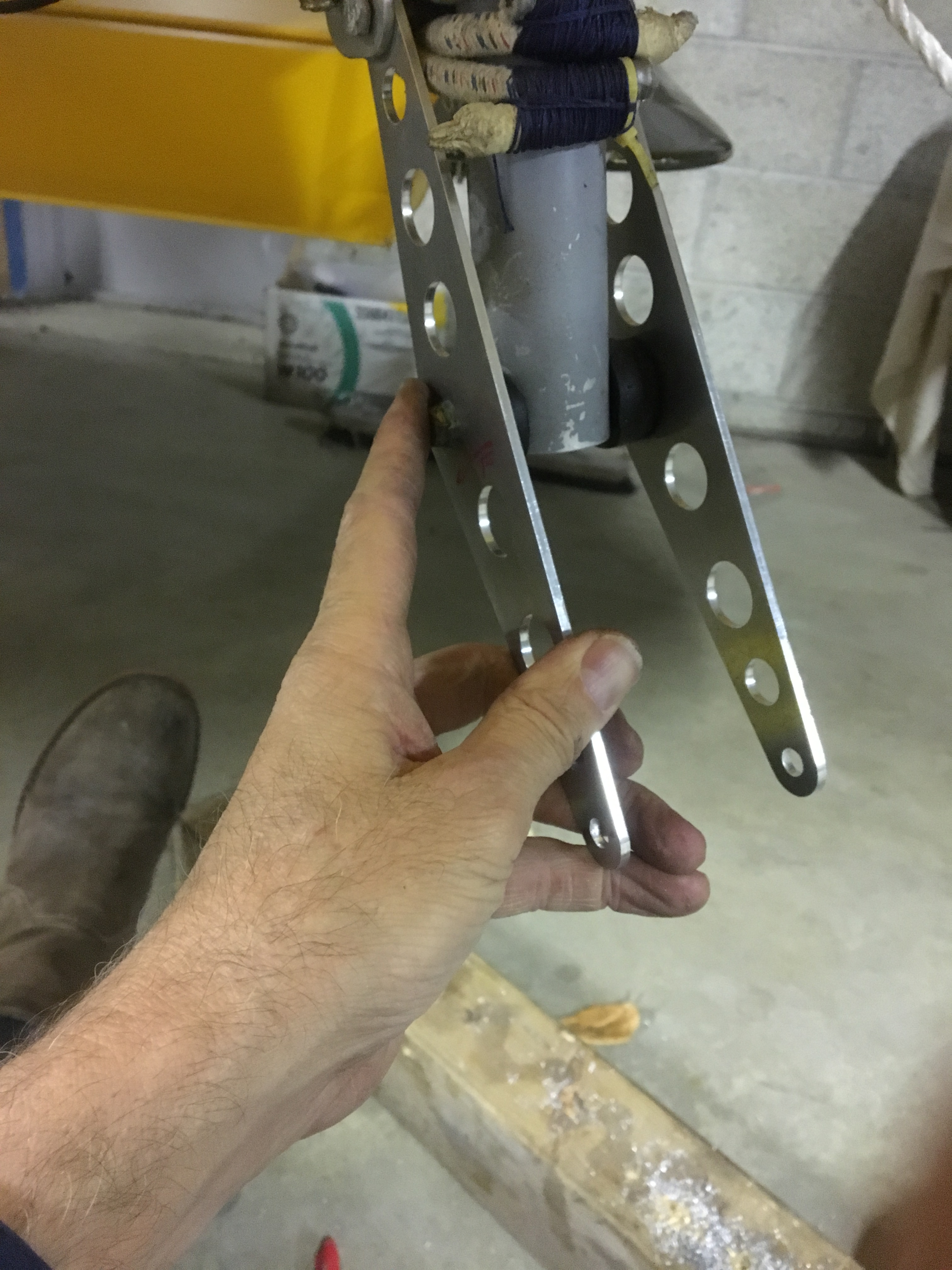
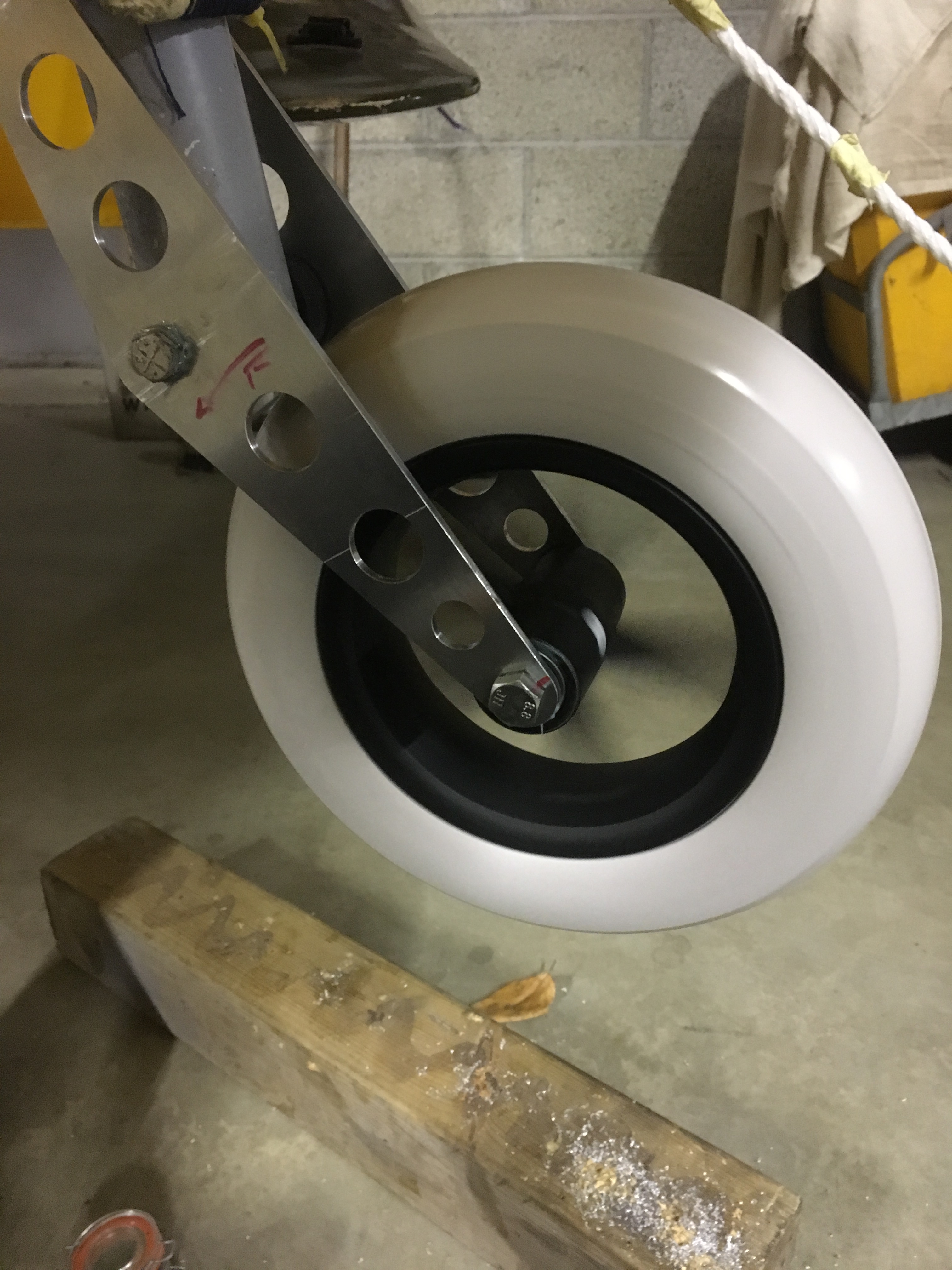
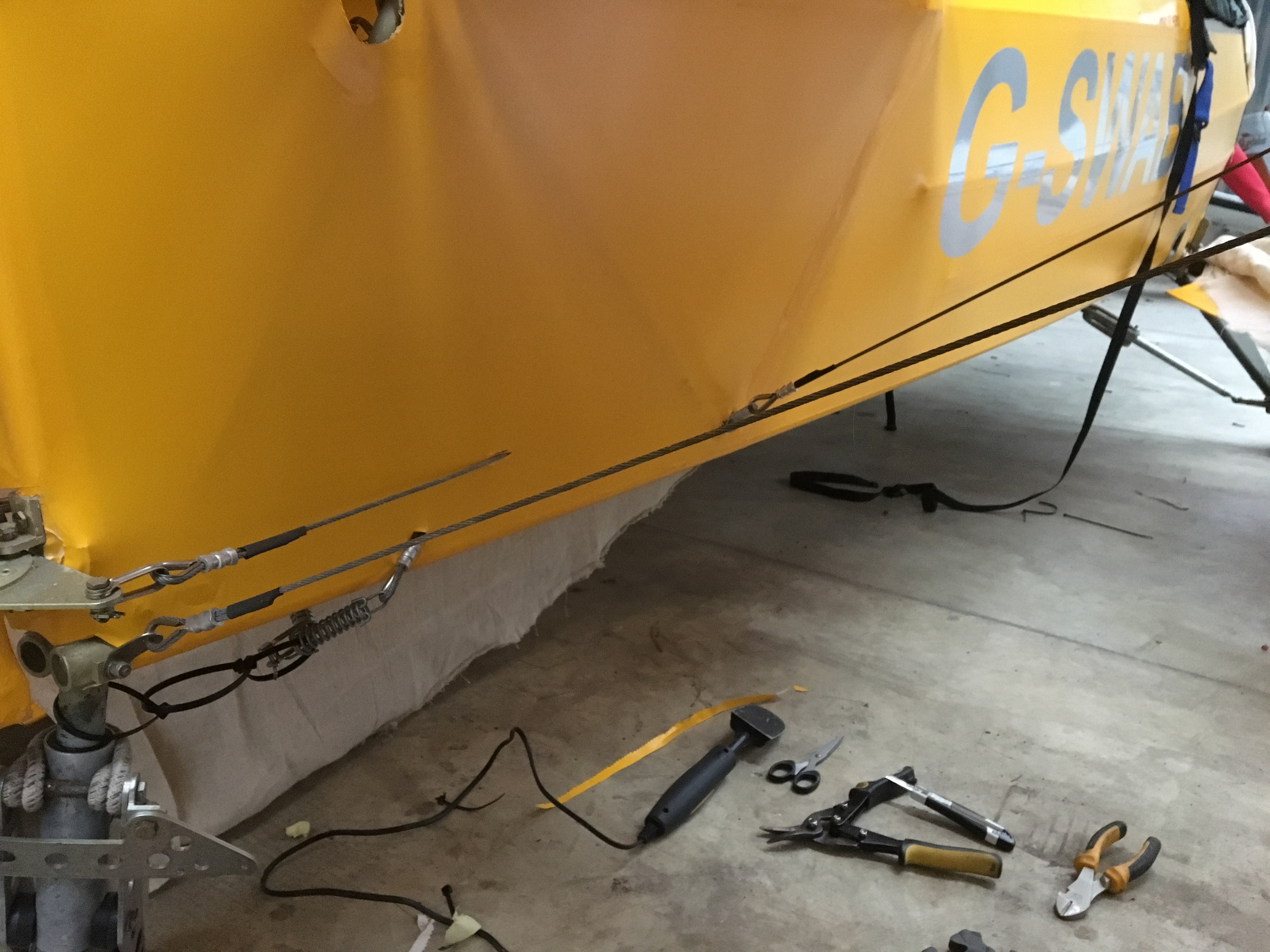
Last weekend .. it appears the same happpened  except this time .. as the tail wheel touched a second time it was at 90′ to the direction of travel

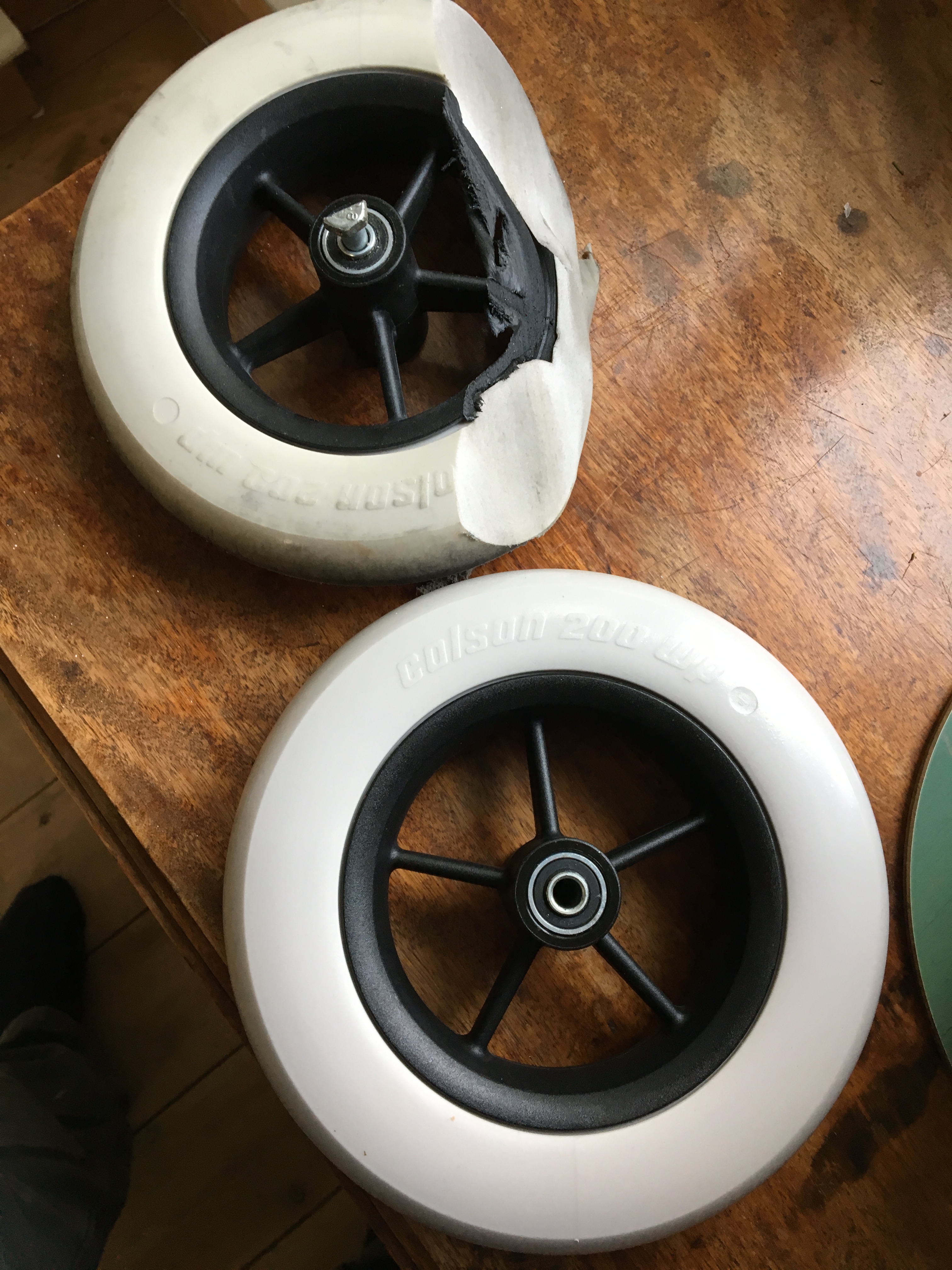
The wheel then jammed and my 1/4 mile taxying flattened the wheel at one side eventually ground through the securing bolt as I pulled  into the aeroclub

Continue reading “Free castoring tailwheel – Considerations”

Cooling update – end March – Fixed !

Finally got a break in the weather and got airborne after a few engine ground runs

This proved that there were no leaks and sure enough the temps held perfectly at below 80-88′
This now opens up the possibility of getting the rest of my LAA tests undertaken

Cooling update no 3 – March

After landing following the last hot running circuit I contacted Paul in Norfolk

Paul kindly got a couple of other builders with the same (Jabiru) engine .. Charles (UK) and Rool (Holland).

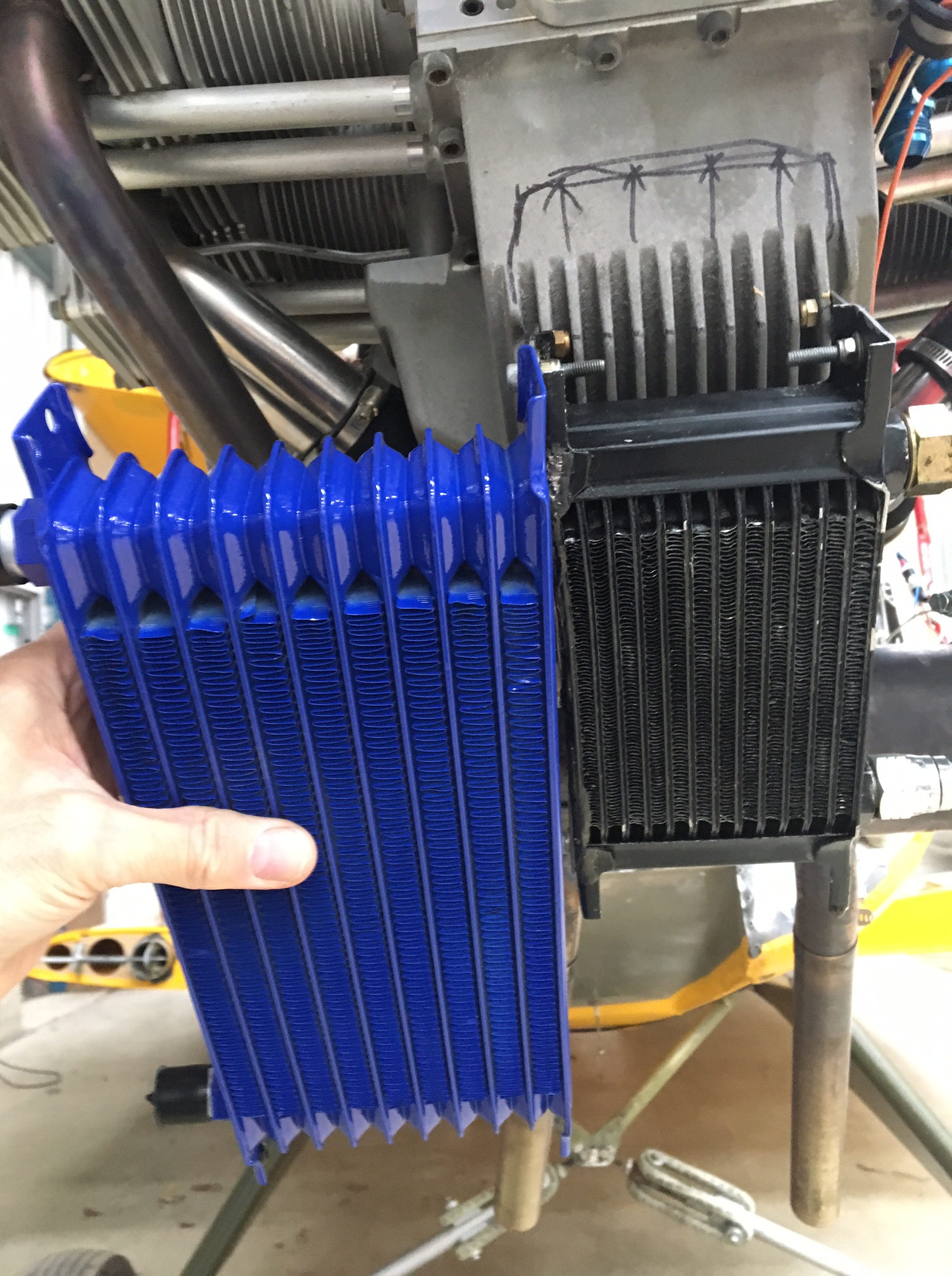
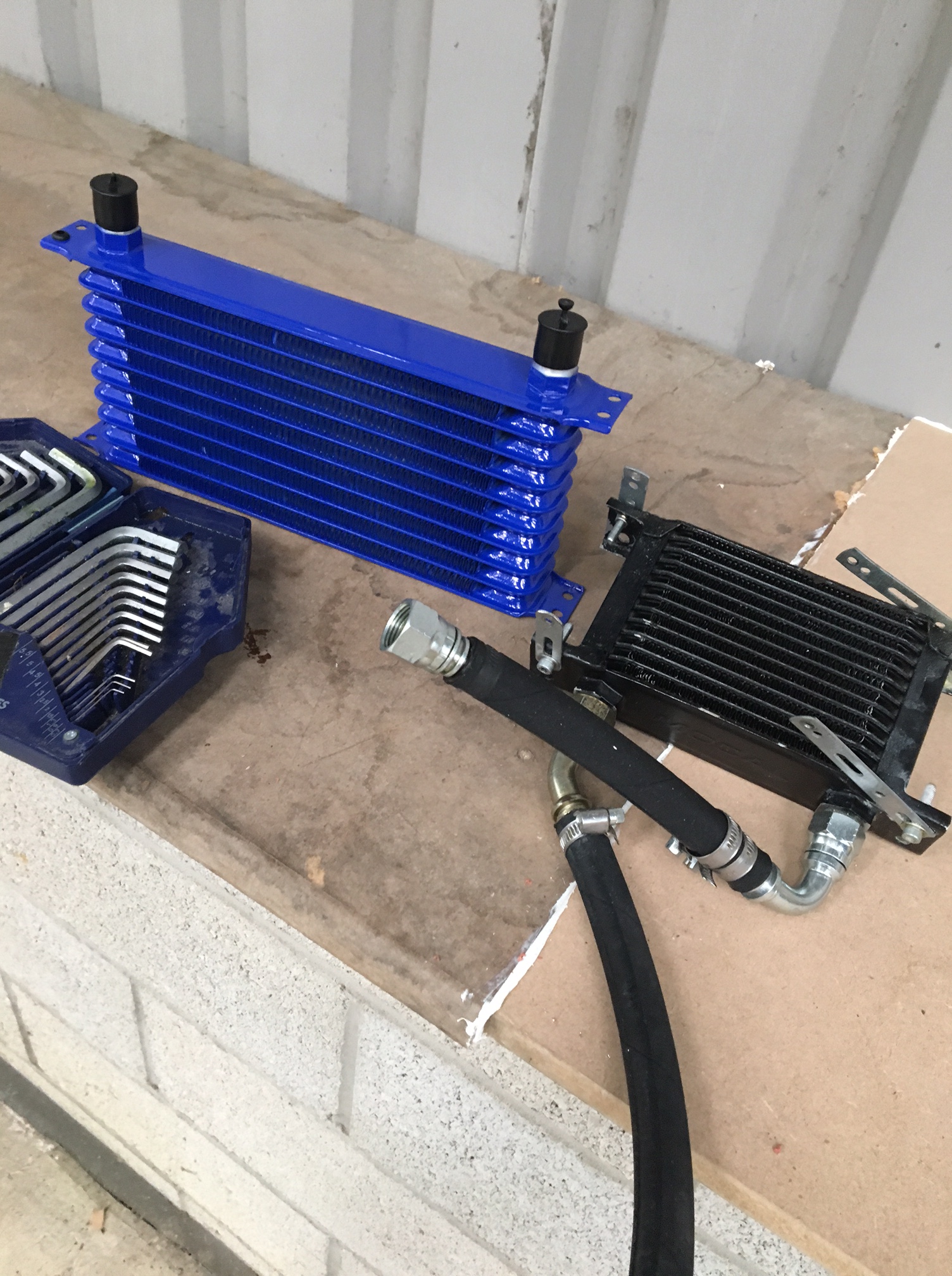
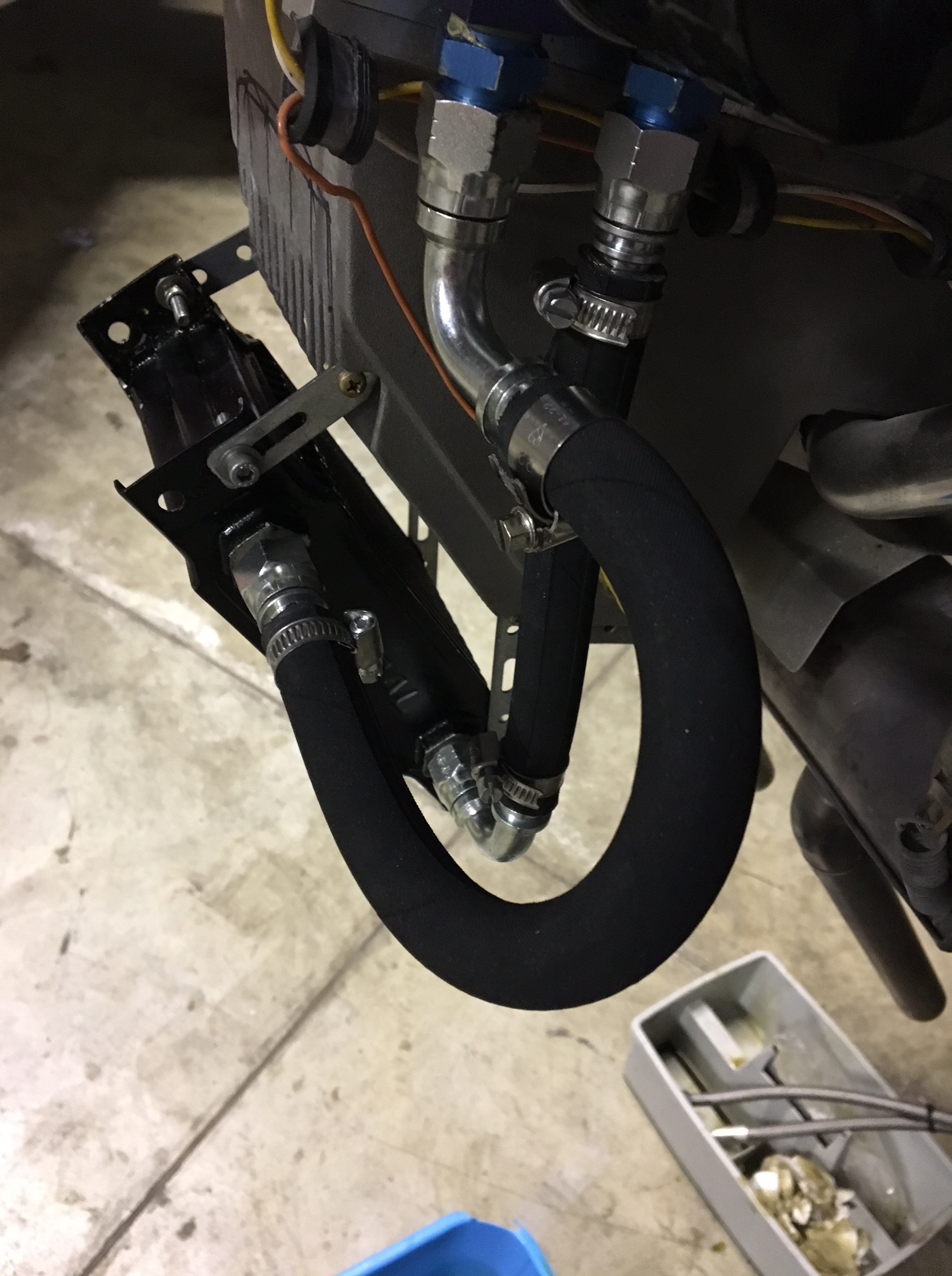
The cooler fittings looked very similar but, on checking the sizes and also getting some pictures from Danny B it was clear that my cooler size was hopelessly undersized.

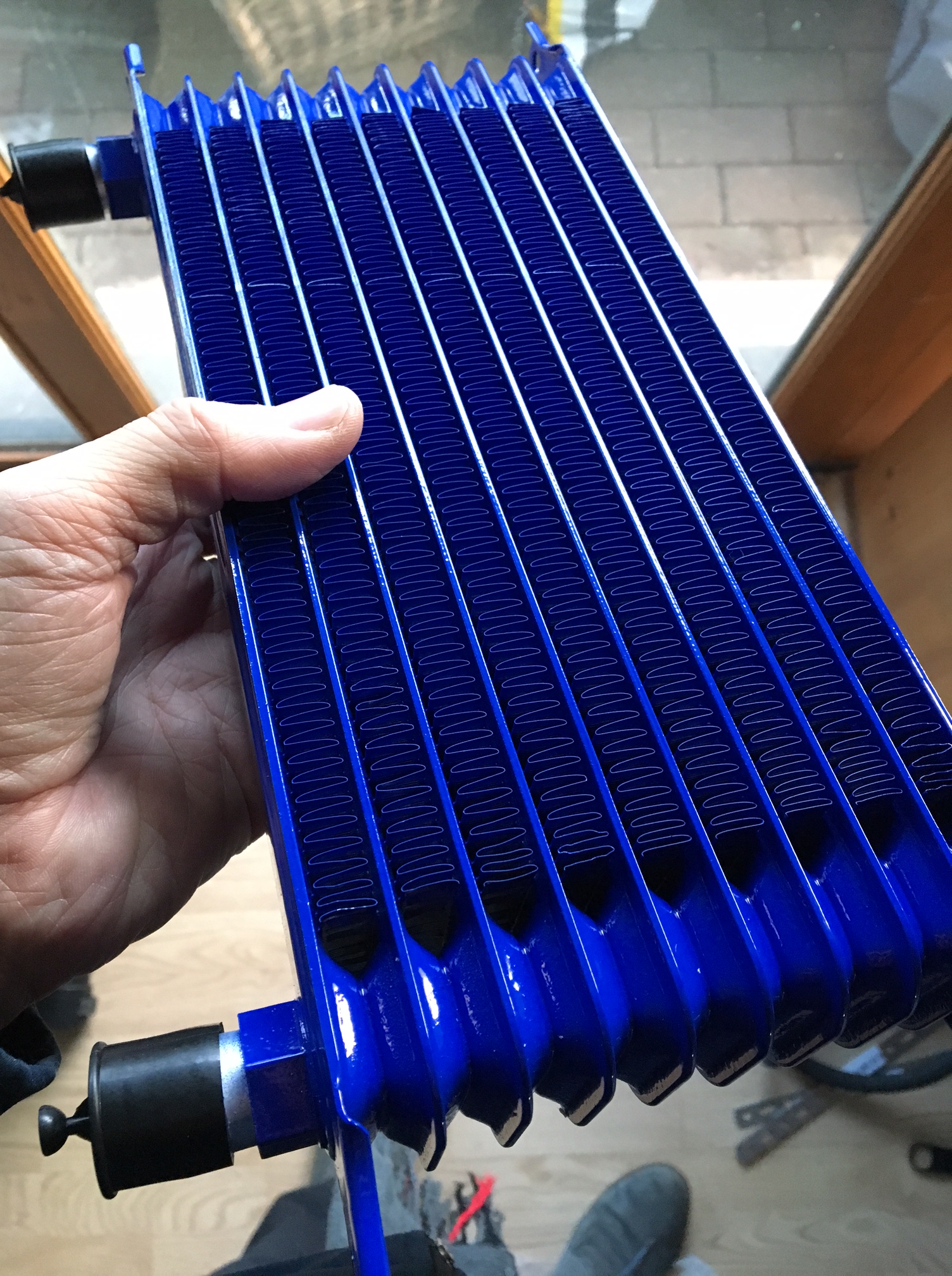
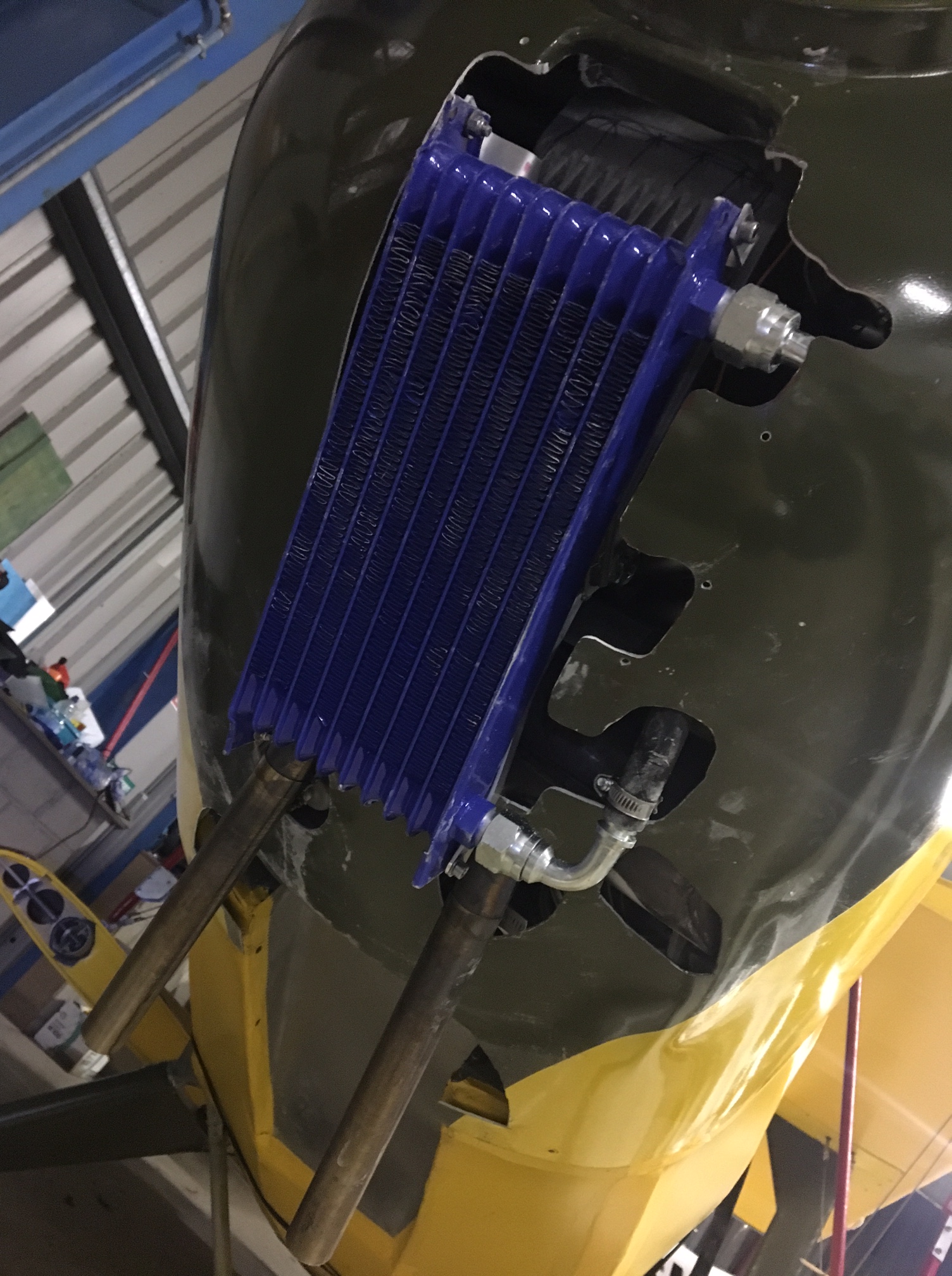
I thought back to why I had sized the cooler the way I had … It was the thought that I wanted to try to fit it into the under belly scoop … This sent me down a route that left me with an oil cooler that was nearly 4 times too small …. My surface area was around 11,000 sq mm … Danny and Rools were over 45,000 sq mm !

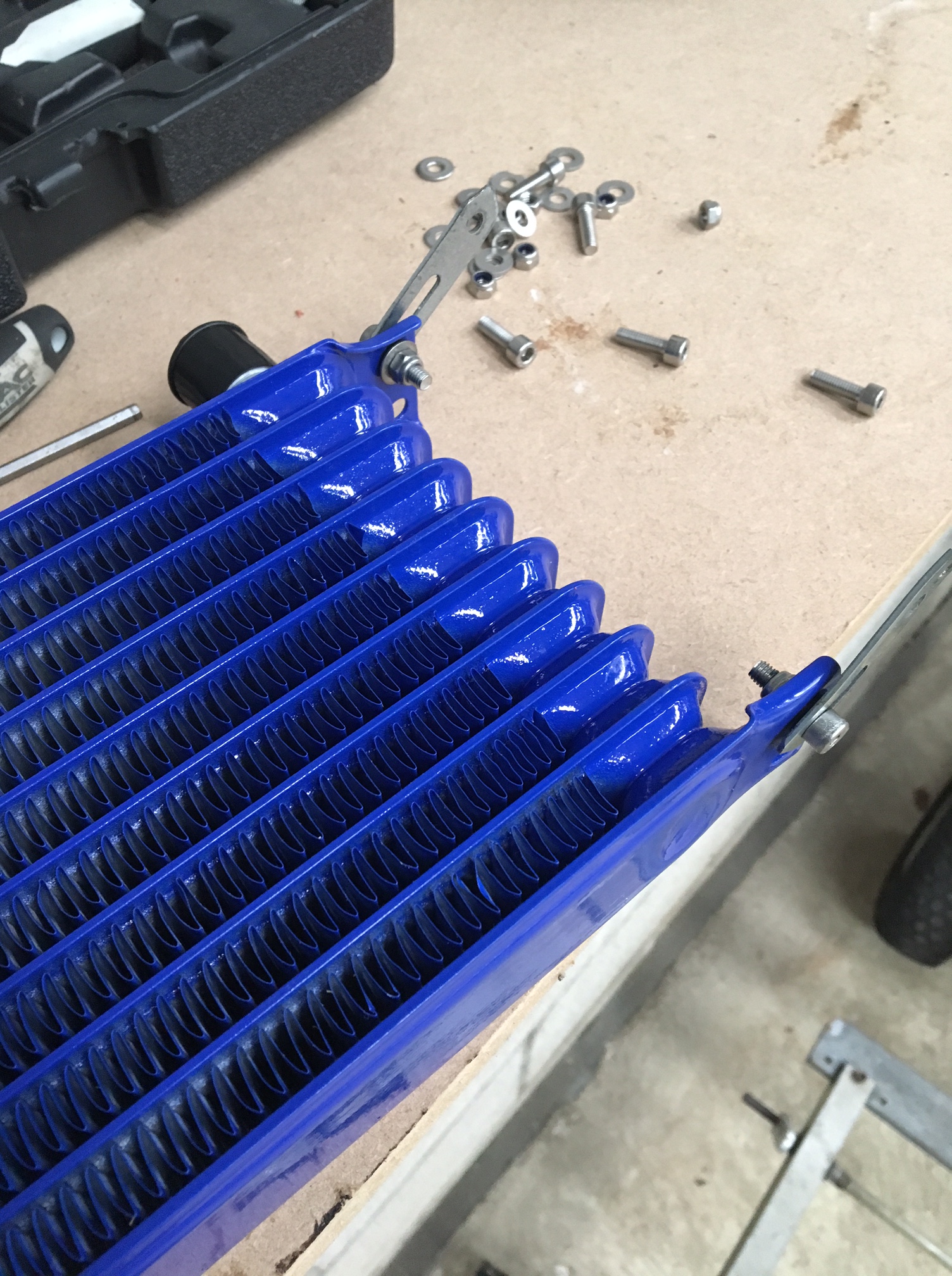
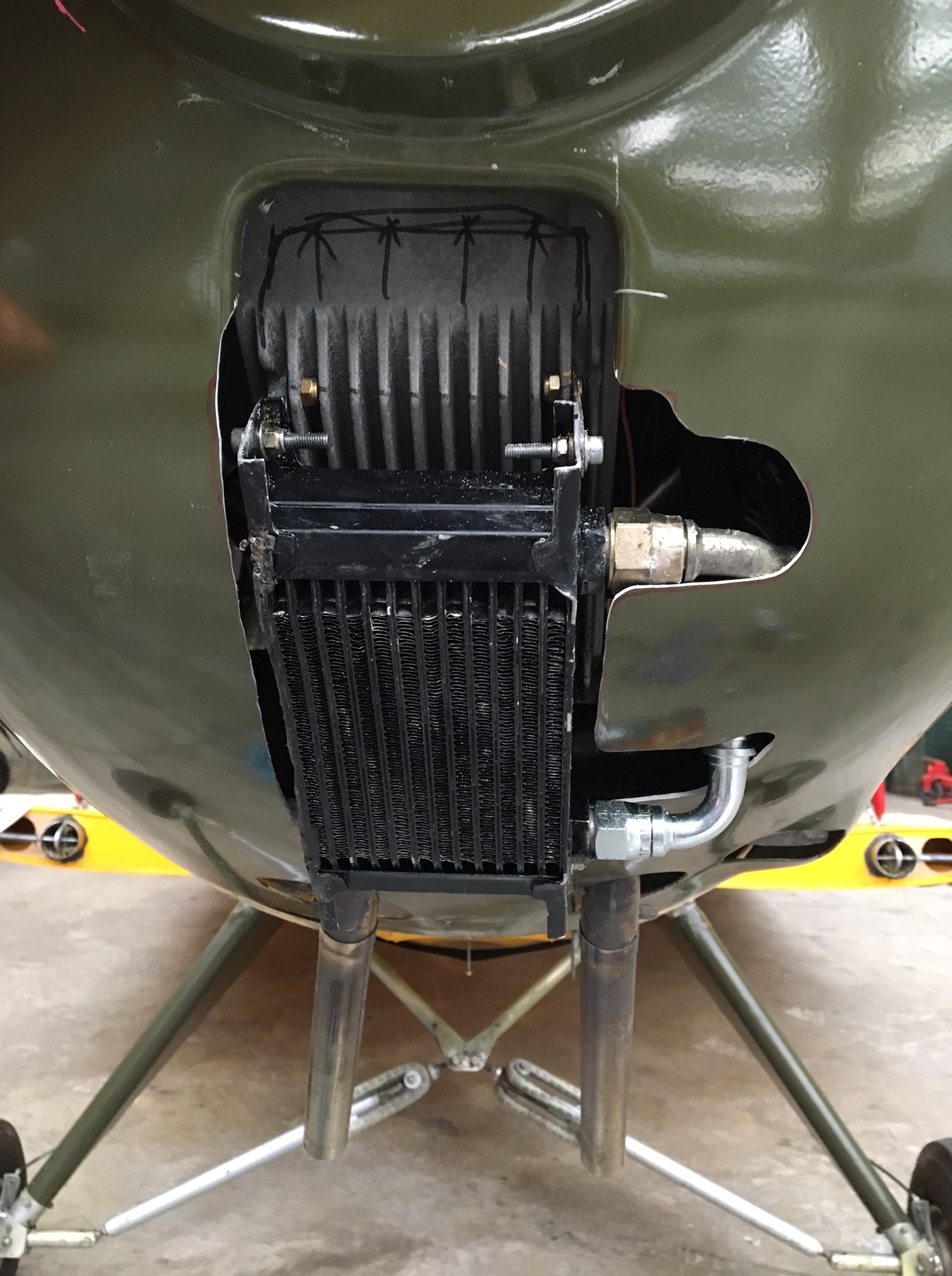
Danny sent me a link to the one he bought and I ordered it that night .. Duly arrived 3 days later

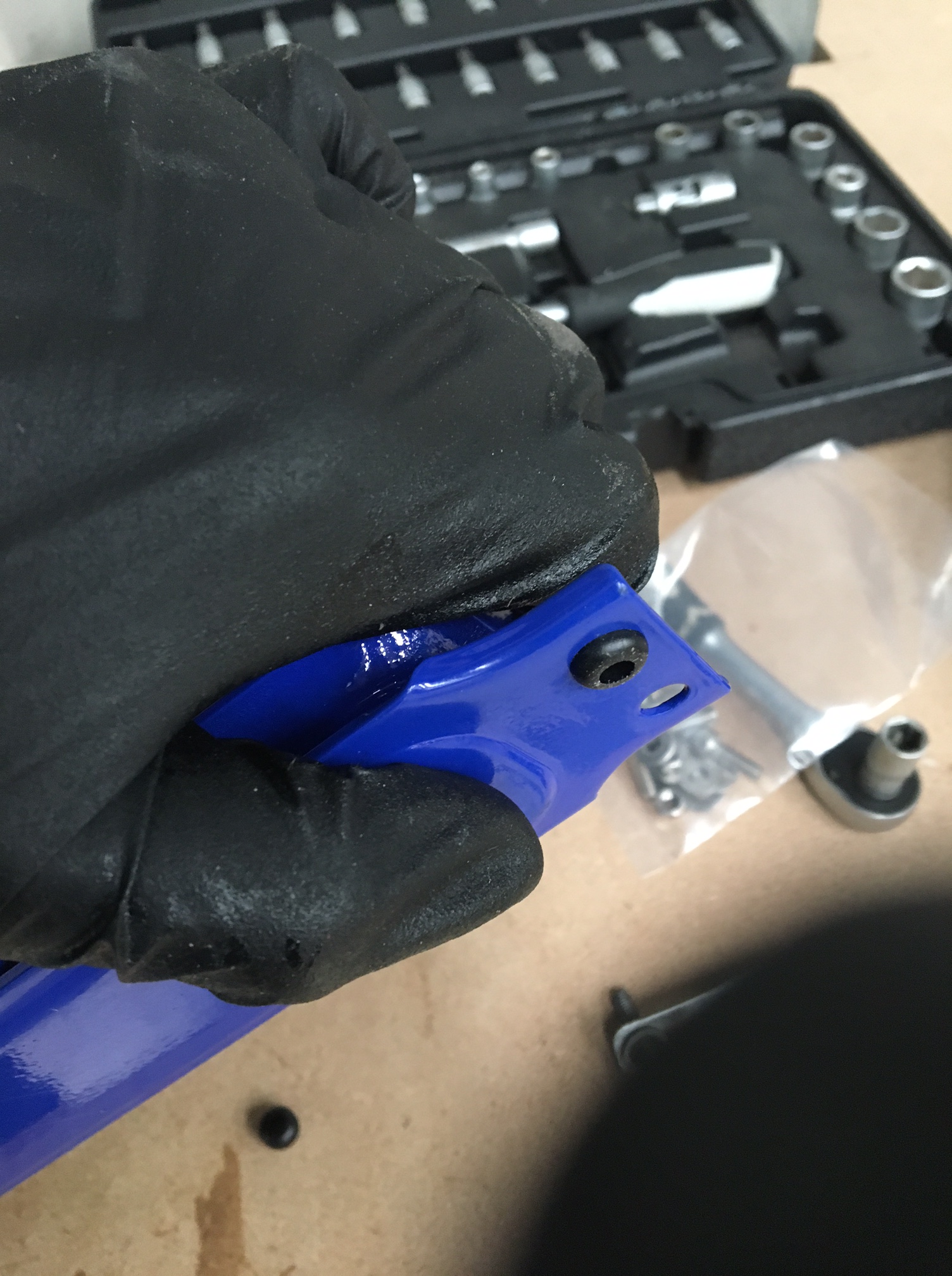
Rubber grommets for anti vibration

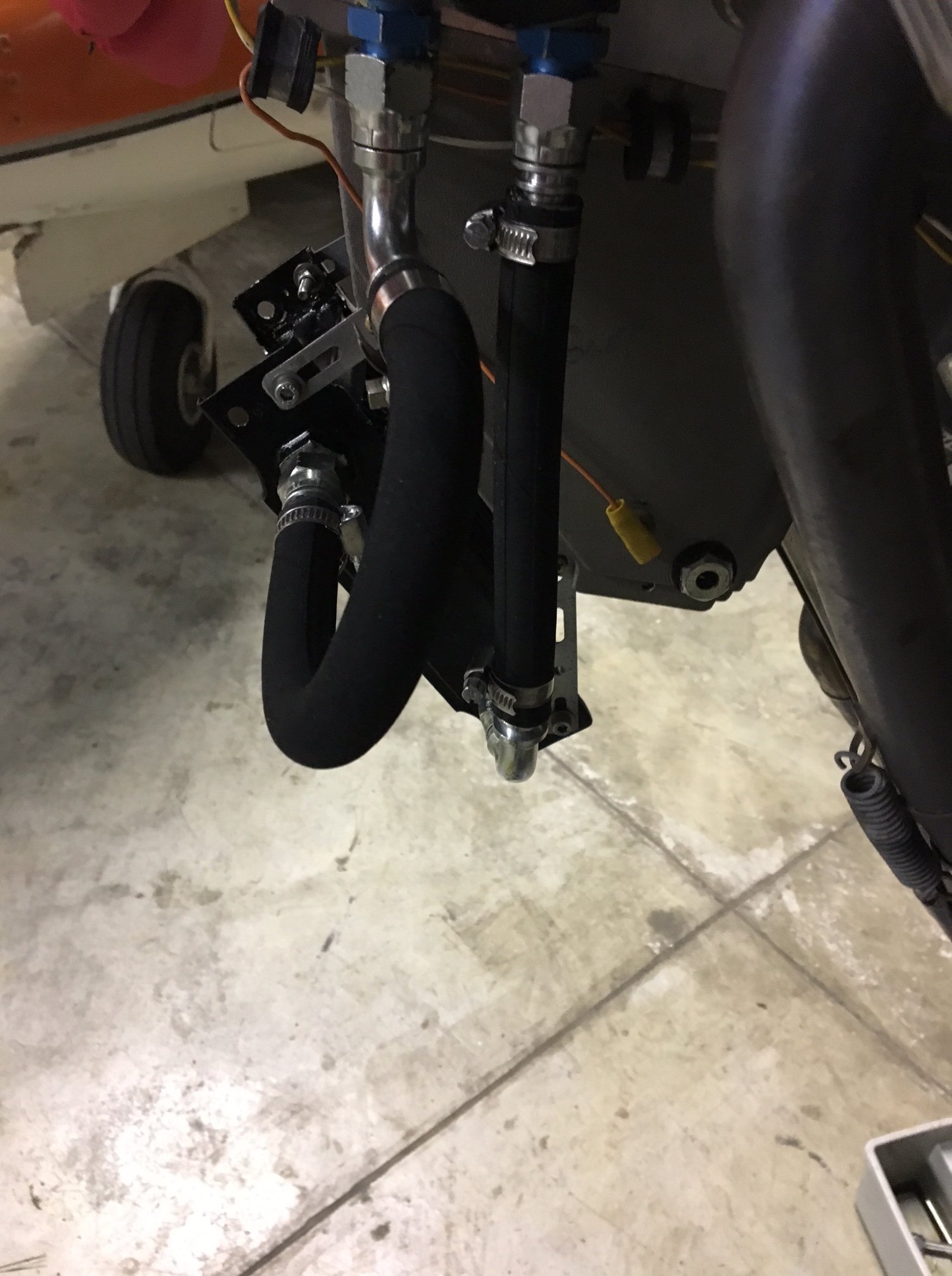
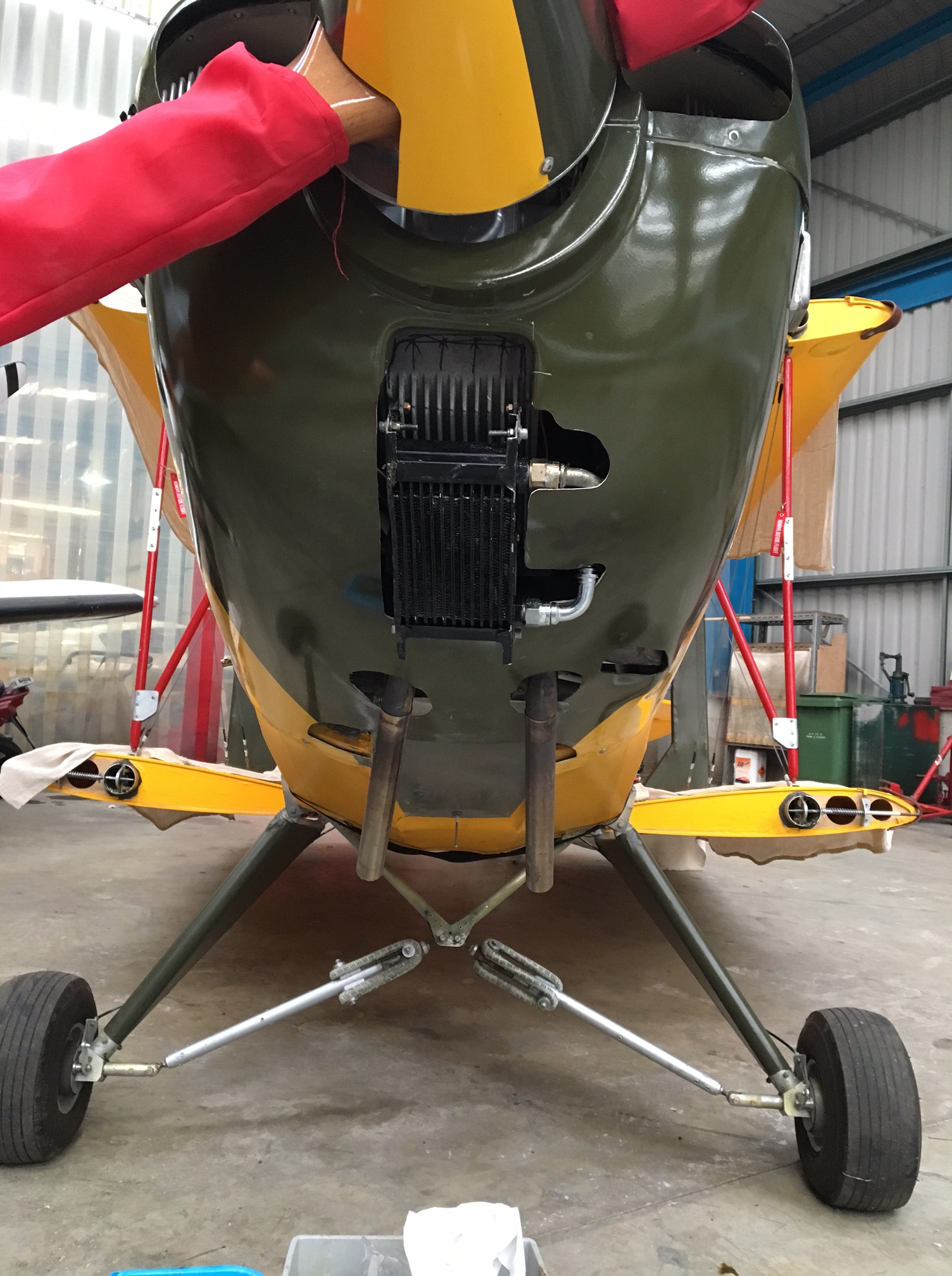
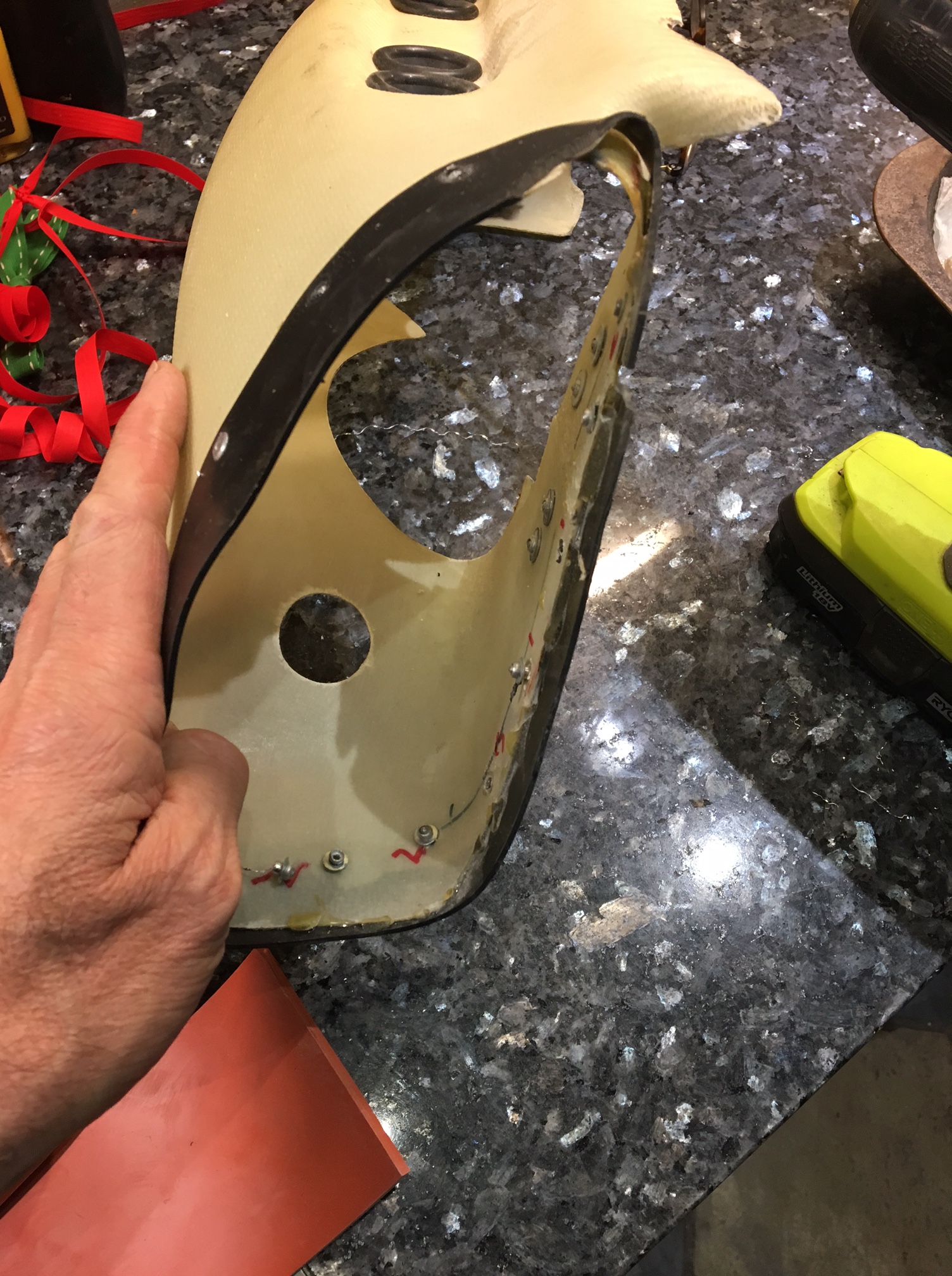
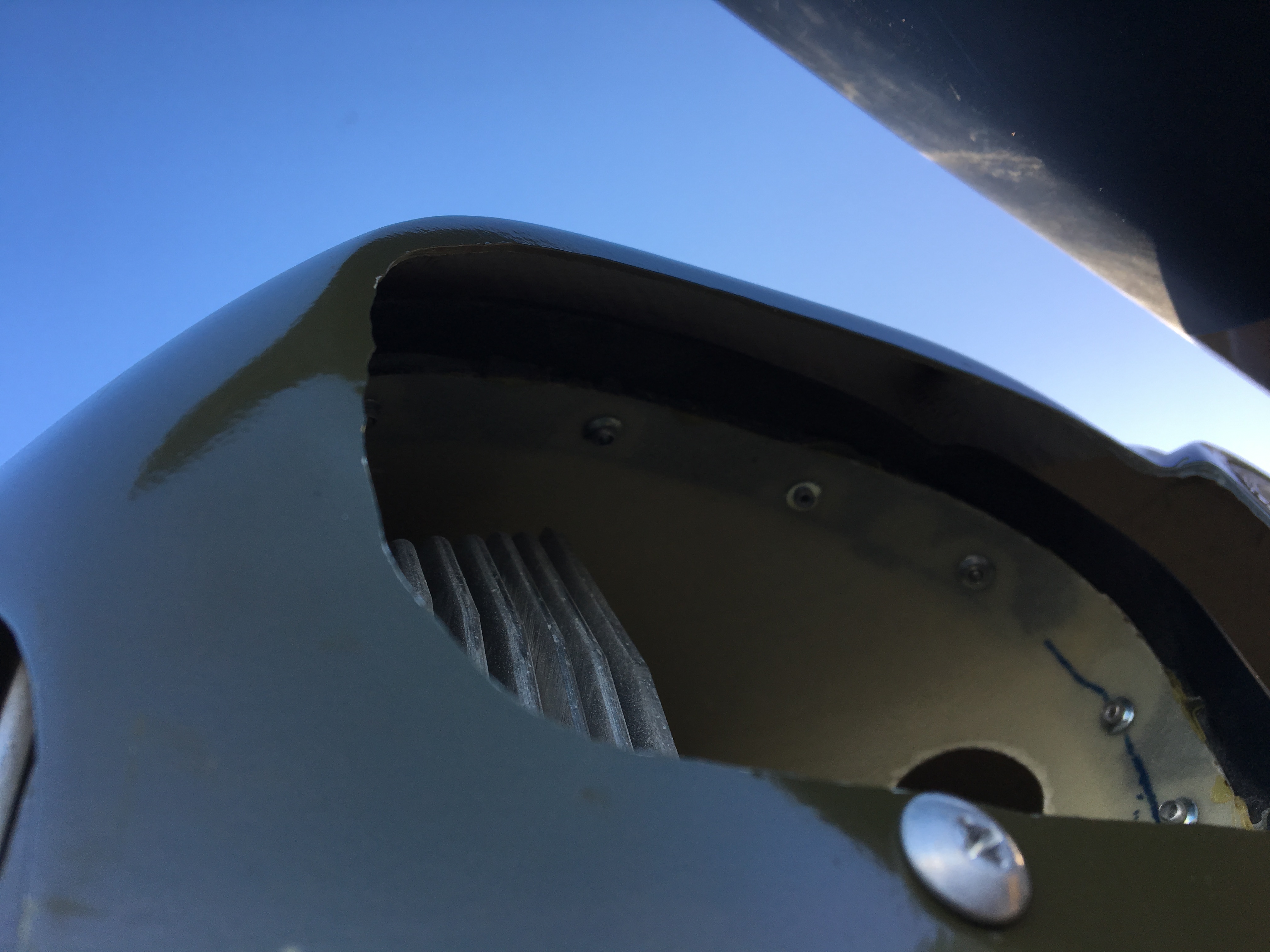
Fitting it was fun as the lower cowl needed opening up a little more

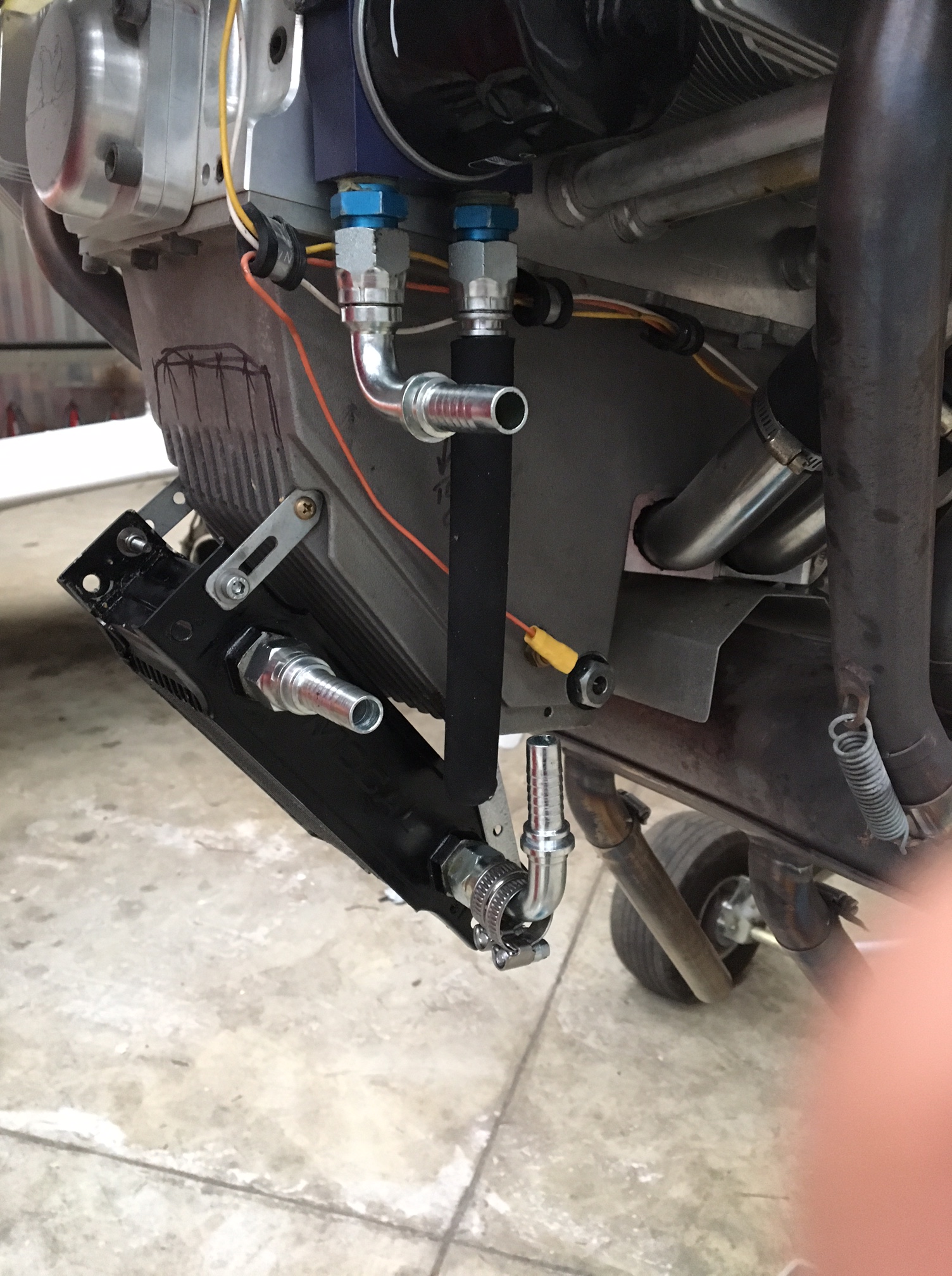
Now to work out pipe new routing

Will have to do some lower cowl patching and filling before tidying up and then re spray

Ready for test run and then build a shroud to protect and shield the new radiator

Cooling Update # – March 2017 – No 2 :-) plus some in flight testing

Right … that didn’t work ! still hot

2 more (cross country) circuits were planned but she was up to 115 by the time I got to finals on the first circuit so changed it ‘To Land’ .. getting lots of take off and landings in though ! – always look for the positive 🙂

Having seen the other examples I will remove the top duct rubber to allow the air to flow in above the new cooler matrix and then get the whole cowl touched up and repainted once tests prove ok.

Thanks to all for their kind input and advice …. makes it so much better 🙂


One other thing I did on this short test was to start to try the tests that Howard (Barber) had suggested … I did a nice wingover on departure into the circuit – which felt great … then downwind I let go of the controls .. fine .. then I pushed full left aileron and let go … just a gentle bob back into S and L ,…. then the same to the right .. such a joy to fly this aircraft ….

So, back on the ground and a hot engine .. 😦

Calls to Paul and Danny ensued over the following 24 hours

Bingo …. with input from Paul and Charles and Rool

Looks like the cooler i’m using is hopelessly undersized ! – Now I’ve thought back and this didn’t get delivered with the engine … I remember simply measuring the gap of where I planned to locate it .. ie the scoop under the belly and then buying one to fit. Not very scientific but I’m not sure I have seen a spec for a ‘standard’ size in the Jab manual.

It turns out that Danny and others have one that is around 300mm x 140mm x 40mm

Mine is 140mm x 90mm x 50mm – so probably about 25% the size of Danny’s !!

Danny kindly dug out his spec order number and I am now awaiting the shipping to Jersey – hopefully 48 hours

Rool had a neat idea of making a front shroud for the cooler .. protects and also acts as a gurney to create backdraft and suck the air out … so have a sheet of nice aero metal (thanks Graham CIAS) and that will go on after the next test.


Cooling update No # – March 2017

Well … this has proved to be quite a challenge as the art of cooling – without the aid of a £1m plus wind tunnel makes it a little trial and error … perhaps Benjamin could sneak a mornings use of the Williams F1 tunnel and that nice long smoke pipe that would really let me know what the airflow was doing 🙂

Anyway … back to chalk and board .. as my first instructor used to say …..

In this case its drawing on experts like Paul HS and Danny B who have been really great through my current challenges and have certainly kept me going with this ‘long distance’ OU style course in aerodynamics.

As you can see from the previous blog entry I had failed to shroud the intake area around the oil cooler matrix – Now done … but … 2 Jersey style circuits (around 6 miles !! – EACH ! ) and it proved to not fix the problem and temps still crept up above 100.

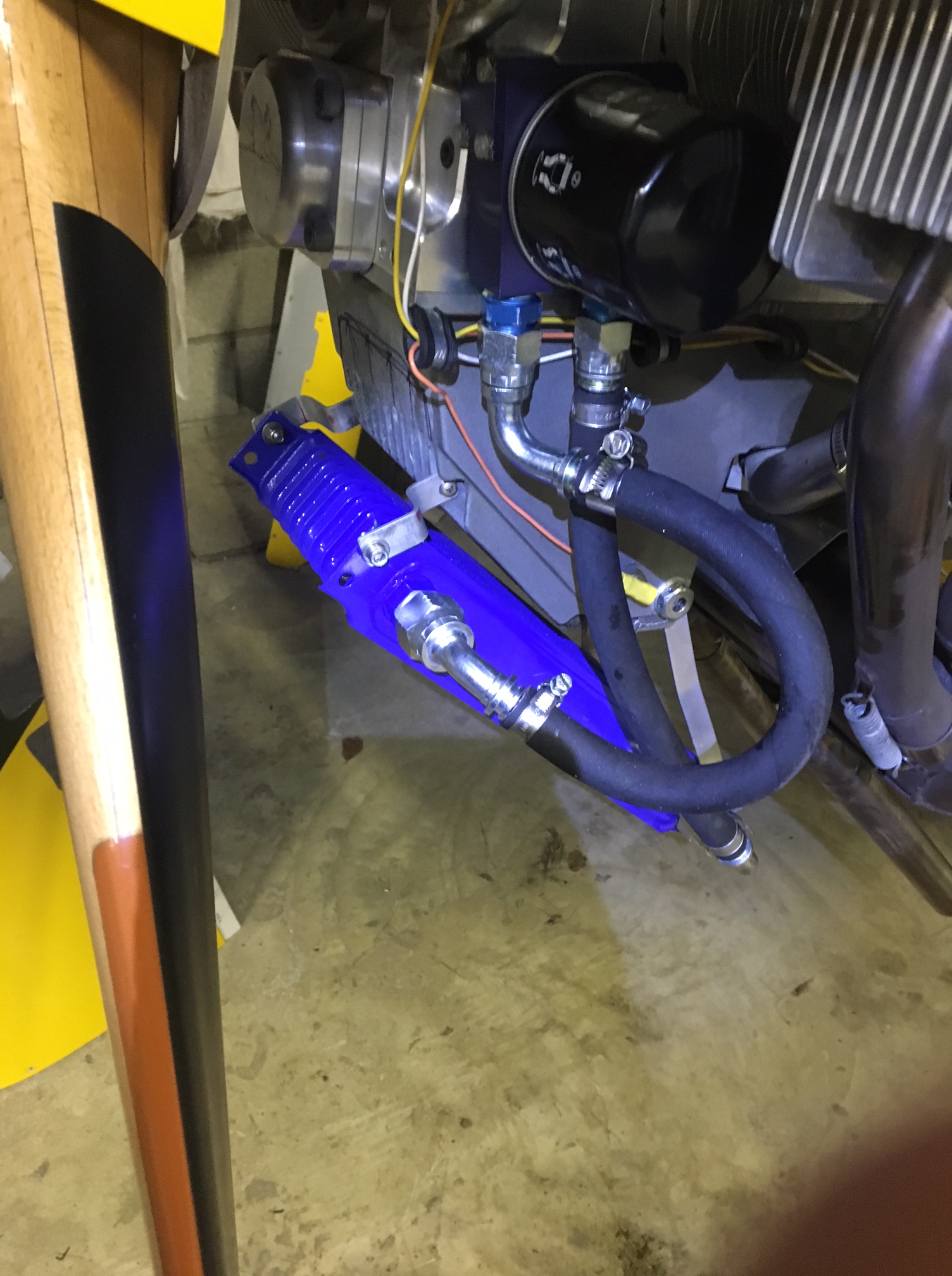
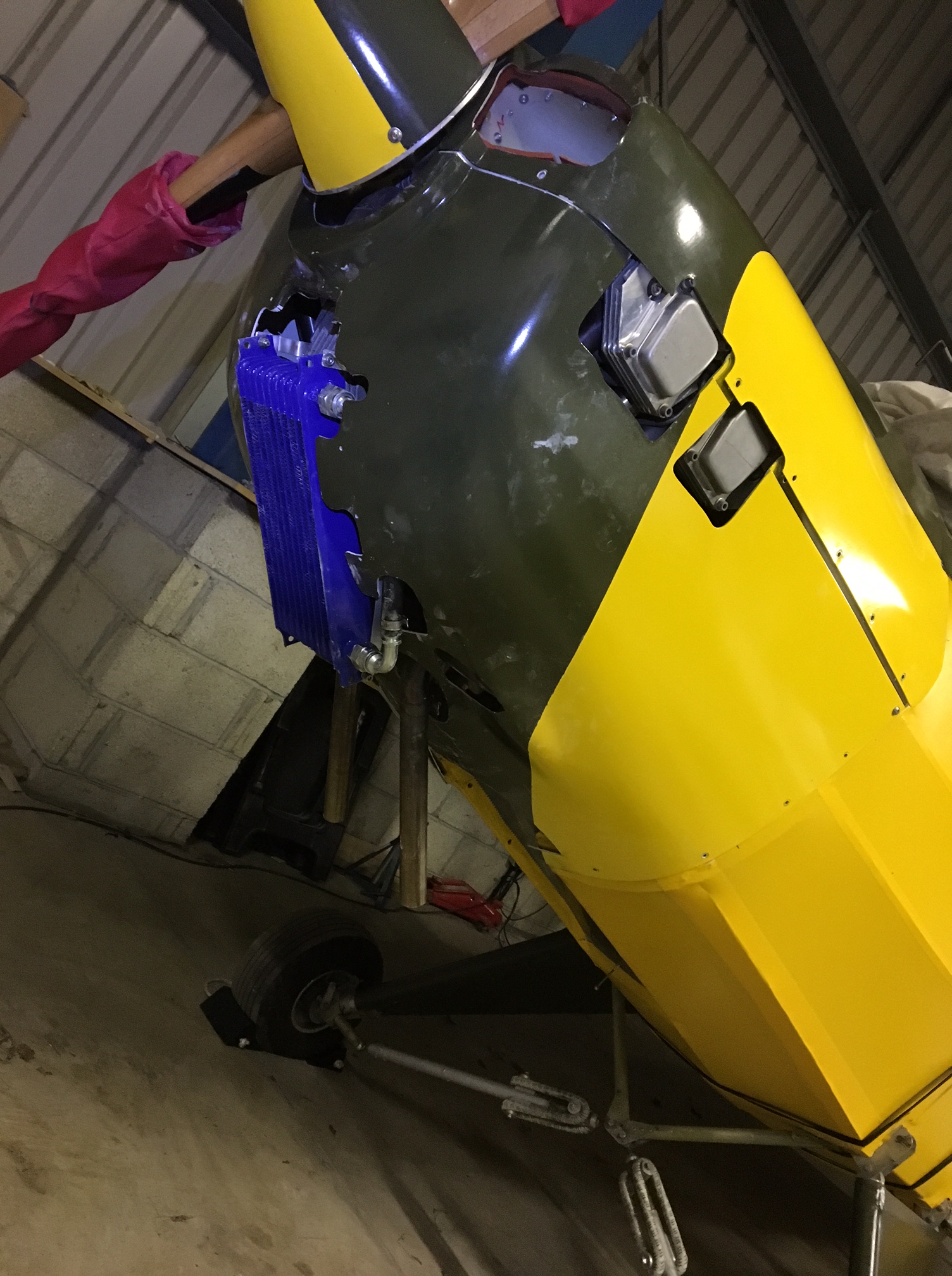
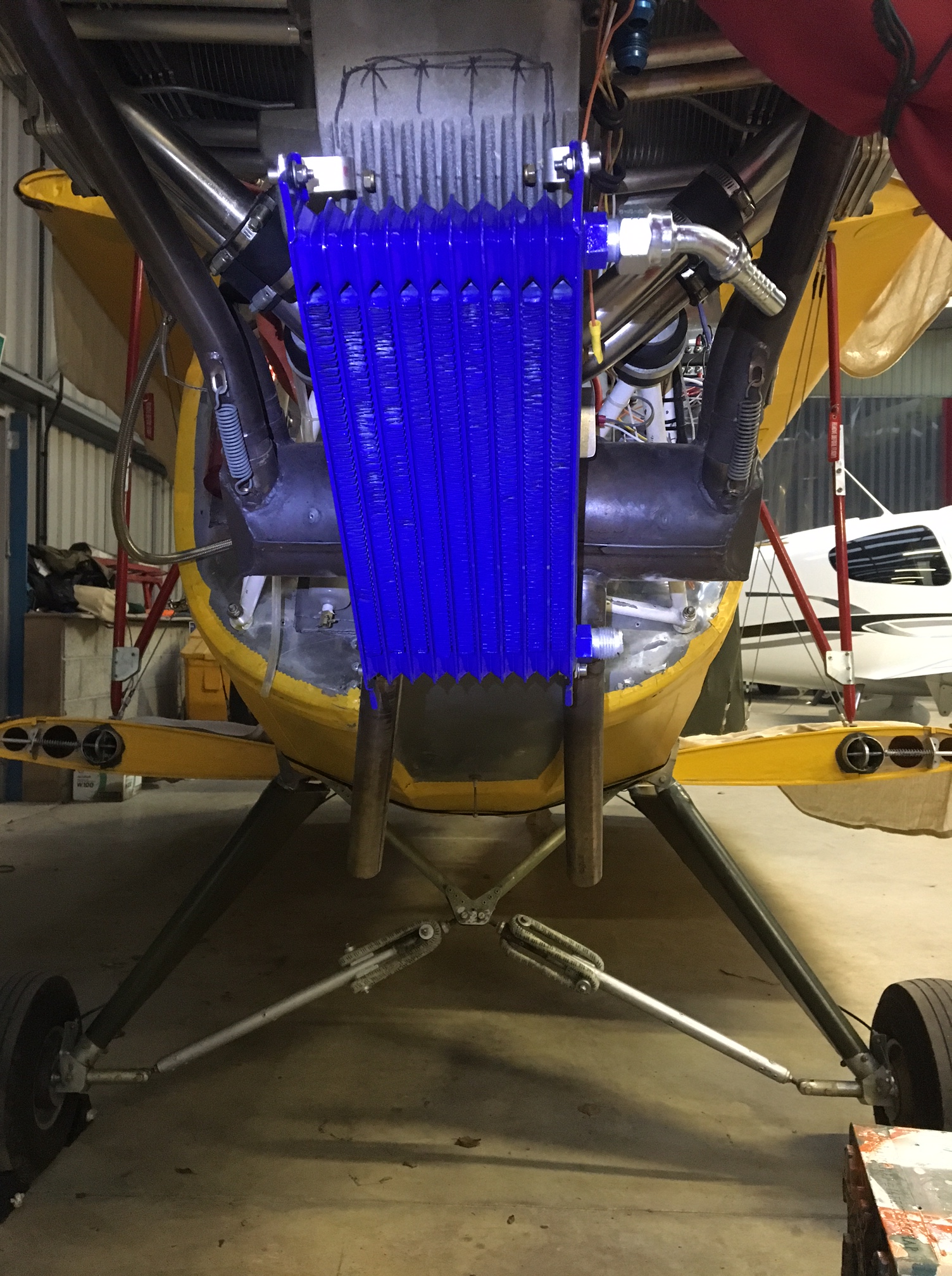
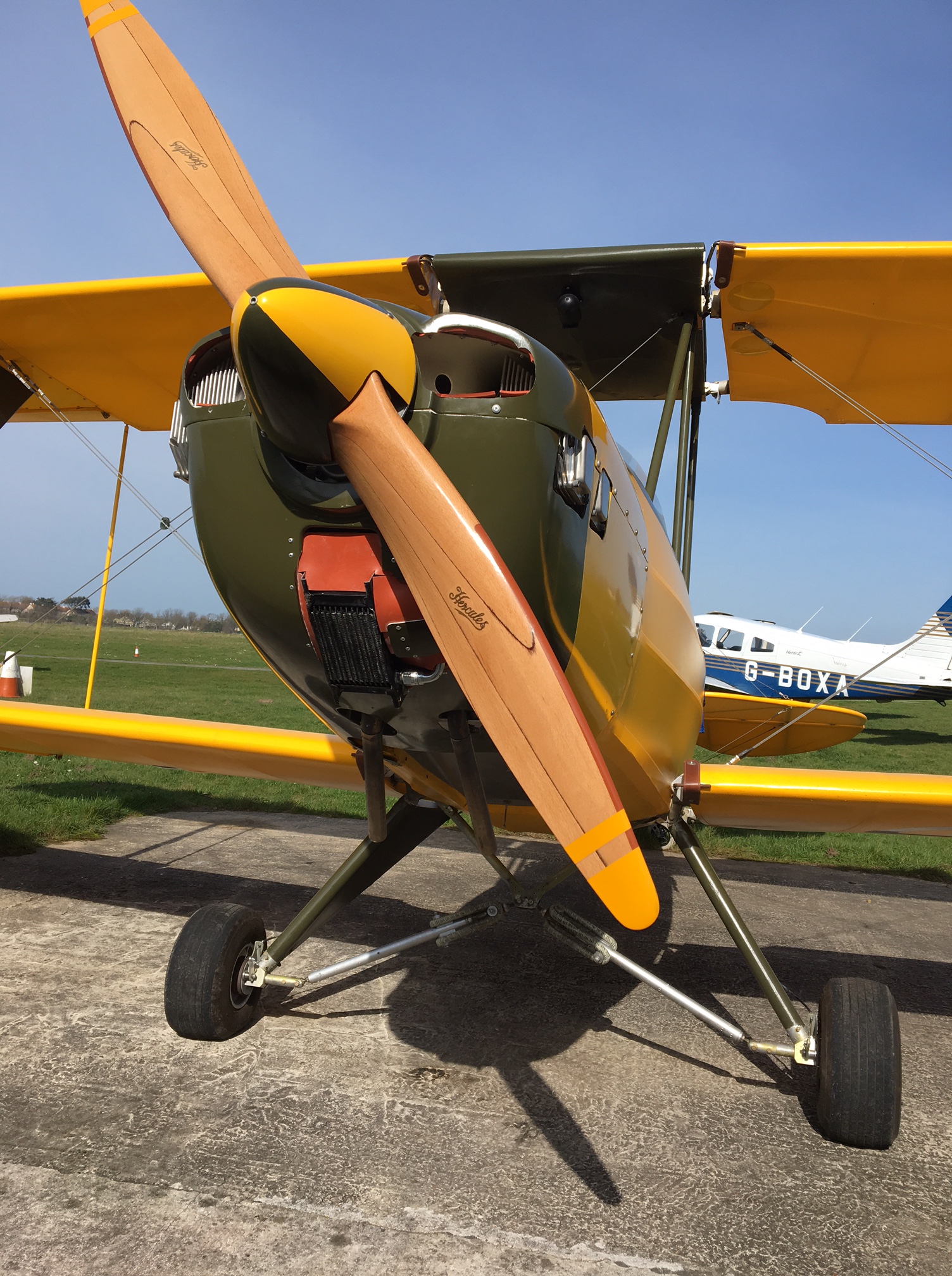
Plan B – was to relocate the underbelly mounted cooler to the front of the ‘plane – right behind the prop .. that should def fix it as there was nothing in the way to prevent a good solid flow over the face of the matrix .. either that or it would demonstrate that THIS wasn’t the problem so at least move me on to the next option.


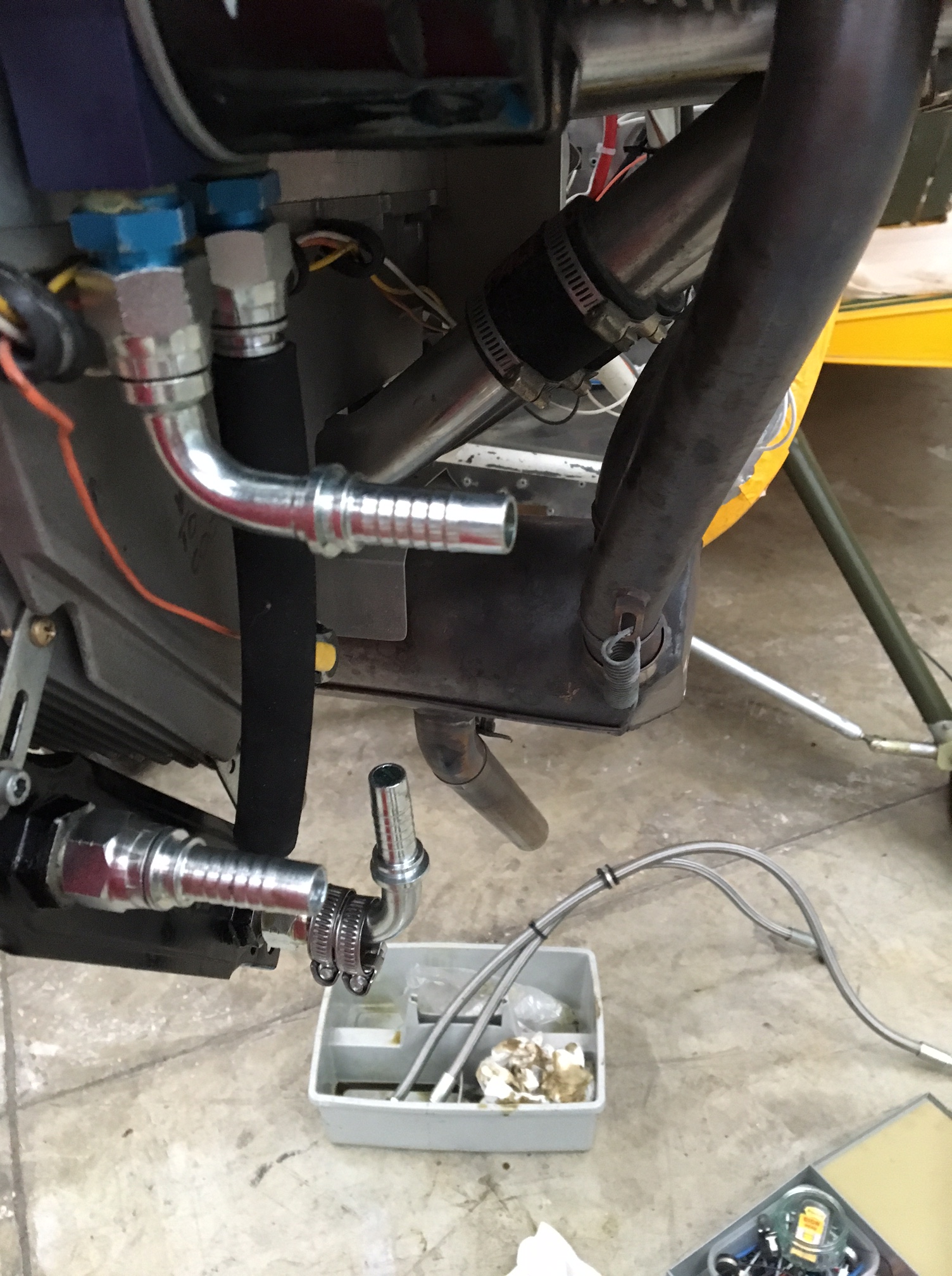
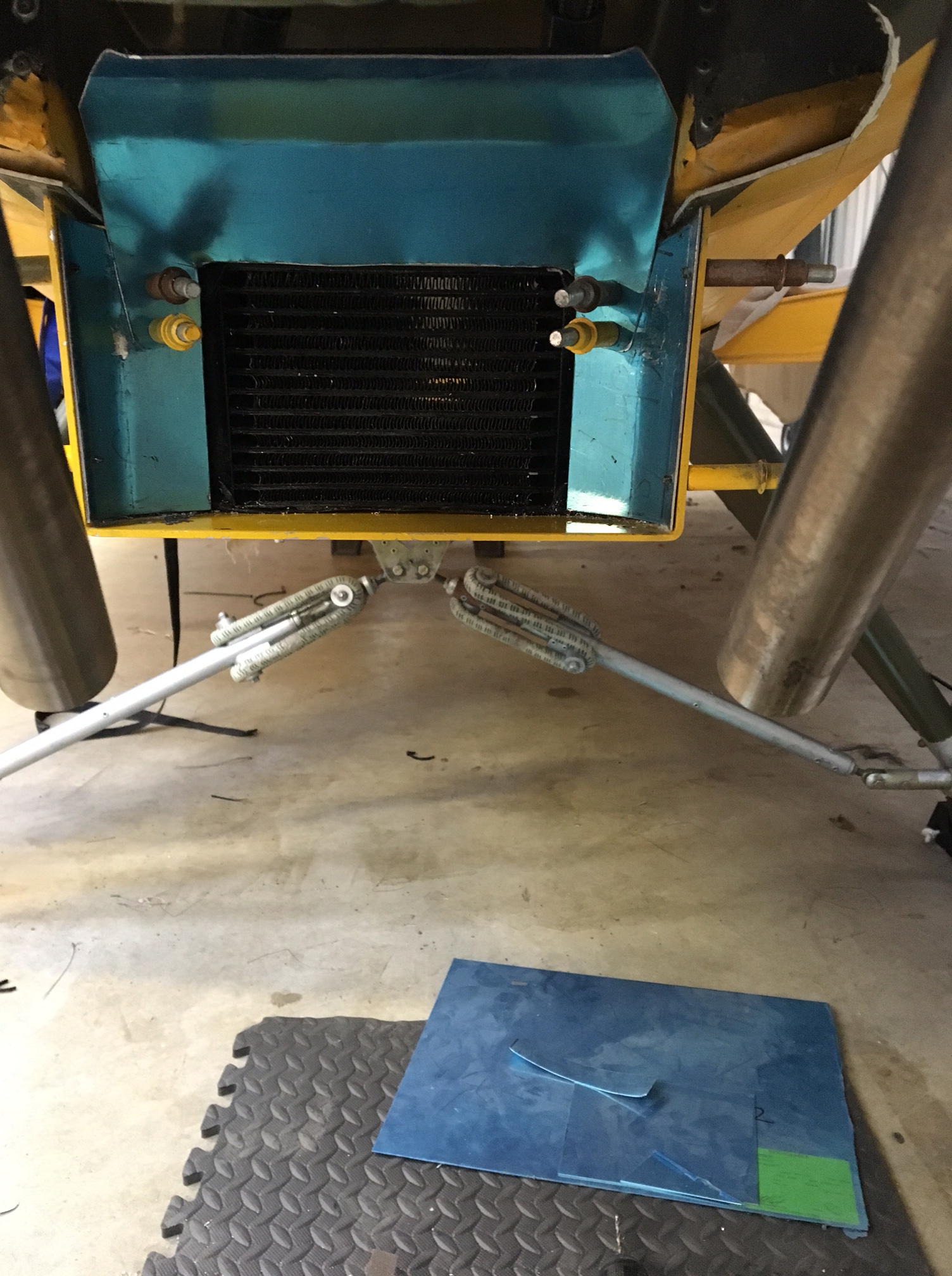
As you can see in the background of the picture I had to ditch my nice braided oil cooler pipes .. once I have established a proper fix I will get some new ones made up to whatever length / shape needed.

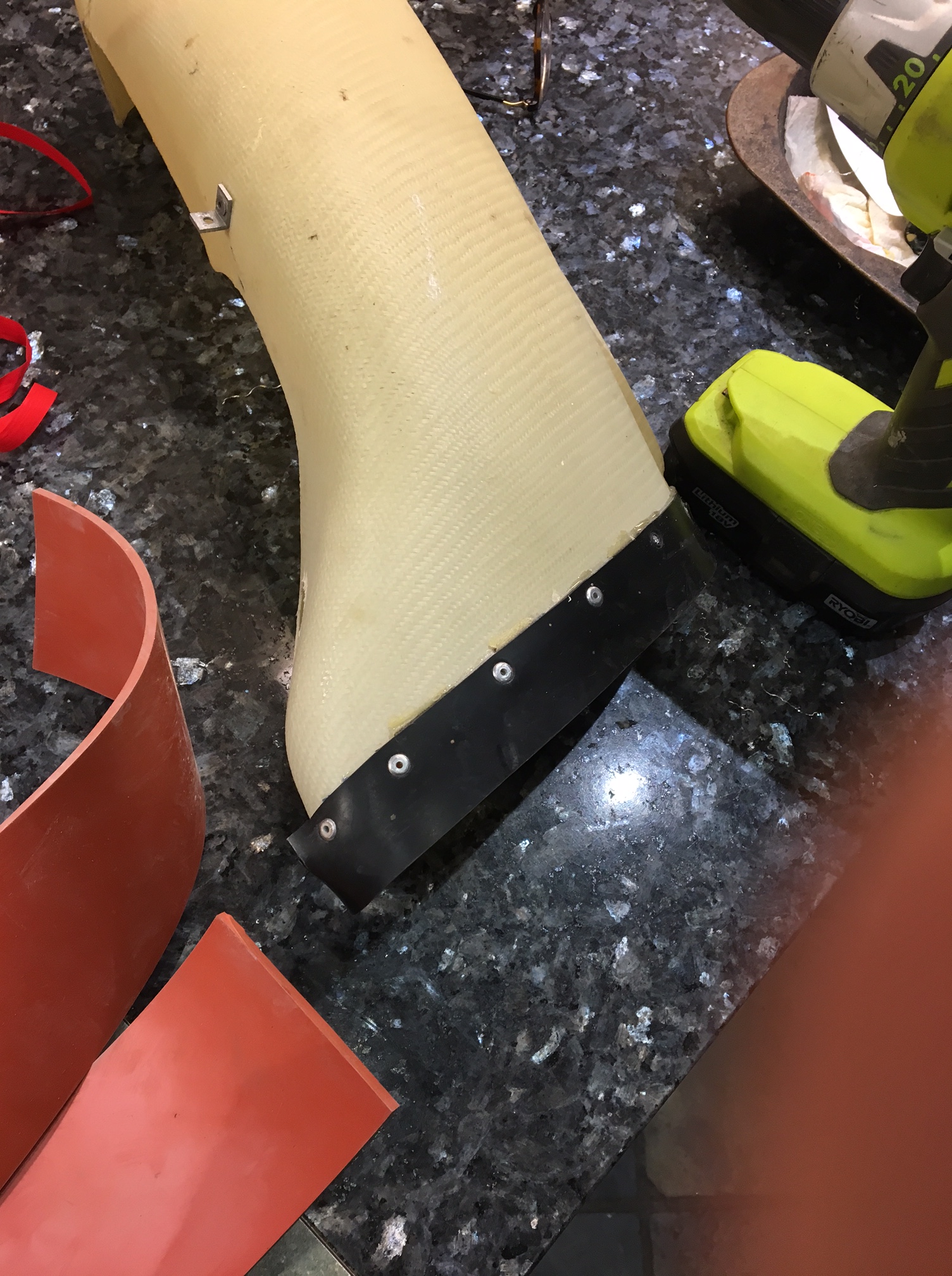
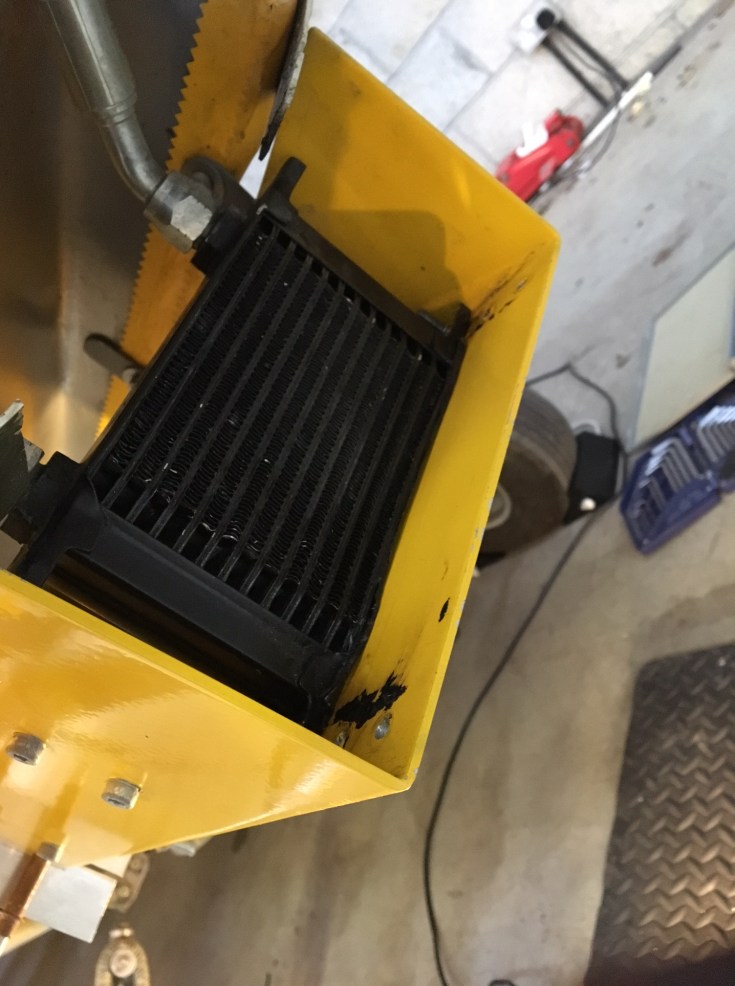
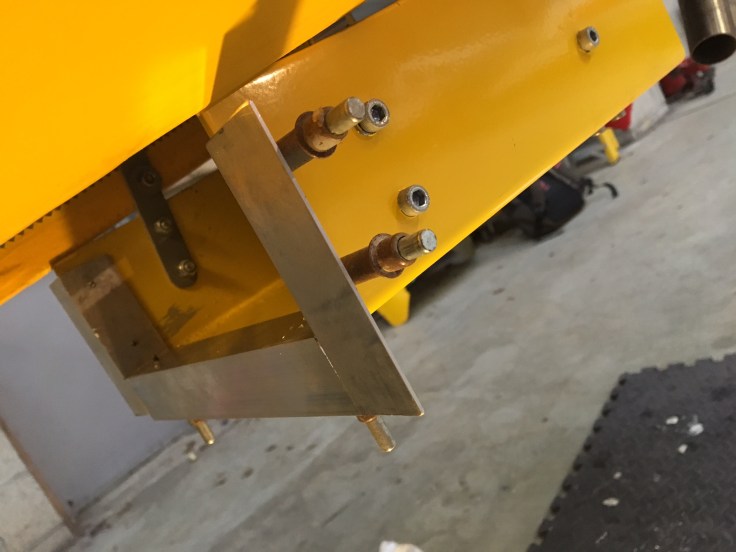
I made up some mounting brackets and moved the old oil cooler into position

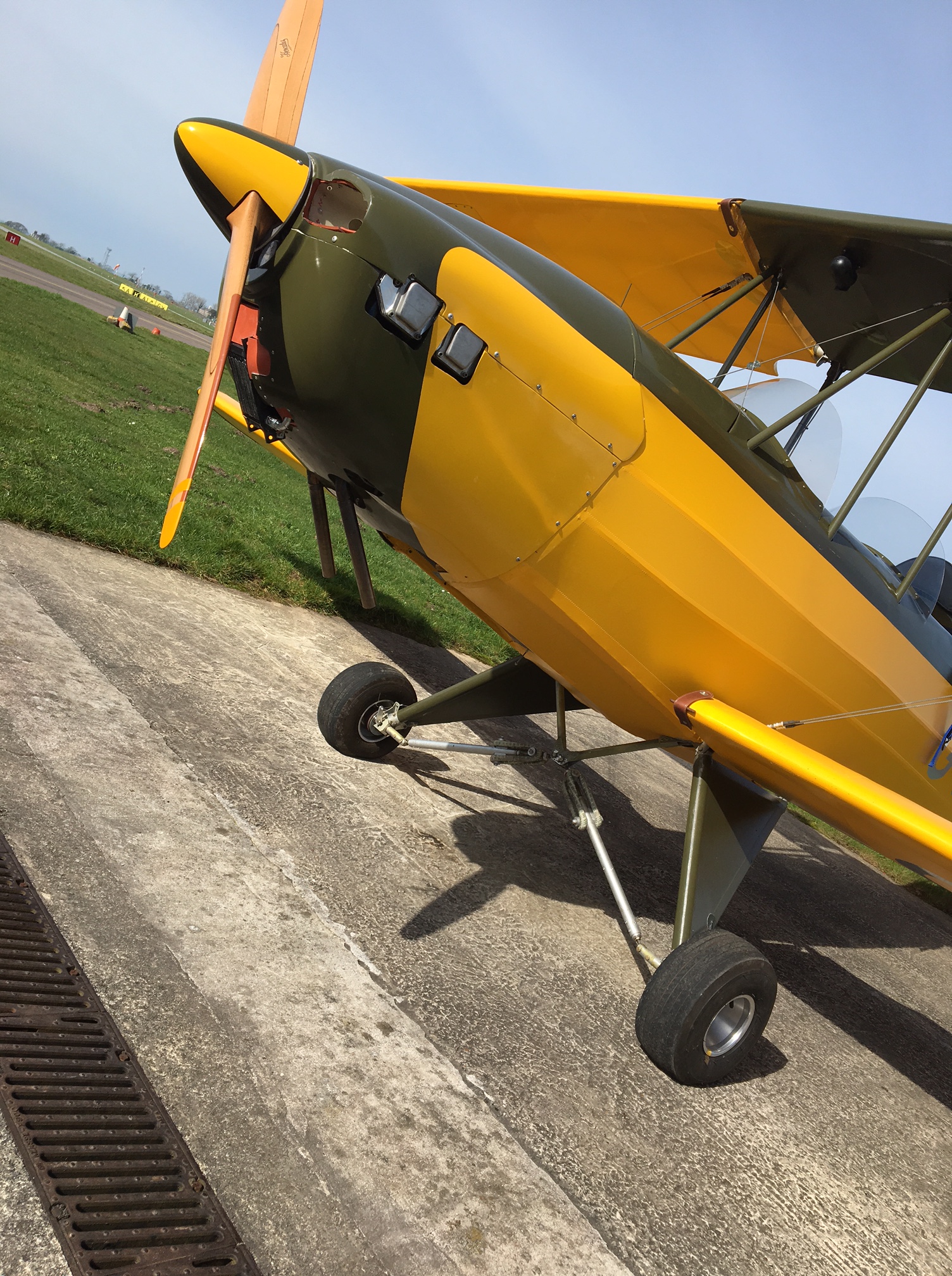
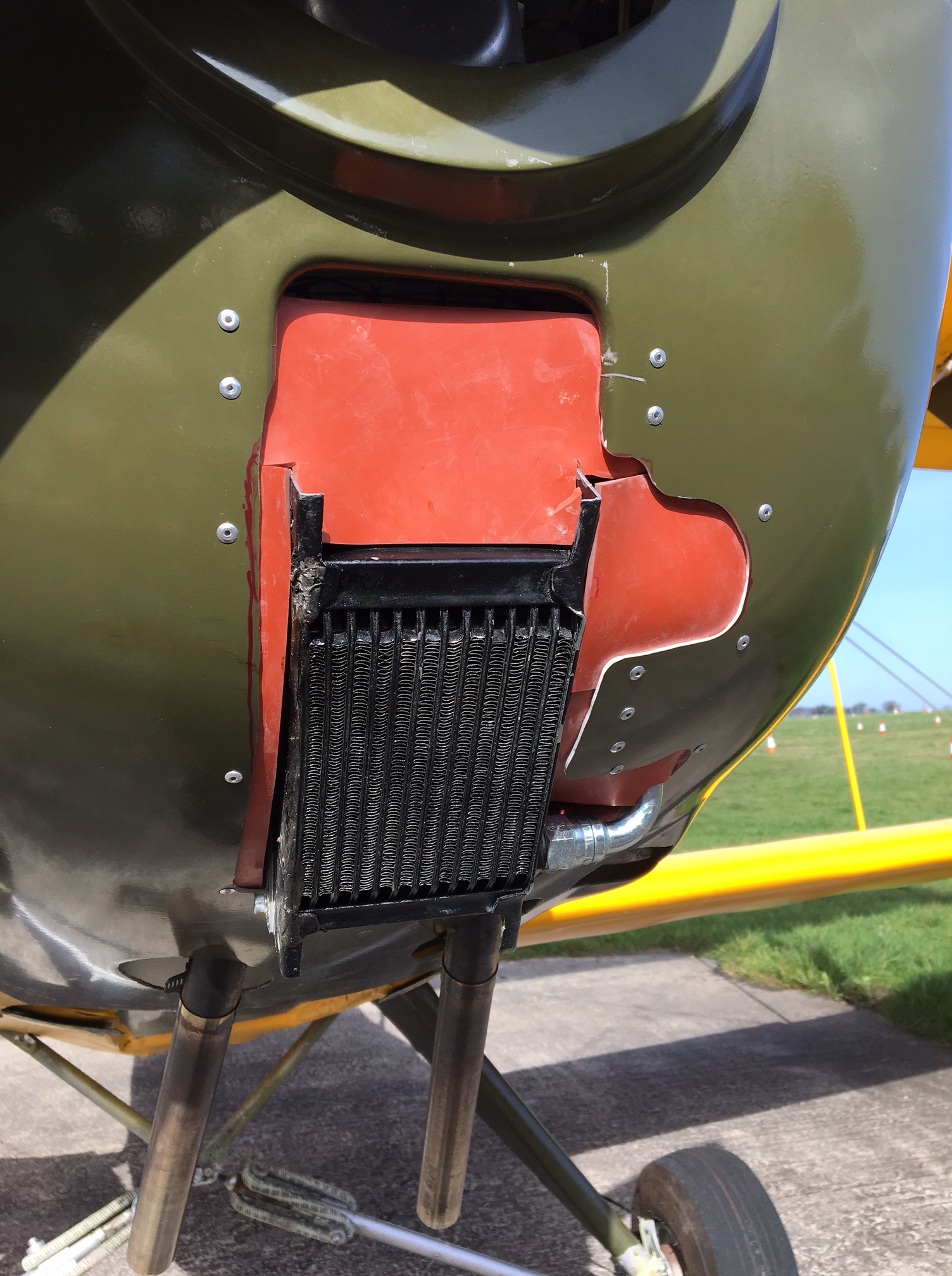
The cowl then took some definite slow and steady fiddling to remove JUST as much as was required to get the cooler AND its pipework in position. Then, with some new wider ducting tape/rubber fill the gaps.

Took the opportunity to remove the original engine top cowl ducts and replace the rubber strips with wider – needed as earlier ‘fettling’ had meant I now had some small gaps between cowl and intakes


T


Cooling planning

Whilst the windy weather has held further testing back I have had chance to share some pictures of my cowling and front end intakes with Paul HS at TLAC.

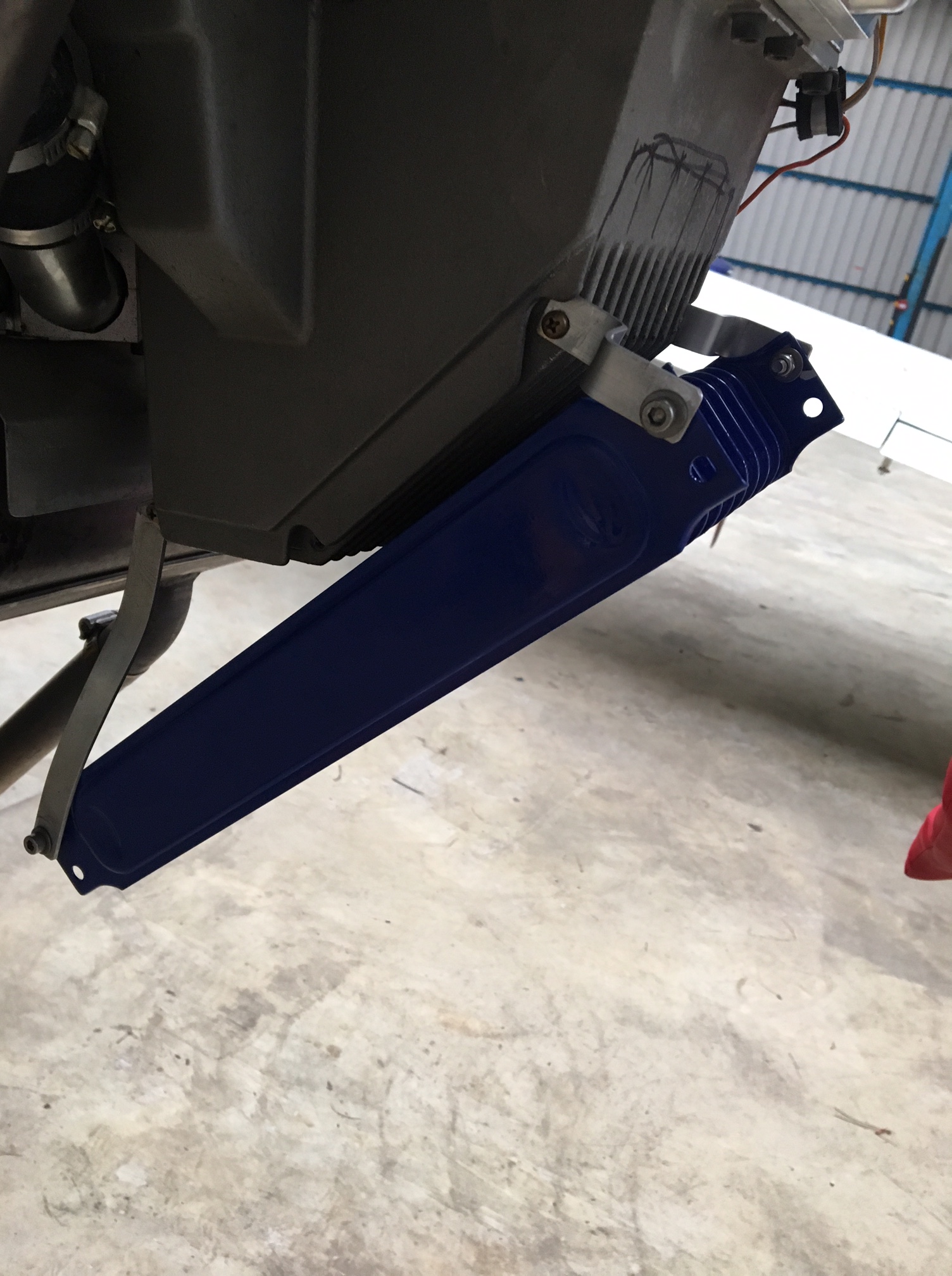
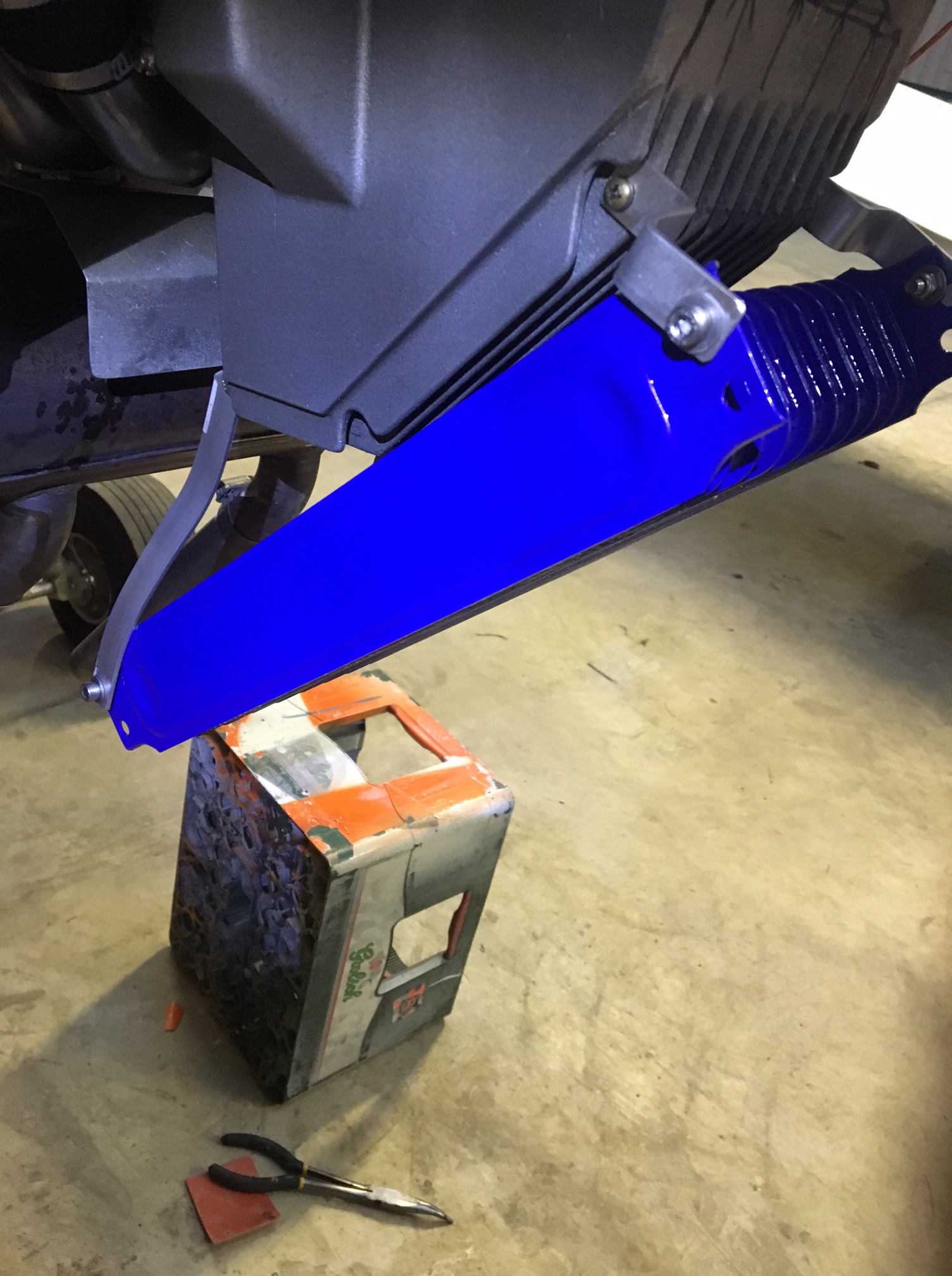
The upshot is that my original design for the oil cooler housing underneath was not sufficiently shrouded to force the air through the cooler matrix.

The  setting I had in place left the passing air too much option to simply go by the side or over the top of the matrix !

Have now made two significant changes

  • Add shaped deflectors and shrouds on the front of the matrix
  • Move the matrix back 2 inches
  • Put rear turbulator strips on the rear of the oil cooler tunnel

ok …must learn to count .. That’s 3 things !

image

The setting back of the cooler provided a nice stepped inlet to focus the airflow

image

The deflectors have been added .. One each side and a larger on top. These have been cleco’d for now so that I can test them in flight before securing with rivets


image

The rear turbulator strip encompassed two sides and the Lower edge and present about a 1″ face to the airflow and so should create a reasonable back pressure and support the ram air by introducing a suck from the rear …

Testing due this week and should be proven in two circuits !

Re-cover rear battery access panel

The easy access panel came in handy again and hopefully the last time I will need that for a while 😀

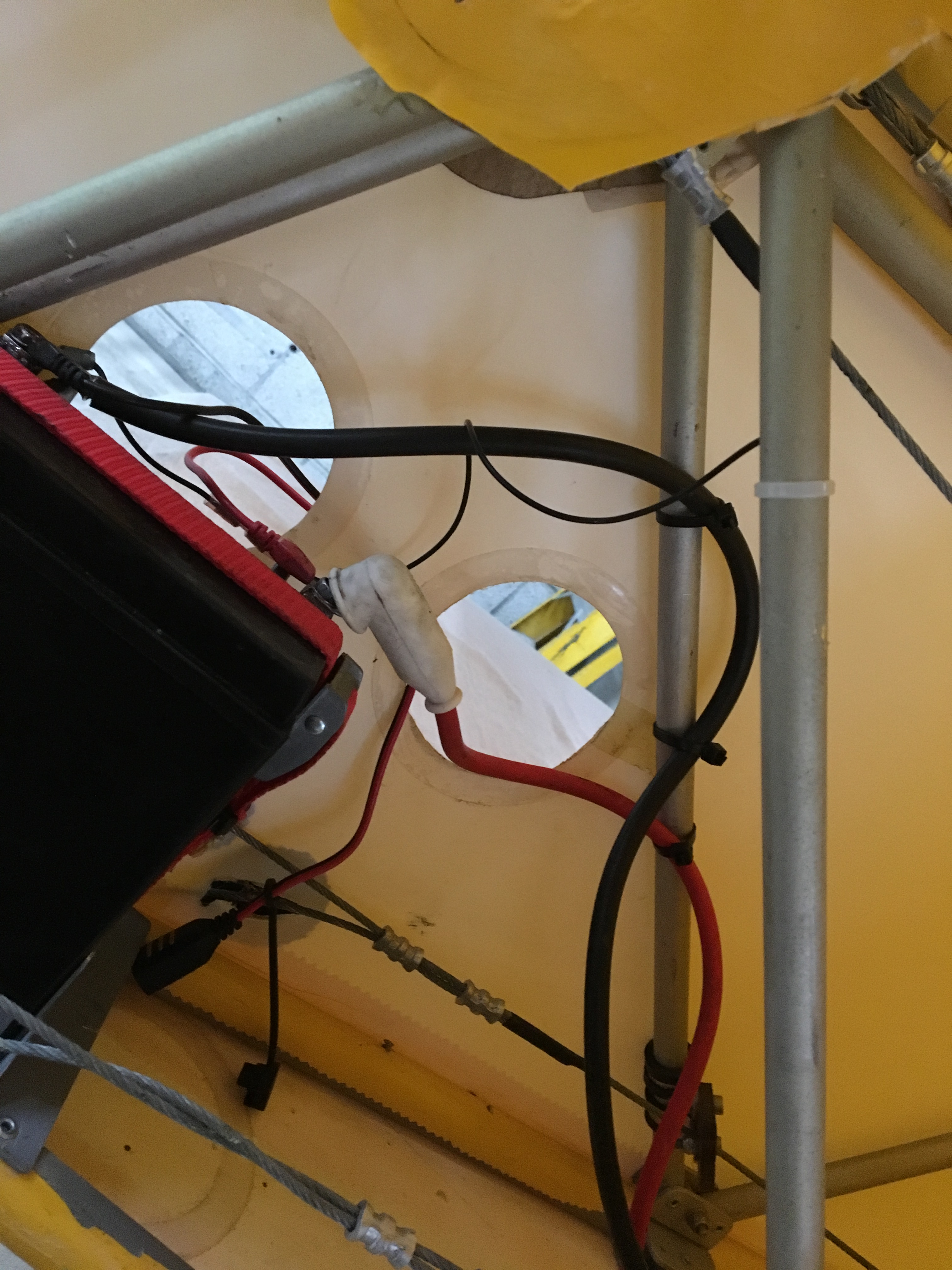
So – it turns out that moving the relatively small Motorcycle battery all the way to the back was

  1. Great for weight .. needed ZERO ballast to fly her straight off the plan !
  2. BUT hopeless when you expect around 5m of cable to still give you suitable start grunt at the front !

the solution was to re-add the original (now spare ) battery at the front – already had then TLAC mounting plate in position..

Then connect the two in parallel and bingo .. it turns like crazy …

Amazing difference yesterday (27th January) and again after a 20 min run .. leave it for a few mins to cool down then a hot start .. burst into life instantly with barely 1/2 a revolution

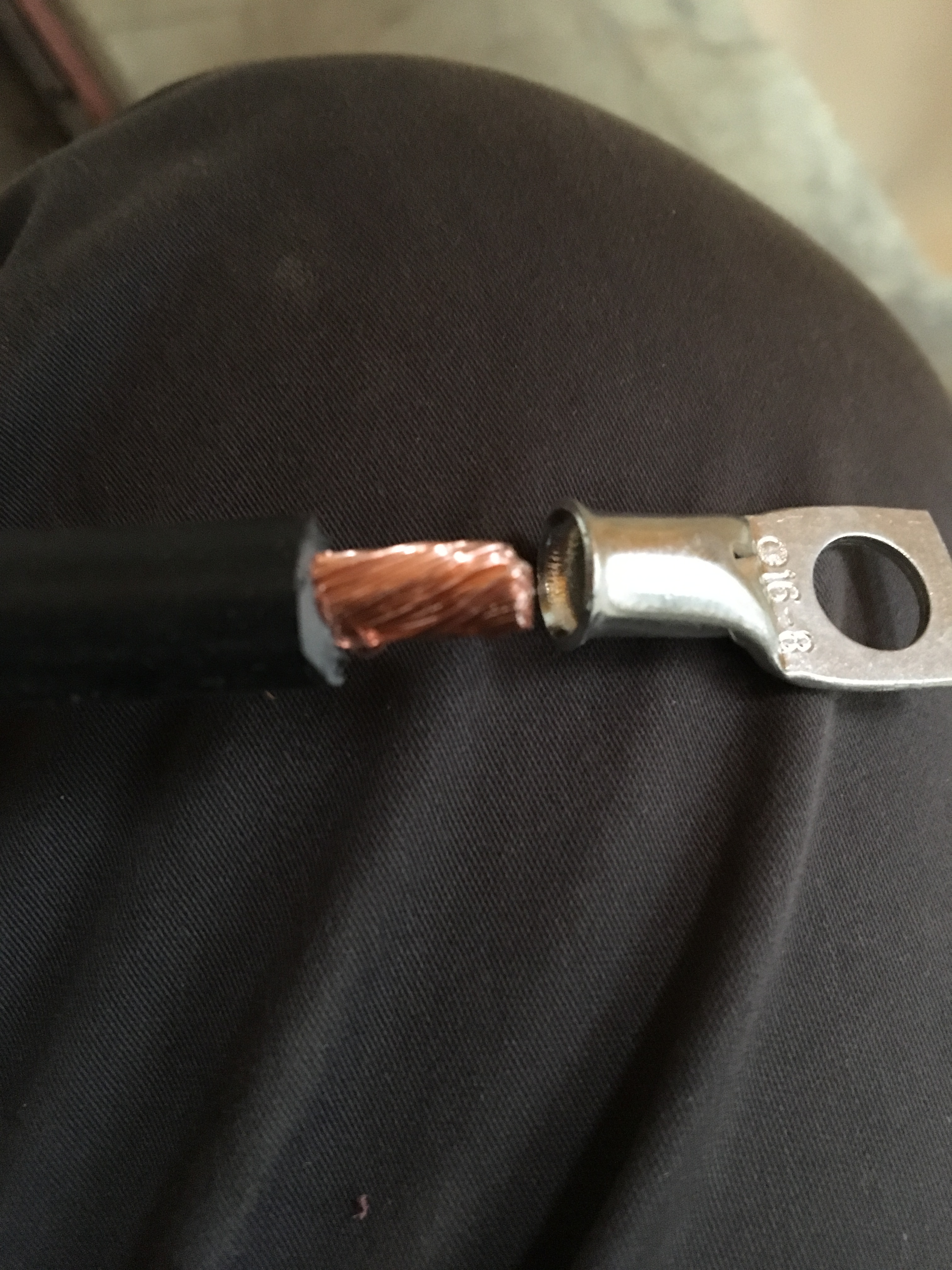
img_2100img_2095

Bear back to allow a nice snug fit against the connector

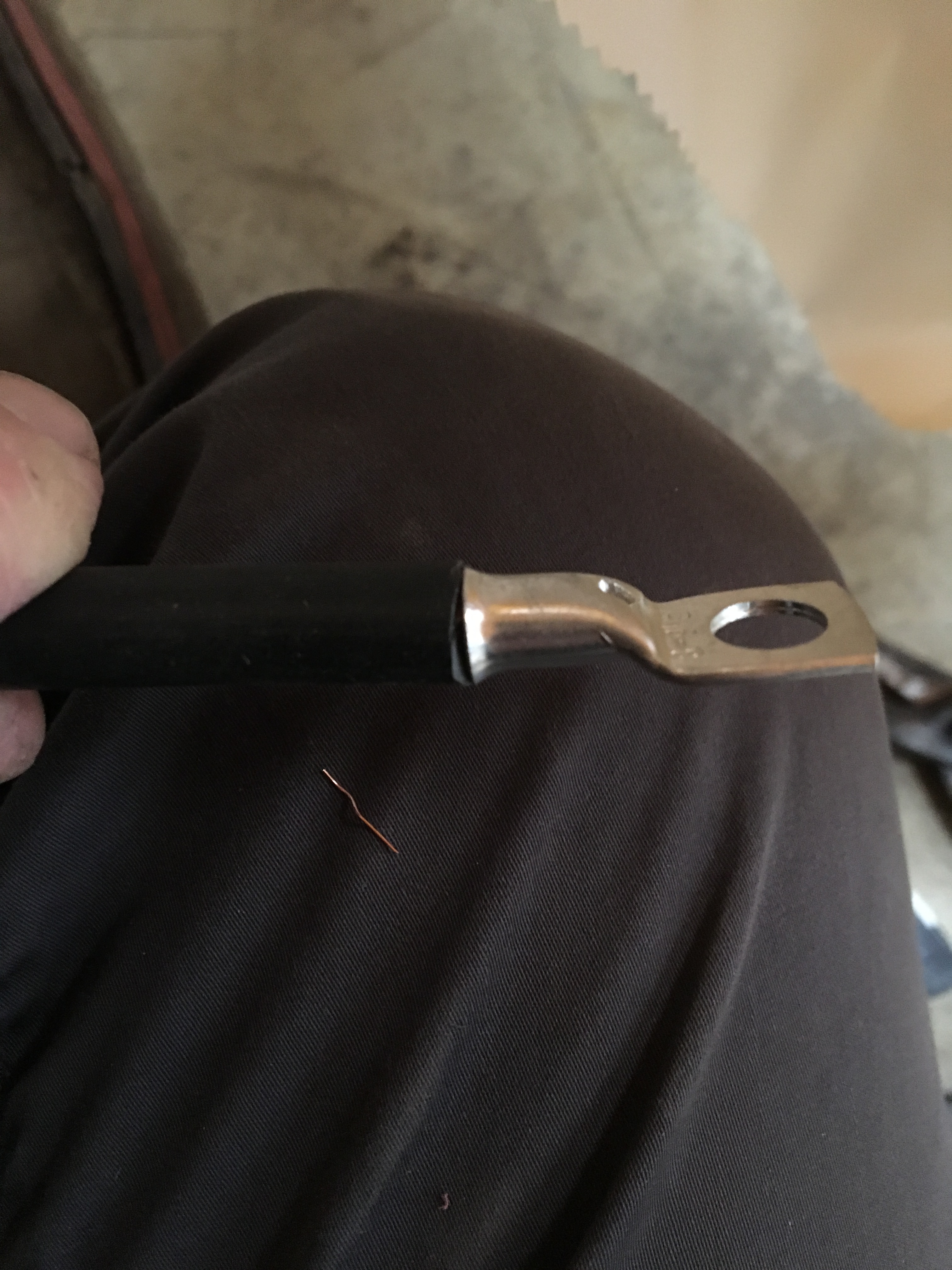
img_2097img_2098

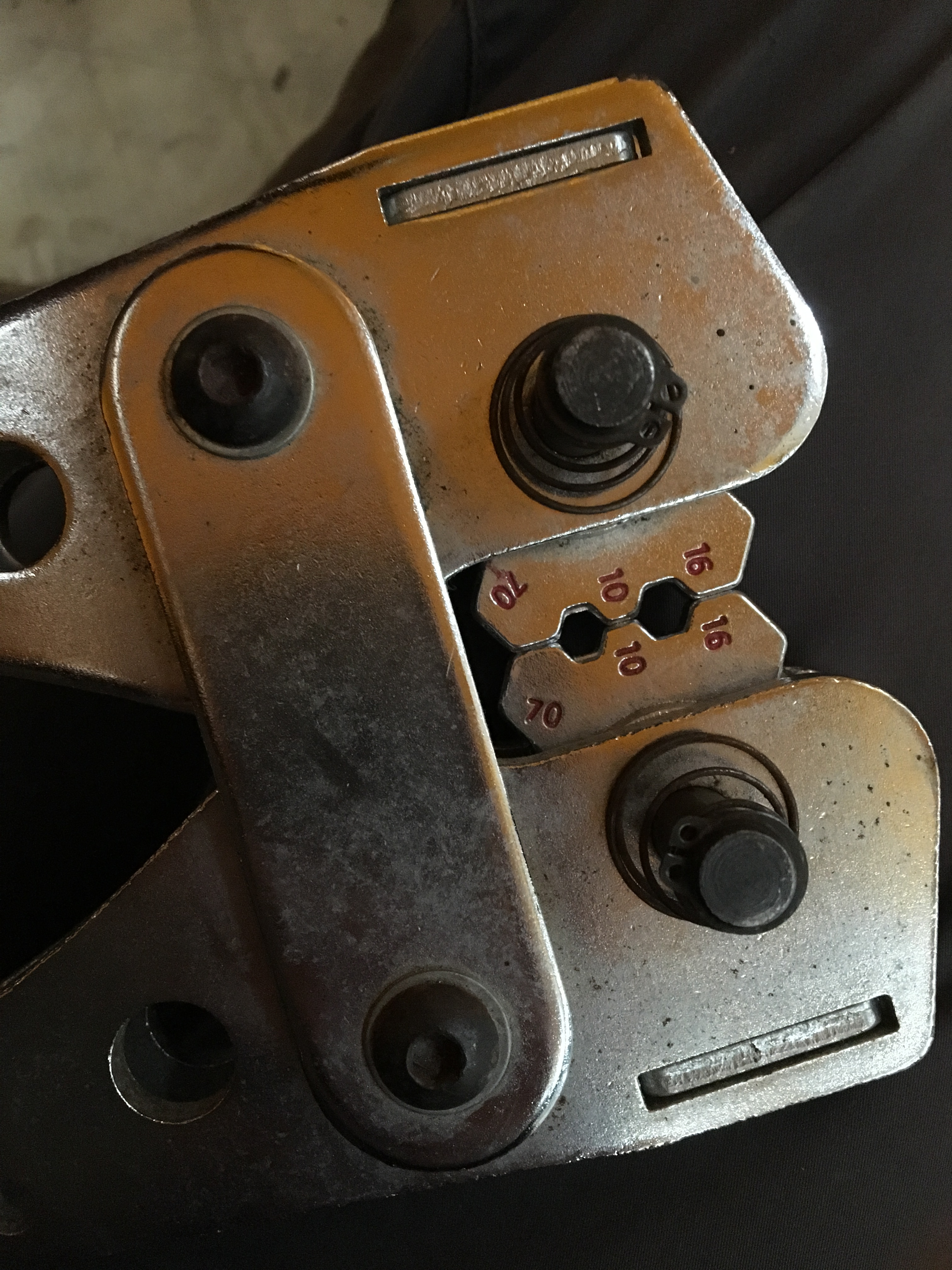
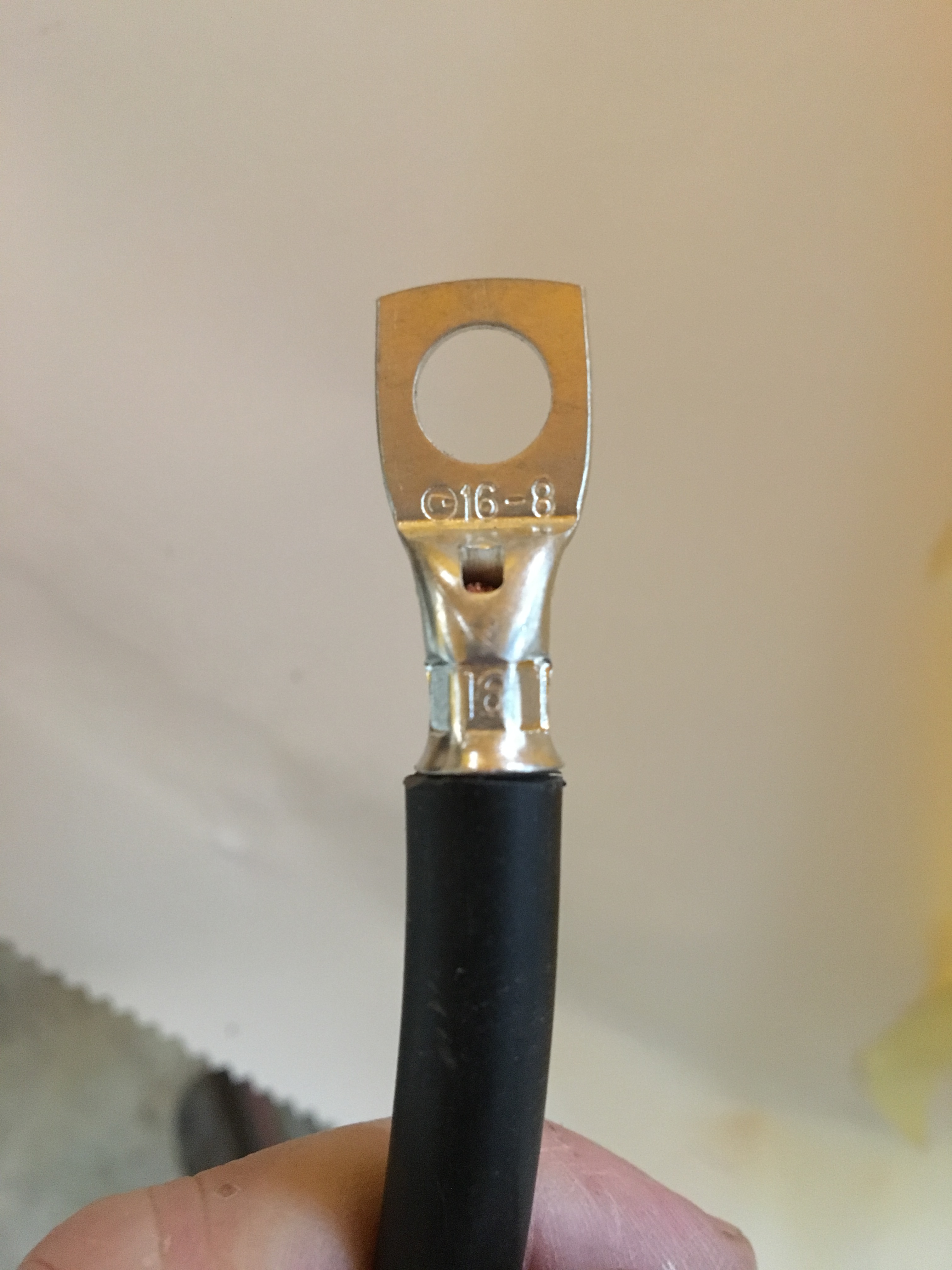
Pick the correct size crimp for the ring connector (16)

img_2099

Neat auto stamping of the crimp size confirms we used the correct connector for the 16 size crimp .. what a clever feature img_2101

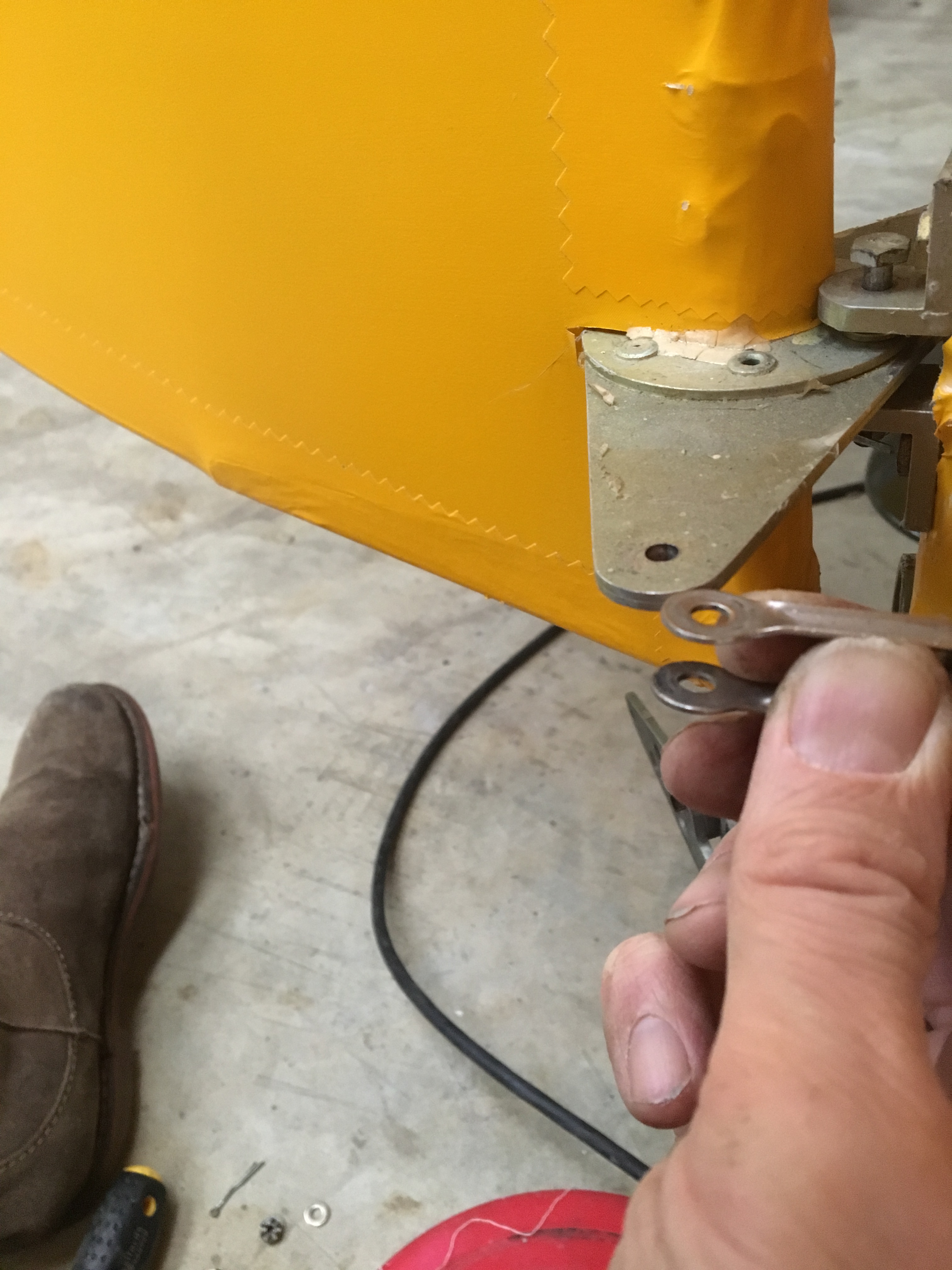
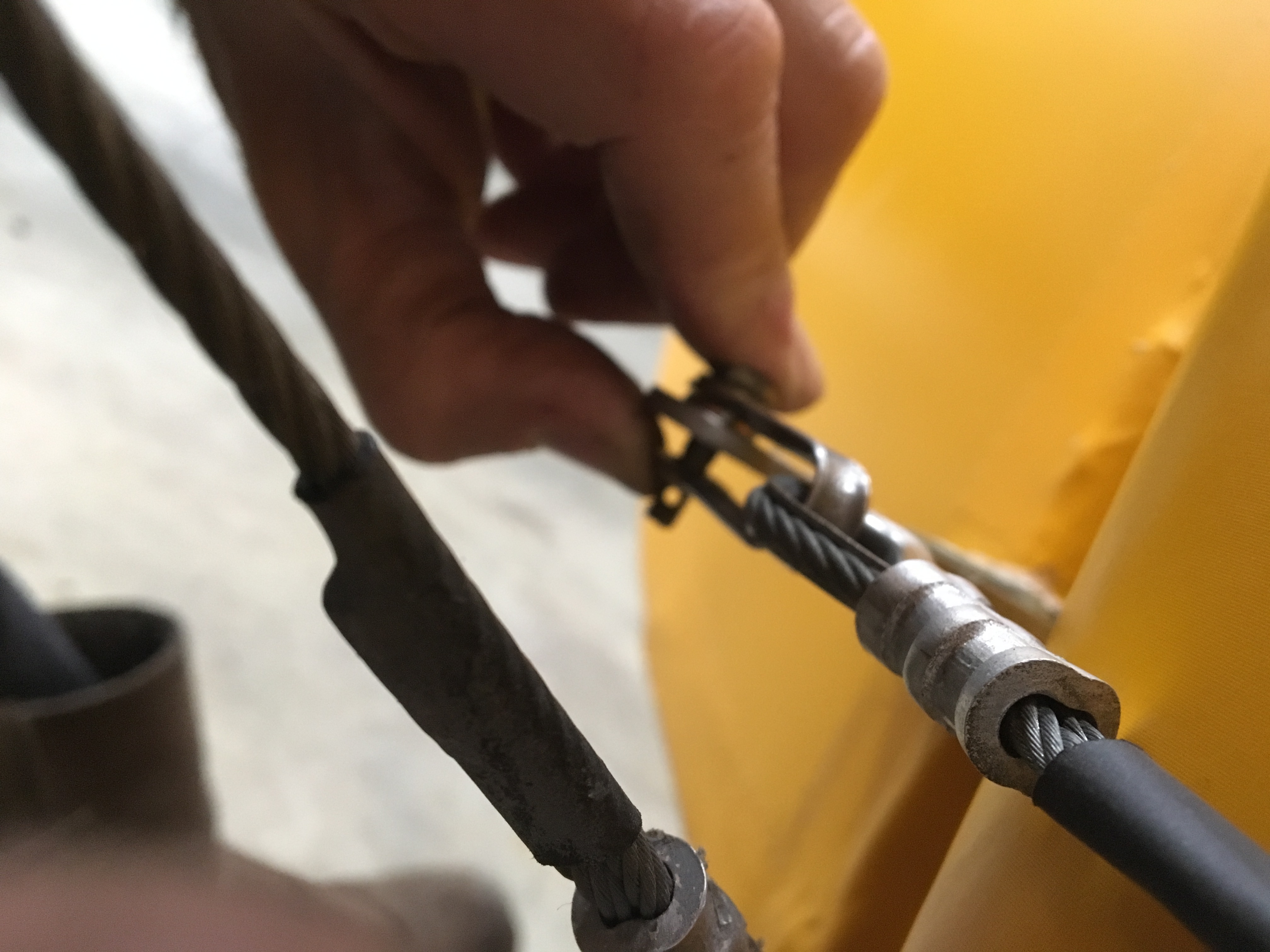
Re cover time – need to undo the rudder connection

img_2102img_2103

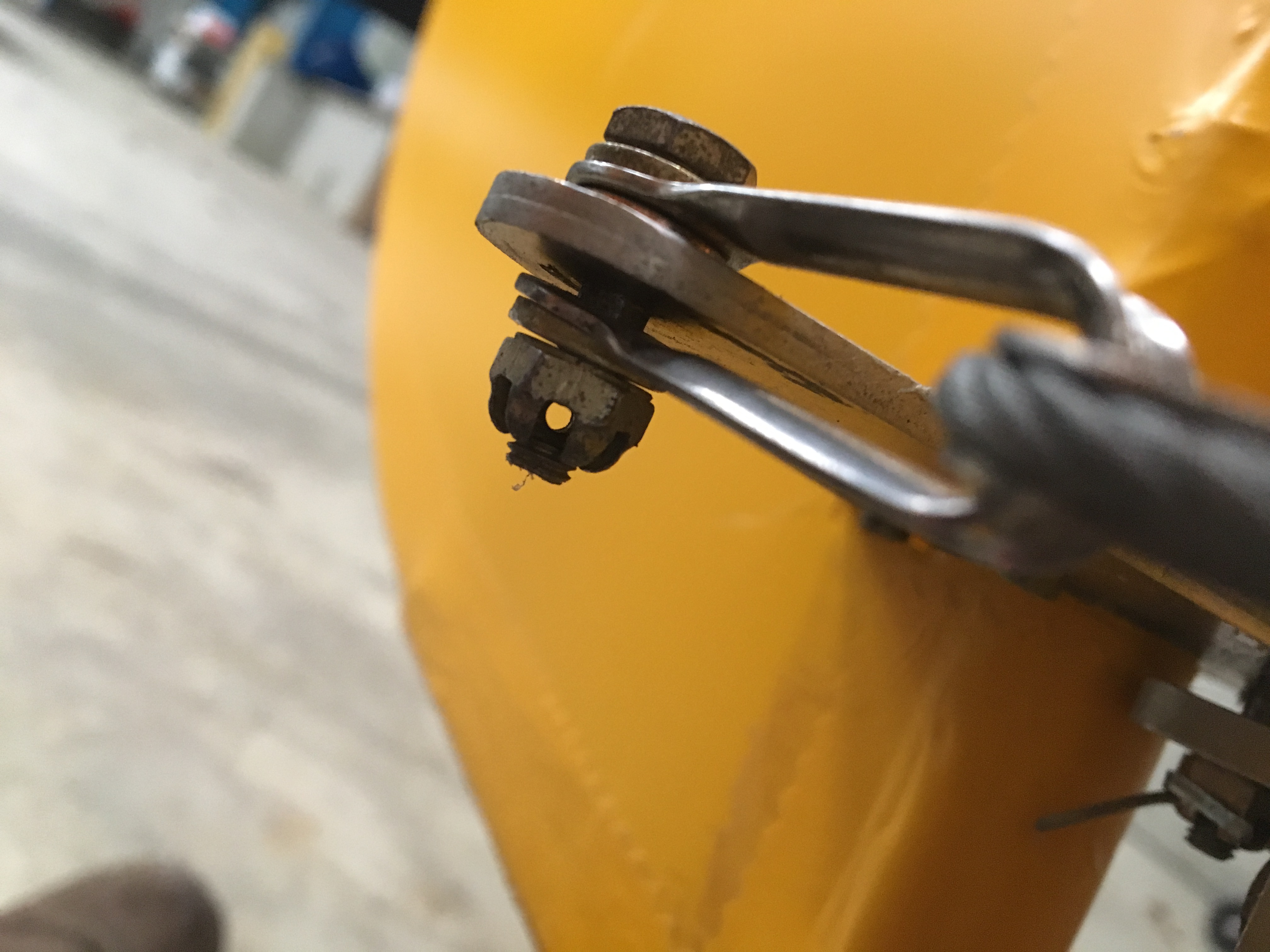
Align the castellated nut to accept the securing split pin

img_2106

As the whole turtle deck downwards was covered in one continuous sheet I clearly didn’t want to recover ALL of that just because of the rear battery access. So I cut into the Oratex just rearwards of the 45 degree sloping alloy tube support … just rear wards of the “G” reg sticker in the picture above .. allowing about a 6” overlap.

The overlap was glued along with the down bar and left to dry overnight. Next day this was ironed into position so making a secure point and leaving a rear section from that point to the rudder post open.

A new piece of material was cut and prepared and glued and fitted the following day to cover this large access panel under the starboard elevator lower fuselage. If required, this section can be removed without affecting the integrity of the rest of the side. In fact you could almost pre cover like this as it would make the single piece sheet a little less unwieldy as it would be that much shorter !

Engine retest – post putting two batteries in parallel

Just awesome starting now …

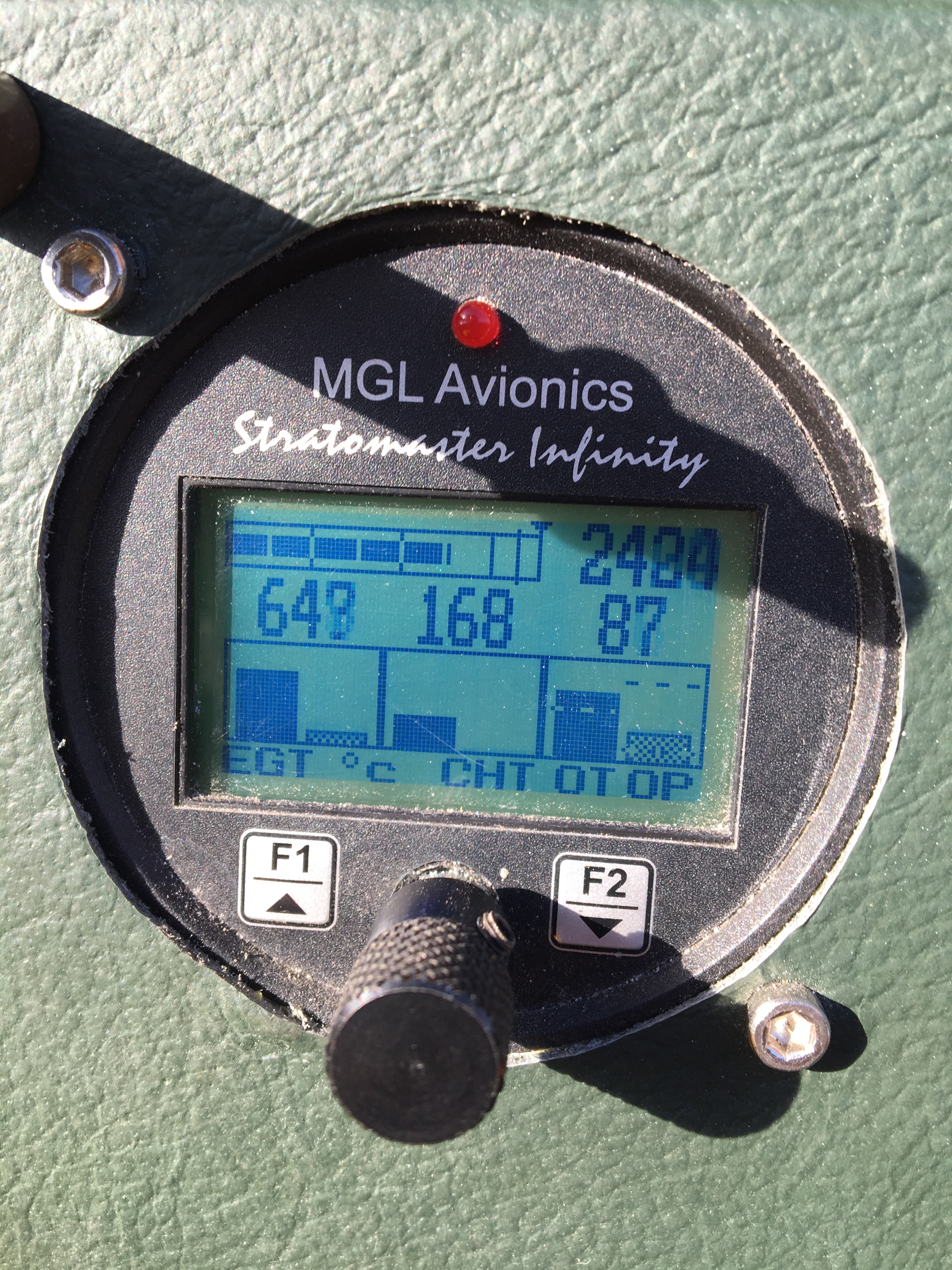
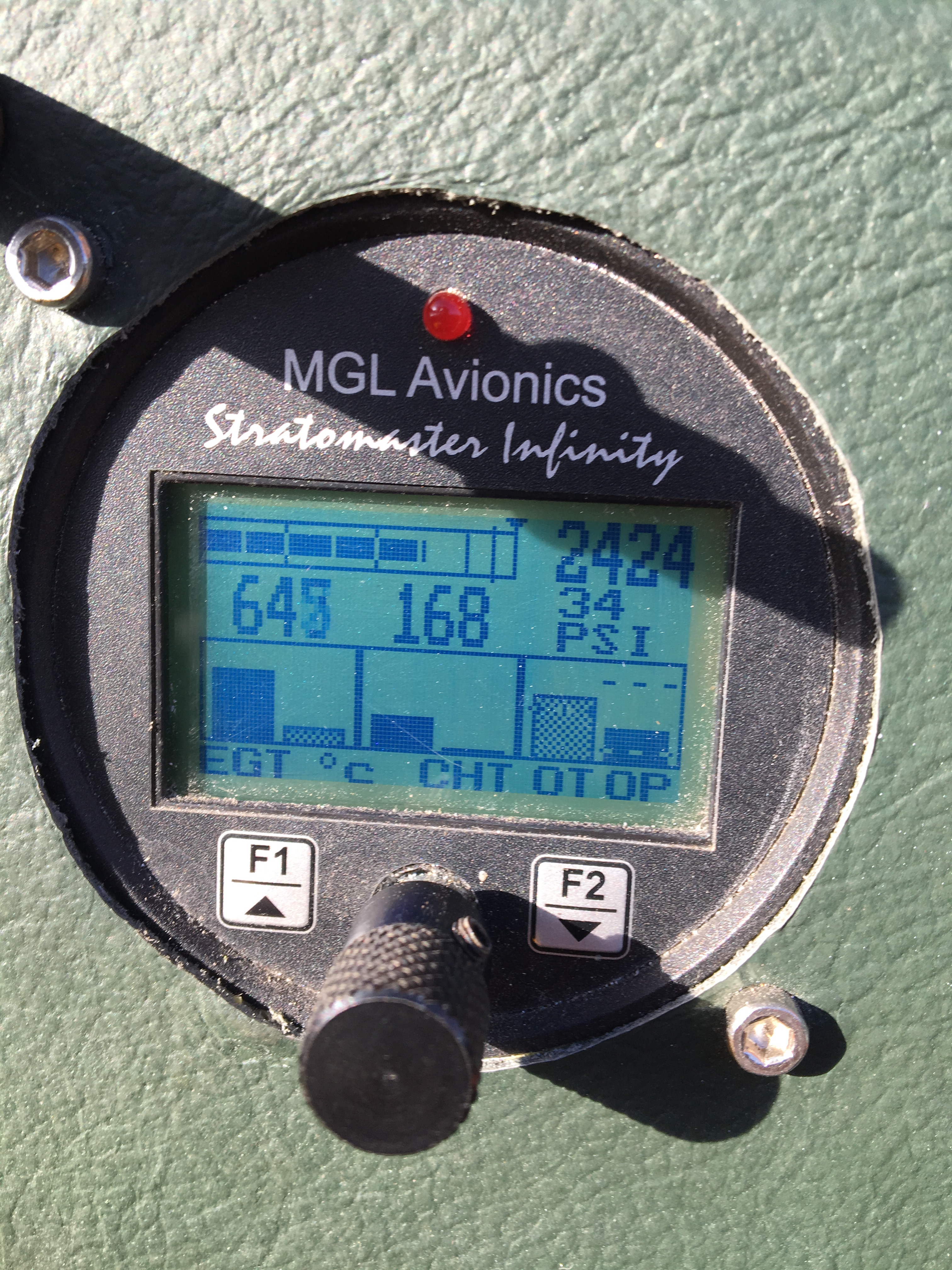
Wheeled out into blustery conditions but sheltered by the hangers ..ran for 2×20 mins with RPM up to 2400+ for extended periods

  • img_2067
  • img_2089
  • Temperature maintained around 90-102max after some 40 minutes of running
  • img_2088

Switched Oil pressure to PSI .. to make it easier to keep an eye on reading 34 at just over 2400 RPM

January 2017 – Ignition – BINGO !

Well….BINGO …meaty the help of a couple of very good solid knowledgable friends .. Mike (Fleming) and Chris (Sparrow) we now have a truly neat and robust solution .. And tested it this evening …

The original location of the battery (front centre between the P2 legs !) was moved at LAA suggestion which was

  • Good – to remove any ballast at all as the aircraft came out spot on with the battery at the tail
  • Bad – as the cable run to the solenoid so was nearly 5m ! Which .. With a relatively small motorcycle battery turned out to be a real struggle

The solution .. Thank you Mike ! …. Was to reinstall the front battery .. It’s pretty much on the C of G and then wire them in parallel and then review ALL crimped connectors

Then around 1700 this evening mags off, fuel off, throttle set, turns brilliantly !!

Now just need to neaten all cable runs and angles and ensure all booted over joints … Then

GET FLYING AGAIN !!!! Feels like way too long … Good powered engine test first to ensure cooling is in good shape then power climb awaits along with unusual attitude and handling then LAA paperwork off


Blog at WordPress.com.

Up ↑