Trig – completion and testing

Well, after many hours of careful preparation and meter continuity testing of the two prime D plugs it came to the time to connect up. Realised I had managed to run out of positive bus connections so a brief pause whilst I change the behind the panel bus bar to give me up to 10 locations.

I also changed from the screw type connector block to a crimped ring connector with a handshake fly lead .. This means I can isolate and fully remove any powered item without affecting any others.

First power up and bingo .. All lights up … Default frequencies were changed to add 134.67 the ATIS for Jersey and then 119.45 (Tower) and

Engine cooling

They say 98% complete only 20% left .. But it does really feel nearer 5% now !!!

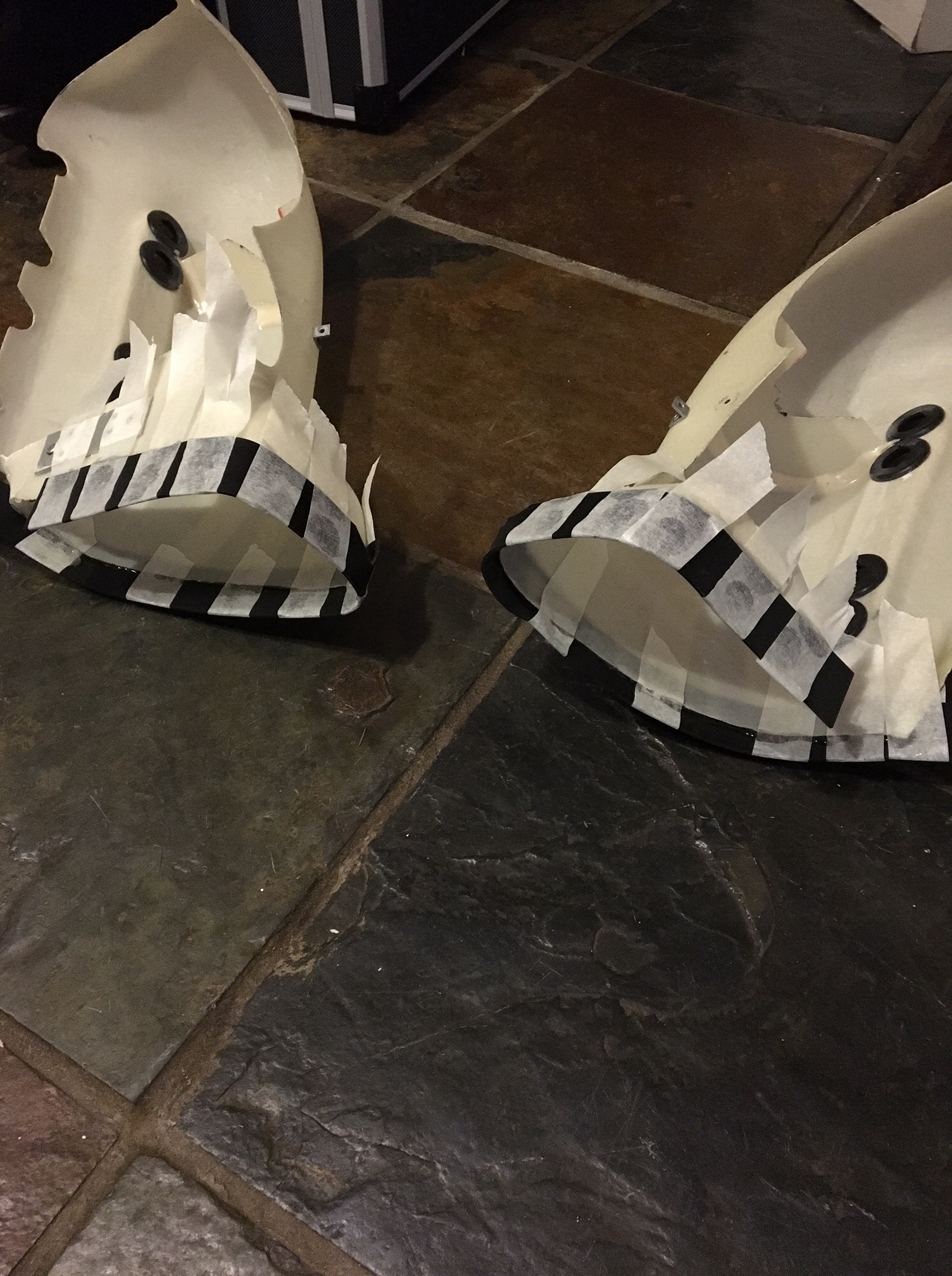
Another little but key job to get completed the rubber cooling duct bleed surround on the intake shrouds. Once glued I aim to secure every say 5 cm or so with a rivet and backing washer

image

Trig set up and test

Having setup the Trig Radio and Transponder it was time to final pin check and then setup for power only to realise id run out of main bus power points.

A short delay whilst I extend the bus bar to have a new setup .. Allowing for up to 10 points each with ringed connectors in preference to screw fit and also handshake fly leads meaning I can disconnect any power source in isolation of other elements.

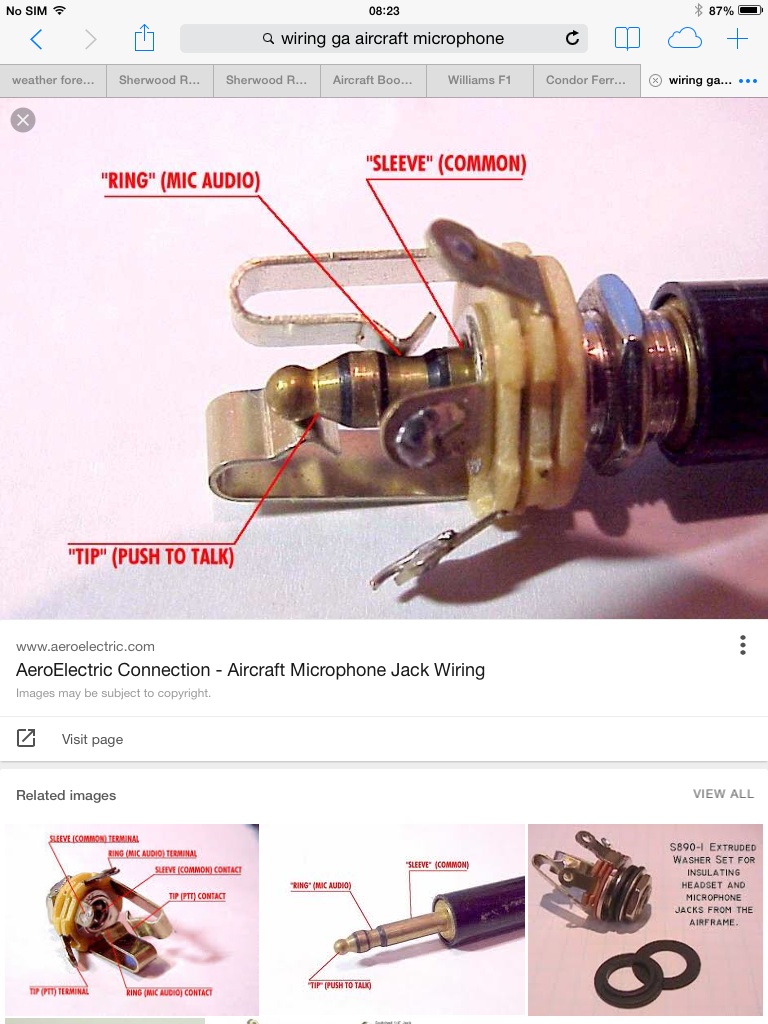
Locate and temporarily connect the headphone mic sockets and crackle and we have life !

image

Then first power up and set the Jersey ATIS 134.67 and loud and clear …

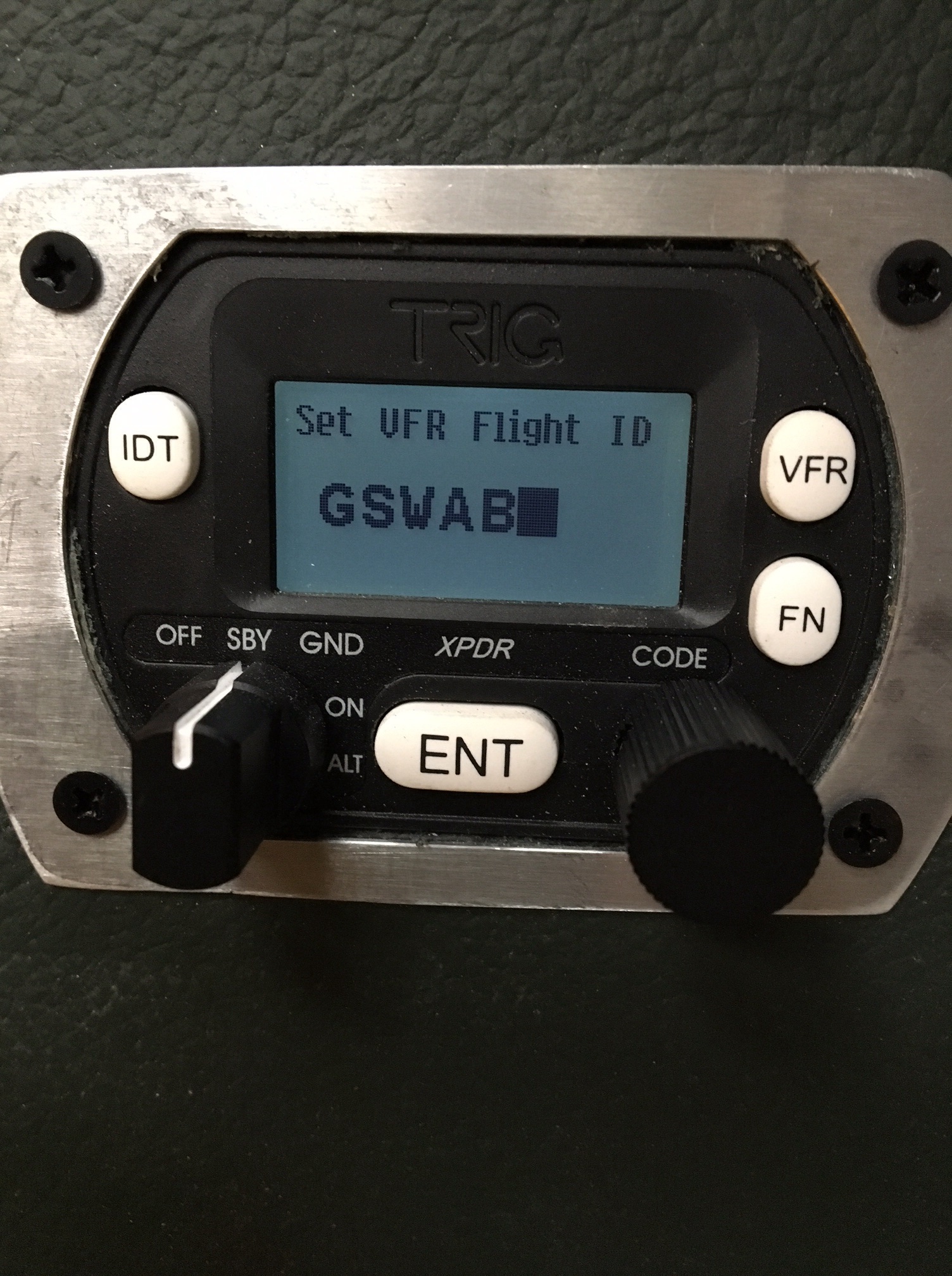
Then press and hold the Function button on the transponder to setup the Config .. Very straightforward .. What fantastic equipment this is … Worked from first connect

image

I now have my imbedded call sign in G-SWAB 😃😃

Spinner – additional security

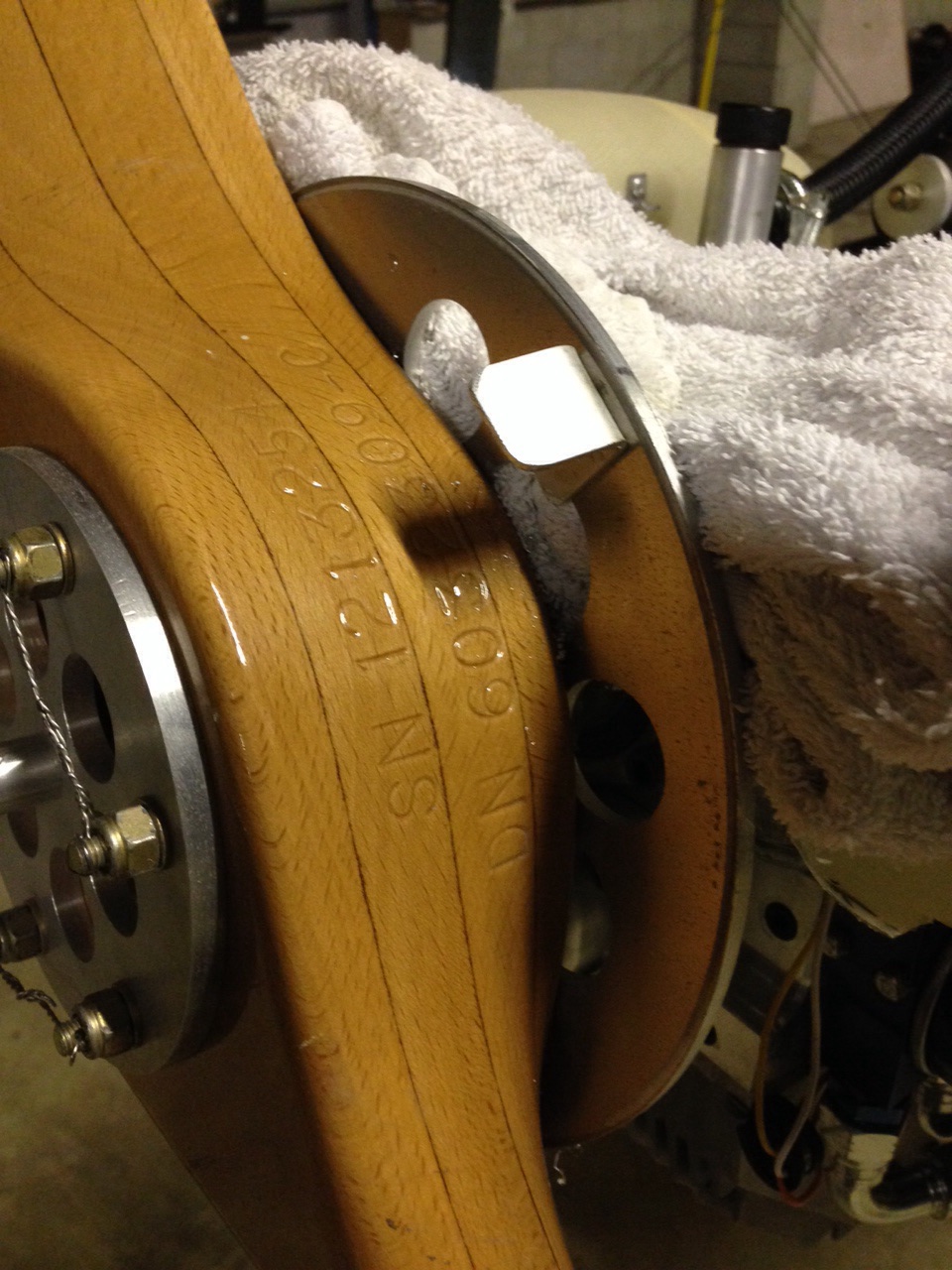
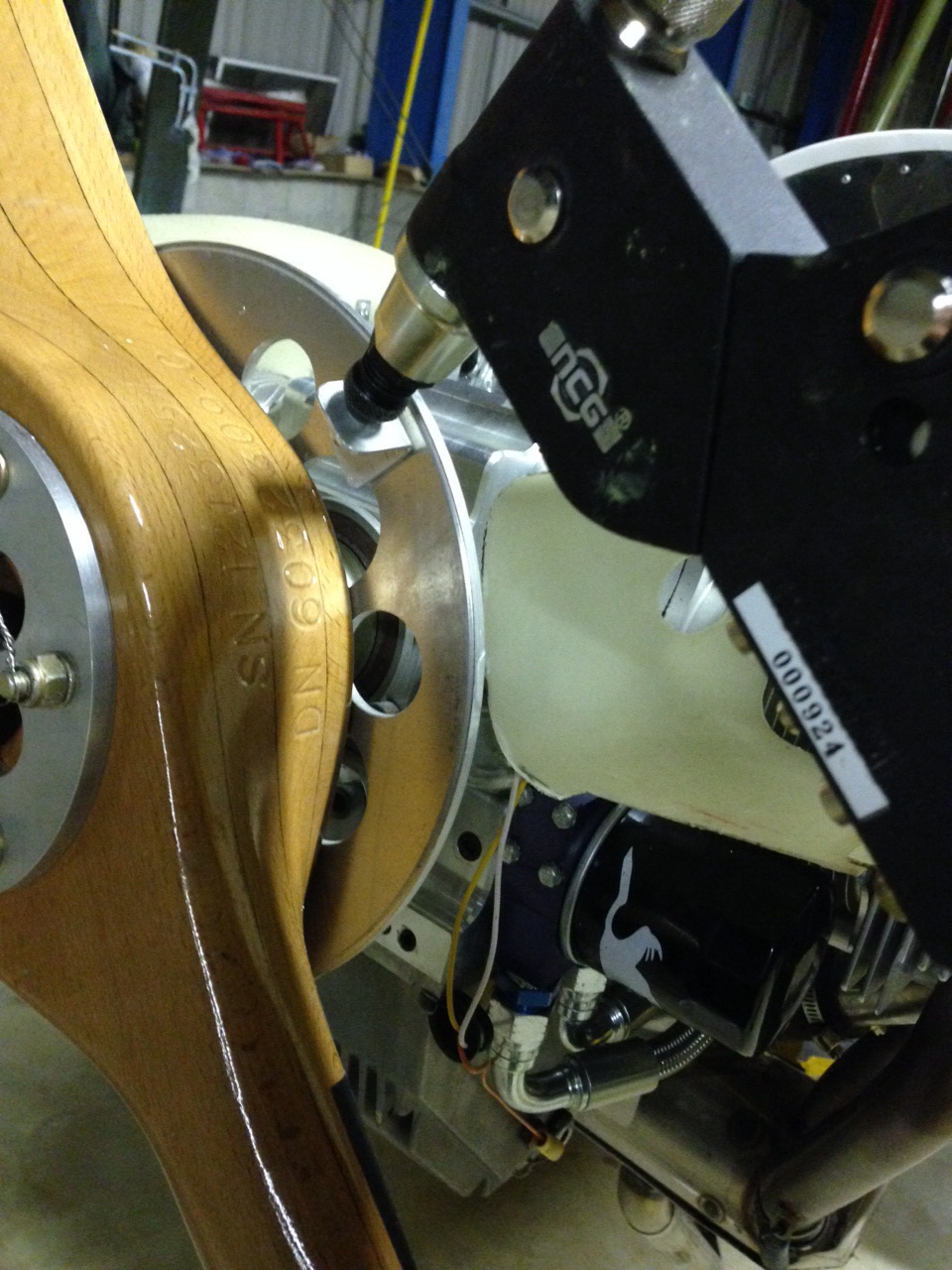
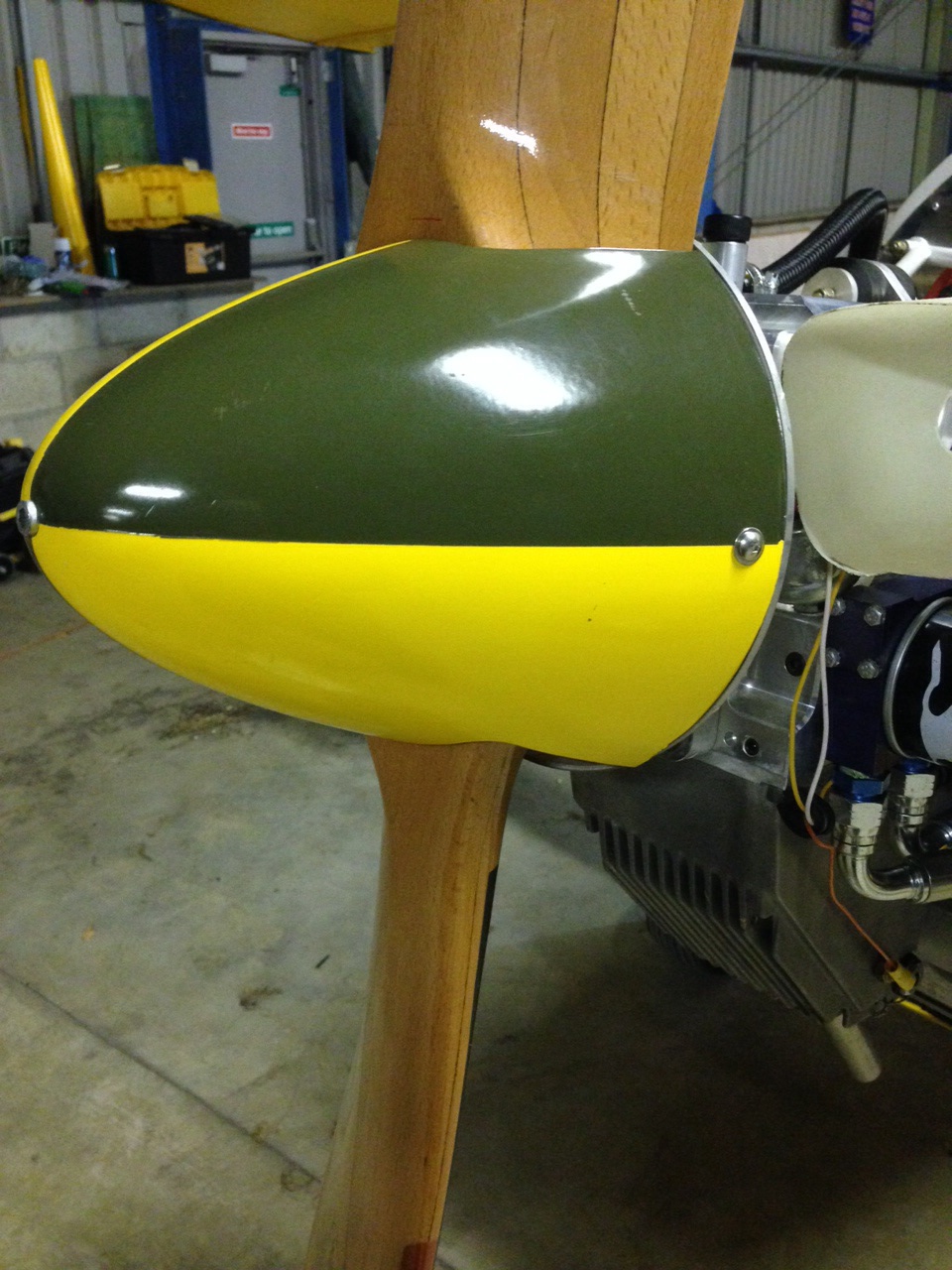
Added a couple of additional tabs to the spinner backplate with rivnut fitting to allow two opposite support fittings for spinner … These provide additional rigidity to the existing centre bolt fitting

image    imageimage

Trig wiring

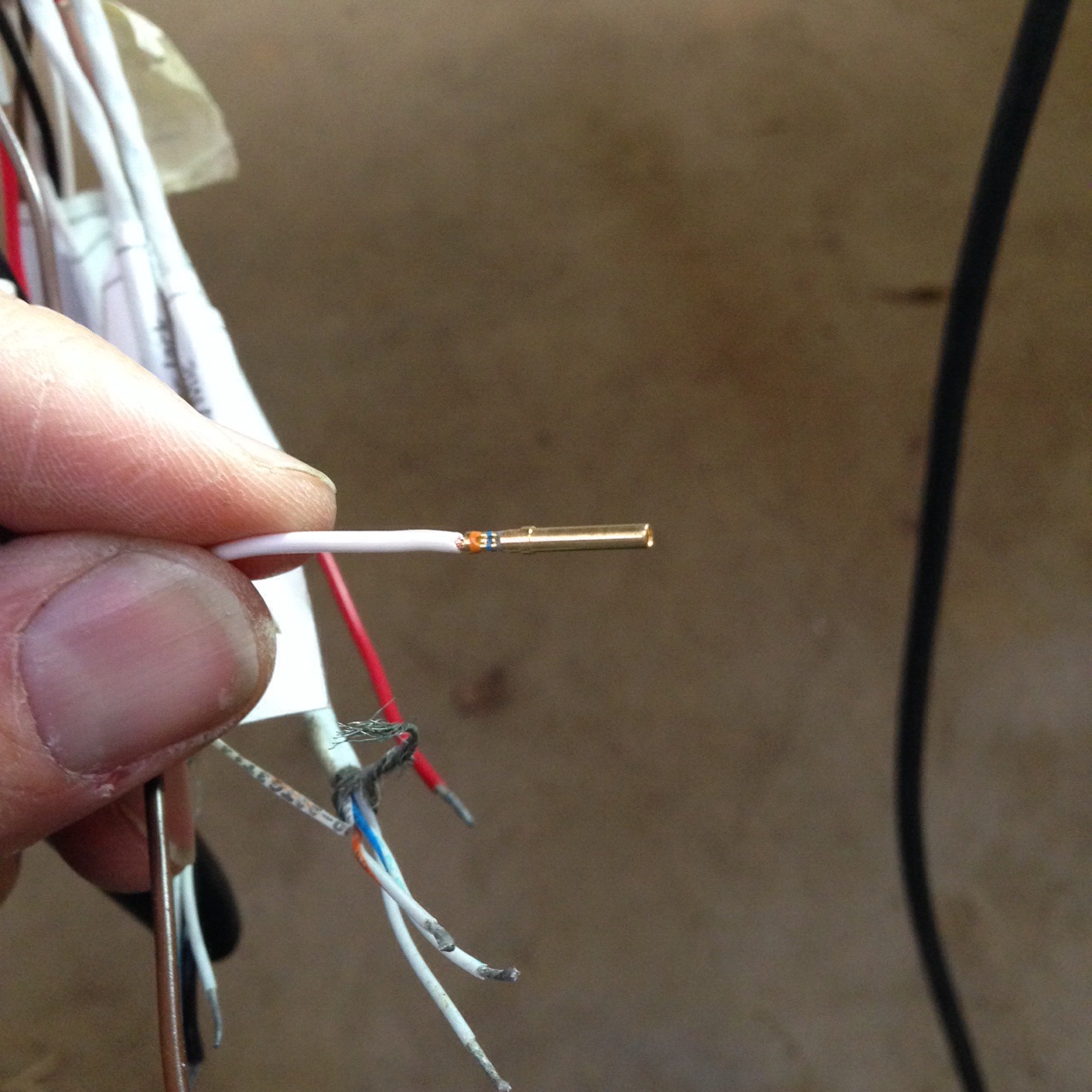
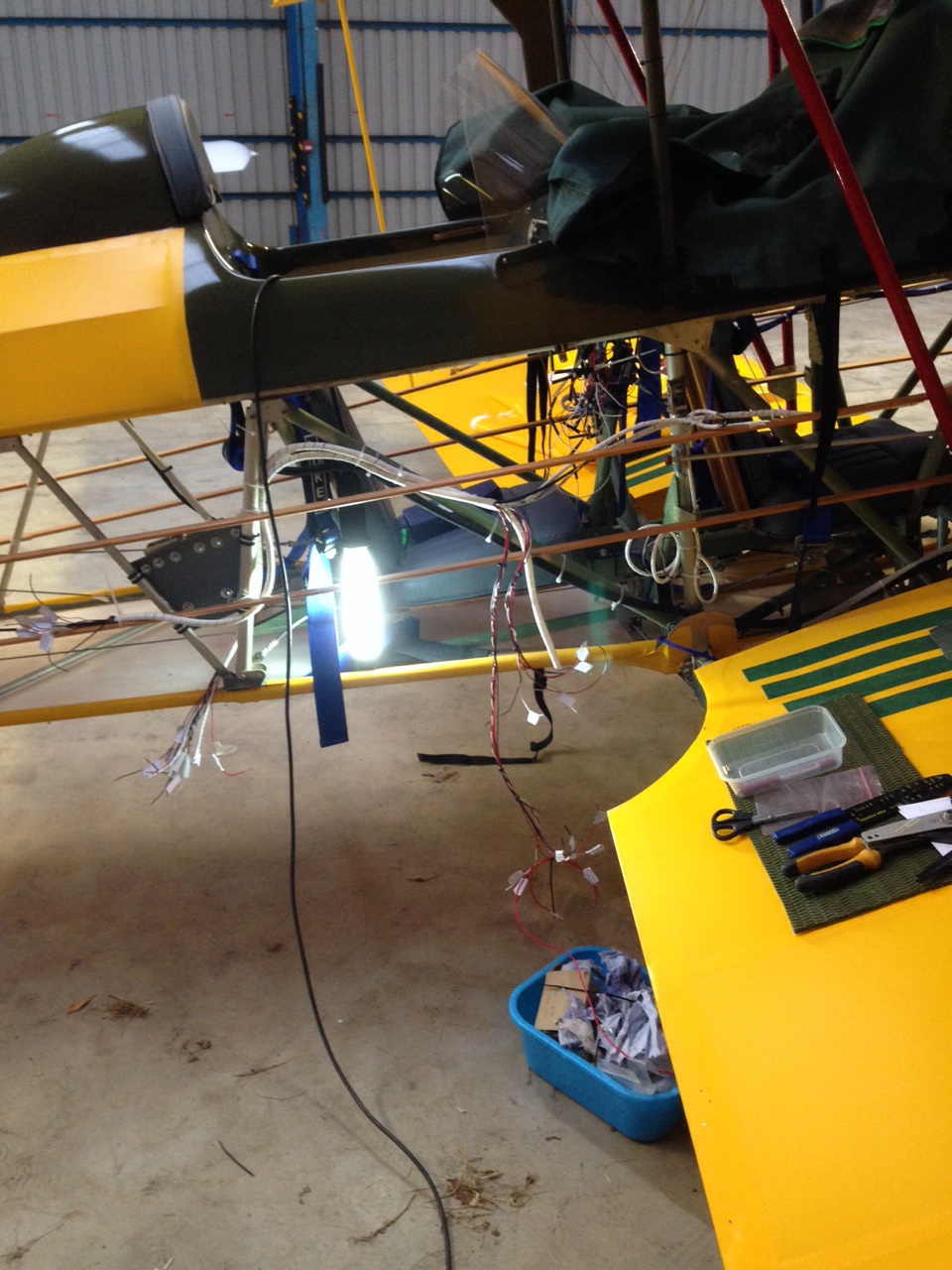
Trig Radio and Transponder bits going in … Cut dash to accept both heads and fitted the base behind the pilot seat. Cable routed around body struts and now removing the pre tinned bits I did as Adrian advised me that the crimper will expect to crush onto cables NOT tinned .. Which might prevent proper crimping !

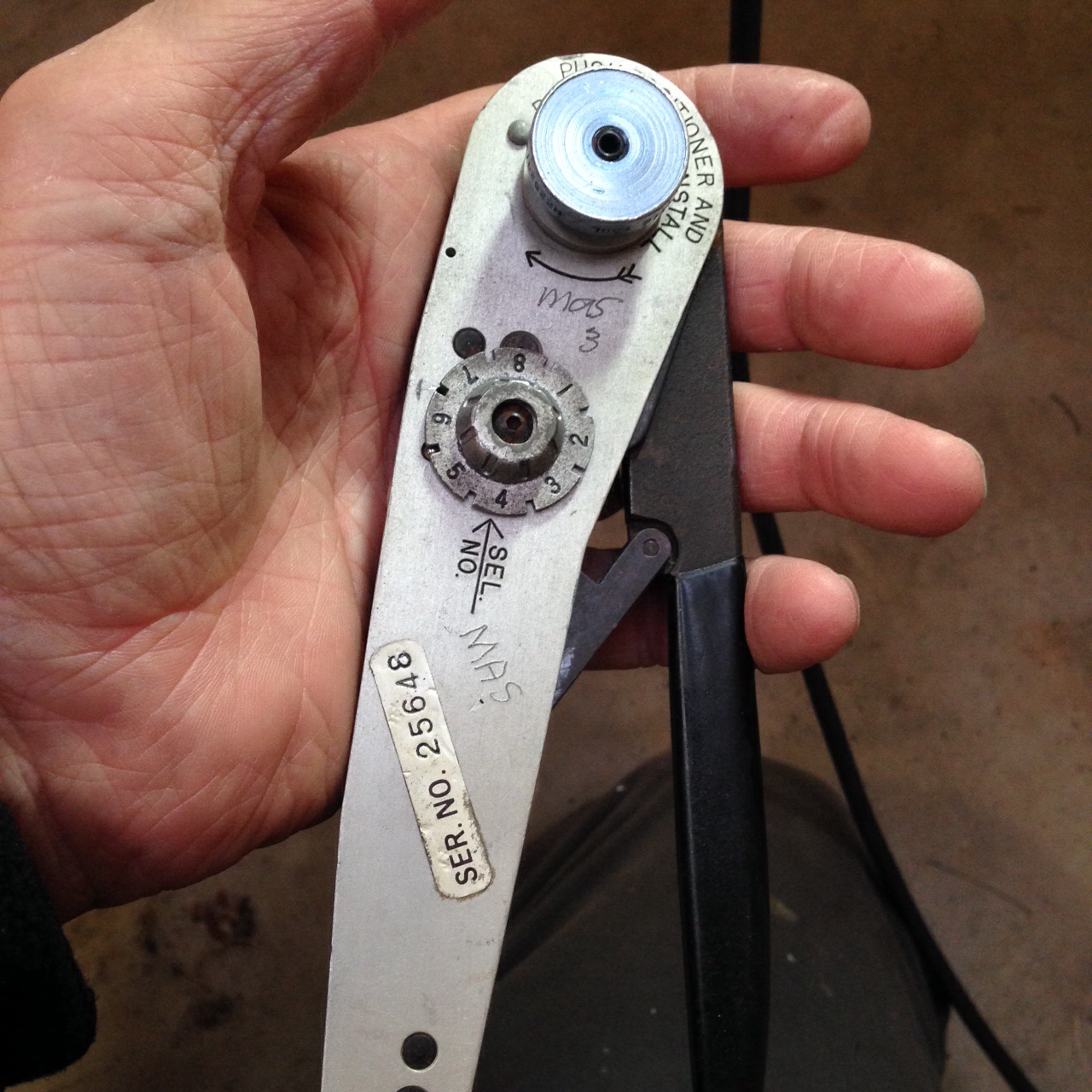
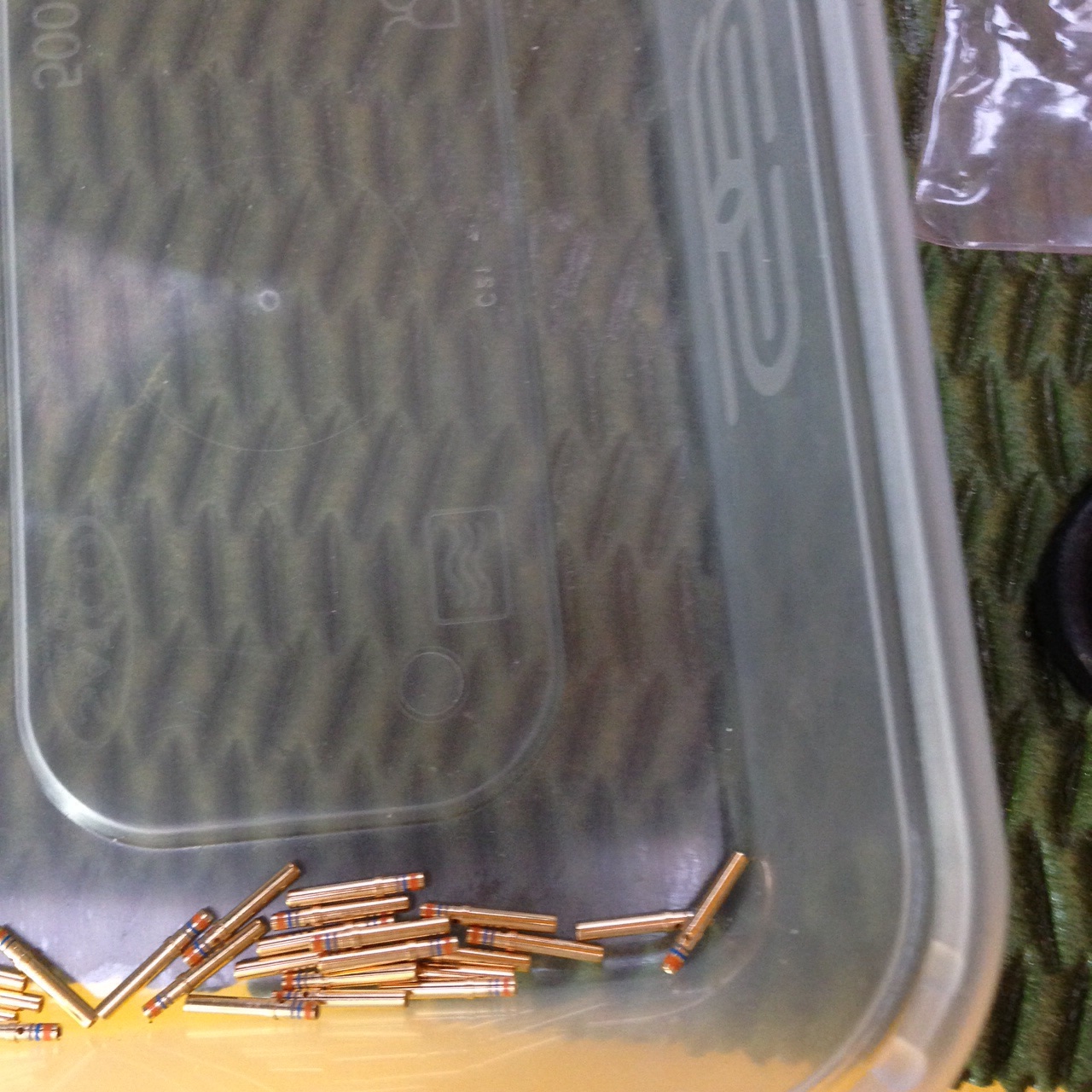
Manual in hand and pins and crimper at the ready .. Adrian also advised to butt the outer cable close to the end of the pin

image   imageimage  image

Many thanks to Paul HS for the kind loan of the superb Crimpers !

Update 6 June – OK – I worked through the night the other night – all excited to get to this part – makes it so much more real …. and, having crimped on the females to the radio thought lets crack on and use the remainder of the pins to do the Transponder … Oops – managed to use the wrong gender (females) so am now short of said item.

Looked on RS and wasn’t sure they looked the same and no one in Jersey will have them I guess so a quick call to Trig. What an amazingly helpful, polite team they are… lady answered just before 1800 (and I thought I might have to leave a message). She kindly passed me on to James who couldn’t do more to help .. sure he would pop some spares in the post – tomorrow OK ? – simply perfect !

We also had a chat about what aircraft they were going in and how it was progressing and the sort of support they offer after sales. Really good solid Company ! Many thanks guys.

LAA last bits

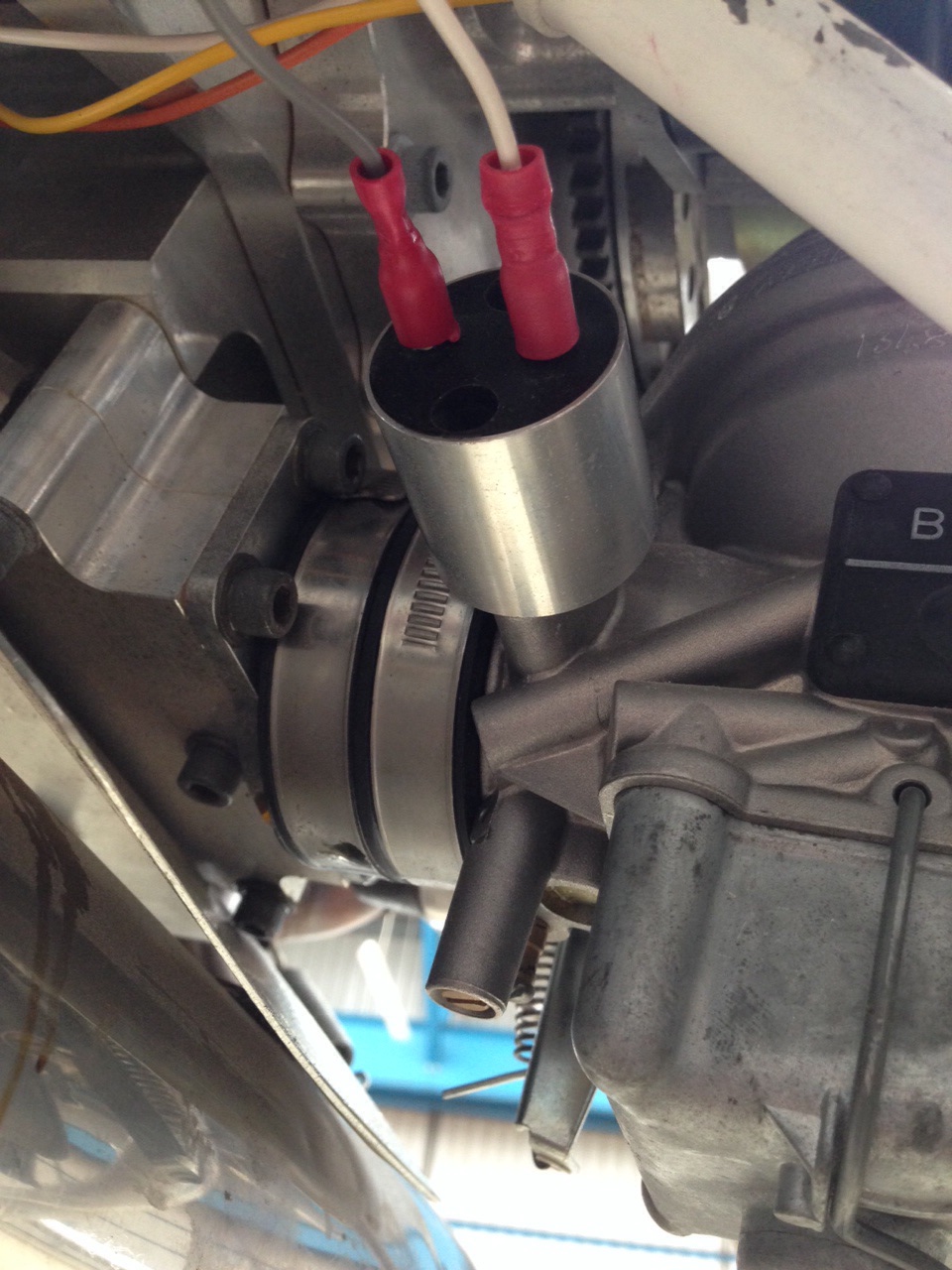
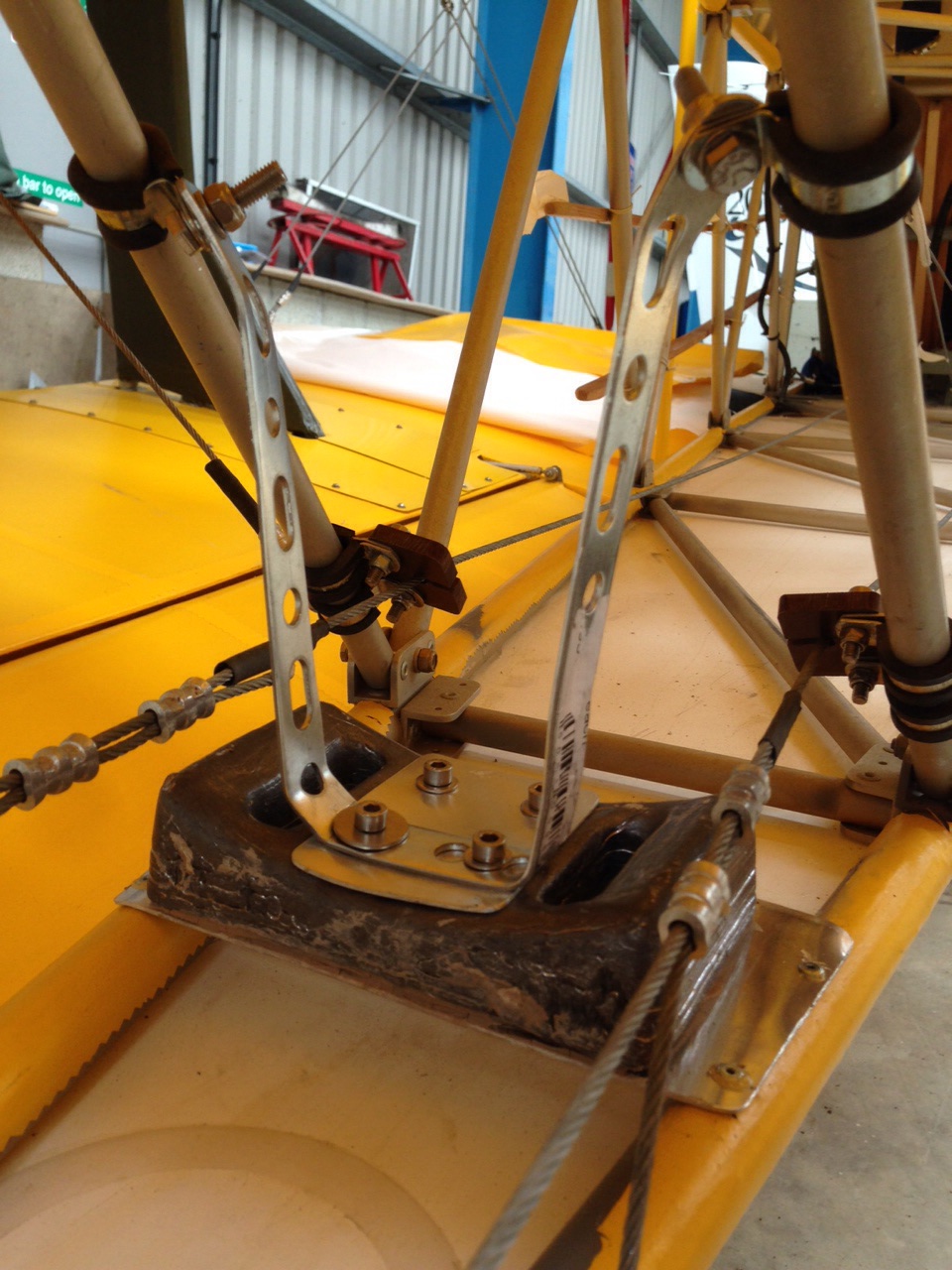
The LAA kindly followed up on my penultimate submission (Jon Viner .. He’s really good and responds by email almost by return) .. The ‘final’ bits they want are some photos of the carb heat fitting and also evidence of how I know it’s working … I plan to put warning lights on the panel for both heater elements …

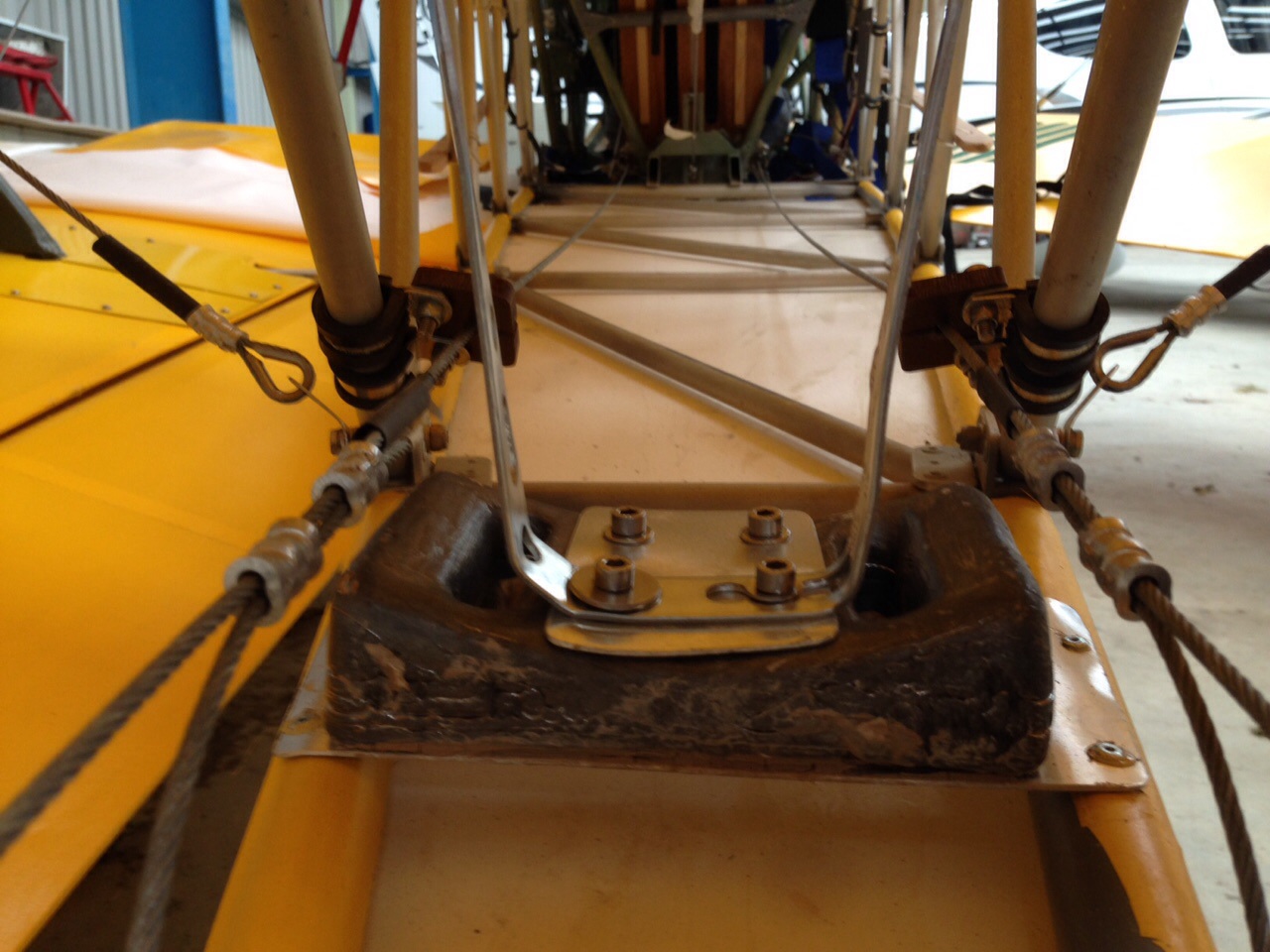
also photos and description on how I have secured the tail ballast

image

image   image

Taxying

My original taxi checks had proved interesting as what had seems like good brakes turned out to be quite soggy !

Mike and I had a look and tightened up a few parts so they became much more firm and solid affair.

So these were re tested today. Took the checks away and started her up .. She start so sweetly … First turn every time !

Then waited for the relatively busy area outside the Jersey Aero Club to settle …this area is a strip of Tarmac in front other hangers quite short and quite narrow … Should be a good test and if it all goes to pot .. Just shut down .. Jump out and turn her by hand.

i should not have worried  … I temporarily disconnected the steerable Tailwheel to leave her castoring and, with differential brakes, she nipped up and down .. With careful but beautifully tight right hand turns. The Stampe used to react quite positively to blips of throttle but I don’t want to use too much in such a confined space with about 8 aircraft all around.

Spent a very happy 20 minutes going up and down and around to the left then around to the right .. All turning in her own length ! great .. And I feel so much more confident now about popping into the active taxiway at Jersey … Don’t fancy holding up and Easyjet of BA airbus whilst I ground loop ?!

At the end of 20 mins I stopped as I could hear a graunching sound .. Turned out to be hot brakes ! but hey it had been on them the whole time against power … Very pleased with the result !

Another ground test and wash

Yesterday saw a very productive session whilst I await radio and transponder arrival.

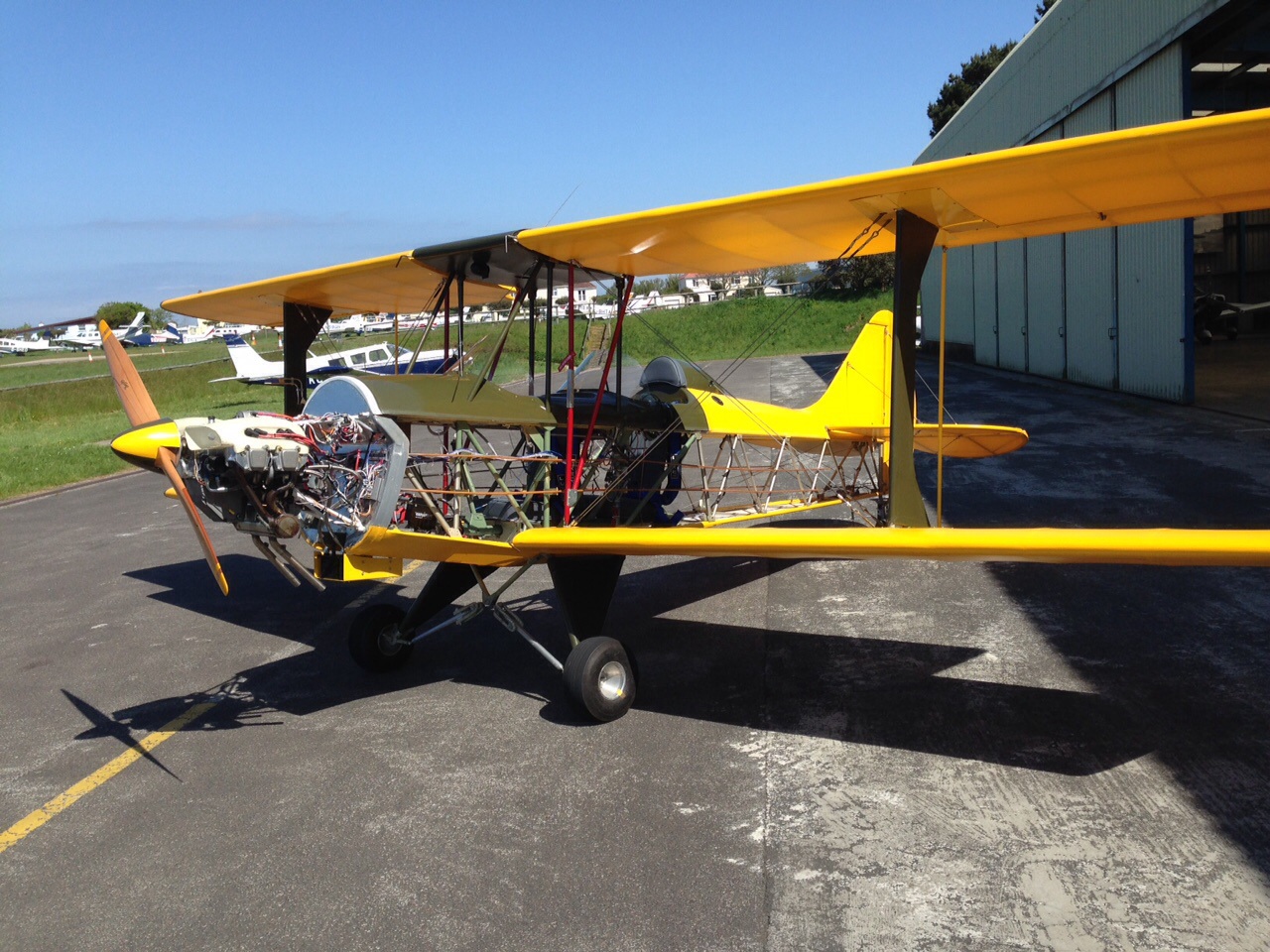
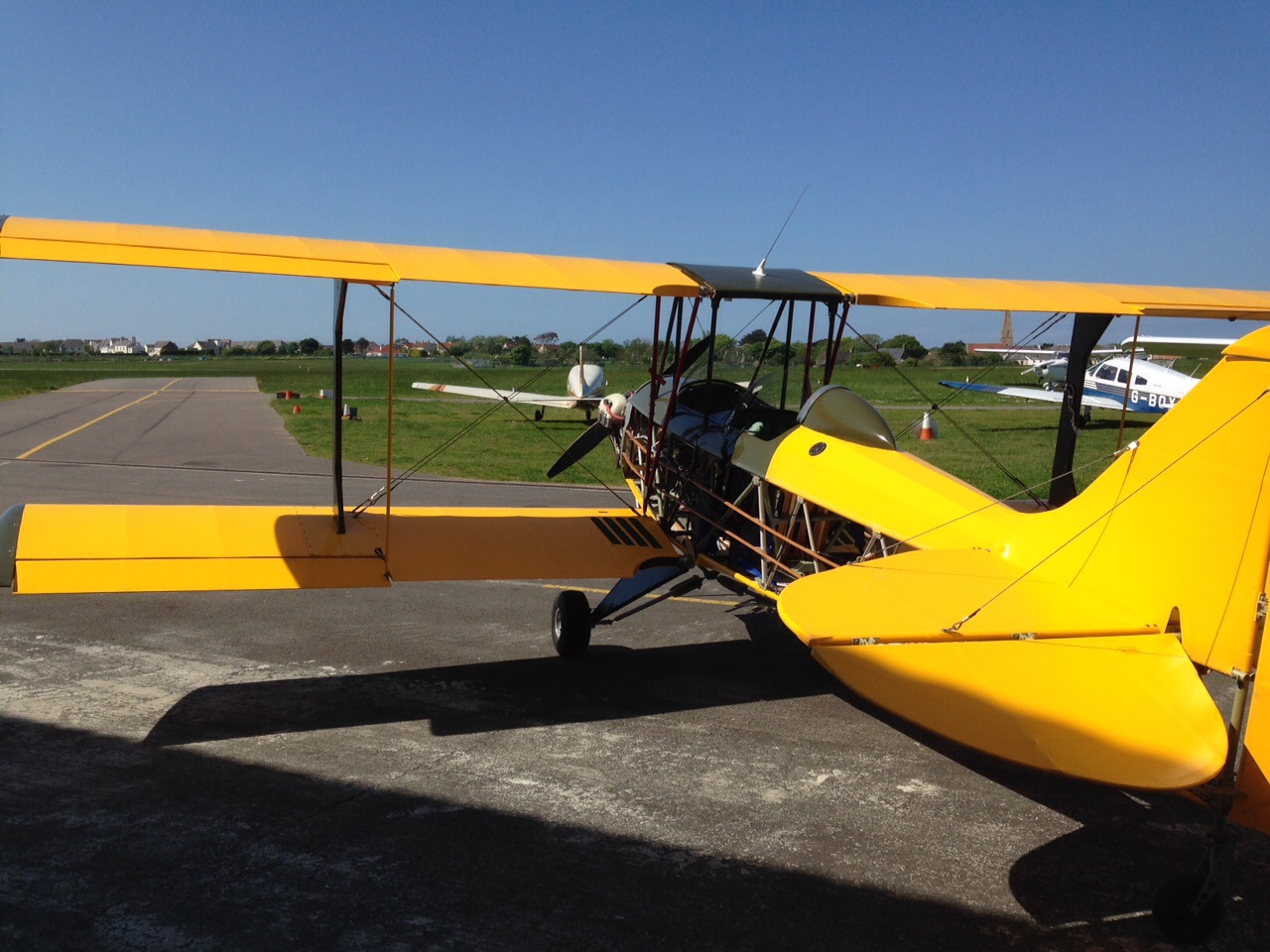
Months of barn and hanger residency has meant a build up of grime and dust and dead fly bits all over the Oratex … Being bright yellow it looks great anyway .. Until you wash one panel and dry it .. Then it bounces back to that lovely smooth clear soft supple finish !

imageimageWashed the whole aircraft and she is now gleaming again …..

This did give me a chance to go over all the ironing bits again and I noticed a few places where ironing the doubler pinked strip down had not taken as well as it could. I remember at the time that I didn’t want to ‘drag’ across the pinked edge as the heat could distort the points …. So it was more of an action at 90 degrees so that the points of the pinking all held their shape. Now I could see that some bits were just standing proud. Small shoe iron back on (thanks to Danny B for helping me source this .. It’s been fantastic and pretty much completed the entire aircraft just with that !) .. And at about 145 degrees and it all seals down nicely.

Then I re checked the connections for the EGT and CHT as these had played up on the Infinity. First of 3 engine runs got one of them working … Realised that I needed to re check the set points and thresholds for them. By the 3rd run I had 2 x EGT working on a scan basis and 1 x CHT .. The other CHT just has a flashing arrow pointing down … Either it’s a bad connection or a duff sensor. Will follow it all through to check.

having now removed the standard Jabiru RPM and spliced int the charging circuit in my ‘hunt’ to get an RPM reading on the gauge I find I still can’t get a reading. Checking with Danny to see what I’ve missed … Last part in this wiring puzzle … It’s not my strongest point but hey .. Nearly there 😄

E3 Infinity gauge

I have had a few problems getting successful readings out of this and, on subsequent re reading of the instructions I noticed that on a page very near the end of the document it mentions that if you intend to monitor both EGT and CHT then one MUST wire before the other .. And I had it the other way around .. In terms of channel numbers

As all connections have been put together with hand shake connectors it’s easy to review and change sequence

I have also struggled to get ANY reading from the RPM sender unit which was factory fitted photo cell …

Contacted fellow builder Danny (Baker) who advised that he used the charging circuit and set the pulses to 5 and it works a dream.  I will look to change mine over as, after about 1 hour 40 mins running on sense and sound alone, I need a proper gauge to check RPM

Trig bits

Ordered the last bits ! Trig Radio and Transponder from Paul and the wiring harness that TLAC have a fantastic layout board for

This is now loosely in the aircraft and I have tinned all the cable ends in readiness for what I gather is the crimped method as you build up 15 pin and 25 pin D plugs for the kit ..

once this is in then I can get sides covered

Blog at WordPress.com.

Up ↑